
Electric Awnings Explained: Comfort and Style Outdoors

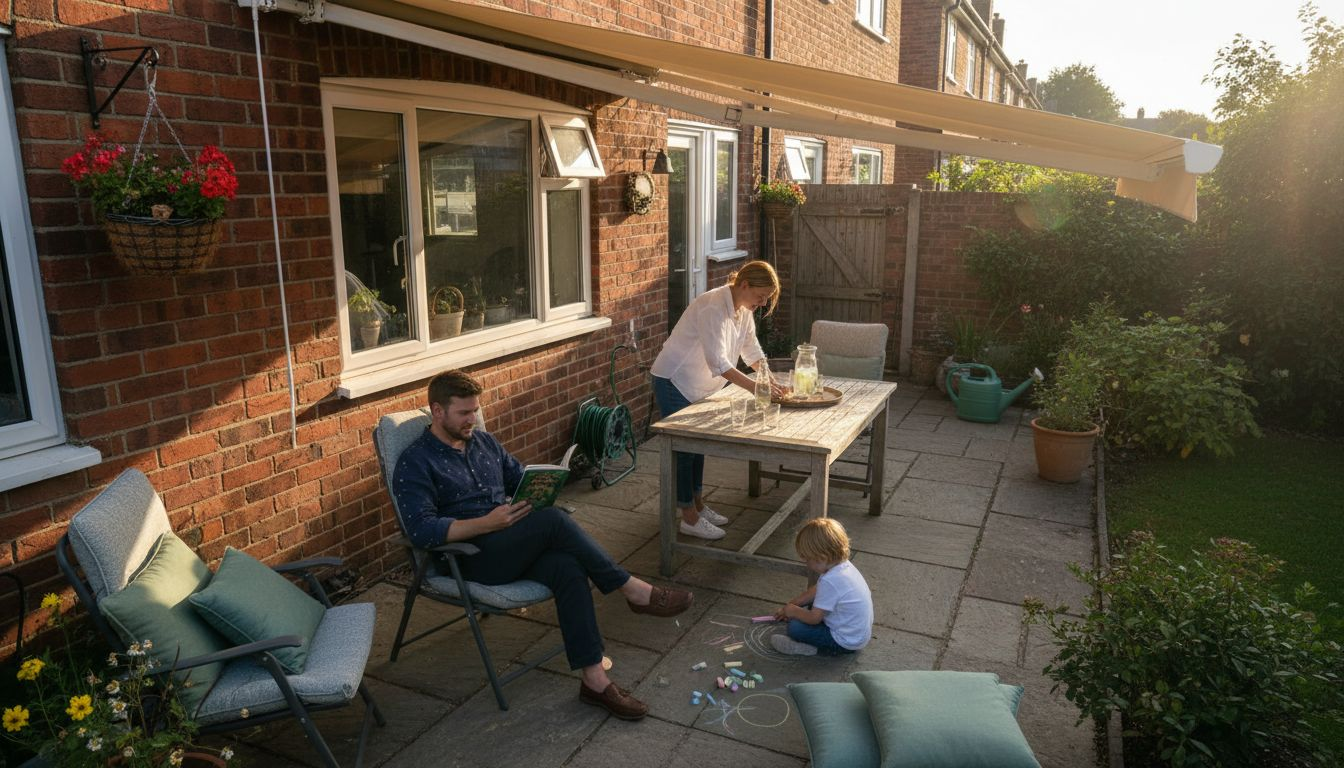
Family gatherings in the Yorkshire sunshine are memorable, but too much glare or an unexpected rain shower can dampen the mood. The need for reliable and stylish shade is more than just a luxury for many homeowners—it is about making patios, gardens, and decking truly inviting all year round. Choosing an electric awning means gaining effortless comfort and automated weather protection at the touch of a button, helping you enjoy every moment outdoors without compromise.
Table of Contents
Key Takeaways
Point | Details |
Electric Awnings Offer Convenience | With motorised operation and remote controls, electric awnings provide effortless adjustments for shading and protection. |
Variety of Types Available | The UK market presents various electric awning styles, including patio and commercial options, catering to different needs and spaces. |
Critical Installation Factors | Proper installation is essential, adhering to legal requirements and engaging certified professionals for safety and functionality. |
Long-term Maintenance Importance | Regular maintenance and inspections can significantly extend the lifespan of electric awnings and prevent costly repairs. |
What Is an Electric Awning? Key Concepts
An electric awning is a sophisticated outdoor shading solution that provides automated comfort and style for homeowners seeking effortless protection from sunlight and weather conditions. Unlike traditional manual awnings, these modern systems use integrated electric motors to extend and retract fabric coverings with the simple press of a button or remote control.
Electric awnings offer several distinctive features that set them apart from conventional options:
Motorised operation allowing instant shade deployment
Remote control functionality for convenient management
Automatic sensors that can respond to sunlight and wind conditions
Seamless aesthetic integration with home exteriors
Precise positioning for optimal coverage
The core mechanism of an electric awning involves a motorised retractable system that enables smooth, reliable extension and retraction. This technology transforms outdoor spaces by providing instantaneous shelter and climate control, making patios, decking areas, and garden spaces more usable throughout varying weather conditions.
Motor and Fabric Technology
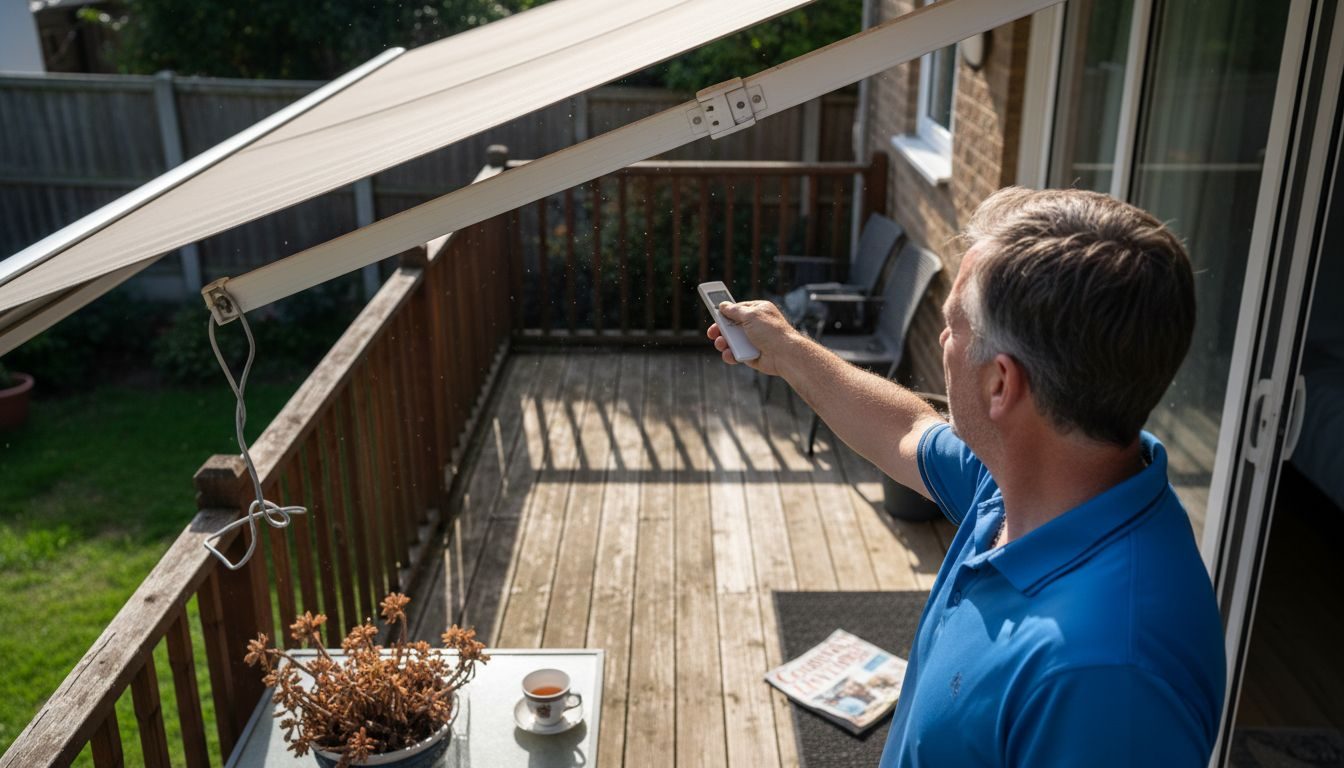
Modern electric awnings incorporate advanced engineering, featuring robust electric motors typically integrated within the awning’s roller tube. These motors connect directly to fabric panels, allowing precise movement controlled through wall-mounted switches, handheld remotes, or even smartphone applications.
Electric awnings represent the pinnacle of outdoor comfort technology, blending convenience with sophisticated design.
Pro tip: When selecting an electric awning, consider models with integrated wind sensors that automatically retract the fabric during strong gusts to prevent potential damage.
Popular Types of Electric Awnings in the UK
The United Kingdom offers a diverse range of electric awnings designed to suit various residential and commercial environments. Electric awning styles provide homeowners and businesses with versatile solutions for outdoor shading and climate control, each tailored to specific functional and aesthetic requirements.
Key types of electric awnings prevalent in the UK include:
Patio Awnings: Perfect for domestic settings, extending living spaces and creating comfortable outdoor areas
Freestanding Awnings: Offering flexibility in placement and installation
Pergola Awnings: Integrating seamlessly with garden structures and providing comprehensive shade
Commercial Awnings: Designed for restaurants, cafes, and business frontages
Motorhome and Camper Awnings: Lightweight and quick to deploy for mobile living
For recreational vehicles and camping enthusiasts, motorised inflatable awnings represent a significant innovation. These advanced systems feature air beam technologies that allow rapid setup and takedown, making them particularly attractive for mobile lifestyles.
Here is a concise comparison of the most common electric awning types in the UK:
Awning Type | Typical Use Case | Key Strength | Ideal User |
Patio Awning | Residential patios and gardens | Seamless integration with home | Homeowners |
Freestanding Awning | Flexible outdoor space coverage | Placement versatility | Renters, event organisers |
Pergola Awning | Gardens with structural features | All-round weather protection | Garden enthusiasts |
Commercial Awning | Shop fronts, outdoor dining areas | Strong branding ability | Businesses, restaurants |
Motorhome/Camper Awning | Temporary, mobile accommodation | Quick setup and removal | Campers, travellers |
Technological Features
Modern electric awnings incorporate sophisticated mechanisms, including:
Remote-controlled operation
Wind and sun sensors for automatic adjustment
Variable extension settings
Integrated LED lighting options
Durable, weather-resistant fabrics
Electric awnings transform outdoor spaces, blending cutting-edge technology with practical design solutions.
Pro tip: When selecting an electric awning, consider the specific microclimate of your property to ensure optimal performance and longevity.
Essential Features and How Operation Works
Electric awnings represent a sophisticated blend of mechanical engineering and smart technology, designed to provide seamless outdoor comfort. Radio frequency operational standards ensure these systems communicate effectively and safely, delivering reliable performance for homeowners and businesses alike.
The core operational mechanism of electric awnings involves several critical components:
Electric Motor: Housed within the roller tube, responsible for extension and retraction
Control Unit: Manages motor functions and receives signals
Remote Control/Wall Switch: Primary user interface for awning operation
Sensors: Detect environmental conditions like wind speed and sunlight
Safety Mechanisms: Prevent damage during unexpected weather changes
Deployment and Retraction Mechanisms
Modern electric awnings feature sophisticated deployment technologies that allow precise positioning and smooth movement. The motorised system can extend the fabric canopy to various predetermined angles, creating optimal shade and protection for outdoor spaces.
Technological Innovations
Advanced electric awnings now incorporate smart technologies that enhance user experience:
Smartphone app integration
Automatic weather response systems
Energy-efficient motor designs
Programmable positioning
Silent operational mechanisms
Cutting-edge electric awnings transform outdoor living by combining technological sophistication with practical functionality.
Pro tip: Invest in an electric awning with multiple sensor technologies to ensure maximum protection and convenience during changing weather conditions.
Installation Process and Legal Considerations
Installing an electric awning involves complex legal and technical requirements that homeowners must carefully navigate. Building regulations and electrical safety are critical considerations that determine the legality and safety of your awning installation.
Key legal requirements for electric awning installation include:
Compliance with UK Building Regulations
Adherence to Electricity at Work Regulations 1989
Professional installation by certified technicians
Electrical safety certification
Structural integrity verification
Installation Process Stages
The typical electric awning installation follows a structured approach designed to ensure safety and regulatory compliance. Professional installers will conduct a comprehensive site survey, assess structural requirements, and determine the most appropriate mounting configuration for your specific property.
Professional Certification Requirements
Homeowners should prioritise engaging installers who are:
Registered under competent person schemes
Qualified electrical engineers
Experienced in outdoor structure installations
Capable of providing official safety certifications
Knowledgeable about local building regulations
Proper installation is not just about aesthetics, but ensuring the long-term safety and functionality of your electric awning system.
Pro tip: Always request and verify the electrical safety certification from your installer before final acceptance of the awning installation.
Comparing Electric and Manual Awnings
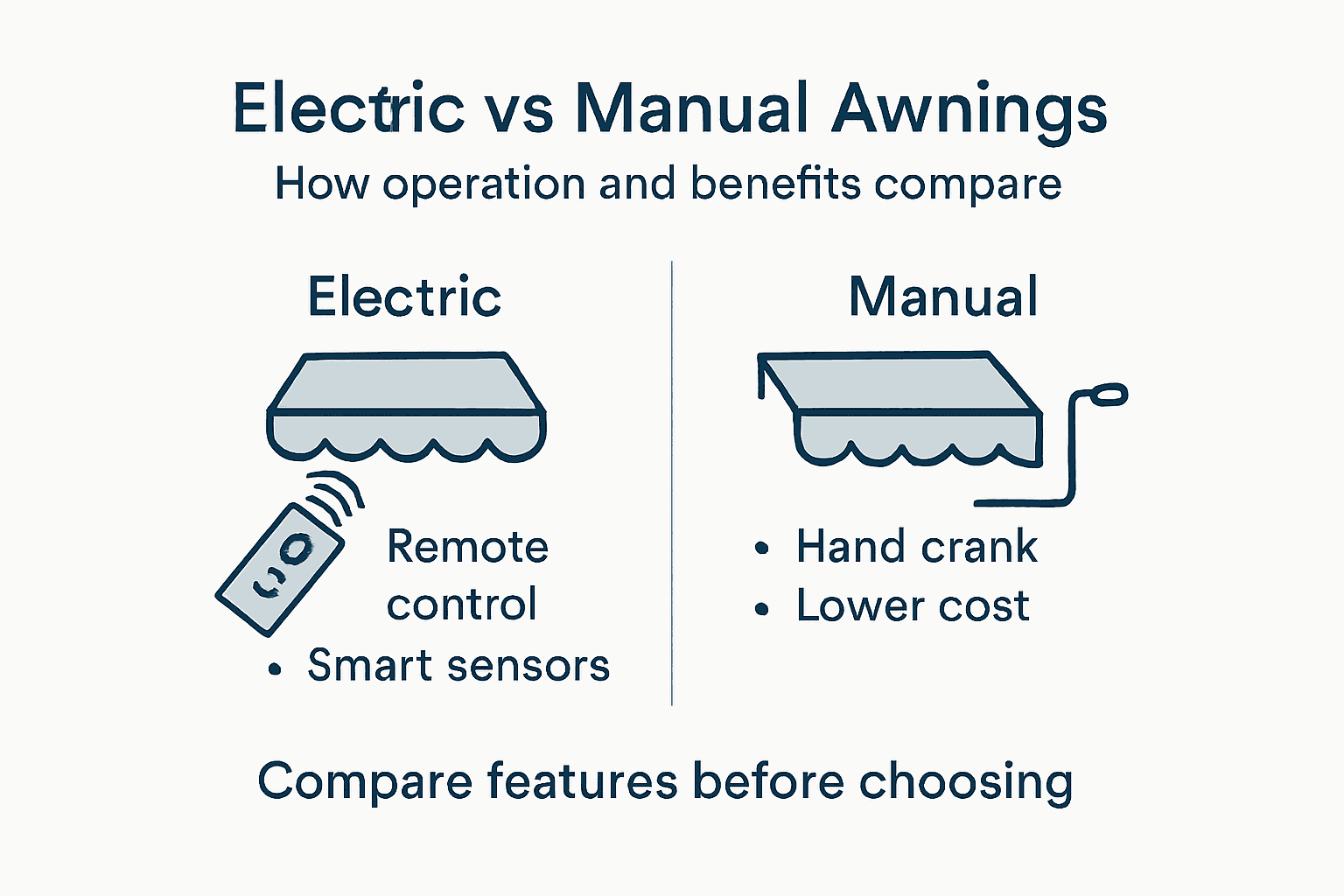
Choosing between electric and manual awnings involves carefully weighing various functional and practical considerations. Awning operation methods significantly impact user experience, with each type offering distinct advantages and potential limitations.
Key comparative aspects between electric and manual awnings include:
Convenience: Electric awnings provide push-button operation
Installation Complexity: Manual awnings have simpler setup requirements
Cost: Manual options typically have lower upfront expenses
Technological Integration: Electric awnings offer advanced sensor capabilities
Physical Effort: Manual awnings require direct human interaction
Operational Differences
Electric awnings excel in automated functionality, allowing instant shade adjustment through remote controls or smartphone applications. Manual awnings, conversely, demand physical effort and direct user engagement for extension and retraction, which can be challenging for elderly or mobility-impaired individuals.
Cost and Maintenance Considerations
The financial implications of each awning type are significant:
This table summarises the main cost and maintenance differences between electric and manual awnings:
Aspect | Electric Awnings | Manual Awnings |
Upfront Cost | Higher initial investment | More affordable entry price |
Installation Requirements | Requires professional electrician | DIY possible in most cases |
Ongoing Maintenance | Occasional electrical checks | Simple mechanical upkeep |
Ease of Use | Automated, minimal effort needed | Requires manual operation |
Repair Complexity | Specialist repairs may be required | Simple mechanical fixes |
Electric awnings have higher initial investment
Manual awnings present more affordable entry-level options
Electric systems require occasional electrical maintenance
Manual awnings need periodic mechanical lubrication and fabric care
Electrical components in electric awnings increase potential repair complexity
The choice between electric and manual awnings depends on individual preferences, budget constraints, and specific functional requirements.
Pro tip: Consider your long-term usage patterns and physical capabilities when selecting between electric and manual awning systems.
Costs, Maintenance, and Common Mistakes
Understanding the financial and maintenance landscape of electric awnings requires careful consideration of multiple factors. Electric awning maintenance requirements play a crucial role in determining long-term performance and overall investment value.
Typical cost considerations for electric awnings include:
Initial Purchase: £500 - £3,000 depending on size and features
Installation: £200 - £800 for professional fitting
Annual Maintenance: £100 - £250 for professional servicing
Electrical Component Replacement: £150 - £500 for motor or sensor repairs
Fabric Replacement: £300 - £1,000 every 5-10 years
Maintenance Best Practices
Regular maintenance is essential for preserving the functionality and appearance of electric awnings. This involves periodic cleaning of fabric surfaces, lubricating mechanical components, checking electrical connections, and ensuring weather sensors remain calibrated and responsive.
Common Installation and Usage Mistakes
Homeowners frequently encounter several potential pitfalls:
Incorrect mounting leading to structural damage
Neglecting regular cleaning and fabric treatment
Improper electrical connections
Failing to adjust for seasonal weather variations
Ignoring manufacturer’s recommended maintenance schedules
Proactive maintenance can significantly extend the lifespan of your electric awning and prevent costly repairs.
Pro tip: Create a dedicated maintenance calendar to track cleaning, inspections, and potential servicing requirements for your electric awning.
Discover Effortless Outdoor Comfort with Electric Awnings from Infinity Awnings
If you are ready to enhance your outdoor space with stylish, motorised shading solutions, Infinity Awnings is here to help. We understand the challenges of finding an electric awning that combines convenience, durability, and elegant design to protect your patio or commercial space from unpredictable British weather. With over 15 years of experience supplying and installing bespoke electric awnings across Yorkshire, Derbyshire, Nottinghamshire, and Lincolnshire, we offer expert guidance tailored to your needs.
Enjoy benefits like
Easy remote control operation for instant shade
Advanced sensors for weather protection
Customisable fabric and lighting options
Take the next step towards transforming your outdoor area today. Visit Infinity Awnings to explore our range of premium automatic awning solutions or get a free personalised quote. Don’t miss the opportunity to invest in comfort, style, and long-lasting quality that will elevate your home or business environment.
Learn more about our retractable awning designs and why so many customers trust us for their outdoor shading needs.
Frequently Asked Questions
What is an electric awning?
An electric awning is an automated outdoor shading solution that provides instant protection from sunlight and weather with the press of a button, featuring motorised operation and integrated sensors for enhanced functionality.
How does an electric awning operate?
Electric awnings operate through a motorised system that extends and retracts the fabric canopy. Users can control them via remote controls, wall switches, or smartphone applications, allowing for convenient shade adjustment.
What are the advantages of electric awnings compared to manual awnings?
Electric awnings offer automated functionality, reducing physical effort required for operation, incorporating smart technologies, and providing a streamlined user experience. Manual awnings require physical interaction for extension and retraction.
What maintenance do electric awnings require?
Electric awnings require regular maintenance including fabric cleaning, lubrication of mechanical parts, checks on electrical connections, and ensuring sensors remain operational. It is advisable to schedule professional servicing annually to maintain their functionality.
Recommended
Comments