
Electric awnings slash UK home heat gain by 77%

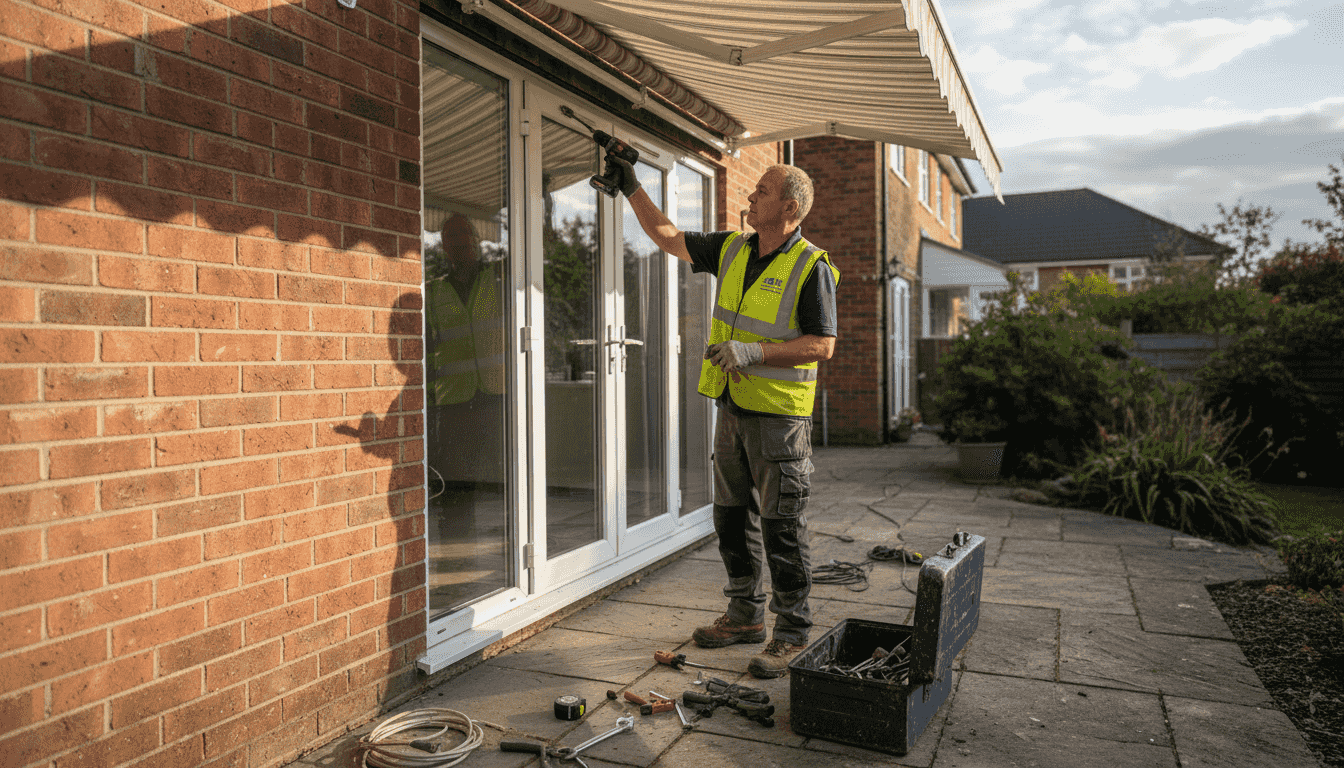
Electric awnings reduce solar heat gain by up to 77%, significantly lowering cooling costs for homes across Yorkshire, Derbyshire, Nottinghamshire, and Lincolnshire. This technology transforms outdoor spaces whilst cutting energy bills, yet many homeowners underestimate its value. This guide clarifies how electric awnings work, their benefits for UK weather, and practical tips for choosing the right solution for your home.
Table of Contents
Key takeaways
Point | Details |
Automated convenience | Electric awnings offer remote and smartphone control for effortless operation in all weather conditions. |
Energy savings | Reduce solar heat gain by up to 77%, cutting cooling costs and improving indoor comfort year round. |
Durability | Waterproof, UV-resistant fabrics withstand UK weather with minimal maintenance requirements. |
Property value | Custom electric awnings can increase home values by approximately 8% whilst enhancing aesthetics. |
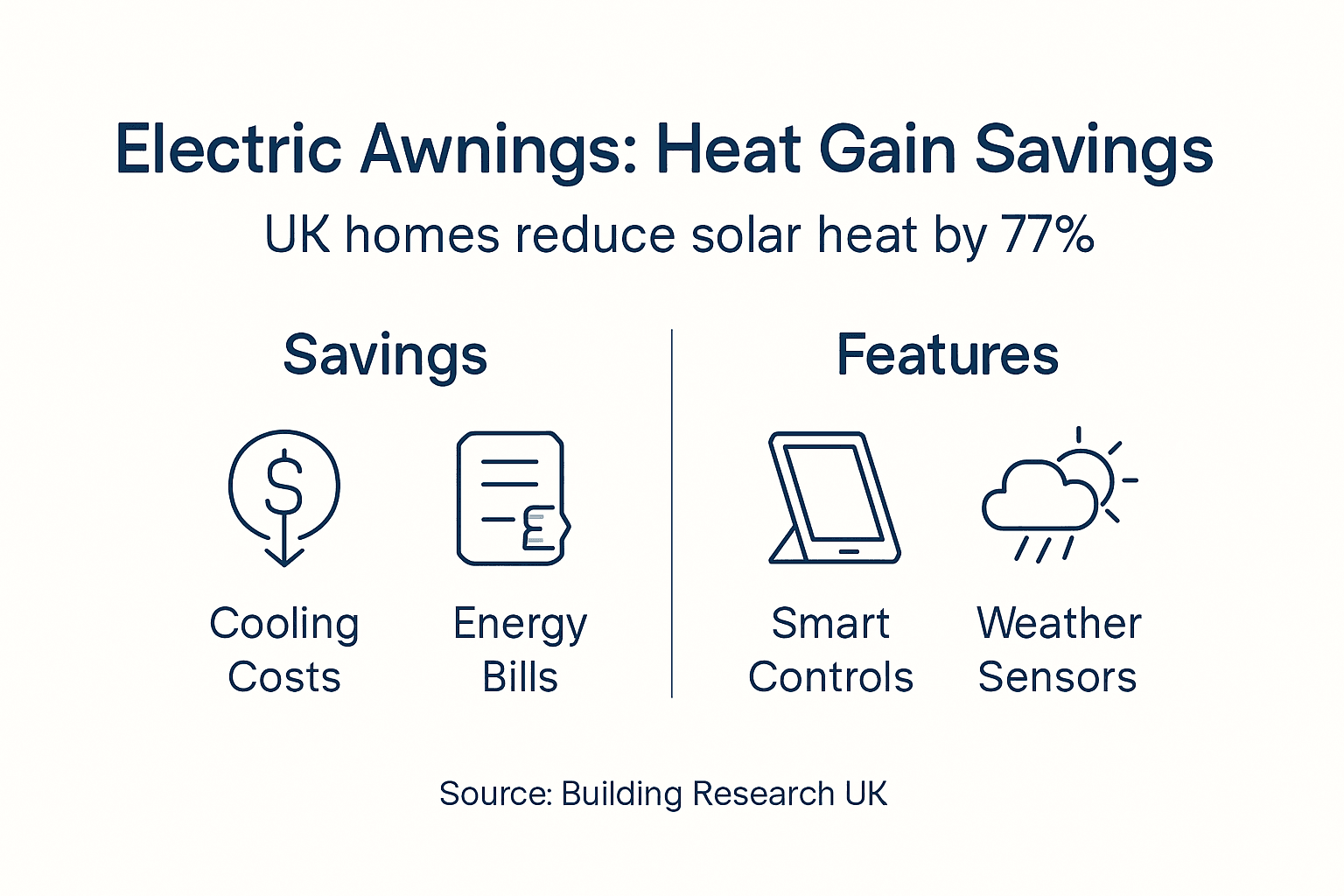
Smart technology | Weather sensors automatically retract awnings during rain or wind, protecting your investment. |
Understanding electric awnings: technology & design
Electric awnings bring motorised convenience to outdoor shading, transforming how UK homeowners control their patio environments. Unlike manual awning operation, these systems extend and retract at the touch of a button. Motorised retractable systems controlled by remote or smartphone apps eliminate the physical effort traditionally required for awning adjustment.
Modern electric awnings integrate seamlessly with smart home systems. You can schedule extensions based on sun position, activate shading from anywhere via mobile apps, or let weather sensors handle everything automatically. This technology suits busy homeowners who want reliable outdoor comfort without constant manual intervention.
Fabric selection proves crucial for UK conditions. Quality electric awnings feature waterproof acrylic or polyester fabrics that shed rain whilst blocking harmful UV rays. These materials resist fading, mould, and mildew, common concerns in Britain’s damp climate. Frame construction typically uses powder coated aluminium that resists corrosion from coastal salt air or industrial pollutants.
Customisation options extend beyond function:
Fabric colours and patterns matching your home’s exterior palette
Frame finishes coordinating with existing architectural elements
Projection depths accommodating various patio sizes
Valance styles adding decorative touches to the awning edge
Integrated LED lighting for evening ambiance
Electric heaters extending seasonal usability
This design flexibility ensures electric awnings complement rather than compromise your home’s aesthetic. The technology serves both practical weather protection and visual enhancement goals simultaneously.
Convenience and control benefits
Electric awnings eliminate the physical labour associated with traditional outdoor shading. Remote controls allow you to adjust your awning from indoor comfort, whilst smartphone apps enable control from anywhere. This matters during sudden weather changes when you’re away from home.
Weather sensor integration enables automatic retraction protecting awnings from damage during unexpected storms. These sensors detect wind speed and rainfall, retracting the awning before conditions cause harm. You gain peace of mind knowing your investment stays protected even when you’re not monitoring conditions.
Automation transforms daily routines. Programme your awning to extend each morning as temperatures rise, then retract at sunset. This consistency maintains comfortable outdoor temperatures without requiring your constant attention. Families appreciate returning home to perfectly shaded patios ready for immediate use.
The convenience advantages include:
One touch operation requiring no physical strength
Remote adjustment from anywhere inside your home
Smartphone control when you’re away at work
Scheduled automation matching your daily patterns
Weather responsive protection during sudden storms
Whisper quiet motors preserving outdoor tranquility
Pro Tip: Position your remote control near frequently used doors or windows for quickest access when weather conditions change rapidly.
These electric awning features particularly benefit elderly homeowners or those with mobility limitations. The technology democratises outdoor comfort, making premium shading accessible regardless of physical capability. This universal design principle adds significant practical value beyond mere convenience.
Energy efficiency and protection from elements
Electric awnings deliver measurable energy savings by managing solar heat before it penetrates windows and doors. Reducing solar heat gain by up to 77% substantially lowers indoor temperatures during summer months. This translates directly to reduced air conditioning usage and lower energy bills.
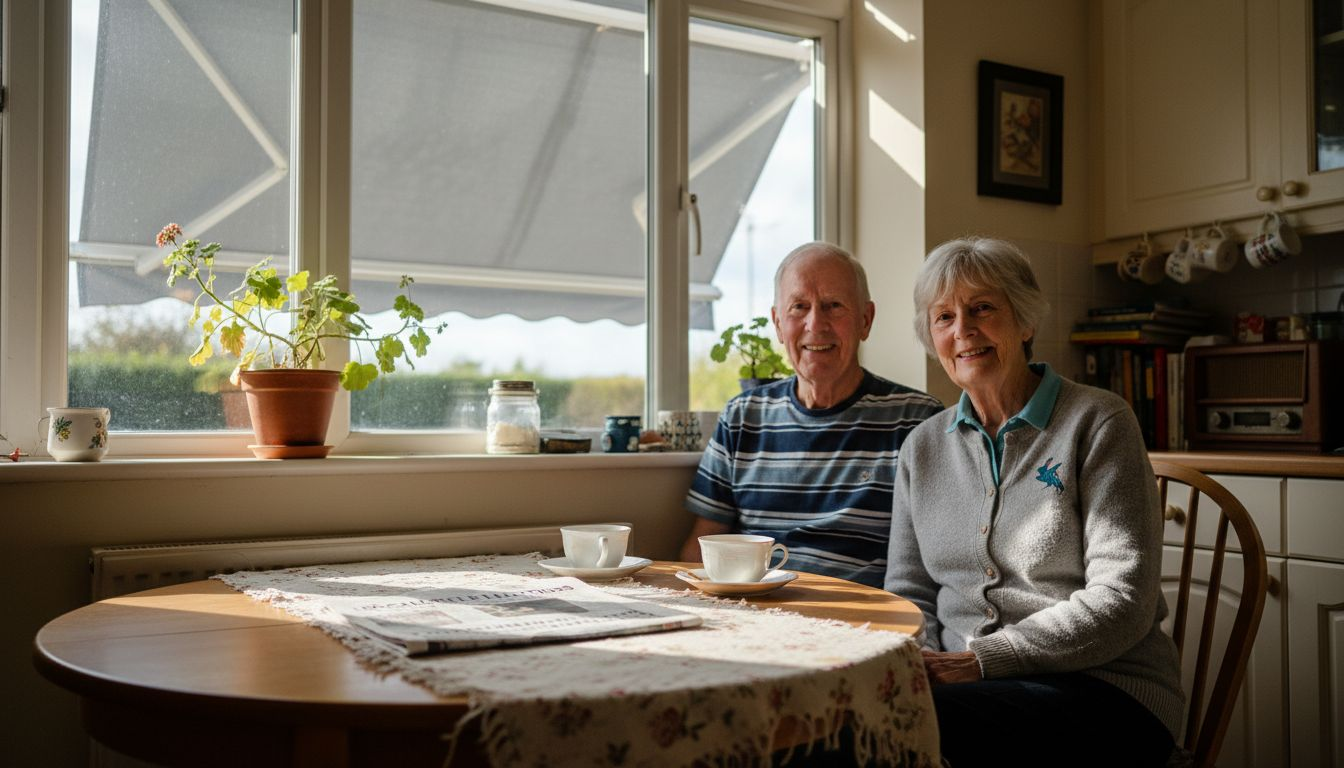
The shading mechanism works through strategic light blocking. When positioned over south facing windows or glass doors, awnings intercept sunlight before it converts to heat inside your home. This passive cooling reduces indoor temperatures by 5 to 10 degrees compared to unshaded spaces. The cumulative effect over summer months generates significant cost savings.
Waterproof fabrics protect outdoor furniture and flooring from UK rainfall. You can leave cushions, electronics, and decorative elements outside knowing the awning shields them from moisture damage. This extends the life of outdoor investments whilst reducing storage hassles.
UV resistant materials offer additional protection:
Block up to 98% of harmful ultraviolet radiation
Prevent fading of indoor carpets and furniture near windows
Protect skin during extended outdoor activities
Maintain fabric colour integrity for years
Energy savings accumulate through multiple mechanisms:
Benefit | Impact | Annual Savings |
Reduced cooling costs | 77% less solar heat gain | £150 to £300 |
Extended furniture life | UV and rain protection | £100 to £200 |
Lower maintenance | Automated weather response | £50 to £100 |
Property value increase | Enhanced kerb appeal | 8% home value boost |
These electric awnings energy efficiency benefits compound over time. Most installations pay for themselves within five years through combined energy savings and reduced replacement costs for outdoor items. The all weather awnings designation reflects their ability to perform across Britain’s variable climate conditions.
Durability and maintenance considerations
Electric awnings withstand UK weather through intelligent design and robust materials. Wind sensor technology automatically retracts awnings in adverse weather, preventing structural damage during storms. This protection mechanism extends awning lifespan significantly compared to manual systems that might remain extended during damaging conditions.
The automated retraction feature reduces fabric wear. Manual awnings often stay extended longer than necessary, exposing fabrics to UV degradation and mechanical stress. Electric systems retract when not needed, limiting exposure time. This preservation extends fabric life by years.
Maintenance requirements remain minimal with proper installation:
Clean fabric quarterly using mild soap and water to remove pollutants
Inspect mounting hardware annually for corrosion or loosening
Test motor function and sensor calibration each spring
Lubricate moving parts according to manufacturer specifications
Schedule professional servicing every two years for motor inspection
Check electrical connections for weather damage during routine inspections
UK weather demands specific material considerations. Coastal locations require marine grade aluminium frames resistant to salt corrosion. Urban areas benefit from fabrics with enhanced pollutant resistance. Rural settings might prioritise mould resistant treatments for frames exposed to agricultural dust.
Pro Tip: Retract your awning during winter months when not in use regularly, as this prevents ice accumulation that could damage the mechanism or fabric.
Professional servicing extends equipment life beyond DIY maintenance alone. Technicians identify worn components before they fail, replace ageing fabrics showing early degradation, and recalibrate sensors maintaining optimal weather response. These awning maintenance tips prevent costly emergency repairs.
The durability advantage of electric systems stems from reduced human error. Forgetting to retract a manual awning before a storm causes immediate damage. Automated systems eliminate this risk entirely. This reliability justifies the higher initial investment through reduced lifetime costs. Expert awning repairs and maintenance services ensure your investment performs optimally for decades.
Aesthetic and property value impacts
Electric awnings transform outdoor aesthetics whilst delivering measurable financial returns. Customised electric awnings can increase property values by approximately 8%, making them one of the highest ROI home improvements available. This value boost reflects both functional benefits and visual appeal.
Fabric selection drives aesthetic impact. Choose from hundreds of colours, patterns, and textures matching your home’s architectural style. Striped patterns suit traditional cottages, whilst solid colours complement modern designs. Textured fabrics add depth, and fade resistant pigments maintain vibrancy for years.
Integrated features extend design possibilities:
LED lighting strips illuminating evening gatherings
Electric heaters warming spring and autumn evenings
Valance styles adding decorative elements
Coordinated frame colours matching window trim
Custom logo printing for commercial applications
The aesthetic comparison between electric and manual systems:
Feature | Electric Awnings | Manual Awnings |
Frame profile | Sleeker, concealed motor | Bulkier, visible crank mechanism |
Fabric tension | Consistently tight via automation | Loosens over time without adjustment |
Clean lines | No external operating hardware | Crank handle protrudes visibly |
Lighting integration | Seamless electrical connection | Requires separate wiring |
Professional appearance | Premium, refined look | More utilitarian aesthetic |
Stylish awnings serve as architectural focal points. A well designed electric awning draws attention to outdoor living areas, framing patios as intentional extensions of indoor space. This visual integration appeals to prospective buyers viewing your property.
The property value increase stems from multiple factors. Buyers appreciate turnkey outdoor comfort, reduced future maintenance costs, and energy efficiency benefits. The modern technology signals a well maintained, updated home. Estate agents consistently note that quality outdoor improvements generate disproportionate interest during viewings.
Common misconceptions about electric awnings
Many homeowners hesitate due to outdated assumptions about electric awning systems. Understanding the reality helps you make informed decisions.
Cost concerns dominate initial objections. Whilst electric awnings cost more upfront than manual alternatives, electric awnings typically pay for themselves within five years through energy savings and increased property value. The 8% property value increase alone often exceeds installation costs. Energy savings compound annually, whilst manual awnings offer no financial return beyond basic shading.
Complexity fears prove largely unfounded. Professional installation ensures proper electrical integration without complicated DIY requirements. Modern systems connect to standard household circuits, requiring no specialised wiring in most cases. Smartphone apps feature intuitive interfaces anyone can master within minutes.
Common misconceptions debunked:
Electric systems require constant maintenance (reality: less than manual due to automated protection)
UK weather makes electric awnings impractical (reality: weather sensors and waterproof materials suit variable conditions perfectly)
Installation disrupts home extensively (reality: professional teams complete most installations within one day)
Motors fail frequently (reality: quality systems operate reliably for 10 to 15 years)
Programming proves too technical (reality: preset schedules require simple one time setup)
The UK climate suitability deserves special attention. Electric awnings actually perform better in variable weather than manual systems. Automation responds faster to sudden rain or wind than human monitoring allows. Waterproof fabrics and corrosion resistant frames handle damp conditions that might damage lesser quality manual awnings.
Maintenance comparison reveals another surprise. Manual awnings accumulate more wear because users often leave them extended longer than necessary. The physical cranking mechanism requires periodic lubrication and adjustment. Electric systems self protect through sensors, reducing long term maintenance costs substantially.
These electric awning facts clarify that perceived disadvantages often reflect outdated information or comparison with inferior products. Quality electric awnings from established manufacturers deliver reliable performance that exceeds manual systems across nearly every metric.
Practical tips for choosing and using electric awnings
Selecting the right electric awning requires matching product features to your specific situation. Matching awning features like fabric type and motor quality to local UK weather conditions ensures durability and performance. Start by assessing your outdoor space systematically.
Follow these steps for optimal selection:
Measure your patio dimensions accurately, including potential obstructions like downpipes or lighting fixtures that might interfere with installation
Track sun exposure patterns throughout the day to determine optimal positioning and projection depth requirements
Identify prevailing wind directions to position the awning for best protection and structural stability
Calculate your budget including installation costs, electrical work, and optional features like sensors or lighting
Research local planning requirements, as some conservation areas restrict external home modifications
Compare fabric options prioritising UK specific needs like waterproofing over purely decorative patterns
Verify installer credentials including insurance coverage and manufacturer certifications
Fabric selection proves critical for UK performance. Choose solution dyed acrylic fabrics that resist fading from limited British sunshine whilst handling frequent rain. Waterproof treatments prevent moisture penetration that could cause mould. UV protection ratings of 98% or higher protect both outdoor furniture and indoor spaces near windows.
Motor quality determines long term reliability. Select systems with thermal overload protection preventing motor burnout during extended use. Soft start mechanisms reduce mechanical stress, extending component life. Weather sensor integration should include both wind and rain detection for comprehensive protection.
Pro Tip: Schedule installation during spring or early summer when weather conditions allow proper testing of all automated features before peak usage season arrives.
Professional installation ensures compliance with building regulations and manufacturer warranties. Experienced installers familiar with Yorkshire, Derbyshire, Nottinghamshire, and Lincolnshire conditions understand local wind patterns and structural considerations. They verify electrical safety, test sensor calibration, and provide operation training.
These choosing electric awnings considerations prevent costly mistakes. Improper sizing reduces effectiveness, whilst inadequate weather protection leads to premature failure. Following this awning installation guide methodology ensures your investment delivers maximum value for decades.
Discover stylish electric awnings to enhance your home
Transform your outdoor living space with electric awnings designed specifically for UK homes. Our extensive range combines durability, style, and smart technology to deliver year round comfort. Whether you’re in Yorkshire, Derbyshire, Nottinghamshire, or Lincolnshire, we provide solutions tailored to your local climate and aesthetic preferences.
Experience the benefits of retractable awnings firsthand with professional guidance from our experienced team. We’ll help you select fabrics that withstand British weather whilst complementing your home’s architecture. Our electric systems include weather sensors, remote controls, and smartphone integration for effortless operation. Professional installation ensures optimal performance and warranty compliance, following proven methods detailed in our comprehensive awnings installation guide. Visit the Infinity Awnings website today to explore customisation options, request a free quote, and discover how electric awnings can enhance your property value whilst reducing energy costs.
Frequently asked questions about electric awnings
Are electric awnings difficult to operate daily?
Electric awnings feature intuitive controls requiring minimal effort. Remote controls allow one button operation, whilst smartphone apps enable adjustment from anywhere. Most homeowners master basic functions within minutes of installation.
Do electric awnings work reliably in UK weather?
Yes, quality electric awnings excel in British conditions. Weather sensors automatically retract during rain or strong winds, protecting the mechanism. Waterproof fabrics and corrosion resistant frames handle damp weather that challenges inferior products.
How much maintenance do electric awnings require?
Electric awnings need less maintenance than manual systems due to automated protection features. Quarterly fabric cleaning and annual hardware inspection suffice for most installations. Professional servicing every two years ensures optimal motor performance, as detailed in our awning maintenance guide.
What is the typical lifespan of an electric awning?
Properly maintained electric awnings last 10 to 15 years or longer. Quality motors operate reliably for over a decade, whilst fabrics typically require replacement after 8 to 12 years depending on UV exposure. Automated weather protection extends component life significantly.
Can I install an electric awning myself?
Professional installation is strongly recommended for electric awnings. Proper electrical integration, structural mounting, and sensor calibration require specialist knowledge. DIY installation risks warranty voidance, safety hazards, and suboptimal performance. Professional teams complete most installations within one day.
Do electric awnings increase home insurance costs?
Electric awnings rarely impact insurance premiums negatively. Some insurers recognise them as home improvements that increase property value. Inform your insurer about the installation, but expect minimal or no premium changes. The added property value typically exceeds any minor insurance adjustments.
Recommended
Comments