
How to Choose Awnings for Stylish Outdoor Shade UK

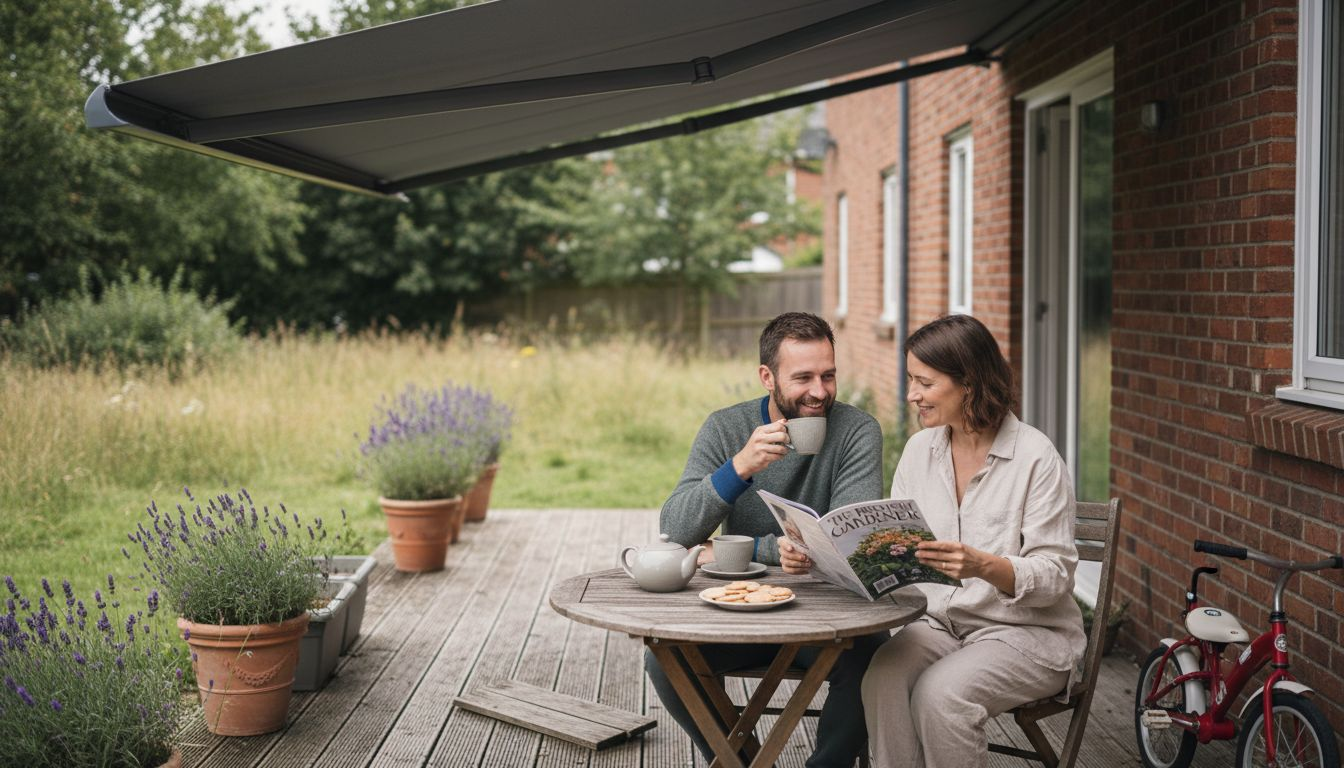
Finding the right awning for your Yorkshire home can feel overwhelming when you want both stylish looks and lasting durability. The outdoor climate demands careful material selection and thoughtful planning, while every garden or patio brings unique shading challenges. This guide highlights quality customization and professional installation so you can confidently create a comfortable, shaded outdoor area tailored to your property’s needs and lifestyle.
Table of Contents
Quick Summary
Key Point | Explanation |
1. Accurately measure your space | Precise width and projection measurements ensure the awning fits correctly and provides optimal shade coverage. |
2. Choose suitable awning type | Understand the different types of awnings to select one that complements your outdoor spaces and lifestyle needs. |
3. Select durable materials and finishes | Opt for high-quality fabrics and frames, considering weather resistance and maintenance, to ensure longevity and performance. |
4. Enhance with functional accessories | Consider adding motorised controls and lighting to elevate convenience and comfort in your outdoor space. |
5. Prioritise quality installation and care | Professional installation and regular maintenance are key to extending the life and effectiveness of your awning. |
Step 1: Assess your outdoor space and shading needs
Understanding your outdoor space requirements is crucial for selecting the perfect awning. Your first task involves carefully measuring and evaluating your exterior area to determine the ideal shading solution.
Start by conducting a comprehensive assessment of your outdoor environment. Measuring your space precisely will help you select an awning that provides optimal coverage. Here are key considerations:
Width measurements: Determine the total width where you want the awning installed
Projection depth: Calculate how far the awning needs to extend for complete shade
Solar orientation: Note your garden or patio’s sun exposure throughout the day
Obstacles: Identify any architectural features like windows, doors, or structural elements
Consider the specific activities you’ll conduct in this outdoor space. A dining area might require different shading compared to a lounging space. Some homeowners need comprehensive coverage, while others prefer partial shade zones.
Measure twice, install once: Accurate measurements prevent costly awning fitting mistakes.
Practical measurement tips:
Use a sturdy metal measuring tape for precision
Measure width at multiple points to account for uneven surfaces
Consider future furniture placement when determining projection
Expert tip: Take photographs of your outdoor space alongside your measurements to help awning professionals understand your specific requirements.
Step 2: Determine awning types and key features
Selecting the right awning requires understanding the various types available and their unique characteristics. Your goal is to match an awning type precisely to your outdoor living requirements and architectural style.
Choosing the right awning type depends on several crucial factors. The main awning categories in the UK market include:
Retractable awnings: Flexible shade solution with manual or motorised operation
Fixed awnings: Permanent structures providing consistent protection
Conservatory awnings: Specialised coverings for glass extensions
Freestanding awnings: Independent structures for gardens and patios
Each awning type offers distinct advantages. Retractable models provide adaptable shade control, allowing you to adjust coverage based on sunlight and weather conditions. Fixed awnings deliver consistent protection and can enhance architectural aesthetics.
Consider your specific outdoor environment: The perfect awning seamlessly integrates functionality with your home’s design.
Key features to evaluate when selecting an awning include:
Here’s a comparison of popular awning types and their best-fit environments:
Awning Type | Ideal Setting | Primary Benefit | Common Limitation |
Retractable | Patios and decks | Flexible shade adjustment | Higher cost |
Fixed | Entrances, windows | Permanent, weatherproof | Limited sun control |
Conservatory | Glass extensions | Heat reduction, UV block | Specialist installation |
Freestanding | Open gardens | Portable, non-intrusive | May require anchoring |
Weather resistance capabilities
Ease of operation
Material durability
Colour and design compatibility
Installation requirements
Consider the unique characteristics of your outdoor space. A small balcony might require a compact retractable design, while a large garden could benefit from a more substantial fixed structure.
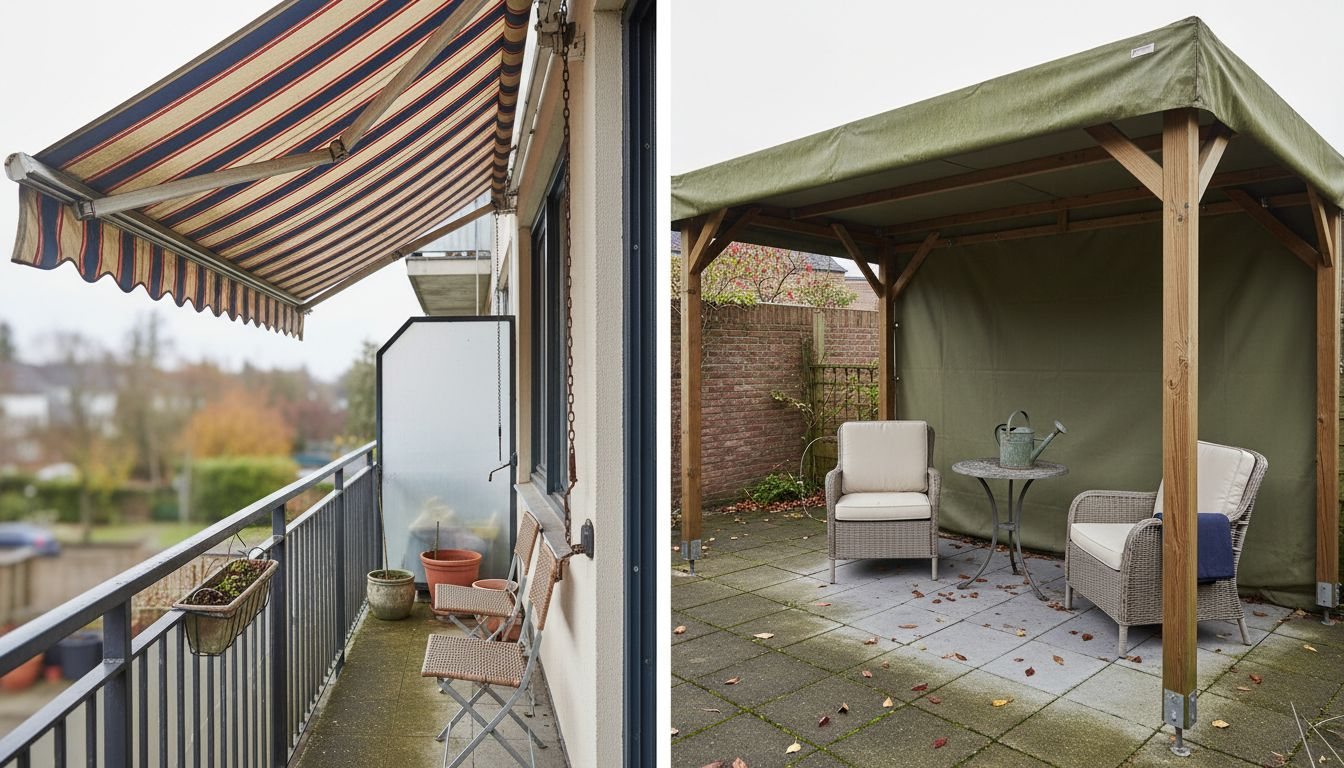
Expert tip: Always request fabric samples and examine how different materials perform under typical British weather conditions before making a final selection.
Step 3: Select materials, finishes, and operation modes
Choosing the right combination of materials, finishes, and operation modes can transform your awning from a simple shade solution to a sophisticated outdoor feature. Your selection will impact both the aesthetic appeal and long-term performance of your awning.
Awning material selection involves understanding the unique properties of different fabrics and frames. The primary material options include:
Canvas: Traditional, breathable material with classic appearance
Acrylic: Highly durable, colour-fast, and weather-resistant fabric
Aluminium: Lightweight frame material offering exceptional durability
PVC-coated textiles: Waterproof options with enhanced weather protection
Operation modes present another critical decision point. Modern awnings offer two primary options:
Manual operation: Cost-effective and simple mechanism
Motorised systems: Advanced control with potential smart home integration
Your awning’s materials and operation mode should reflect both your aesthetic preferences and practical requirements.
Finishes play a crucial role in protecting your investment. Protective coatings can significantly extend the lifespan of your awning, with options like powder coating for metal frames and water-resistant treatments for fabrics.
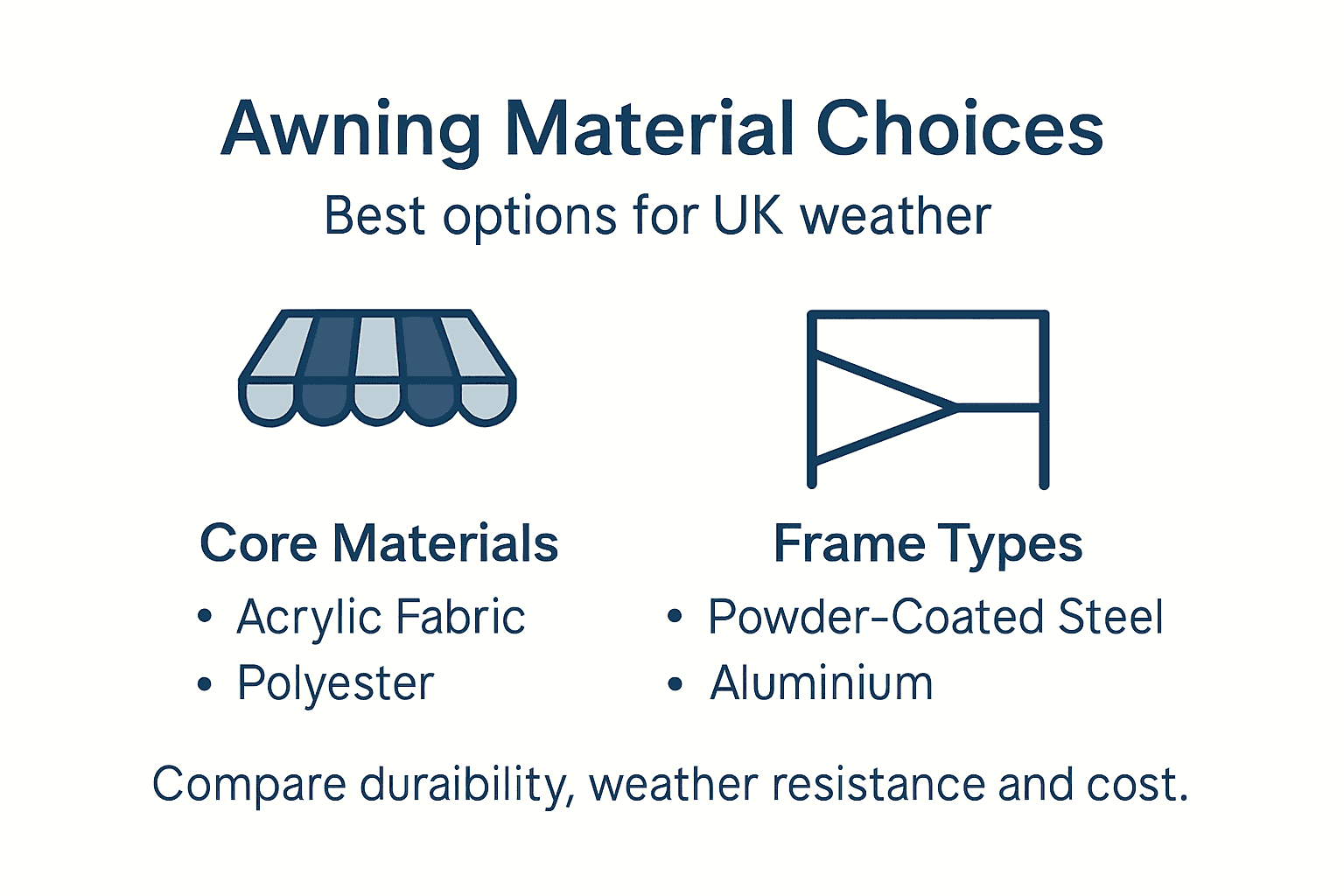
Below is an overview of common awning materials and their benefits:
Material | Main Attribute | Best Use Case | Notable Drawback |
Canvas | Classic appearance | Traditional homes | Prone to fading |
Acrylic | Highly durable | High-weather areas | More costly |
Aluminium | Corrosion resistance | Coastal environments | Can lack warmth visually |
PVC-coated | Fully waterproof | Rain-exposed settings | May feel less breathable |
Consider your specific environment when making selections. Coastal properties might require more corrosion-resistant materials, while urban settings might prioritise sleek, modern finishes.
Expert tip: Request material samples and examine their performance under direct sunlight and typical British weather conditions to ensure long-term satisfaction.
Step 4: Customise with accessories and enhancements
Transforming your awning from a basic shade solution to a sophisticated outdoor feature involves carefully selected accessories and intelligent enhancements. Your goal is to create a personalised outdoor space that reflects your lifestyle and functional requirements.
Awning accessory options provide remarkable opportunities to elevate your outdoor experience. The most compelling enhancements include:
Motorised controls: Enable seamless operation with remote or smartphone integration
LED lighting: Create ambient evening atmosphere
Weather sensors: Automatically retract during strong winds
Side panels: Add privacy and wind protection
Heating elements: Extend seasonal usability of outdoor spaces
Technology has revolutionised awning accessories, offering smart solutions that adapt to your environment. Modern enhancements can transform a simple shade structure into an intelligent outdoor living system.
Accessories are not just add-ons; they’re strategic investments in your outdoor comfort and functionality.
Consider your specific lifestyle when selecting enhancements:
Frequent entertainers might prioritise lighting and heating
Privacy-conscious homeowners could focus on side panel options
Tech enthusiasts might prefer fully automated systems
Your chosen accessories should complement both your awning’s design and your property’s architectural character. Integration is key to achieving a cohesive, sophisticated outdoor space.
Expert tip: Consult with professional installers to ensure compatibility and optimal performance of your selected accessories.
Step 5: Verify quality, installation, and aftercare
Ensuring the long-term performance and satisfaction of your awning requires a comprehensive approach to quality verification, professional installation, and ongoing maintenance. Your final step involves careful assessment and strategic planning to protect your investment.
Quality verification involves examining several critical aspects of your selected awning:
Material integrity: Check fabric strength and frame durability
Manufacturing standards: Confirm compliance with British outdoor product regulations
Warranty coverage: Understand comprehensive protection details
Performance guarantees: Review manufacturer’s promised specifications
Installation credentials: Verify installer’s professional certifications
Professional installation is paramount for optimal awning performance. Skilled technicians will ensure precise fitting, structural integrity, and correct operational mechanisms.
Meticulous verification protects your investment and guarantees years of reliable outdoor comfort.
Aftercare considerations are equally crucial for maintaining your awning’s longevity:
Schedule regular professional inspections
Clean fabric according to manufacturer’s recommendations
Lubricate mechanical components annually
Check for potential wear and tear
Store or protect during extreme weather conditions
Consider developing a maintenance relationship with your original installer. They can provide tailored advice specific to your awning’s design and your local environmental conditions.
Expert tip: Maintain a dedicated maintenance log to track your awning’s condition and preserve its warranty validity.
Discover the Perfect Awning Solution Tailored to Your Outdoor Space
Choosing an awning that combines style, durability, and practical shading can feel overwhelming. This article highlights key challenges like accurate measurement, selecting between retractable or fixed awnings, and choosing materials suited for the British climate. If creating a comfortable and elegant outdoor area free from sun and weather concerns is your goal then Infinity Awnings provides expert guidance and premium products designed to meet these needs across Yorkshire, Derbyshire, Nottinghamshire, and Lincolnshire.
Enhance your garden, patio, or commercial space with our customisable retractable awnings, pergolas and verandas. Benefit from over 15 years of experience, a broad selection of fabric options and the latest operation technologies including motorised controls and integrated lighting. Don’t wait to transform your outside area into a stylish and usable retreat. Get your free consultation now at Infinity Awnings and see how expert installation and quality materials deliver long-lasting comfort and value. To start, explore our range of outdoor shading solutions and let us help you design a perfect outdoor environment tailored to your exact requirements.
Frequently Asked Questions
How do I assess my outdoor space for awnings?
To assess your outdoor space, conduct a thorough measurement of the width and projection depth, evaluate solar orientation, and identify any obstacles like windows or doors. Measure multiple points to ensure accuracy and consider your intended activities, such as dining or lounging, to determine the appropriate shading needs.
What types of awnings are available for outdoor shade?
Awnings come in several types, including retractable, fixed, conservatory, and freestanding designs. Choose based on your environment and aesthetic preferences, such as a retractable awning for flexibility or a fixed awning for consistent shade.
How do I select materials for my awning?
When selecting materials for your awning, consider durability, weather resistance, and aesthetic appeal. Options include canvas, acrylic, aluminium, and PVC-coated textiles—evaluate the best fit for your local climate and desired look before making a decision.
What accessories can enhance my awning?
Enhancements for your awning include motorised controls, LED lighting, weather sensors, side panels, and heating elements. Customise your awning to suit your lifestyle, focusing on features like lighting for entertaining or weather sensors for automatic adjustments.
How can I ensure proper installation and maintenance of my awning?
To ensure proper installation, hire skilled technicians who can provide precise fitting and structural integrity. Schedule regular professional inspections and maintain a dedicated maintenance log to track your awning’s condition, which helps preserve warranties and extend lifespan.
What factors should I consider when choosing the operation mode for my awning?
When choosing an operation mode, consider ease of use and integration with your lifestyle. Manual options are cost-effective, while motorised systems provide convenience—evaluate your preferences and daily usage to make the best choice.
Recommended
Comments