
Outdoor shading explained: Yorkshire homes comfort 2026

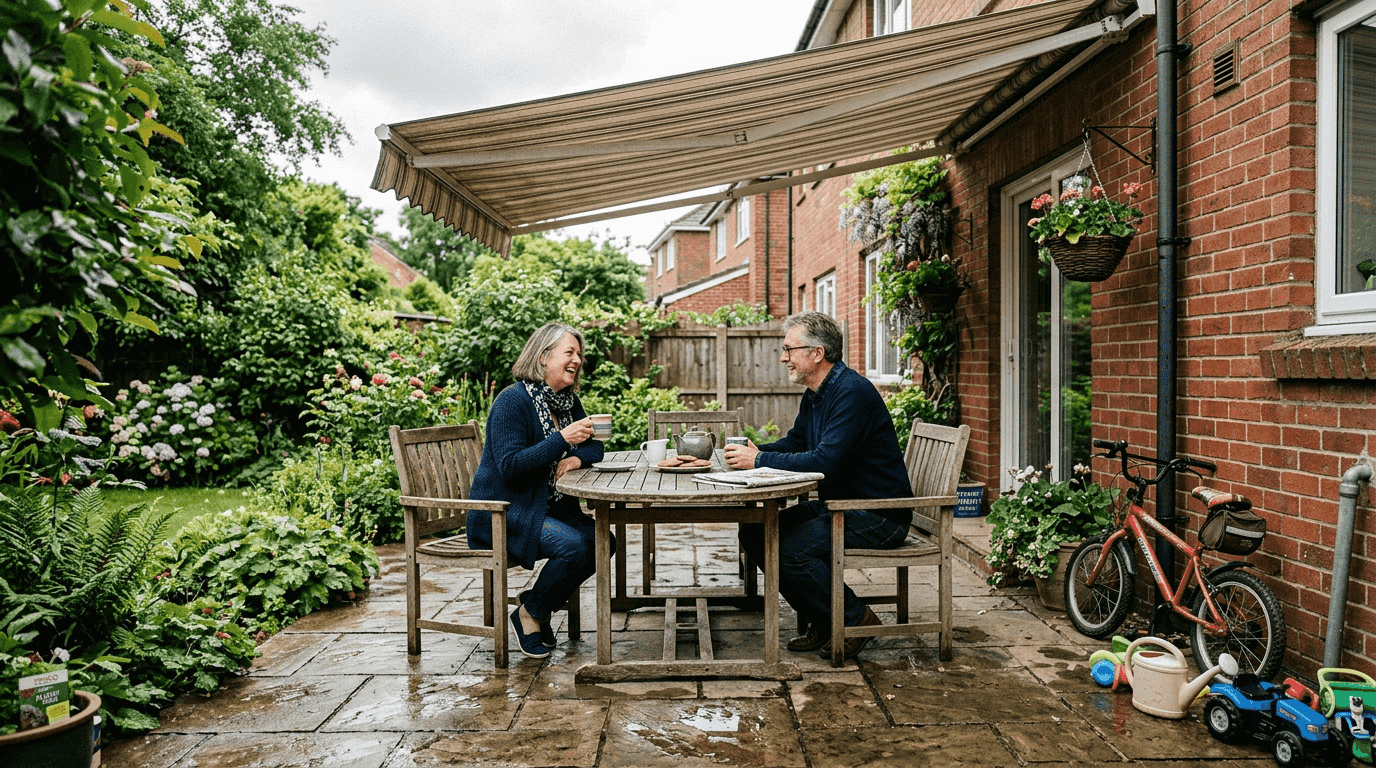
Many homeowners and business owners across Yorkshire, Derbyshire, Nottinghamshire, and Lincolnshire struggle to choose outdoor shading that truly suits their needs. You might think outdoor shading only blocks sun, but it transforms property value, slashes energy bills, and extends your outdoor season through unpredictable British weather. This guide cuts through the confusion, explaining awning types, pergola benefits, and maintenance essentials so you can make confident decisions. Whether you want stylish shelter for a garden terrace or weather protection for a commercial patio, understanding your options helps you invest wisely.
Table of Contents
Key takeaways
Point | Details |
Temperature control | Outdoor shading blocks up to 75% of solar heat, cooling interiors and reducing air conditioning costs significantly. |
Property value boost | Installing quality shading solutions can increase property value by up to 10%, appealing to buyers and tenants. |
Weather adaptability | Retractable awnings and louvred pergolas provide flexible shelter for the UK’s 133 annual rainy days. |
Maintenance matters | Regular cleaning and professional servicing extend lifespan and preserve performance of shading products. |
How outdoor shading transforms your property comfort and value
Outdoor shading delivers far more than simple sun protection. Awnings can reduce indoor temperatures by blocking up to 75% of solar heat, creating cooler interiors without cranking up air conditioning. This translates to lower energy bills and improved comfort during Yorkshire’s surprisingly warm summer days. You gain immediate relief while cutting costs.
Beyond temperature control, outdoor shading adds tangible financial value. Property improvements like awnings add up to 10% value, making your home or business more attractive to buyers and tenants. Outdoor spaces become functional extensions of indoor areas, boosting usable square footage and aesthetic appeal. Commercial properties particularly benefit, as cafes and restaurants can serve customers comfortably outdoors for longer periods.
Weather protection extends your outdoor season significantly. Rain and harsh sun no longer force you inside. Shading solutions shelter patios, terraces, and garden areas, letting you enjoy outdoor spaces through changing conditions. This proves especially valuable in our region’s unpredictable climate, where sunny mornings can turn to drizzle by afternoon.
Pro Tip: Position retractable awnings on south-facing walls to maximise heat reduction during peak summer months while allowing winter sun to warm your property naturally.
The benefits favour both residential and commercial properties:
Homeowners create comfortable outdoor living spaces for family gatherings and relaxation
Restaurants and cafes expand seating capacity and customer comfort
Hotels enhance guest experience with sheltered outdoor amenities
Schools provide shaded play areas protecting children from UV exposure
Choosing why install outdoor shading makes practical and financial sense. The initial investment pays dividends through energy savings, increased property value, and enhanced quality of life. You transform underutilised outdoor areas into year-round assets.
“Outdoor shading represents one of the most cost-effective property improvements, delivering immediate comfort benefits while building long-term value through enhanced aesthetics and functionality.”
Types of outdoor shading: awnings and pergolas explained
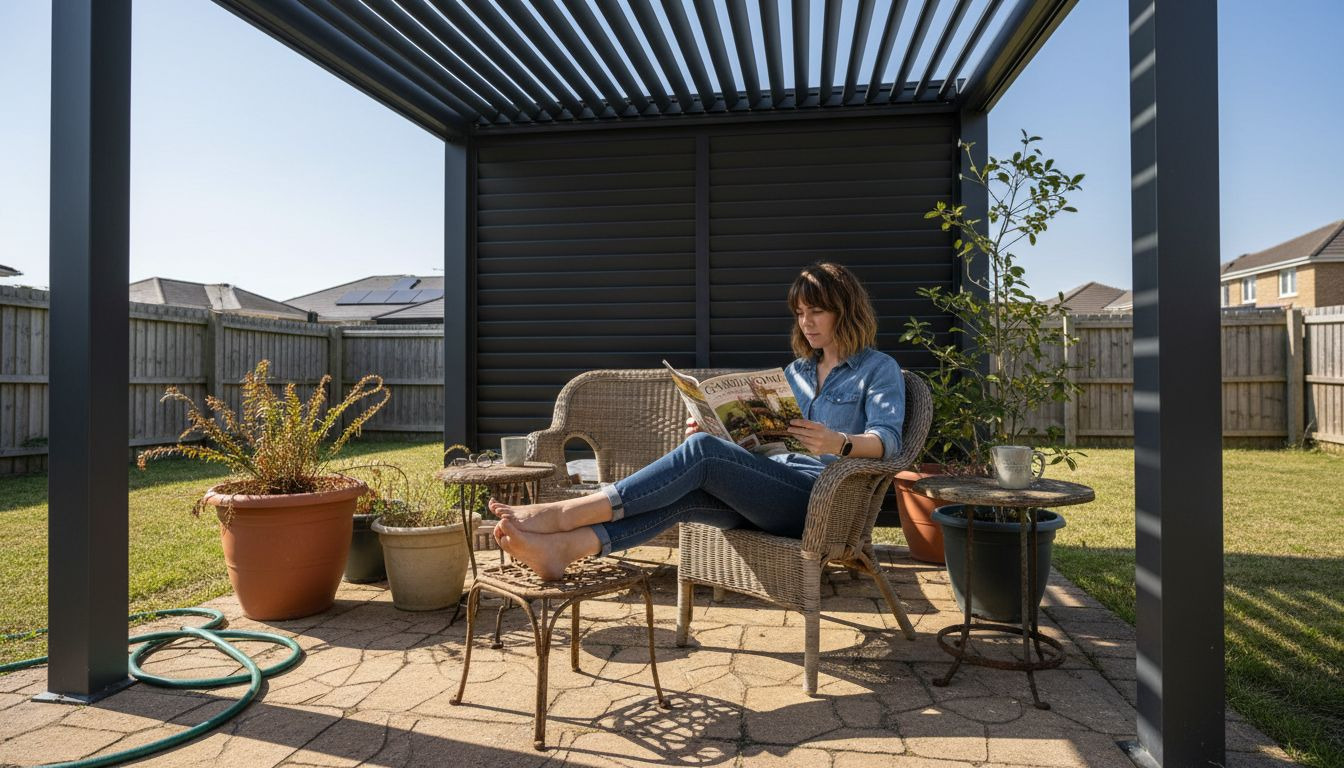
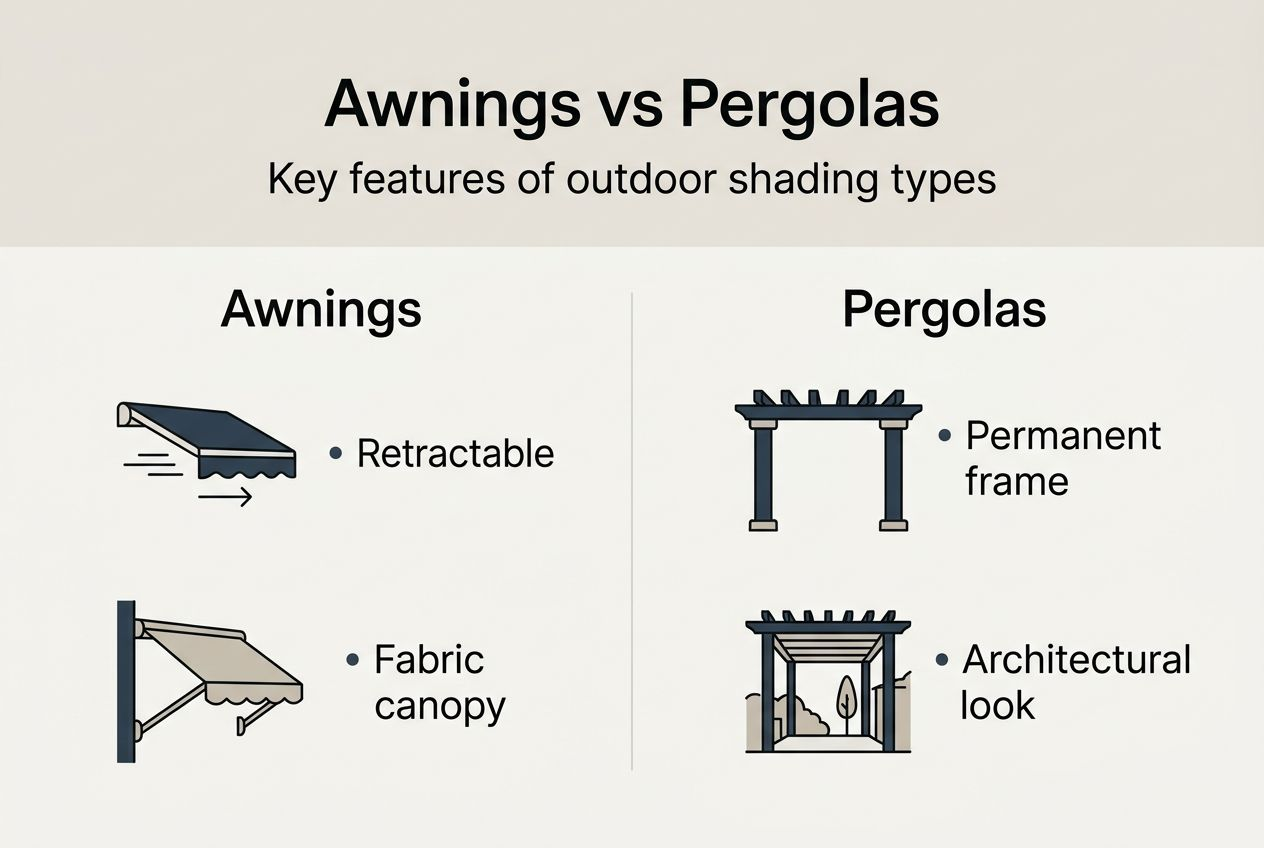
Awnings offer retractable, adjustable designs that let you control shade and sunlight throughout the day. You extend them when sun beats down, retract them when clouds roll in or during high winds. This flexibility suits variable British weather perfectly. Motorised options provide push-button convenience, whilst manual versions offer simplicity and lower costs.
Pergolas bring architectural appeal with permanent or semi-permanent structures that define outdoor spaces. They create visual interest, support climbing plants for natural beauty, and establish distinct outdoor rooms. Modern pergolas often feature louvred or retractable roofs, combining structural elegance with practical weather protection. Given the UK’s 133 rainy days annually, pergolas with adjustable canopies provide excellent rain shelter.
Feature | Awnings | Pergolas |
Structure | Fabric canopy attached to building | Freestanding or attached framework |
Flexibility | Fully retractable, adjustable angle | Fixed or louvred roof options |
Weather protection | Excellent sun blocking, moderate rain shelter | Superior rain protection with proper roof |
Aesthetic impact | Clean, modern lines | Architectural statement piece |
Maintenance needs | Fabric cleaning, motor servicing | Structure inspection, canopy care |
Maintenance requirements differ between types. Awnings need regular fabric care to prevent mould and maintain water resistance. Motorised mechanisms require occasional professional servicing to ensure smooth operation. Pergolas demand structural inspections, particularly after storms, plus cleaning of louvred roofs or retractable canopies.
Pro Tip: Choose awning fabrics with acrylic or solution-dyed materials for superior colour retention and weather resistance in our damp climate.
Your choice depends on several factors:
Style preference and property architecture
Desired level of weather protection
Budget for initial installation and ongoing maintenance
Space available and intended use
Retractable awnings excel for properties wanting maximum flexibility. You adapt quickly to weather changes whilst maintaining clean lines when retracted. Pergolas suit those seeking permanent architectural features that define outdoor living spaces. Many homeowners combine both, using awnings for immediate building-attached shade and pergolas for freestanding garden structures.
Choosing the right outdoor shading solution requires understanding these fundamental differences. Neither option is universally superior; each serves specific needs and preferences. Evaluate your priorities, climate exposure, and aesthetic goals before deciding.
Maintaining outdoor shading: tips for longevity and performance
Regular cleaning prevents dirt, pollen, and mould build-up that degrades fabrics and surfaces. You should clean awning fabrics every three to four months using mild soap and soft brushes. Avoid harsh chemicals that damage water-repellent coatings. Rinse thoroughly and allow complete drying before retracting to prevent mildew growth.
Motorised awnings require professional servicing of mechanical parts to ensure smooth operation and durability. Annual inspections catch worn components before they fail. Technicians lubricate moving parts, check electrical connections, and test sensors that retract awnings during high winds. This preventive approach saves money compared to emergency repairs.
Apply water-repellent coatings periodically on fabrics to maintain weather resistance. Even quality materials lose effectiveness over time through UV exposure and weather stress. Reapplication every two to three years keeps fabrics shedding water properly. This simple step significantly extends fabric lifespan and maintains appearance.
Pro Tip: Retract awnings during storms and heavy snow to prevent structural damage, even if you have wind sensors fitted as backup protection.
Follow this maintenance schedule for optimal performance:
Clean fabrics and frames every three to four months using gentle methods
Inspect all components before winter and after severe weather events
Schedule professional servicing annually for motorised systems
Reapply water-repellent treatments every two to three years
Address minor damage immediately to prevent escalation
Pergola maintenance focuses on structural integrity and canopy condition. Inspect joints and fixings annually, tightening loose bolts and treating any rust spots on metal frames. Wooden pergolas need periodic staining or sealing to resist moisture damage. Clean louvred roofs to prevent debris accumulation that blocks drainage.
Ignoring maintenance reduces lifespan substantially and increases repair costs. Small issues like loose fixings or minor fabric tears become major problems when neglected. You protect your investment through consistent, simple care routines. Maintain retractable awnings properly and they’ll serve you reliably for 10 to 15 years.
Keep detailed records of maintenance activities, including dates of cleaning, servicing, and repairs. This documentation helps identify patterns and plan future care. When selling your property, maintenance records demonstrate responsible ownership and add value. Professional awnings repair and maintenance services provide expert care that preserves warranties and ensures safety.
Choosing the right outdoor shading for Yorkshire, Derbyshire, Nottinghamshire and Lincolnshire properties
Local weather patterns should guide your shading choice. Our region experiences frequent rain and moderate sun, requiring waterproof, adjustable solutions. Retractable awnings offer maximum flexibility, letting you respond quickly to changing conditions. You extend them for sun protection or light rain, retract them during storms. This adaptability suits our unpredictable climate perfectly.
Stylish designs complement property architecture, enhancing curb appeal and enjoyment. Modern awnings come in hundreds of fabric patterns and colours, matching any aesthetic from traditional stone cottages to contemporary glass extensions. Pergolas create striking focal points, defining outdoor spaces whilst supporting your design vision. Choose finishes and materials that harmonise with existing features.
UV resistant fabrics block significant UV rays and reduce temperature in seating areas, protecting occupants during bright days. Quality canopies filter harmful radiation whilst allowing pleasant, diffused light. This creates comfortable outdoor environments without the harsh glare and heat of direct sun. Commercial properties particularly benefit, as customers linger longer in comfortable spaces.
Priority | Best Choice | Key Benefit |
Maximum flexibility | Retractable awning | Adapts instantly to weather changes |
Architectural impact | Louvred pergola | Creates defined outdoor room |
Budget conscious | Manual awning | Lower cost, reliable operation |
Rain protection | Pergola with solid roof | Superior shelter during downpours |
Easy maintenance | Acrylic fabric awning | Resists mould, retains colour |
Pro Tip: Opt for retractable awnings with wind sensors for automatic protection during sudden gusts common in our region.
Consider these factors when selecting outdoor shading:
Exposure to prevailing winds and typical weather patterns
Primary use (dining, relaxation, commercial service)
Available budget for installation and maintenance
Aesthetic preferences and property style
Desired level of automation and convenience
Commercial properties should prioritise durability and weather resistance. Hospitality venues need shading that performs reliably through busy seasons without constant attention. Residential properties can balance aesthetics with functionality, creating personal outdoor retreats. Outdoor shading examples UK demonstrate successful installations across various property types.
Don’t overlook additional features that enhance usability. LED lighting integrated into awnings extends evening use. Infrared heaters make spring and autumn evenings comfortable. Side screens provide wind protection and privacy. These extras transform basic shading into complete outdoor living solutions.
Consult experienced installers who understand regional conditions. They recommend appropriate solutions based on your specific site, considering orientation, exposure, and intended use. Professional installation ensures proper mounting, drainage, and operation. Quality workmanship prevents common problems like sagging fabrics, water pooling, and mechanical failures.
Discover tailored outdoor shading solutions with Infinity Awnings
Transforming your outdoor space starts with expert guidance and quality products. Infinity Awnings brings over 15 years of experience designing and installing outdoor shading across Yorkshire, Derbyshire, Nottinghamshire, and Lincolnshire. We understand regional weather challenges and architectural styles, delivering solutions that perform beautifully year after year.
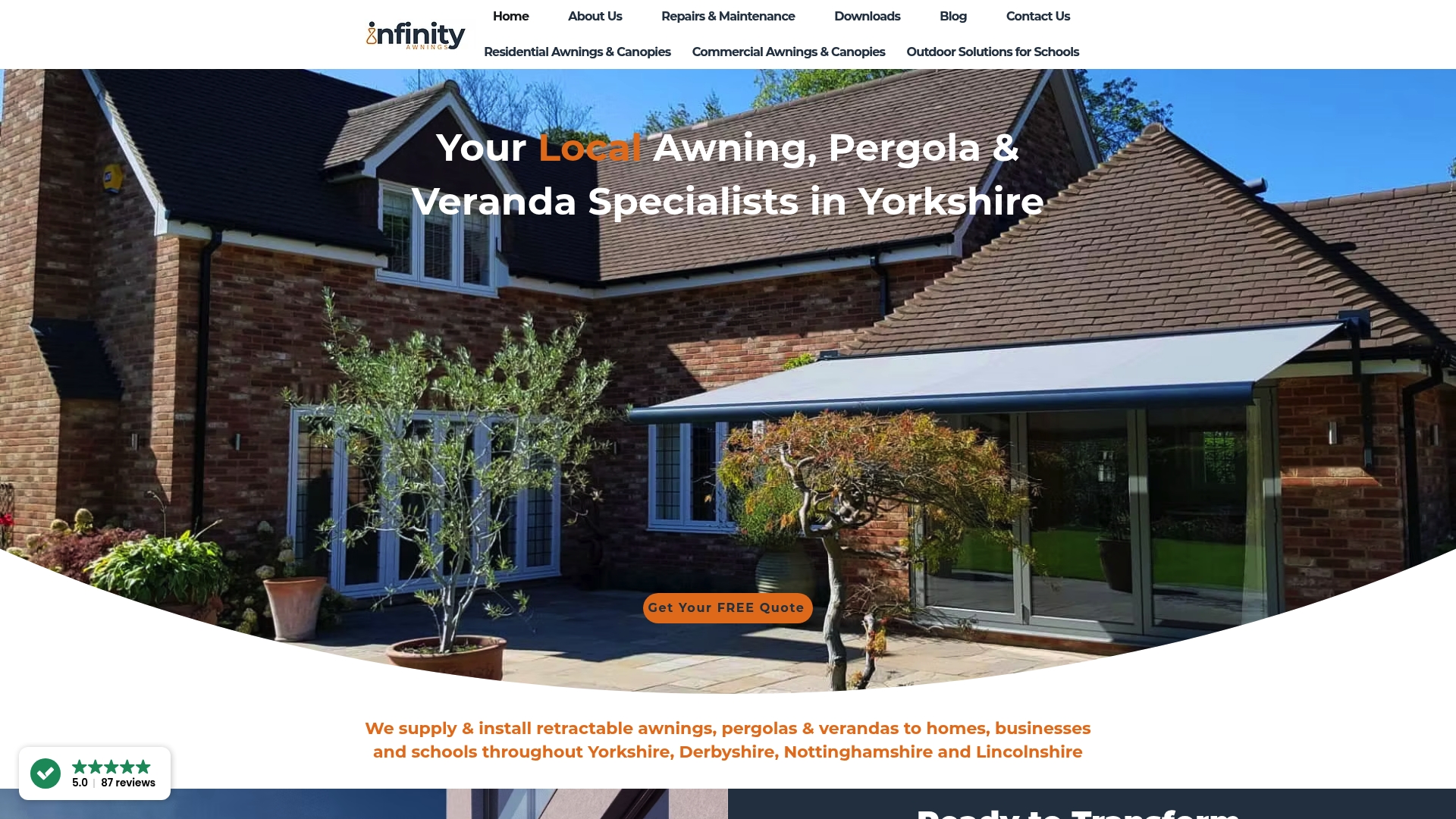
Our range includes premium retractable awnings and elegant pergolas featuring durable, UV-resistant fabrics from respected brands like Weinor, Llaza, and Selt. You choose from hundreds of patterns and colours, customising every detail to match your vision. Manual or electric operation, LED lighting, integrated heaters – we configure systems precisely for your needs.
Professional maintenance services keep your investment performing optimally. Our technicians provide thorough inspections, cleaning, and repairs that extend lifespan and preserve appearance. Visit Infinity Awnings to explore options, view completed projects, and request personalised consultations. We’ll help you create outdoor spaces you’ll enjoy for years to come.
Frequently asked questions
What is the difference between awnings and pergolas?
Awnings are fabric-covered, retractable shades attached to buildings, whilst pergolas are architectural structures with open or adjustable roofs that can support plants. They differ in appearance, shading style, and weather protection. Awnings provide flexible, on-demand shade, whereas pergolas create permanent outdoor rooms with distinctive visual appeal.
How much maintenance do outdoor shading products require?
Regular cleaning of fabrics and frame inspection is necessary; motorised awnings need occasional professional servicing to ensure reliable operation. Maintenance frequency depends on usage and weather exposure. Most homeowners spend a few hours quarterly on basic cleaning, with annual professional servicing for motorised systems costing modest amounts compared to replacement.
Can outdoor shading withstand the UK’s rainy climate?
Many pergolas feature louvred or retractable roofs for effective rain protection during typical British weather. Water-resistant fabrics and coatings on awnings also offer good shelter in light to moderate rain. Quality installations with proper drainage handle our climate well, though retracting awnings during severe storms prevents damage.
How long do outdoor shading products typically last?
Properly maintained awnings last 10 to 15 years, whilst pergolas can serve 20 years or longer with appropriate care. Lifespan depends on material quality, installation expertise, weather exposure, and maintenance consistency. Investing in premium fabrics and professional installation maximises durability and performance over time.
Do I need planning permission for outdoor shading?
Most residential awnings and pergolas fall under permitted development rights, requiring no planning permission if they meet size and placement guidelines. Commercial installations or properties in conservation areas may need approval. Consult your local planning authority before installation to ensure compliance with regulations.
Recommended
Comments