
Outdoor Shading Guide 2026: Cut Energy Costs 25% Yorkshire

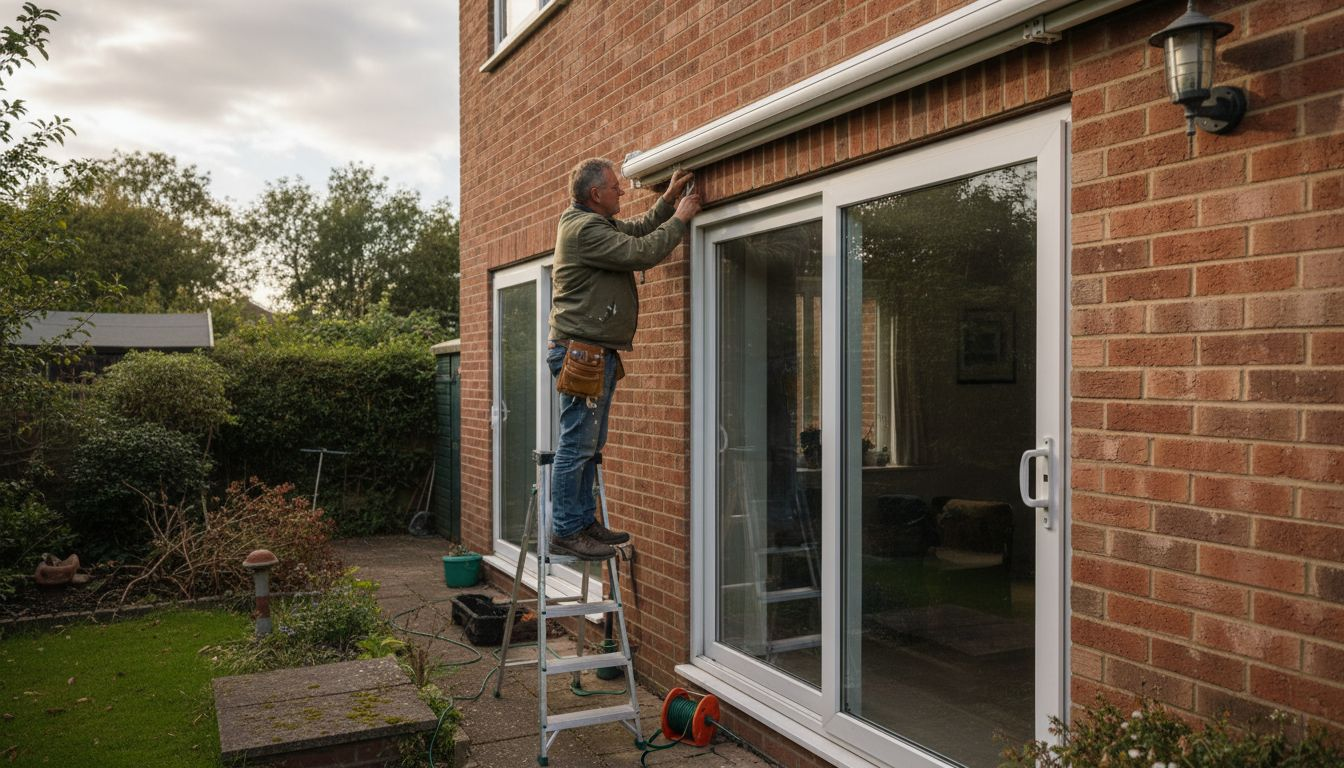
Summer heat and glaring sun make your outdoor space unbearable. Without effective outdoor shading, by the mid-2030s, 90% of UK homes could suffer overheating. Proper shading is not just about comfort; meeting UK building regulations Part L and Part O requires it. This guide walks homeowners and business owners in Yorkshire, Derbyshire, Nottinghamshire, and Lincolnshire through selecting, installing, and maintaining outdoor shading solutions that reduce energy bills, prevent regulatory fines, and transform outdoor areas into year-round havens.
Table of Contents
Key Takeaways
| Point | Details | |-------|---------|| | Energy Savings | Effective outdoor shading reduces solar heat gain by up to 70%, cutting cooling costs by 10-25%. | | Installation Investment | Professional installation typically costs £900–£3,800 and takes 2–8 hours depending on complexity. | | Smart Automation | Motorised awnings with sensors increase lifespan by 30% versus manual systems in variable UK weather. | | Maintenance Matters | Regular cleaning and inspections extend shading lifespan beyond 15 years in UK conditions. | | Regulatory Compliance | Compliance with UK Part L and Part O regulations is essential for avoiding fines and ensuring safety. |
Introduction to Outdoor Shading and Its Importance
The UK climate is warming faster than many realise. Homes and businesses across Yorkshire, Derbyshire, Nottinghamshire, and Lincolnshire face increased overheating risk as summers intensify. By mid-2030s, 90% of UK housing stock will suffer overheating without shading, turning once comfortable spaces into heat traps.
Building Regulations Part L (conservation of fuel and power) and Part O (overheating mitigation) now mandate shading measures for new builds and major renovations. These rules aim to reduce energy consumption and protect occupant health. Proper shading is both a comfort solution and a legal compliance measure that commercial property owners and homeowners must address.
Effective outdoor shading delivers multiple benefits:
Blocks direct sunlight before it penetrates windows, reducing indoor heat gain
Lowers reliance on air conditioning, cutting energy bills by 10-25%
Extends usability of patios, terraces, and commercial outdoor areas
Protects furniture, flooring, and interior finishes from UV damage
“Shading is the most cost-effective passive cooling strategy available to UK property owners. It addresses overheating at the source rather than treating symptoms with expensive cooling systems.”
Whether you run a restaurant patio in Nottingham or manage a residential property in Sheffield, understanding outdoor shading fundamentals ensures you make informed decisions that deliver comfort, compliance, and long-term value.
Prerequisites: What You Need Before Starting Your Outdoor Shading Project
Rushing into shading installation without proper preparation leads to costly mistakes and disappointing results. Early shading design avoids costly retrofits and improves effectiveness, so invest time upfront to get foundations right.
Start with a structural assessment. Walls, fascias, and mounting points must support shading weight and wind loads. Older properties may need reinforcement before installation. Hire a structural engineer if you have doubts about load-bearing capacity, especially for large commercial awnings spanning six metres or more.
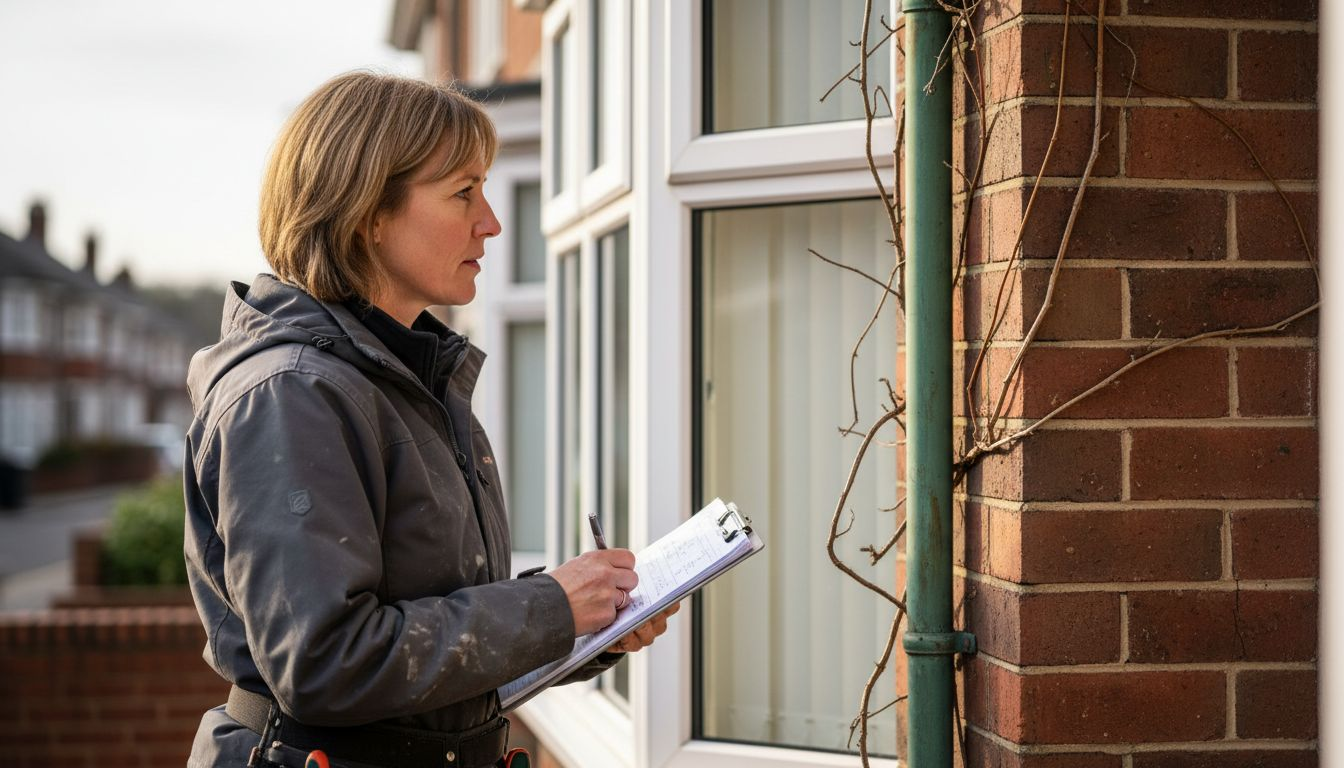
Verify local planning permissions and building regulations compliance. Most domestic awnings under certain dimensions fall under permitted development, but commercial installations and conservation areas have stricter rules. Contact your local planning authority early to confirm requirements for Part L and Part O compliance. This step prevents enforcement notices and costly removal orders.
Set a realistic budget that covers:
Product cost (awning, pergola, or blind system)
Professional installation labour
Electrical work for motorised systems
Contingency fund (10-15% of total) for unexpected structural issues
Consider electrical supply feasibility if you want motorised shading. Running power to mounting locations may require buried cable or external conduit. Plan routes that meet UK wiring regulations and maintain property aesthetics.
Pro Tip: Schedule your shading project for spring or early autumn when weather is stable and installers have more availability. Summer bookings fill fast, and winter conditions complicate exterior work.
Gather awning planning considerations including measurements, photos of mounting areas, and a clear list of your functional priorities. Do you need rain protection, sun blocking, or both? Will the space be used year-round or seasonally? Clear goals help installers recommend optimal solutions.
Types of Outdoor Shading Solutions and How to Choose
The outdoor shading market offers diverse options, each suited to specific needs and budgets. Understanding differences helps you select the right system for your Yorkshire, Derbyshire, Nottinghamshire, or Lincolnshire property.
Shading Type | Best For | Key Advantage | Typical Cost |
Manual Retractable Awnings | Budget-conscious residential | Lower upfront cost | £900-£1,500 |
Motorised Awnings with Sensors | All-weather commercial and residential | £2,000-£3,800 | |
External Vertical Blinds | Large glazing protection | Maximum solar control | £1,800-£3,200 |
Retractable Pergolas | Year-round outdoor rooms | Weather-resistant louvred roofs | £3,500-£8,000 |
Manual retractable awnings offer simplicity and affordability. You crank them open when needed and retract during high winds. They work well for small patios and occasional use but require physical effort and vigilance during weather changes.
Motorised awnings with wind sensors provide convenience and protection. Sensors automatically retract the awning when wind speed exceeds safe limits, preventing damage. Remote controls and smartphone integration make operation effortless. The higher upfront investment pays off through extended lifespan and reduced maintenance calls.
External vertical blinds excel at protecting large glass walls and south-facing windows. Side channels guide the fabric, maintaining tension even in breezy conditions. They are ideal for commercial buildings, conservatories, and modern homes with extensive glazing.
Retractable pergolas transform outdoor spaces into functional rooms. Louvred roofs tilt to control sunlight and ventilation, while full closure provides rain protection. Premium models include integrated LED lighting and infrared heaters for evening use.
Material choices significantly impact durability and performance. Aluminium frames resist corrosion in UK weather and require minimal maintenance. Powder-coated finishes add colour while protecting against UV degradation. Awning fabrics should be waterproof, fireproof, and UV-resistant. Acrylic and polyester blends offer excellent longevity and colour retention.
Pro Tip: If your property faces prevailing westerly winds common in Yorkshire and Lincolnshire, prioritise motorised systems with wind sensors. Manual systems risk damage if you forget to retract during sudden gusts.
Match shading type to use case. Selecting outdoor awnings for a residential patio differs from choosing commercial-grade solutions for a restaurant terrace. Residential installations typically prioritise aesthetics and seasonal use, while commercial spaces need robust, low-maintenance systems that operate daily.
Step-by-Step Installation Process
Professional installation ensures safety, compliance, and optimal performance. Follow these sequential steps for successful outdoor shading setup.
Conduct Site Survey and Take Precise Measurements. Visit the installation location with your installer to confirm dimensions, mounting points, and clearance requirements. Measure width, projection, and height accurately. Account for obstacles like downpipes, lights, and window frames.
Verify Structural Integrity. Check wall or fascia construction to confirm it can support the shading system. Brick walls typically provide excellent support. Timber fascias may need reinforcement with steel brackets. Document findings and plan fixing methods.
Align Product Choice with Requirements. Based on measurements and structural assessment, finalise your shading selection. Confirm fabric colour, frame finish, and control options (manual, remote, or smartphone). Order any electrical components needed for motorised systems.
Execute Professional Installation. Installers mount brackets using appropriate fixings for your wall type. They level the awning frame, tension the fabric, and connect electrical controls if applicable. Installation typically takes 2 to 8 hours, depending on system size and complexity.
Test Operation and Safety Features. Once mounted, test full extension and retraction multiple times. Verify wind sensors trigger automatic retraction at safe thresholds. Check electrical connections meet UK wiring standards. Confirm smooth, quiet operation without binding or unusual noises.
Installation Phase | Duration | Professional Cost |
Site Survey | 30-60 min | Often included |
Structural Prep | 1-2 hours | £150-£400 |
Mounting & Setup | 2-6 hours | £500-£2,000 |
Electrical (if motorised) | 1-3 hours | £250-£800 |
Testing & Handover | 30 min | Included |
Budget for installation costs ranging £900–£3,800 including materials and labour. Larger commercial systems at the high end, smaller residential awnings at the lower.
Pro Tip: Request a written installation warranty covering workmanship for at least 12 months. Reputable installers guarantee their work and return to address any issues arising from installation errors.
Understanding awning installation basics helps you evaluate quotes and spot potential shortcuts. Proper installation is not negotiable for safety and longevity. The comprehensive approach to outdoor shading requires patience and attention to detail.
Common Mistakes and Troubleshooting During Installation
Even experienced installers occasionally encounter challenges. Awareness of frequent errors helps you avoid them or address issues quickly.
Ignoring structural support requirements causes the most serious failures. 15% of non-professional installations suffer structural support failures within the first two years. Inadequate fixings pull free during wind events, damaging property and creating safety hazards. Always use fixings rated for expected loads and appropriate for your wall construction.
Failure to follow planning permission and building regulations leads to enforcement action. Local authorities can issue removal notices if installations breach regulations or planning conditions. Commercial properties face additional scrutiny regarding accessibility, fire safety, and public liability. Confirm compliance before starting work, not after complaints arise.
Incorrect fabric tension and frame alignment reduce lifespan and aesthetics. Over-tensioned fabric tears at stress points. Under-tensioned fabric flaps in wind, accelerating wear. Frames must be level to ensure smooth operation and even fabric roll. Small alignment errors compound over time, causing premature mechanical failure.
“The difference between a 10-year awning and a 20-year awning often comes down to installation quality. Proper tensioning, secure fixings, and attention to manufacturer specifications separate professional results from amateur attempts.”
Troubleshooting tips for common installation errors:
If fabric bunches unevenly when retracting, adjust roller tension according to manufacturer instructions
If the awning sags in the middle, verify bracket spacing and add intermediate support if needed
If motor operation is noisy or jerky, check power supply voltage and motor mounting alignment
If water pools on fabric instead of shedding, increase pitch angle by adjusting bracket positions
Manufacturer guidelines provide specific torque settings, bracket spacing, and adjustment procedures. Follow them precisely. When in doubt, contact the manufacturer’s technical support before making modifications. Professional installation warranties typically become void if you attempt DIY adjustments.
Maintenance, Safety, and Longevity of Outdoor Shading
Proper maintenance extends shading lifespan and maintains optimal performance. High-quality materials with yearly maintenance can last 15+ years in UK weather conditions.
Annual cleaning removes dirt, pollen, and organic matter that degrade fabric and promote mould growth. Use mild soap, soft brushes, and low-pressure water. Avoid harsh chemicals that damage waterproof coatings. Clean in spring and autumn for best results. Allow fabric to dry completely before retracting to prevent mildew.
Inspect mechanical components twice yearly. Check bracket fixings for tightness, especially after winter storms. Lubricate moving parts with appropriate products recommended by the manufacturer. Examine fabric for tears, weak spots, or UV damage. Early detection allows small repairs before major replacement becomes necessary.
Motorised systems require additional safety checks. Verify wind sensors respond correctly by testing in light breeze conditions. Inspect electrical connections for corrosion or damage. Confirm limit switches stop extension and retraction at correct positions. Maintaining retractable awnings includes these electrical safety steps.
Watch for these warning signs:
Fabric fading or becoming brittle indicates UV damage and reduced waterproofing
Frame corrosion suggests coating failure requiring immediate attention
Unusual noises during operation signal mechanical wear or misalignment
Slow or inconsistent motor response may indicate electrical issues
Pro Tip: Retract awnings during winter months if you live in areas prone to snow accumulation. Even small snow loads stress frames and fabrics beyond their design limits. Spring deployment gives you a chance to inspect for winter damage.
High-quality awnings resist fire, water, and weather damage when properly maintained. Premium brands like Weinor, Llaza, and Selt incorporate materials tested to UK and European standards for durability and safety. Investing in quality upfront reduces lifetime maintenance costs and replacement frequency.
Schedule professional servicing every 2-3 years for motorised systems. Technicians can diagnose developing issues before they cause failures, recalibrate sensors, and update control systems. This preventive approach maximises your investment and ensures reliable operation when you need it most.
Expected Results and Benefits After Installation
Proper outdoor shading installation delivers measurable improvements to comfort, energy efficiency, and property value.
Shading can reduce solar heat gain by up to 70%, preventing indoor overheating without air conditioning. This passive cooling approach addresses the root cause rather than treating symptoms. Rooms behind shaded windows remain 3-5°C cooler during peak summer heat, improving comfort and productivity.
Energy demand for cooling reduces by 10-25%, lowering electricity costs and carbon footprint. Commercial properties see the greatest savings because their operating hours align with peak solar gain periods. Residential properties benefit from reduced evening cooling needs and lower humidity levels.
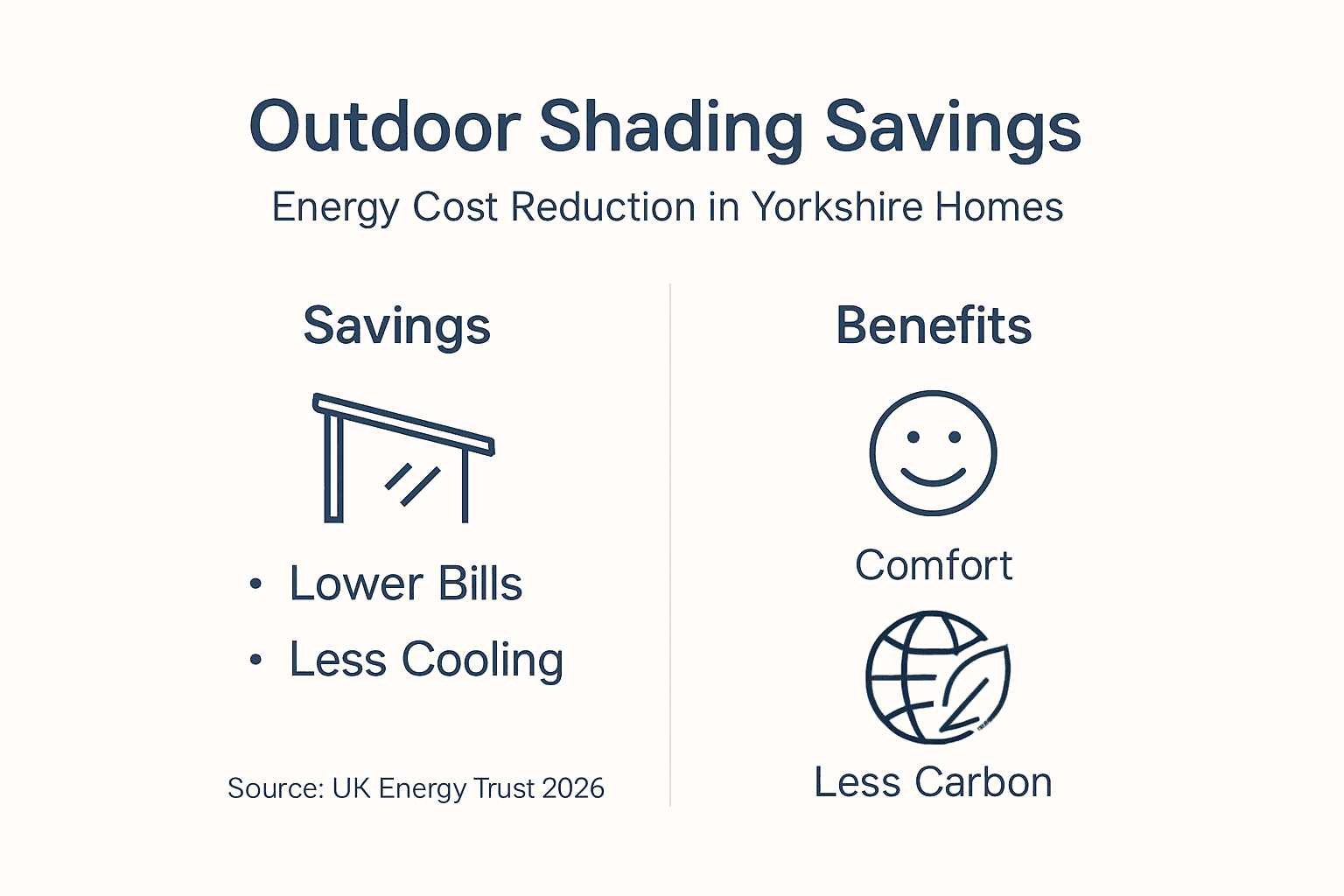
Enhanced outdoor space usability extends functional areas year-round. Patios and terraces become comfortable during summer heat and viable during light rain with proper coverage. Commercial establishments increase seating capacity and revenue by making outdoor areas weather-independent. Retractable awning benefits include this flexibility to adapt coverage to conditions.
Energy Savings Example: A typical 4m x 3m motorised awning shading south-facing patio doors can reduce cooling costs by £150-£300 annually in Yorkshire properties with air conditioning. Payback period is typically 5-8 years, after which savings represent pure profit.
Well-installed shading adds to property value and aesthetic appeal. Estate agents report outdoor living features increase buyer interest and justify premium prices. Commercial properties with attractive, functional outdoor areas command higher rents and longer tenant retention.
Users enjoy improved occupant comfort with reduced glare, lower indoor temperatures, and protected outdoor spaces. Reduced maintenance calls result from quality installation and materials. Insurance premiums may decrease for commercial properties demonstrating proactive risk management through wind sensors and safety features.
These benefits compound over the 15+ year lifespan of properly maintained shading systems, delivering exceptional return on investment while enhancing daily quality of life.
Discover Tailored Outdoor Shading Solutions with Infinity Awnings
Ready to transform your outdoor space with professional shading that delivers comfort and compliance? Infinity Awnings offers expert solutions tailored to Yorkshire, Derbyshire, Nottinghamshire, and Lincolnshire properties.
With over 15 years of industry experience, we specialise in high-quality retractable awnings, pergolas, and blinds designed for UK weather conditions. Our premium brands including Weinor, Llaza, Selt, Tarasola, and Morvelle provide the durability and performance you need.
Choose from manual or motorised systems with intelligent sensors that protect your investment. Our professional installation ensures compliance with UK building regulations while delivering the aesthetic appeal you want. We provide comprehensive maintenance support to keep your shading performing optimally for decades.
Explore customisable options including fabric patterns, LED lighting, and infrared heaters that extend outdoor season into cooler months. Whether you need residential patio coverage or commercial terrace solutions, we deliver tailored systems that meet your specific requirements.
Frequently Asked Questions
How soon can I use my outdoor space after installing shading?
You can use your space immediately after installation is complete and final testing confirms safe operation. Professional installations typically finish within one day, allowing same-day enjoyment. Motorised systems require electrical connection verification, adding 1-2 hours to the timeline.
Are there grants or incentives for energy-efficient outdoor shading?
Currently, no specific UK grants target outdoor shading alone. However, shading may qualify as part of broader energy efficiency improvements under local authority schemes or commercial building upgrade programs. Check with your local council for region-specific incentives in Yorkshire, Derbyshire, Nottinghamshire, or Lincolnshire.
What electrical safety standards apply to motorised awnings in the UK?
Motorised awnings must comply with BS 7671 (IEE Wiring Regulations) and use weatherproof outdoor-rated components. Installation requires a qualified electrician for permanent connections. Systems should include RCD protection and proper earthing. Annual electrical safety checks ensure ongoing compliance.
Can outdoor shading help reduce insurance premiums for my property?
Some insurers offer modest reductions for commercial properties with automated wind sensors that prevent storm damage. Residential policies rarely discount for shading alone, but demonstrating proactive property protection during renewal negotiations may yield savings. Document your safety features when discussing coverage.
How does regional weather in Yorkshire versus Nottinghamshire affect shading choice?
Yorkshire’s higher wind speeds favour motorised systems with sensitive wind sensors, while Nottinghamshire’s slightly milder conditions allow manual systems for budget-conscious installations. Both regions experience similar rainfall, making waterproof fabrics essential everywhere. Choosing outdoor shading solutions requires assessing your specific microclimate and exposure.
Do retractable awnings work effectively during typical UK weather conditions?
Yes, quality retractable awnings thrive in UK conditions when properly specified. Waterproof, fire-resistant fabrics handle rain and safety requirements. Wind sensors protect against storm damage common in northern regions. The ability to retract during severe weather prevents damage while allowing deployment during the 70% of days when conditions permit outdoor use.
Recommended
Comments