
From £900 to £12,000: What UK Homeowners Really Pay for a Pergola

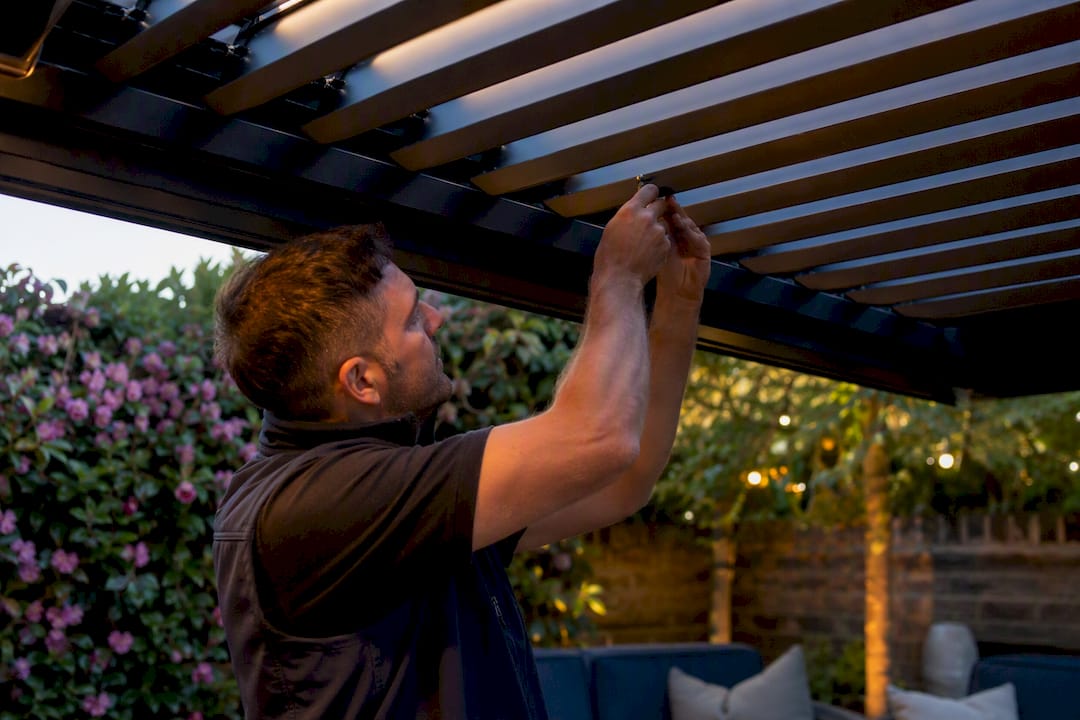
A supplied-and-fitted pergola in the UK typically costs between £900 and £12,000, with most homeowners paying around £3,500 for a mid-range aluminium structure. DIY kits tend to be less expensive, with costs varying substantially depending on the material. The biggest swings come from material choice, roof type (fixed versus louvred), overall size and groundwork, with planning permission occasionally adding time and cost if your project sits outside permitted development rules.
TL;DR:
The typical supply-and-fit cost for aluminium pergolas ranges from £3,500 to £6,000, with size, materials, and roof type significantly influencing the price.
Groundwork costs can add hundreds of pounds, especially for difficult sites requiring concrete bases, drainage, or anchoring, which installers should itemize separately.
DIY pergola kits can save money upfront but often incur hidden costs such as tools, fixings, and extra labor for complex spans or motorized roofs, making professional installation advisable.
Most open-sided pergolas in the UK do not need planning permission if they stay within height and coverage limits; failure to comply can lead to costly disputes.
Accurate quotes require detailed, itemized estimates that include VAT, groundworks, electrics, lead times, and warranty, avoiding unexpected expenses during installation.
Table of Contents
Pergola cost at a glance: typical price ranges by type and material
Timber tends to be the more affordable option, aluminium typically commands mid-range prices, and louvred or bioclimatic systems are usually the most expensive. Size is also a significant factor.
Regional pricing plays a part too. Homeowners in London and the South East generally pay more than those in the North or rural areas, though very remote sites can see travel costs creep back up.
Pergola type | Typical supplied-and-fitted range | Notes |
Timber | £900 to £3,000 | Cheapest option, needs regular treatment |
Aluminium | £3,500 to £6,000 | Low maintenance, most popular mid-range choice |
Vinyl/UPVC | £900 to £3,000 | Durable, limited style range |
Louvred/bioclimatic | £6,000 to £12,000 | Motorised roof drives cost up sharply |
These bands come from Costwise UK’s 2026 pergola pricing data. Add LED lighting, integrated heaters or glass side screens and even a mid-range aluminium job can tip into the £6,000+ bracket.
Materials, labour and groundwork: what actually makes up the bill
A quote isn’t just “pergola plus fitting”. It’s a stack of separate cost lines, and knowing what each one covers helps you spot a fair price from an inflated one.
Materials: timber posts and beams are the cheapest raw material but need annual treatment; powder-coated aluminium costs more upfront but needs almost no upkeep.
Labour: installers typically charge day rates of £200 to £300, and a straightforward pergola takes one to two days to fit, according to Checkatrade’s cost guide.
Groundworks: a concrete base, drainage provision, and difficult site access (steps, narrow gates, sloped gardens) all add labour hours and materials.
Electricals and extras: wiring for lighting or heaters, plus side screens for wind protection, are usually quoted separately from the main structure.
Pro Tip: Ask your installer to separate the groundworks line from the structure cost on your quote. Sloped or poorly draining gardens can add hundreds of pounds that generic online calculators never factor in.
Louvred and motorised roof systems are consistently the single biggest cost driver on premium projects, often accounting for more of the budget than the frame itself.
DIY pergola kits versus professional installation: what you really save
Kits look tempting on price, but the real comparison needs a wider lens.
Kit price versus installed price: a basic timber kit might cost £400 to £1,500, against £900 to £3,000 supplied and fitted. That gap looks like a clear saving until you add your own time and tools.
Hidden costs: tool hire, extra fixings, timber offcuts and general waste routinely narrow the DIY saving, according to Sunjoy’s UK garden guide. Budget a contingency of at least 15% on top of the kit price.
When to call a professional: large spans, heavy aluminium frames, and any louvred or electrically operated roof carry structural and wind-load demands that a DIY approach often underestimates, particularly around bracing and anchoring foundations.
If electrics, motorised roofs, or a span over four metres are involved, professional installation stops being optional and becomes the sensible route.
Do you need planning permission for a pergola in the UK?
Most open-sided pergolas fall under permitted development, meaning you won’t need to apply for planning permission at all. But the size and position limits are specific, and it’s worth checking them before you commit to a design.
Overall height must generally stay under 4m for a dual-pitched roof, or 3m for any other roof style.
Eaves height is capped at 2.5m in some situations, particularly near boundaries.
Outbuildings, including pergolas, can’t cover more than 50% of your garden.
Raised platforms over 0.3m high are not permitted development.
These limits come directly from the Planning Portal’s outbuilding guidance. Attached pergolas, listed buildings, and conservation areas commonly need extra permission or checks, as Homebuilding’s planning advice explains. If your project sits anywhere near these limits, applying for a lawful development certificate is a small upfront cost that can prevent an expensive dispute later.
How to compare pergola quotes without getting stung
A quote that looks cheap on paper can hide costs that surface once work starts. Ask every installer to itemise the same things, so you’re comparing like for like.
Confirm whether VAT is included in the headline figure or added afterwards.
Check that groundworks, concrete bases and drainage are itemised separately, not bundled into a vague “installation” line.
Ask what electrics and extras (lighting, heaters, side screens) cost as add-ons rather than assuming they’re included.
Get the lead time in writing, particularly for bespoke or louvred systems that often take longer to manufacture.
Ask what warranty applies to both the structure and the installation work itself.
Anyone asking for full payment upfront is worth questioning.
Infinity Awnings’ perspective: what UK homeowners actually choose
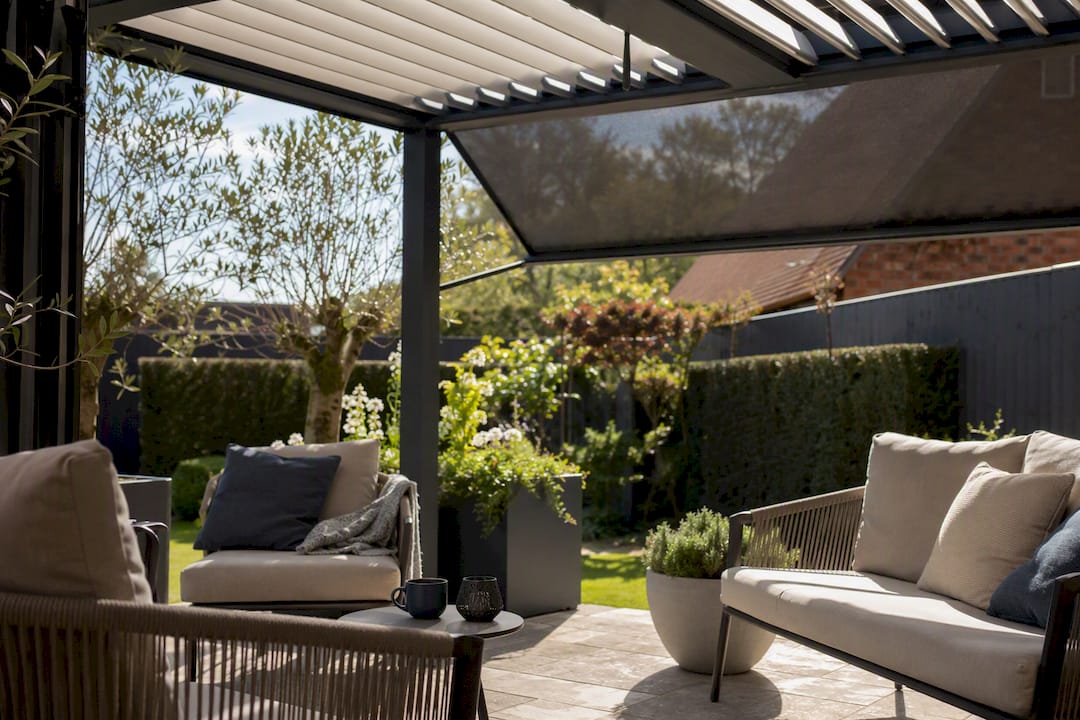
Over 15 years of fitting pergolas across Yorkshire, Derbyshire, Nottinghamshire and Lincolnshire, we’ve seen the same pattern repeat: most homeowners start out asking about timber and end up choosing aluminium once they price in the maintenance difference. Louvred roofs from brands like Weinor and Llaza are increasingly the request for anyone wanting genuine four-season use, not just fair-weather shade.
Extras follow a predictable order too. LED lighting comes first, heaters second, and side screens third, usually added once the main structure is confirmed. From initial survey to completion, most projects run four to eight weeks, largely dictated by manufacturing lead times rather than fitting itself. Every installation carries a structured warranty covering both the product and the workmanship.
— Andrew
How Infinity Awnings can help you plan and budget
Getting an accurate figure for your own garden means moving past generic price bands and having someone assess your actual site, access and design brief. Infinity Awnings designs, supplies and installs pergolas across Yorkshire and the surrounding counties, working with established brands including Weinor, Llaza and Tarasola to build structures suited to UK weather rather than adapted from a catalogue overseas.
A free site survey covers groundwork needs, boundary and height checks against permitted development limits, and a firm, itemised quote covering materials, labour, electrics and lead time. That means no vague estimates and no surprise extras once work begins. If you’re weighing up fixed timber against a louvred aluminium system, browse the full range of pergola styles and request a free, no-obligation quote to see exactly what your garden and budget can support.
Sources
The Planning Portal’s outbuilding guidance is the primary reference for permitted development limits on height, coverage and raised platforms. Homebuilding’s pergola planning advice covers the common exceptions, including attached structures and conservation areas. For pricing, Costwise UK’s 2026 cost calculator and Checkatrade’s cost guide give current UK price bands and labour day rates, while MyBuilder’s price guide breaks down component costs and typical extras worth budgeting for.
Recommended
Comments