
Types of Awning Fabrics: Style, Durability, and Value

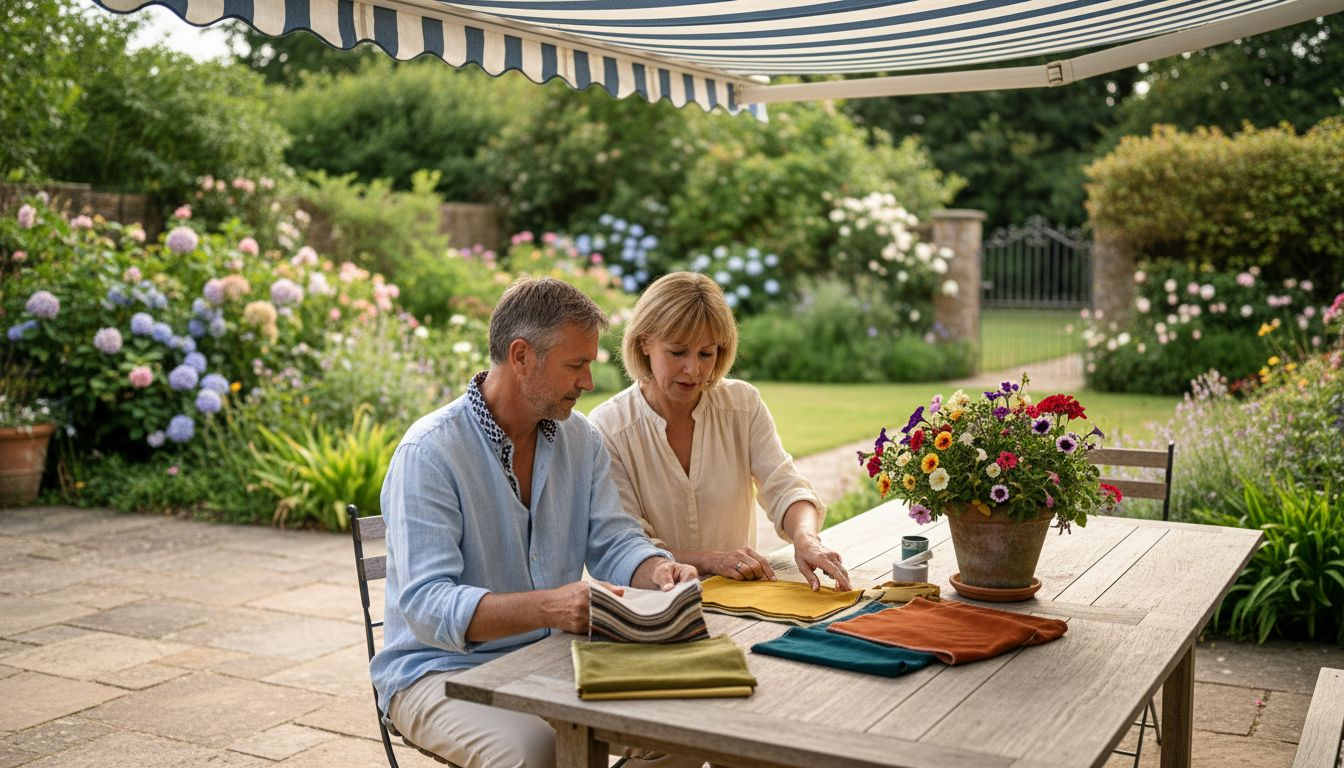
Warm sunny afternoons in Yorkshire can quickly turn damp and breezy, making outdoor spaces less inviting without proper shade. With unpredictable weather and a rich local landscape, selecting a premium retractable awning means finding a balance between enduring durability and visual style. The unique properties of specialised awning fabrics, including advanced textile innovations, help homeowners create beautiful outdoor areas that are comfortable, resilient, and tailored to every season.
Table of Contents
Key Takeaways
Point | Details |
Unique Properties of Awning Fabrics | Selecting awning fabrics requires understanding their material composition, weather resistance, and sustainability features. Fabric types like Acrylic, Polyester, and PVC each offer distinct advantages suitable for different needs. |
Importance of Speciality Fabrics | For commercial applications, bespoke fabrics provide tailored solutions that meet specific performance and aesthetic requirements, enhancing brand visibility and outdoor environment suitability. |
Durability Against Weather | High-performance awning fabrics must exhibit UV protection and weather resistance for longevity in variable climates, particularly in regions like Yorkshire with harsh weather conditions. |
Maintenance for Longevity | Regular care routines and appropriate cleaning techniques are essential to prolong the life and aesthetic quality of awning fabrics, ensuring they withstand environmental impacts over time. |
What Makes an Awning Fabric Unique?
Awning fabrics represent far more than simple decorative coverings. Each fabric possesses distinctive characteristics that determine its performance, durability, and aesthetic appeal. Textile innovation research reveals how modern materials transform traditional outdoor shading solutions.
Unique awning fabrics are distinguished by several critical attributes:
Material Composition: Ranging from natural fibres like cotton to synthetic polymers and advanced recycled materials
Technical Performance: Specific resistance to UV radiation, moisture, and temperature fluctuations
Environmental Sustainability: Carbon footprint and recyclability of the fabric
Structural Integrity: Weave density, tensile strength, and longevity
Manufacturers developing innovative textile technologies now focus on creating fabrics that offer multiple functional benefits. These advanced materials can provide superior protection, enhanced aesthetic versatility, and reduced environmental impact.
The selection of an awning fabric involves understanding its unique properties. Yorkshire homeowners, for instance, require materials that can withstand unpredictable weather conditions while maintaining visual elegance. This means evaluating factors like water resistance, colour retention, and structural durability.
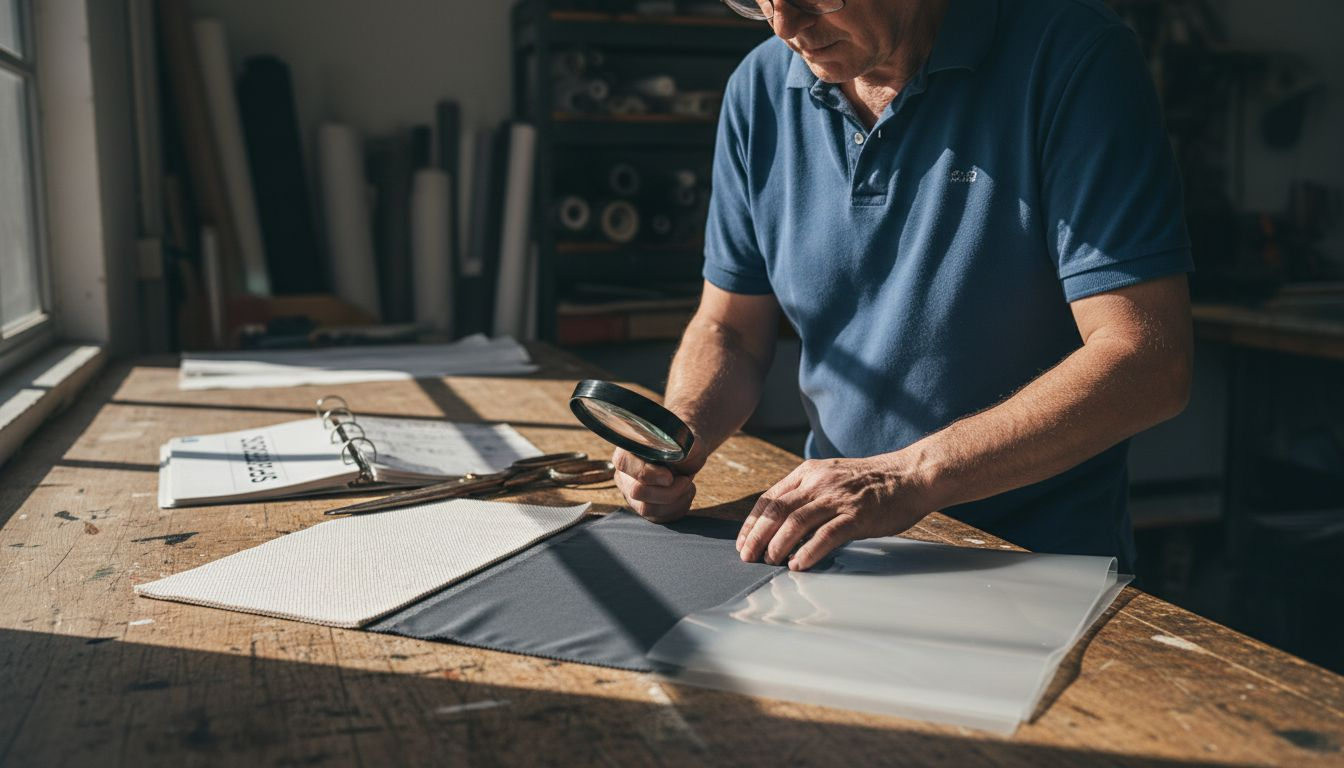
Pro tip: Always request fabric samples and examine their technical specifications before making a final awning fabric selection.
Comparing Acrylic, Polyester, and PVC Options
Choosing the right awning fabric requires understanding the unique characteristics of different materials. Trade fabric classifications reveal significant variations in performance, durability, and suitability for outdoor applications across acrylic, polyester, and PVC options.
Each fabric type offers distinct advantages:
Acrylic Fabrics:
Excellent colour retention
Natural appearance
Superior resistance to environmental factors
Good UV protection
Polyester Fabrics:
High tensile strength
Exceptional flexibility
Cost-effective option
Lightweight and easy to maintain
PVC Fabrics:
Completely waterproof
Enhanced durability
Strong resistance to mildew
Heavier weight and structure
When evaluating these materials, Yorkshire homeowners must consider specific fabric properties that impact long-term performance. Factors like weather resistance, maintenance requirements, and aesthetic appeal play crucial roles in selecting the most suitable awning fabric.
The selection process involves balancing technical performance with visual preferences. While PVC offers superior waterproofing, acrylic provides a more refined appearance. Polyester strikes an excellent middle ground, offering durability and versatility at a competitive price point.
Here is a high-level comparison of common awning fabric types for British homeowners:
Fabric Type | Best Suited For | Notable Limitation | Key Distinction |
Acrylic | Homes needing bright colour | High initial cost | Enhanced colour stability |
Polyester | Value-focused installations | Less effective waterproofing | Outstanding flexibility |
PVC | Severe weather locations | Heavier structure | Total water impermeability |
Pro tip: Consider requesting fabric samples to test colour fastness, texture, and actual performance in your specific outdoor environment before making a final decision.
Speciality Fabrics for Commercial and Bespoke Use
Commercial and bespoke awning fabrics represent the pinnacle of textile engineering, where specialized craftsmanship meets industry innovation. These unique materials go far beyond standard textile applications, offering customised solutions for businesses and discerning property owners.
Key characteristics of speciality awning fabrics include:
Performance Features:
Flame retardant properties
Enhanced UV resistance
Customisable aesthetic designs
Industrial-grade durability
Bespoke Design Options:
Tailored colour matching
Specific pattern development
Corporate branding integration
Precise dimensional specifications
Speciality fabrics are engineered through collaborative processes involving textile designers, engineers, and commercial textile specialists. These materials are designed to meet exacting standards for specific commercial environments, from restaurant terraces to industrial complexes.
The development of these fabrics involves sophisticated technological approaches. Manufacturers can create materials that not only meet functional requirements but also reflect the unique aesthetic and branding needs of individual clients. This means businesses can now acquire awning fabrics that are truly tailored to their specific operational and visual requirements.
Below is a summary of how specialist and standard awning fabrics differ in usage and customisation:
Fabric Category | Typical User | Custom Design Options | Example Environment |
Specialist | Businesses, bespoke projects | Extensive, fully tailored | Restaurant terrace, school |
Standard | Homeowners, small businesses | Limited patterns or colours | Private garden, patio |
Pro tip: When exploring speciality fabrics, request comprehensive technical specifications and request demonstration samples to assess real-world performance.
Durability, UV Protection, and Weather Resistance
Awning fabrics must withstand the unpredictable and often harsh British climate, making outdoor material durability a critical consideration for homeowners and businesses across Yorkshire and beyond.
Key protective characteristics of high-performance awning fabrics include:
UV Protection Factors:
Prevents fabric colour fading
Reduces material degradation
Maintains structural integrity
Protects underlying surfaces from solar damage
Weather Resistance Attributes:
Water-repellent coating
Wind load tolerance
Temperature fluctuation resilience
Mildew and moisture resistance
Building regulations for protective materials emphasise the importance of selecting fabrics that meet stringent performance standards. Professional-grade awning textiles undergo rigorous testing to ensure they can withstand extreme weather conditions typical in the United Kingdom.
The science behind durability involves complex material engineering. Manufacturers incorporate advanced treatments and specialised weaving techniques to enhance fabric performance, ensuring awnings maintain their aesthetic appeal and functional integrity through years of exposure to sunlight, rain, wind, and temperature variations.
Pro tip: Request independent laboratory test results for UV resistance and weather durability when selecting your awning fabric.
Maintenance, Cleaning, and Longevity Insights
Preserving the quality and appearance of awning fabrics requires strategic maintenance protocols for outdoor textiles. Regular care not only extends the fabric’s lifespan but also maintains its aesthetic and functional integrity.
Key maintenance practices include:
Routine Cleaning Techniques:
Gentle brushing to remove loose debris
Mild soap and lukewarm water cleaning
Avoiding harsh chemical detergents
Soft cloth or sponge application
Preventative Care Strategies:
Periodic professional inspection
Prompt stain and mildew treatment
Proper winter storage techniques
Regular waterproofing treatments
Sustainable textile maintenance involves understanding the environmental impact of fabric care. Professional-grade awning fabrics require nuanced approaches that balance effective cleaning with material preservation, ensuring minimal ecological footprint and maximum functional longevity.
Environmental factors like UV exposure, pollution, and moisture can gradually degrade textile performance. Yorkshire homeowners must adopt proactive maintenance strategies that protect their investment, including regular cleaning, careful storage, and periodic professional assessment of fabric condition.
Pro tip: Invest in manufacturer-recommended cleaning products specifically designed for your awning’s fabric type to ensure optimal maintenance and longevity.
Choosing Fabrics for Yorkshire’s Climate
Selecting awning fabrics for the unique Yorkshire regional climate demands careful consideration of local environmental challenges. The region’s variable weather patterns—characterised by wet winters, moderate summers, and persistent winds—require robust textile solutions that can withstand significant environmental stress.
Key fabric selection criteria for Yorkshire include:
Weather Resistance Features:
High water-repellent capabilities
Strong wind load tolerance
Rapid moisture-wicking properties
UV protection against variable sunlight
Climate-Specific Performance Attributes:
Mildew and moss resistance
Temperature fluctuation durability
Quick-drying material composition
Colour stability in changing conditions
Local landscape considerations play a crucial role in fabric selection. Yorkshire’s diverse terrain—ranging from coastal regions to inland landscapes—necessitates awning fabrics that can adapt to microclimatic variations while maintaining structural integrity and aesthetic appeal.
Homeowners and businesses must prioritise materials that balance technical performance with environmental sustainability. This means selecting fabrics that not only protect against Yorkshire’s challenging weather but also align with regional conservation priorities and ecological considerations.
Pro tip: Consult local awning specialists who understand Yorkshire’s specific climatic nuances when making your final fabric selection.
Discover the Perfect Awning Fabric for Your Yorkshire Home or Business
Choosing the right awning fabric can feel overwhelming with so many options like acrylic, polyester, and PVC, each offering unique benefits in style, durability, and weather resistance. Whether you are aiming to protect your outdoor space from Yorkshire’s unpredictable climate or seeking a bespoke commercial solution that combines performance with aesthetic appeal, understanding key fabric qualities such as UV protection, waterproofing, and maintenance is essential.
At Infinity Awnings, we specialise in providing tailored retractable awnings and shading solutions designed to meet these exact challenges. Our extensive range includes premium fabrics from trusted brands known for exceptional durability and style. With over 15 years of experience across Yorkshire and neighbouring counties, we offer expert advice and installation services to ensure your outdoor space remains comfortable and inviting year-round.
Take control of your outdoor environment today with a fabric choice that truly stands the test of time and weather.
Explore our collection of customizable awnings and discover the fabric that suits your specific needs. Visit Infinity Awnings now for a free consultation and let us help you enhance the usability and beauty of your outdoor area with expert design and installation services.
Frequently Asked Questions
What are the main types of awning fabrics?
The main types of awning fabrics are acrylic, polyester, and PVC, each with unique characteristics that cater to different needs, such as weather resistance, durability, and aesthetic appeal.
How do I choose the right awning fabric for my needs?
To choose the right awning fabric, consider factors like weather resistance, maintenance requirements, visual preferences, and specific functional attributes such as UV protection and durability.
What are the advantages of acrylic fabrics over polyester and PVC?
Acrylic fabrics offer excellent colour retention, a natural appearance, and superior resistance to environmental factors, making them suitable for homeowners seeking both aesthetics and long-term performance.
How can I maintain my awning fabric to ensure longevity?
Regular maintenance includes gentle cleaning with mild soap and water, avoiding harsh chemicals, and periodic professional inspections to address issues like stains or mildew promptly.
Recommended
Comments