
Why weather resistance matters: protect value and safety

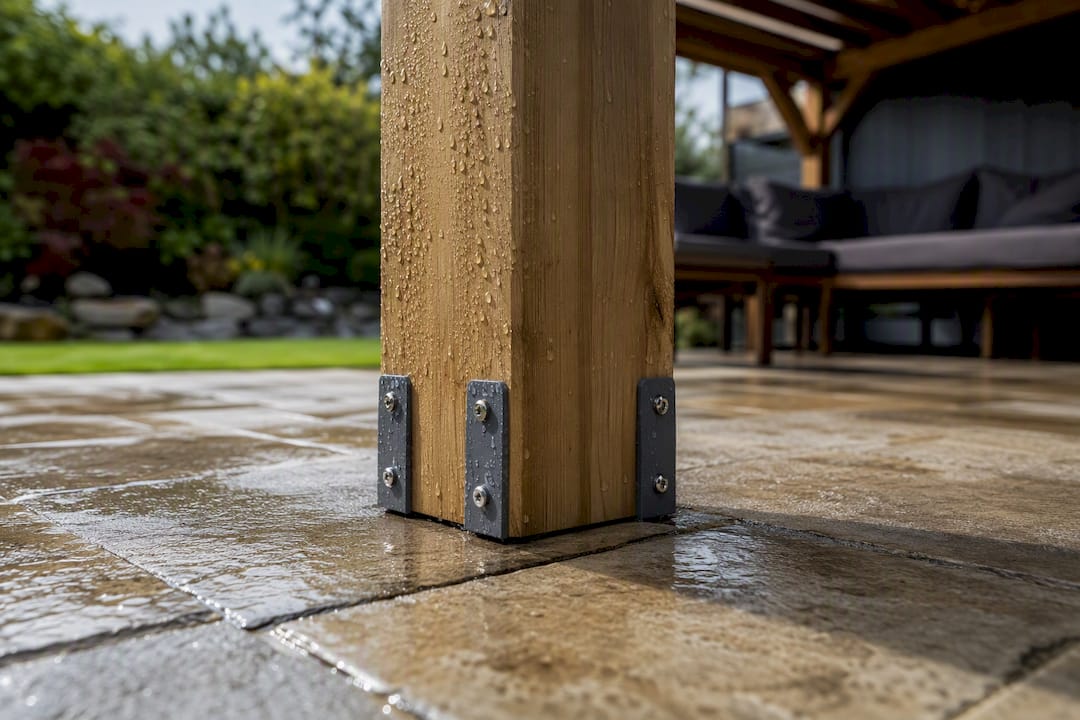
Weather resistance determines whether a building loses value and function within years or holds up for decades. Do three things now: check your roof detailing and openings first, since that’s where failures start; ask any contractor which exposure zone your property sits in before agreeing a spec; and prioritise flashing, sealants and cavity trays over cosmetic upgrades. Get these right and you cut repair bills, extend material life, and keep interiors dry and healthy.
Inspect roof junctions, flashings and window/door openings for early signs of water tracking
Ask suppliers to name your exposure zone and reference it in their quote
Treat detailing (joints, seals, weep holes) as equally important as the main material
Buildings that are correctly matched to their exposure typically need less frequent redecoration and fewer emergency repairs than those specified generically.
Key Takeaways
Weather resistance protects a building’s structure, value and occupant health by matching materials and detailing to actual site exposure rather than generic specification.
Point | Details |
Detailing beats material choice | Flashings, cavity trays and fixings decide most failures, not the headline cladding or paint grade. |
Know your exposure zone | Use BS 8104 assessment methods before choosing a performance tier or material grade. |
Inspect on a rhythm | Check roofs, joinery and seals seasonally, with fuller checks yearly and resealing every 3 to 5 years. |
Climate shifts change the baseline | UKCP18 projects rising winter wind-driven rain on west and south-facing walls, altering long-term specification needs. |
Table of Contents
What does weather resistance actually mean?
Weather resistance is a building’s or material’s capacity to withstand wind-driven rain, UV radiation, temperature swings and moisture without losing structural integrity or appearance faster than expected for its design life. It isn’t a single waterproof rating. It’s a match between exposure, material choice and detailing, calibrated to how much rain, wind and sun a specific wall, roof or fixture actually faces.
A few terms come up repeatedly in this field, so it helps to fix them early:
Wind-driven rain — rain pushed horizontally by wind, forced into joints and cavities rather than simply falling
Water ingress — moisture penetrating past the outer surface into the building fabric
Cavity wall — a wall built as two leaves with an air gap to intercept and drain moisture
Flashing — metal or membrane strips directing water away from junctions (roof to wall, window to wall)
UV degradation — fading, chalking or embrittlement caused by sunlight breaking down polymers and pigments
Freeze-thaw — cracking caused by water expanding as it freezes inside porous materials
Exposure zone — a classification of how much wind-driven rain a location typically receives
No material is absolutely weatherproof. A slate roof or a rendered wall is only as resistant as its detailing allows, which is why two identical products can perform very differently depending on how they’re installed.
Why weather resistance matters for cost, safety and comfort
Weather resistance matters because it decides how much you spend on repairs, how long materials last, and whether your building stays safe and habitable. Cavity walls, flashings and correct detailing don’t just look neat. They’re the difference between a wall that sheds water and one that slowly saturates from the inside out, according to guidance in the Brick Development Association’s technical guide on resisting rainwater penetration.
Poor weather resistance shows up as structural decay, reduced thermal performance (a damp wall insulates worse than a dry one), staining, and mould that can affect respiratory health. It also has knock-on effects most homeowners don’t think about until it’s too late: a failed damp inspection can delay a sale, an insurer can query a claim if maintenance was neglected, and a building’s resale value can drop once visible water damage appears.
The risks map fairly directly onto consequences:
Water ingress at openings → rot, mould, and costly internal repairs
Failed flashings or seals → hidden damage that’s invisible until plaster or timber fails
UV-degraded coatings → faster repainting cycles and premature material replacement
Poor detailing at joints → structural cracking from repeated freeze-thaw cycles
A failure rarely begins in the most expensive material on a building. It tends to start at the weakest connection point, an edge, a fixing, an unsealed joint, according to industry analysis of durable building materials and weather resistance. That’s why detailing quality matters as much as the headline material spec.
Common weather risks that affect buildings and materials
Not every property faces the same threats, and knowing which ones apply to yours is the first step towards sensible spending rather than guesswork.
Wind-driven rain — forces water horizontally into joints, especially on exposed gable ends and west-facing walls
Driven snow — settles into gaps that rain would simply run off, then melts slowly into the fabric
Freeze-thaw cycling — repeated freezing expands trapped moisture, cracking brick, render and stone
UV and solar degradation — breaks down paint binders, plastics and sealants, especially on south-facing elevations
Salt spray and coastal exposure — accelerates corrosion of fixings and degrades render and coatings faster
Prolonged humidity and condensation — encourages mould growth and slowly weakens timber and plaster
Extreme heat and thermal movement — causes expansion and contraction that stresses joints and seals
Orientation and topography change all of this. A wall sheltered by neighbouring buildings or trees faces a fraction of the wind-driven rain that an identical, exposed wall on a hilltop takes on. This is precisely what exposure zones and standards such as BS 8104 are designed to quantify, rather than leaving it to guesswork or a generic product datasheet.
Materials and detailing that actually improve weather resistance
The material you choose matters less than most people assume. Detailing, fixings and how components work together usually decide whether a building weathers well or fails early.
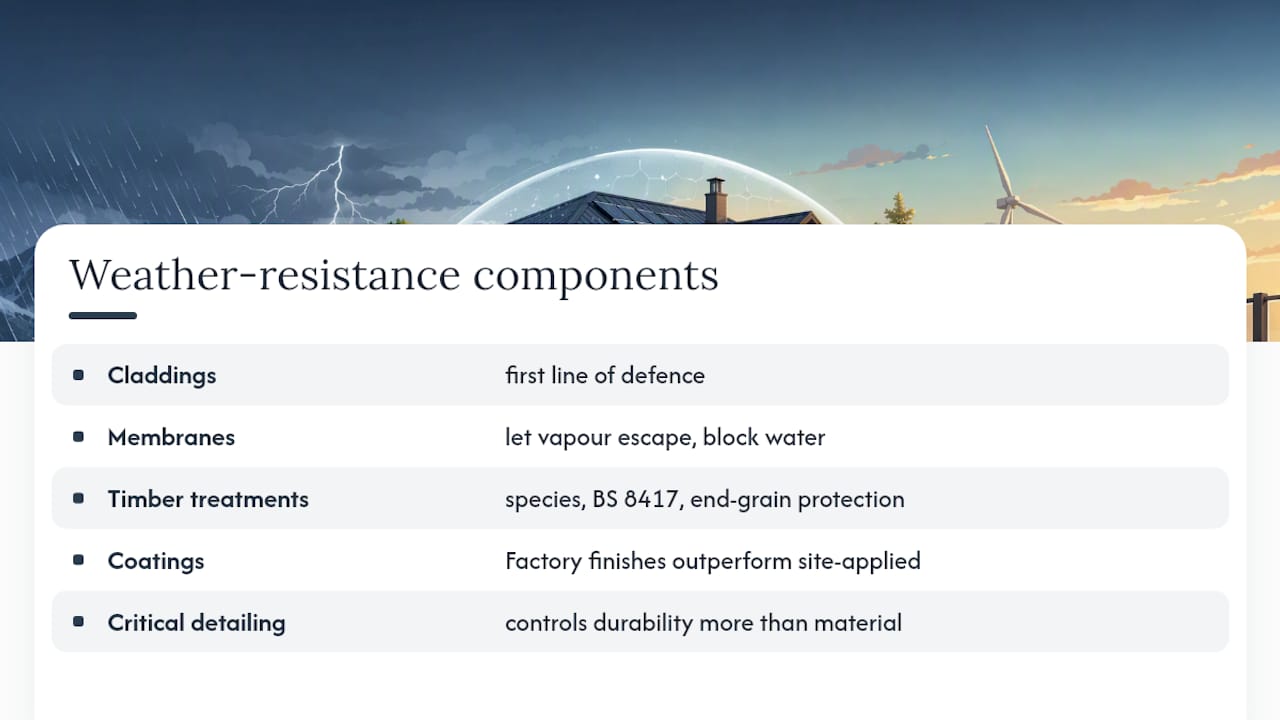
Claddings, membranes and inert materials. External cladding systems, breather membranes and inherently weather-tolerant materials like concrete and steel form the first line of defence. Breather membranes let trapped moisture vapour escape while blocking liquid water, a detail that matters far more in humid or coastal sites than in sheltered inland gardens.
Timber, treated and modified. Timber performance depends heavily on species selection, pressure treatment to BS 8417, or modification processes, alongside good detailing that keeps end grain protected. Factory-applied coatings and stainless steel or specialist fixings noticeably extend service life, according to technical guidance on exterior timber performance.
Coatings and finishes. Weather-resistant paints, water repellents and UV stabilisers slow degradation, but factory-applied finishes generally outperform site-applied ones because application conditions are controlled.
Critical detailing. Cavity walls, flashings, damp-proof courses, cavity trays, weep holes, properly tooled joints and movement joints are where most failures actually originate, not in the bulk material itself. A cavity tray misaligned by a few millimetres can undo an otherwise sound wall build.
Pro Tip: Ask suppliers whether coatings are factory-applied rather than site-sprayed. Factory finishing under controlled conditions typically gives more even coverage and better long-term adhesion than a coating rushed on during a weather window.
Pro Tip: In coastal or high-exposure locations, insist on stainless steel or specially rated fixings. Standard galvanised fixings corrode far faster near salt spray, and a failed fixing can bring down an otherwise sound panel or cladding system.
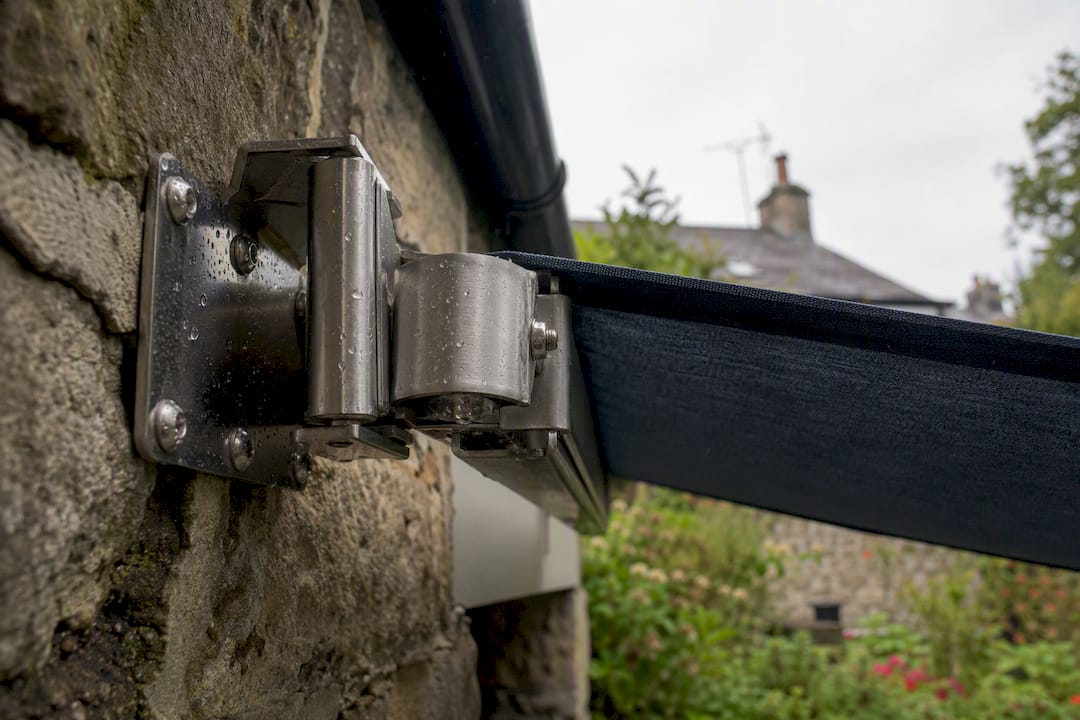
Anyone adding retractable shading, a pergola, or an awning to a property should apply exactly the same logic: wind-rated systems with correctly detailed fixings last far longer than budget options chosen on price alone.
How to match your specification to exposure and budget
Getting this right doesn’t mean over-engineering everything. It means following a short decision sequence:
Assess exposure — establish your site’s exposure zone using local wind-driven rain data or an index (BS 8104 gives two recognised assessment methods)
Set a target service life — decide whether you need 10, 25 or 50+ years from the element in question
Choose a performance tier — match material and coating grade to that exposure and lifespan, not to the cheapest available option
Confirm detailing and warranties — check that flashings, cavity trays and fixings are specified, not assumed
When reviewing quotes, ask contractors directly which exposure zone they’ve assumed, which standards they’re working to, and what warranty covers workmanship versus materials. Checking a warranty’s actual terms before signing avoids nasty surprises later.
Watch for these red flags in any proposal:
No mention of exposure zone or local wind-driven rain data
Generic product names with no reference to a relevant British Standard
Missing detail on cavity trays, flashings or weep holes
Vague or unusually short warranty terms
Over-specifying a sheltered courtyard wastes budget; under-specifying a coastal or hilltop site invites early failure, according to detailed guidance on designing for UK exposure zones.
Keeping weather resistance effective: maintenance and inspection
Weather resistance isn’t a one-off spec decision. It needs checking.
Inspect roofs, gutters and flashings for displaced tiles, blocked outlets and gaps at junctions. Check external joinery and sealants for cracking or shrinkage, and look at cladding for staining that suggests trapped moisture behind the surface. Photograph anything suspicious and note the date.
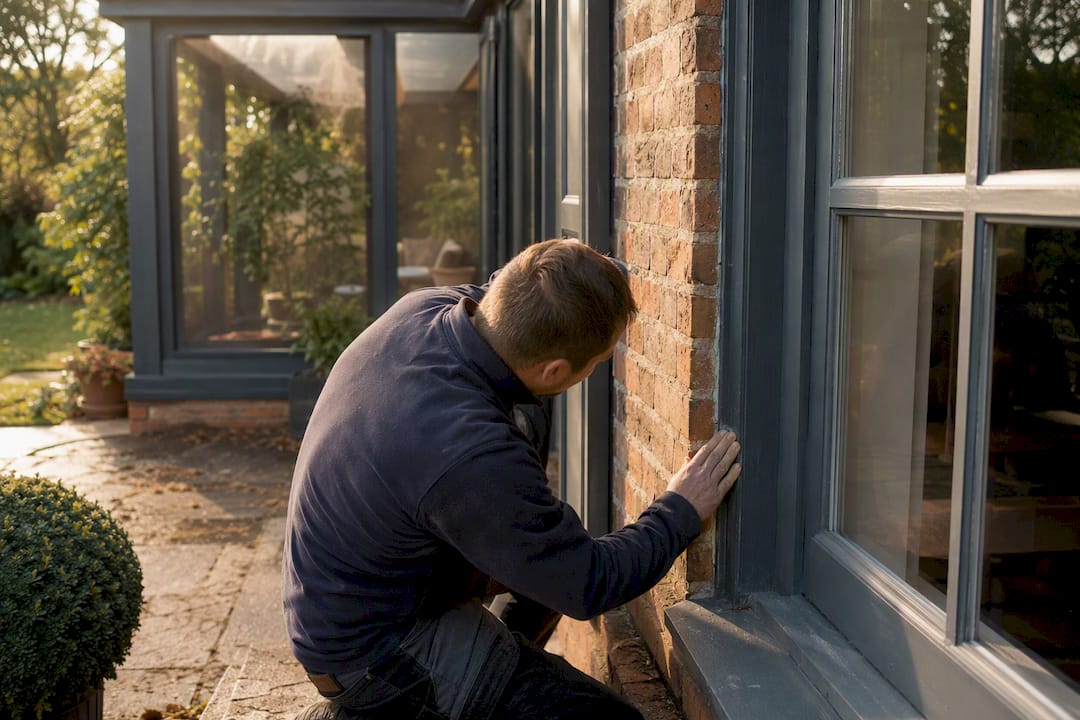
A sensible rhythm: seasonal visual checks (especially after storms), a fuller inspection every year, and redecoration or resealing every 3 to 5 years depending on exposure. After any severe weather event, check openings and roof junctions immediately rather than waiting for the next scheduled look.
Pro Tip: If you spot staining, bring in a professional before it spreads. Photographic evidence and dates matter to both contractors and insurers if a claim or warranty query follows.
An outdoor shading checklist is a useful template for this kind of routine, structured inspection.
What climate data tells us about future exposure
Weather-related failures aren’t a small-scale problem. In the rail sector alone, weather caused more than 322,000 delay events and over £1 billion in compensation payments between 2006/07 and 2020/21, a scale that underlines how expensive unmanaged weather exposure becomes once it compounds across a large system.
For buildings, UKCP18 modelling projects winter increases in wind-driven rain for southerly and westerly-facing walls, with regional swings of up to around 30% under a 4°C warming scenario in some locations. Coastal and west-facing properties are the most sensitive to this shift.
Practical implications for anyone specifying or maintaining a building today:
Check your exposure zone using BS 8104 methodology rather than assuming last decade’s rules still apply
Prefer more resilient detailing on west and south-facing elevations, where seasonal wind-driven rain is projected to increase
Factor climate projections into any asset expected to last 30+ years, not just current conditions
NHBC guidance on managing construction in a changing climate makes the same point: the industry is already adjusting checklists and practices because historical weather patterns are no longer a reliable baseline.
Get a weather-resistant outdoor structure built to last
If you’re weighing up a pergola, veranda or retractable awning as part of protecting an outdoor space, the same exposure-led thinking applies. Infinityawnings has spent over 15 years designing, supplying and installing shading structures across Yorkshire, Derbyshire, Nottinghamshire and Lincolnshire, working with brands like Weinor, Llaza, Selt, Tarasola and Morvelle that are built for genuine UK weather conditions rather than fair-weather use only.
A well-specified pergola with the right fixings, drainage and fabric grade for your exposure will outlast a budget structure by years, and it protects the furniture, decking and walls beneath it in the process. Get in touch with Infinityawnings for a free quote and an honest assessment of what your specific site actually needs.
What actually matters most in weather resistance
Most advice on this topic focuses on materials, which fabric, which coating, which brand. That’s the wrong starting point. The evidence here points somewhere else entirely: detailing decides outcomes more often than material choice does. A premium cladding system with a poorly fitted flashing fails faster than a modest system correctly detailed.
The conventional approach of “buy the best material you can afford” ignores this. It’s better to spend proportionally: match your exposure zone honestly, then put the saved budget into flashings, cavity trays, fixings and joint sealing rather than upgrading the headline material one tier further. Homeowners in sheltered gardens are routinely sold coastal-grade specifications they don’t need, while genuinely exposed properties get generic details that were never tested against their actual wind-driven rain exposure.
If you take one thing from this: ask what exposure zone your property sits in before you ask what material to use. The order matters.
Frequently asked questions
Why does weather resistance matter for an ordinary home, not just commercial buildings? Domestic properties face the same wind-driven rain, UV exposure and freeze-thaw cycling as commercial ones. A poorly detailed home wall fails just as predictably as a poorly detailed commercial one, only the repair bill lands on a homeowner directly rather than being spread across a maintenance budget.
Is weather resistance necessary for every part of a building, or just the roof and walls? It matters wherever water, wind or UV can reach: roofs and walls, but also openings, fixings, sealants and any outdoor structure like a veranda or awning. Openings and joints are usually where failures start first.
How do I know which exposure zone my property is in? BS 8104 sets out two recognised assessment methods using local wind-driven rain data. A contractor working to that standard should be able to tell you your zone before quoting a specification.
Does moisture resistance mean the same thing as weather resistance? Moisture resistance is one part of weather resistance, covering rain and humidity specifically. Full weather resistance also includes UV degradation, freeze-thaw damage and thermal movement from temperature swings.
Will climate change actually affect my specification decisions today? Yes, if you’re planning for a 30 year-plus service life. UKCP18 projections already show shifting wind-driven rain patterns on west and south-facing elevations, which is a reasonable basis for choosing more resilient detailing now rather than retrofitting later.
Sources
Ask suppliers which standards their quote references before signing anything.
Comments