
Advantages of patio covers: extend outdoor living in 2026

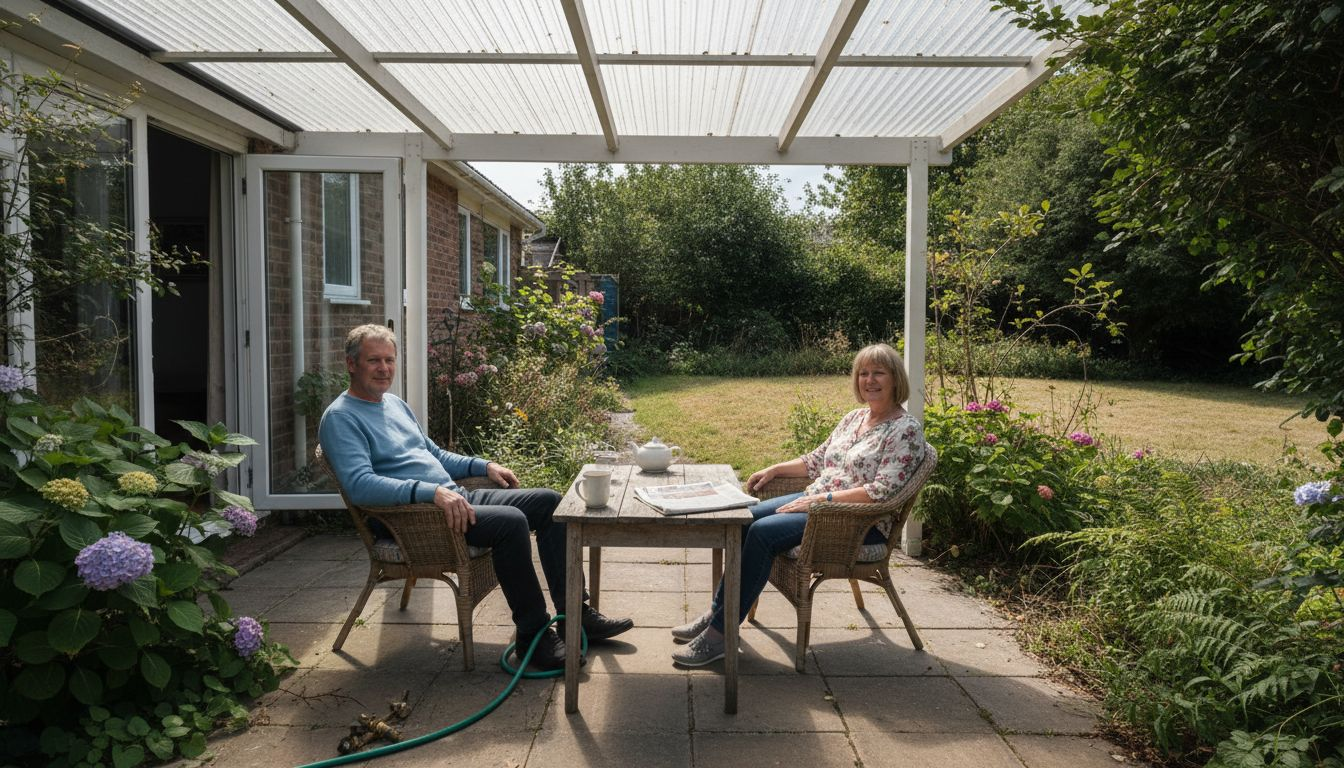
UK homeowners lose an average of 120 potential outdoor days each year to unpredictable weather, transforming gardens into underutilised spaces. Patio covers offer a practical solution, protecting against rain, wind, and harsh UV rays whilst extending the usability of outdoor areas throughout the seasons. This guide evaluates the advantages of different patio cover options, helping you choose the best solution to maximise comfort, style, and property value in Yorkshire, Derbyshire, Nottinghamshire, and Lincolnshire.
Table of Contents
Key takeaways
Point | Details |
Extended usability | Patio covers increase outdoor space usage by up to 60% annually |
Material matters | Aluminium and polycarbonate offer superior durability in damp UK climates |
Flexible protection | Retractable systems adapt quickly to changing British weather conditions |
Property value boost | Well-designed patio covers can add approximately 10% to home value |
Installation quality | Professional fitting ensures weatherproofing and structural integrity |
How to choose the right patio cover for your UK home
Selecting the ideal patio cover requires careful evaluation of several critical factors specific to British weather patterns and local regulations. Your decision impacts not just immediate comfort but long-term maintenance costs and property aesthetics.
Planning permissions represent your first consideration. Consider local planning regulations before installing a permanent patio cover, as size and design may be subject to restrictions. Most structures under 2.5 metres high and covering less than 50% of garden area fall under permitted development, but checking with your local council prevents costly mistakes.
Weather resilience determines how well your investment performs. Yorkshire and surrounding regions experience approximately 150 rainy days annually, with wind speeds frequently exceeding 40mph during winter months. Your patio cover must withstand persistent moisture, strong gusts, and UV exposure during summer peaks. Materials that resist corrosion, warping, and fading deliver the best value over time.
Durability directly affects maintenance requirements and lifespan. Premium materials like powder-coated aluminium frames resist rust for decades with minimal upkeep, whilst timber structures demand regular treatments to prevent rot and decay. Polycarbonate panels maintain clarity and strength for 15-20 years, whereas lower-grade plastics yellow and crack within five years.
Style and versatility shape how your patio cover integrates with existing architecture. Consider these factors when evaluating options:
Architectural harmony: does the design complement your home’s exterior character?
Functional flexibility: can you adjust coverage for different weather conditions?
Light transmission: how much natural brightness reaches your patio space?
Ventilation options: does air circulate freely to prevent stuffiness?
Future adaptability: can you add features like lighting or heating later?
Installation quality proves equally crucial as material selection. Poor fitting creates water ingress points, structural weaknesses, and premature wear. Professional installers understand local weather challenges, ensuring proper drainage, secure anchoring, and weatherproof sealing that DIY efforts often miss.
Popular patio cover options and their advantages
Four main patio cover types dominate the UK market, each offering distinct benefits suited to different homeowner priorities and budgets.
Polycarbonate covers balance affordability with practical performance. Polycarbonate patio covers offer a balance of light transmission and weather protection, making them popular. These panels allow 70-80% of natural light through whilst blocking 99% of harmful UV rays, creating bright yet protected outdoor spaces. Twin-wall polycarbonate provides excellent insulation, reducing temperature fluctuations beneath the cover. Costs typically range from £1,200 to £3,500 for standard patio sizes, making this an accessible entry point for many homeowners.
Aluminium-framed structures deliver exceptional longevity in damp climates. Aluminum frames resist rust and require minimal maintenance in damp UK climates. Powder-coated finishes withstand decades of exposure without flaking or corroding, eliminating the repainting cycles timber demands. These frames support various roofing materials including glass, polycarbonate, and fabric, offering design flexibility. Initial investment runs higher at £3,000 to £8,000, but lifetime costs remain competitive due to negligible maintenance.
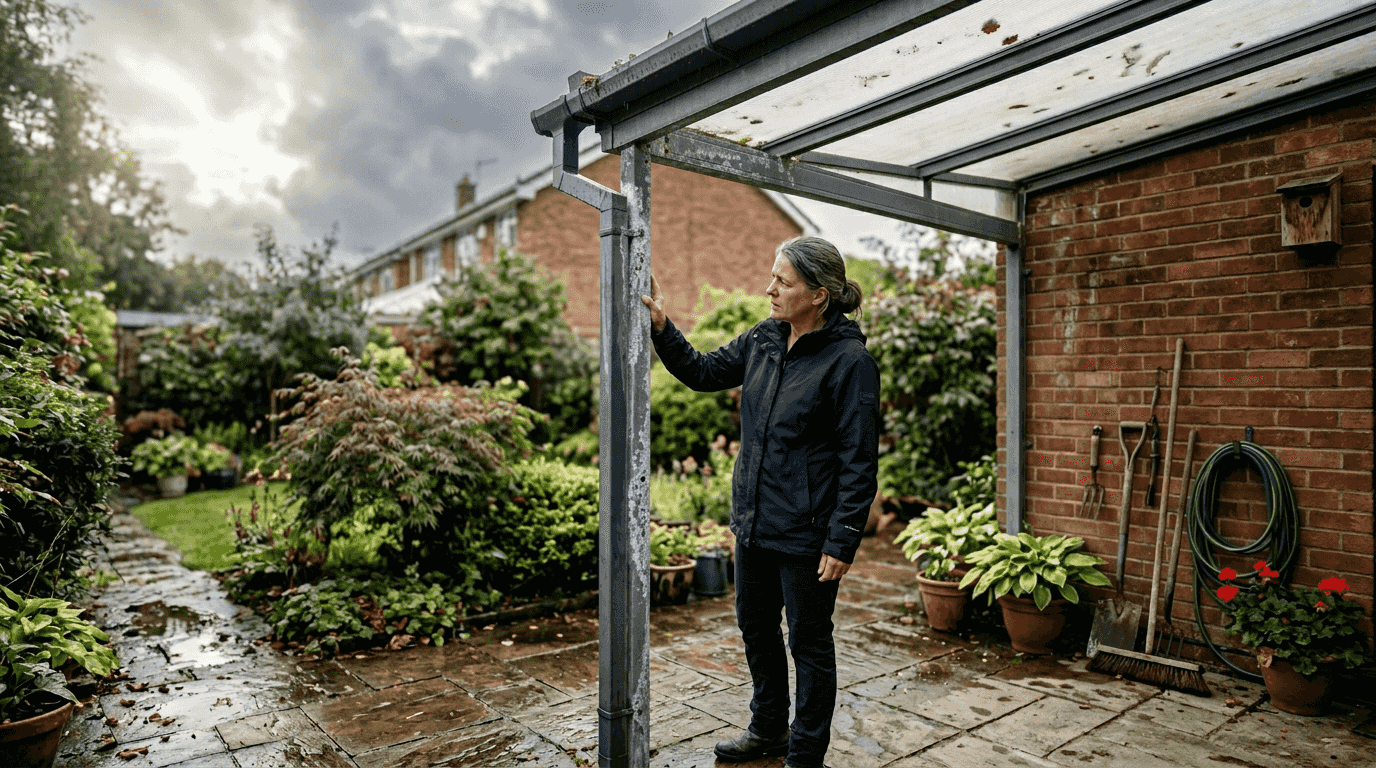
Retractable awnings provide unmatched weather adaptability. Retractable awnings protect from rain and intense sun, enhancing outdoor usability. British weather shifts rapidly, and retractable systems let you extend coverage during sudden showers or retract fabric on clear days to enjoy full sunshine. Motorised versions with wind sensors automatically retract during strong gusts, protecting the mechanism from damage. The benefits of retractable awnings include this precise control over your outdoor environment, adjusting coverage within seconds.
Pergolas with adjustable louvers combine aesthetic appeal with functional versatility. Modern pergola systems feature rotating roof slats that tilt from fully open to completely closed, managing sunlight, ventilation, and rain protection simultaneously. Integrated guttering channels water away effectively, whilst optional side screens block wind and create enclosed spaces during cooler months. Understanding why use retractable pergolas reveals their capacity to transform gardens into year-round living areas, with prices ranging from £5,000 to £15,000 depending on size and features.
Pro Tip: Match your patio cover type to your primary usage pattern. If you entertain frequently during summer evenings, prioritise retractable systems for flexibility. For year-round dining spaces, invest in insulated pergolas with heating and lighting integration.
Cover Type | Best For | Key Advantage | Typical Lifespan |
Polycarbonate | Budget-conscious buyers | Light transmission with UV protection | 15-20 years |
Aluminium frame | Low-maintenance seekers | Rust resistance in damp conditions | 25-30 years |
Retractable awning | Weather flexibility | Quick adjustment to conditions | 10-15 years |
Adjustable pergola | Year-round use | Complete environmental control | 20-25 years |
Compare patio covers: durability, maintenance, and value
Practical factors beyond aesthetics determine which patio cover delivers the best return on investment for your specific circumstances.
Durability rankings place aluminium and polycarbonate at the top for British conditions. Aluminium frames endure 25-30 years with virtually no degradation, whilst quality polycarbonate panels maintain structural integrity for 15-20 years despite constant UV exposure and temperature cycling. Timber pergolas require treatment every 2-3 years to achieve comparable lifespans, and even then rarely exceed 15 years before significant repairs become necessary. Fabric awnings last 10-15 years when properly maintained and retracted during harsh weather.
Maintenance demands vary dramatically between options. Aluminium structures need only occasional washing with soapy water to remove debris and maintain appearance. Polycarbonate panels require similar simple cleaning twice yearly. Timber pergolas demand annual inspections, wood treatments, and potential repairs to prevent rot in damp climates. Retractable awning mechanisms benefit from annual lubrication and fabric cleaning, with motorised components requiring periodic professional servicing to ensure reliable operation.
Outdoor enhancements, including awnings, can increase property value by up to 10%. Well-designed patio covers enhance kerb appeal, extend functional living space, and signal quality home improvements to potential buyers. Estate agents consistently report that properties with attractive, well-maintained outdoor structures sell faster and command premium prices compared to similar homes without these features. The retractable awnings benefits extend beyond personal enjoyment to tangible financial returns.
Using pergolas can extend outdoor living seasons with features like adjustable louvers and side enclosures. This seasonal extension translates directly into property value, as buyers increasingly prioritise homes offering versatile outdoor spaces suitable for British weather patterns.
Pro Tip: Calculate total cost of ownership over 15 years rather than focusing solely on initial purchase price. A £6,000 aluminium pergola requiring minimal maintenance often costs less long-term than a £3,000 timber structure demanding £200 annual treatments plus eventual replacement.
Factor | Polycarbonate | Aluminium Frame | Retractable Awning | Adjustable Pergola |
Initial Cost | £1,200-£3,500 | £3,000-£8,000 | £2,500-£6,000 | £5,000-£15,000 |
Annual Maintenance | £50 | £30 | £100 | £80 |
Expected Lifespan | 15-20 years | 25-30 years | 10-15 years | 20-25 years |
Value Added | 5-7% | 8-10% | 6-8% | 9-12% |
Tips for maximising patio cover benefits in Yorkshire, Derbyshire, Nottinghamshire, and Lincolnshire
Regional weather patterns and local conditions demand specific adaptations to ensure your patio cover performs optimally throughout the year.
Material selection must account for persistent dampness across Yorkshire and surrounding counties. Aluminium frames excel in these conditions, resisting the corrosion that plagues steel alternatives within months of installation. Powder-coated finishes in darker colours hide minor weathering better than lighter shades, maintaining visual appeal longer. Avoid untreated timber unless you commit to rigorous maintenance schedules, as the region’s humidity accelerates rot and decay.
Automated and retractable features prove invaluable given our unpredictable weather. Consider local climate and weather patterns when selecting features like wind sensors and automated systems for pergolas. Motorised awnings with integrated weather sensors retract automatically when wind speeds exceed safe thresholds, protecting your investment without requiring constant monitoring. Rain sensors trigger louver closure on pergolas, preventing water ingress whilst you’re away from home. These smart features add £500-£1,500 to initial costs but eliminate weather-related damage and extend system lifespan significantly.
Enhancement additions transform basic covers into true outdoor rooms. LED lighting strips integrated into frame channels enable evening entertaining well into autumn months. Infrared heaters mounted to pergola beams extend comfortable usage from March through November, adding approximately 120 usable days annually. Side enclosures with clear PVC panels block wind whilst maintaining views, creating sheltered spaces even during blustery conditions. Understanding how to choose outdoor awnings includes evaluating which enhancements match your lifestyle priorities.
Professional installation prevents the water ingress and structural issues that plague DIY attempts. Experienced installers understand proper flashing techniques, drainage slopes, and anchor point selection crucial for long-term performance. They identify potential problems like inadequate roof pitch for water runoff or weak wall anchorage before installation begins. Professional fitting typically adds 15-20% to project costs but delivers peace of mind and warranty protection worth far more than the premium.
Pro Tip: Combine your patio cover with weatherproof decking for a cohesive outdoor living area that handles British weather gracefully. Composite decking requires no staining, resists moisture damage, and complements modern patio cover aesthetics perfectly.
Maximising the advantages of using retractable awnings involves strategic positioning relative to prevailing winds and sun paths. South-facing patios benefit most from adjustable coverage, as they receive maximum sunlight but also experience strongest UV exposure. East and west orientations suit fixed covers better, providing consistent shade during morning or evening periods when you most use outdoor spaces.
Discover your perfect patio cover with Infinity Awnings
Transforming your outdoor space into a comfortable, stylish area usable throughout the year requires expert guidance and quality products designed for British conditions. Infinity Awnings brings over 15 years of experience helping homeowners across Yorkshire, Derbyshire, Nottinghamshire, and Lincolnshire select and install patio covers that enhance both functionality and property value.
Our extensive range includes retractable awnings from premium brands like Weinor and Llaza, adjustable pergolas with integrated lighting and heating, and durable polycarbonate covers suited to every budget and architectural style. We understand local weather challenges and recommend solutions proven to withstand persistent rain, strong winds, and temperature fluctuations typical of our region. Professional installation ensures proper weatherproofing, secure mounting, and optimal performance from day one. Contact Infinity Awnings today for a free consultation and discover how the right patio cover can extend your outdoor living season by months, not just weeks.
Frequently asked questions
What are the benefits of installing a patio cover in the UK?
Patio covers provide essential shelter from rain, wind, and UV rays, protecting furniture and creating comfortable outdoor spaces regardless of weather conditions. They extend your outdoor living season by approximately 60%, transforming gardens from fair-weather-only areas into year-round entertaining spaces. Quality covers also reduce sun damage to patio doors and windows, lowering cooling costs during summer months.
Which materials are best for patio covers in Yorkshire and surrounding areas?
Aluminium frames offer superior rust resistance and require minimal maintenance in damp regional climates, lasting 25-30 years with only occasional cleaning. Polycarbonate roofing panels provide excellent balance between light transmission and UV protection, maintaining clarity for 15-20 years whilst blocking 99% of harmful rays. These materials outperform timber and steel alternatives in longevity and weather resistance across Yorkshire, Derbyshire, Nottinghamshire, and Lincolnshire.
How do retractable awnings improve outdoor living?
Retractable systems allow quick adjustment to rapidly changing British weather, extending coverage during sudden rain or retracting to enjoy sunshine within seconds. This flexibility increases garden usability on unpredictable days when fixed covers would create unnecessary shade or retracted positions would leave you exposed. The benefits of retractable awnings include precise environmental control that matches your immediate comfort needs rather than forcing compromise.
Can patio covers add value to my home?
Outdoor improvements like patio covers can add up to 10% to property value, with well-designed installations delivering the highest returns. Estate agents report that homes featuring quality outdoor structures sell faster and command premium prices compared to similar properties without these enhancements. Beyond financial value, patio covers significantly improve quality of life by creating functional outdoor rooms that extend your living space throughout most of the year.
Recommended
Comments