
Benefits of outdoor shading: enhance comfort, save energy 2026
- Andrew Crookes

- Mar 18
- 8 min read
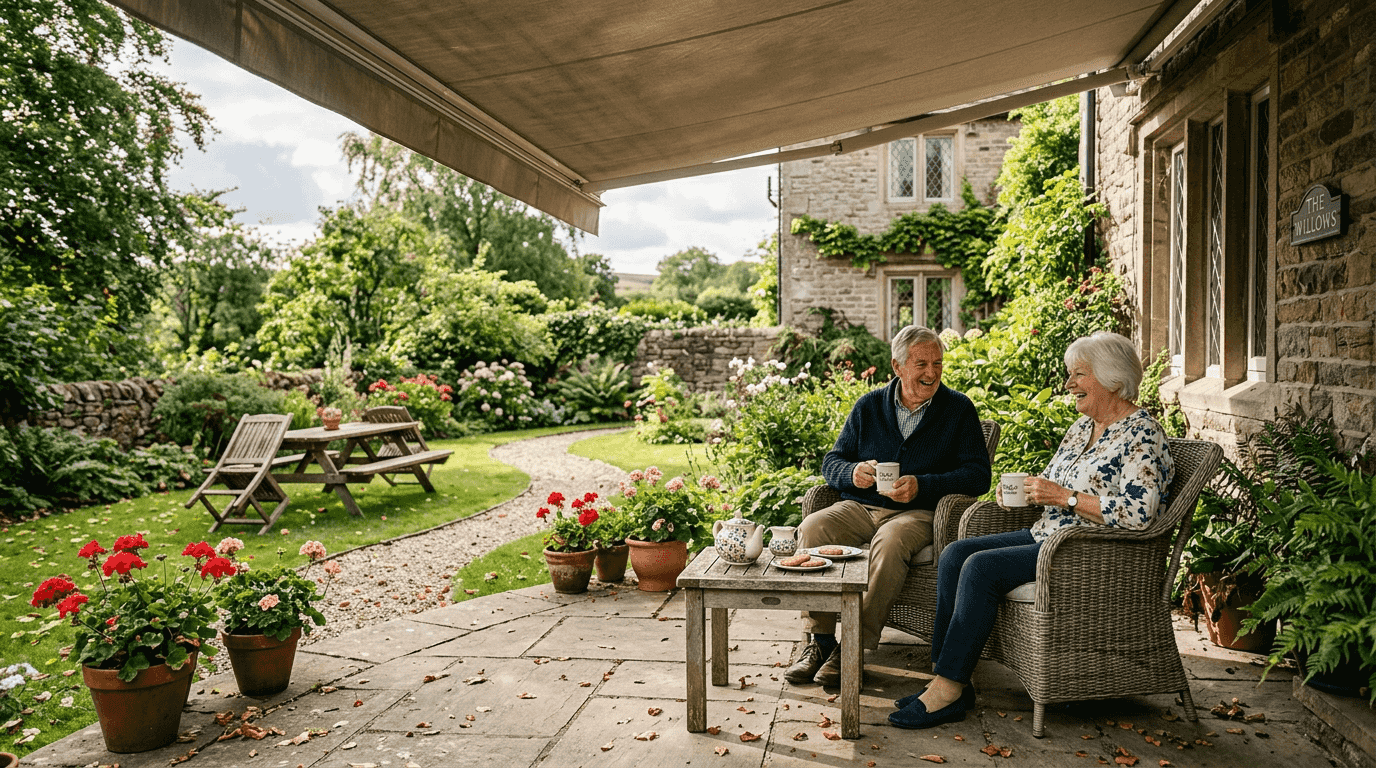
Outdoor shading is often dismissed as a decorative afterthought, yet it can reduce solar heat gain by up to 70% and slash cooling costs by 10 to 25%. For homeowners and businesses across Yorkshire, Derbyshire, Nottinghamshire, and Lincolnshire, this means tangible savings, improved comfort, and enhanced outdoor living spaces. This guide explores how outdoor shading works, compares shading methods, explains design considerations for balancing daylight and glare, and reveals practical ways to boost property appeal and usability year round.
Table of Contents
Key takeaways
Point | Details |
Heat reduction | Outdoor shading cuts solar heat gain by up to 70%, lowering indoor temperatures by 3 to 5°C. |
Energy savings | Cooling costs drop by 10 to 25% for homes and businesses using external shading. |
External advantage | External shading blocks heat at the source, outperforming internal options and mechanical cooling. |
Design balance | Balancing glare reduction with daylight autonomy is essential for comfort and natural light. |
Property value | Shading enhances outdoor usability, curb appeal, and market value for residential and commercial properties. |
How outdoor shading reduces heat and lowers energy costs
Solar heat gain occurs when sunlight passes through windows and heats indoor spaces. This phenomenon drives up indoor temperatures, forces air conditioning to work harder, and inflates energy bills. Outdoor shading intercepts sunlight before it reaches glazing, blocking radiant heat at the source rather than trapping it inside like curtains or internal blinds do.
Outdoor shading reduces solar heat gain by up to 70%, lowering indoor temperatures by 3 to 5°C and cutting cooling energy costs by 10 to 25% for homeowners and businesses in UK regions like Yorkshire. This passive cooling strategy reduces reliance on mechanical systems, prolongs HVAC lifespan, and delivers measurable savings throughout summer months. Unlike internal shading, which allows heat to penetrate glazing and become trapped between window and blind, external solutions prevent thermal build up entirely.
Regional studies across the UK confirm these savings translate directly to lower utility bills. A well positioned awning or louvre system on south and west facing windows can transform an overheated conservatory or office into a comfortable, usable space without constant air conditioning. The benefits extend beyond cost savings:
Improved indoor comfort with stable, cooler temperatures
Reduced glare on screens and furnishings
Extended lifespan of HVAC equipment through reduced workload
Lower carbon footprint from decreased energy consumption
Enhanced outdoor usability by creating shaded zones for dining, relaxation, or work
Pro Tip: Position external shading on south and west facing windows to maximise heat blocking effectiveness during peak sun hours, especially in summer when solar angles are highest and heat gain is most intense.
For Yorkshire homeowners seeking to cut energy costs and improve comfort, outdoor shading offers a proven, low maintenance solution that pays dividends year after year.
Comparing outdoor shading methods: external vs internal and natural vs artificial
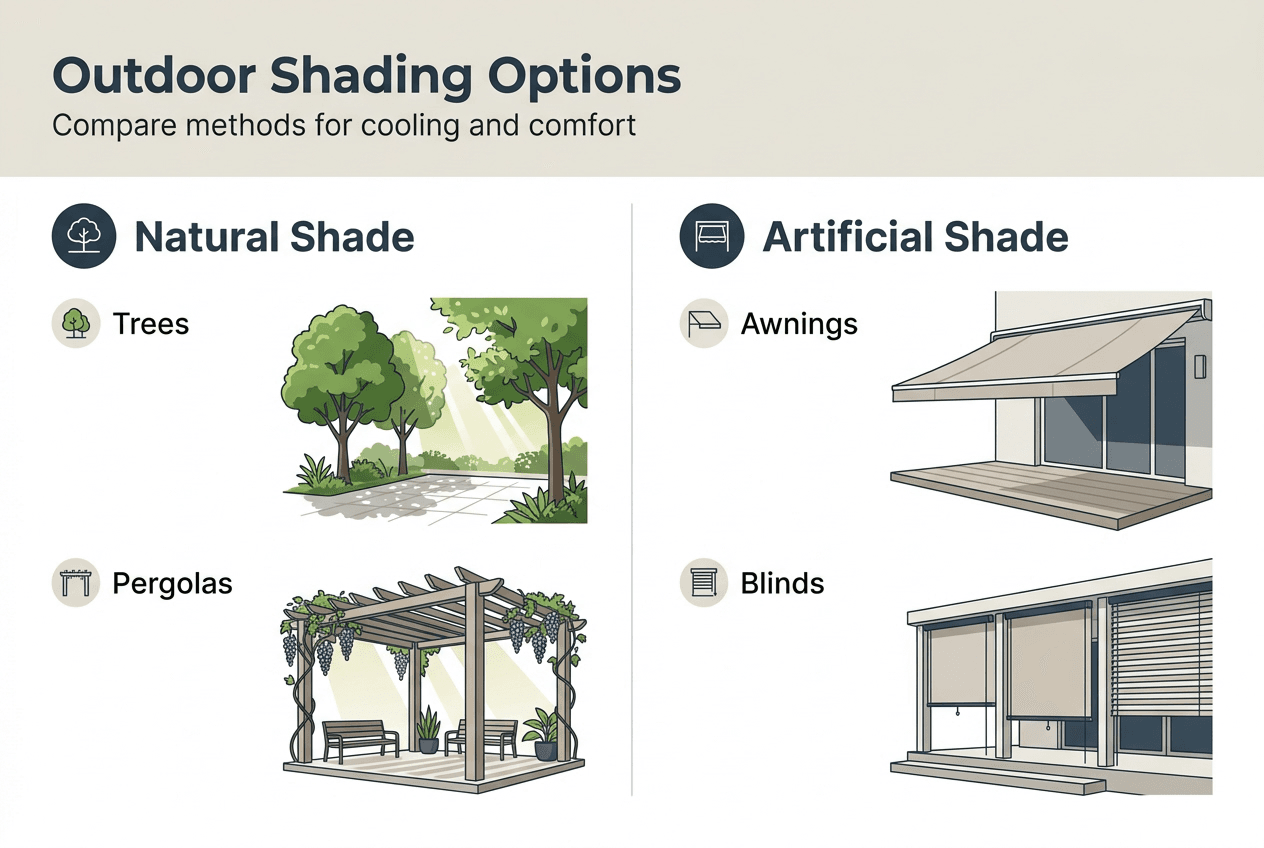
Shading solutions fall into two broad categories: external versus internal, and natural versus artificial. Understanding these distinctions helps you choose the most effective option for your property and climate.
External shading blocks solar radiation before it reaches glazing, preventing heat from entering the building envelope. Internal shading, such as curtains or roller blinds, allows sunlight to penetrate windows and only reflects or absorbs heat once it is already inside, trapping warmth between glass and fabric. This fundamental difference explains why external solutions deliver superior cooling performance.
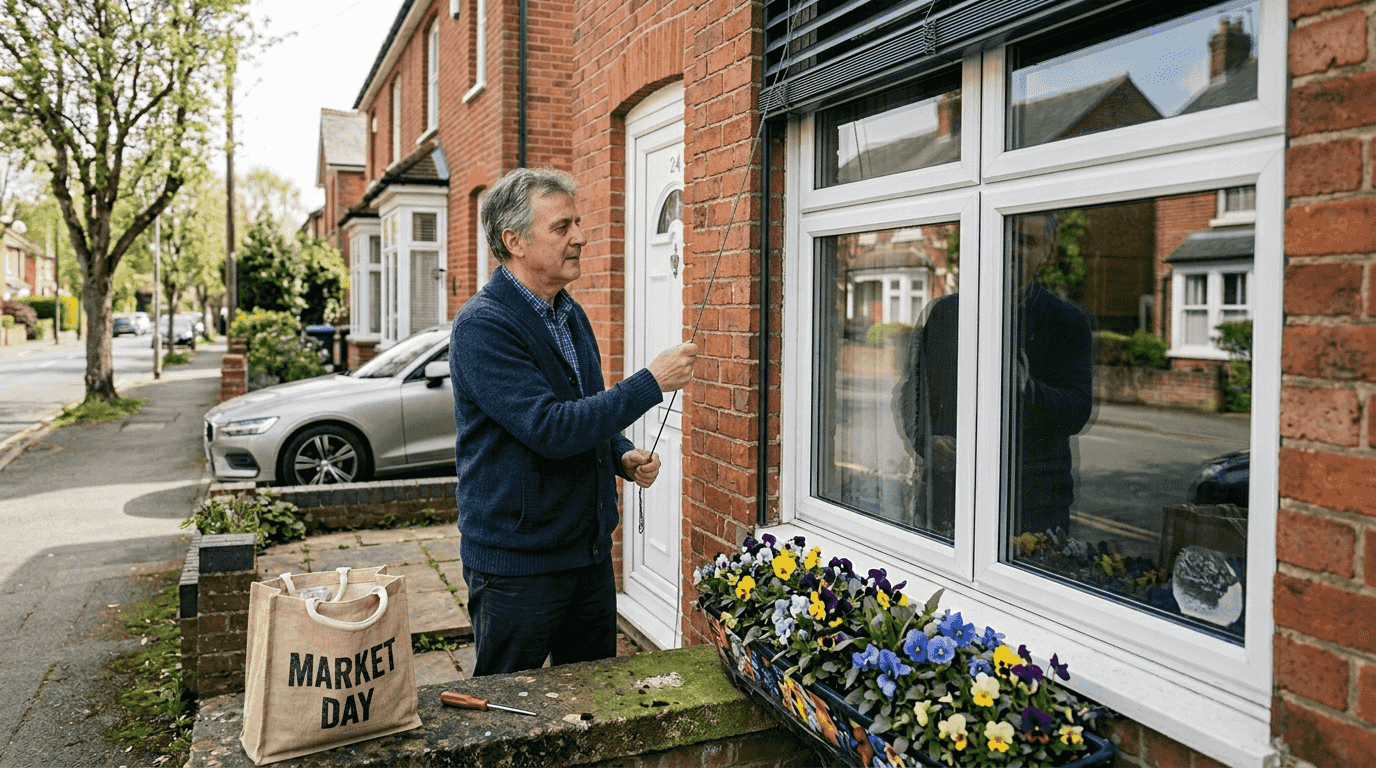
Natural shading includes trees, pergolas with climbing plants, and architectural overhangs. These methods are passive, require no energy input, and provide aesthetic and environmental benefits. Artificial shading encompasses louvres, retractable awnings, external blinds, and fixed screens. While artificial options offer precise control over light and shade, motorised versions consume electricity and require periodic maintenance.
External shading blocks heat at the source and outperforms internal options; artificial shading offers precise control but requires power; shading can cut cooling demand by up to 80%. The table below compares common shading types:
Shading type | Advantages | Disadvantages | Typical cost | Energy savings |
External louvres | Adjustable, high heat blocking, modern look | Higher upfront cost, maintenance | £3,000 to £8,000 | 60 to 80% cooling reduction |
Retractable awnings | Flexible, easy to retract, customisable | Fabric wear, manual or electric operation | £800 to £3,500 | 50 to 70% cooling reduction |
Fixed overhangs | Passive, no moving parts, architectural | Limited adjustability, shading angle fixed | £1,500 to £5,000 | 40 to 60% cooling reduction |
Internal blinds | Low cost, easy installation | Heat trapped inside, lower effectiveness | £100 to £600 | 10 to 30% cooling reduction |
Natural planting | Eco friendly, aesthetic, air quality benefit | Slow growth, seasonal variation | £200 to £2,000 | 30 to 50% cooling reduction |
Choosing the right shading method depends on several factors:
Building orientation: south and west facing facades benefit most from external shading
Budget: natural and fixed solutions offer lower upfront costs; motorised systems cost more but add convenience
Aesthetics: retractable awnings and louvres suit modern designs; overhangs and planting complement traditional architecture
Control needs: adjustable louvres and awnings let you fine tune light and shade throughout the day
Maintenance tolerance: passive solutions like overhangs require minimal upkeep; fabric awnings need periodic cleaning and inspection
For Yorkshire homeowners balancing energy costs and comfort, external shading consistently delivers the best performance, while natural and passive options provide long term, low maintenance benefits.
Design considerations: balancing daylight, glare reduction and outdoor usability
Effective shading design requires balancing competing priorities: reducing glare and heat whilst preserving natural daylight and views. Two key metrics guide this balance: daylight autonomy (DA), which measures the percentage of occupied hours with sufficient natural light, and daylight glare index (DGI), which quantifies discomfort from excessive brightness.
Balancing glare reduction with daylight autonomy requires careful design; screens reduce glare but can halve daylight availability; overhangs better preserve views and natural light. Overly aggressive shading can plunge interiors into gloom, forcing occupants to rely on artificial lighting and negating energy savings. Conversely, insufficient shading leaves rooms overheated and uncomfortable.
Several design strategies help strike the right balance:
Adjustable louvre systems allow you to tilt blades to control light intensity and direction without fully blocking daylight
Selective external screens filter harsh sun whilst maintaining visibility and natural illumination
Architectural overhangs sized to building orientation and latitude provide passive shading that respects seasonal sun angles
Retractable awnings offer flexibility to shade during peak heat and retract to maximise light on overcast days
Combining shading types, such as fixed overhangs with adjustable louvres, delivers year round adaptability
Pro Tip: Select shading that allows outdoor spaces to remain usable and pleasant year round by prioritising adjustable or retractable options that adapt to changing weather, sun angles, and seasonal needs.
Expert insight reinforces the importance of tailored design:
Well designed outdoor shading transforms both indoor comfort and outdoor usability. The key is matching shading type, orientation, and adjustability to your specific building, climate, and lifestyle needs. A one size fits all approach rarely delivers optimal results.
For homeowners exploring outdoor shading examples and design inspiration, consulting specialists who understand regional climate patterns and building types ensures shading solutions enhance rather than compromise daylight, views, and aesthetics.
Practical applications: enhancing comfort and property appeal with outdoor shading
Outdoor shading delivers measurable comfort improvements and aesthetic benefits that extend far beyond energy savings. For homes and businesses across Yorkshire, Derbyshire, Nottinghamshire, and Lincolnshire, shading transforms underutilised outdoor areas into functional, inviting spaces that boost property value and market appeal.
Comfort benefits include:
Cooler indoor and outdoor temperatures, reducing reliance on air conditioning
Reduced glare on screens, furnishings, and outdoor dining areas
Protection from insects and UV radiation, making outdoor spaces safer and more pleasant
Extended usability of patios, terraces, and conservatories throughout warmer months
Outdoor shading solutions can cut cooling demands by up to 80%, improving comfort and lowering energy spend for residential and commercial properties in Yorkshire and neighbouring counties. To select and install shading suited to your property and climate, follow these steps:
Assess your building orientation and identify south and west facing areas with highest sun exposure.
Determine your priorities: energy savings, outdoor usability, aesthetics, or a combination.
Evaluate budget and maintenance tolerance to narrow shading options.
Consult shading specialists familiar with UK climate and regional building styles.
Choose materials and finishes that complement your property’s architecture and colour palette.
Schedule professional installation to ensure proper mounting, weatherproofing, and operation.
Aesthetic benefits enhance property appeal:
Boosted curb appeal with modern, stylish shading that elevates building appearance
Extended patio and garden usability, creating inviting outdoor living and entertaining areas
Modernised building look through sleek louvres, retractable awnings, or custom pergolas
Increased property value as buyers and tenants recognise energy efficiency and outdoor amenity benefits
For businesses such as restaurants, hotels, and offices, outdoor shading expands usable space, attracts customers, and projects a commitment to comfort and sustainability. Residential properties gain functional outdoor rooms that extend living areas and enhance lifestyle quality.
Local trends across Yorkshire and surrounding counties show growing demand for retractable awnings, louvre pergolas, and custom shading solutions that blend seamlessly with traditional and contemporary architecture. Homeowners increasingly view outdoor shading as an investment in comfort, energy efficiency, and property value rather than a cosmetic add on.
Pro Tip: Regular maintenance, including fabric cleaning, hardware lubrication, and seasonal inspections, preserves shading performance and lifespan, ensuring your investment delivers benefits for years to come.
Exploring stylish patio awning ideas and understanding the role of awnings in home design helps homeowners and businesses visualise how outdoor shading can transform their properties.
Explore outdoor shading solutions with Infinity Awnings
Infinity Awnings specialises in outdoor shading solutions tailored to the UK climate and architectural styles across Yorkshire, Derbyshire, Nottinghamshire, and Lincolnshire. With over 15 years of experience, the company delivers customisable, high quality external shading products that enhance comfort, save energy, and elevate property aesthetics.
Whether you need retractable awnings for flexible shade control, louvre systems for modern outdoor living, or bespoke pergolas that extend usable space, Infinity Awnings offers expert advice and professional installation. Their product range includes premium brands like Weinor, Llaza, and Tarasola, with options for manual or electric operation, diverse fabric patterns, and add ons such as LED lighting and heaters.
Services and products include:
Retractable awnings for patios, terraces, and gardens
Louvre pergolas with adjustable blades for year round comfort
Fixed and motorised external shading systems
Custom verandas and outdoor structures
Visit Infinity Awnings to explore guides, browse the product range, and request a free quote. Discover how outdoor shading can cut energy costs across Yorkshire and transform your property into a comfortable, stylish, and energy efficient space.
Frequently asked questions
What are the main benefits of outdoor shading for UK homes?
Outdoor shading reduces solar heat gain by up to 70%, lowering indoor temperatures and cutting cooling costs by 10 to 25%. It extends outdoor living space usability by creating comfortable, shaded areas for dining, relaxation, and entertaining throughout warmer months. Shading also improves property value and curb appeal, making homes more attractive to buyers and enhancing aesthetic quality.
How does external shading compare to internal shading?
External shading blocks heat before it enters the building, preventing solar radiation from penetrating glazing and reducing cooling load significantly. Internal shading, such as curtains or blinds, traps heat between the window and fabric, allowing warmth to accumulate inside and reducing effectiveness. External solutions consistently outperform internal options for energy savings and comfort.
Can outdoor shading really reduce my energy bills?
Yes, outdoor shading reduces heat gain, lowering cooling load and cutting energy bills by 10 to 25% on average for UK homes and businesses. Actual savings depend on shading type, building orientation, glazing area, and usage patterns. External shading on south and west facing windows delivers the greatest impact, especially during peak summer months.
What maintenance do outdoor shading systems require?
Retractable awnings need periodic fabric cleaning and inspection for wear, typically once or twice per year. Louvre systems require occasional lubrication of moving parts and checking for debris in tracks. Fixed overhangs and natural shading demand minimal upkeep beyond seasonal inspections. Regular maintenance preserves performance, extends lifespan, and ensures shading systems continue delivering comfort and energy savings.
How does outdoor shading improve property value?
Outdoor shading enhances curb appeal, extends usable outdoor space, and demonstrates energy efficiency, all of which attract buyers and tenants. Properties with well designed shading systems command higher market values and rent premiums due to improved comfort, lower running costs, and aesthetic quality. For businesses, shading creates inviting outdoor areas that attract customers and enhance brand image.
Recommended
Comments