
What Defines High Quality Awnings for UK Homes

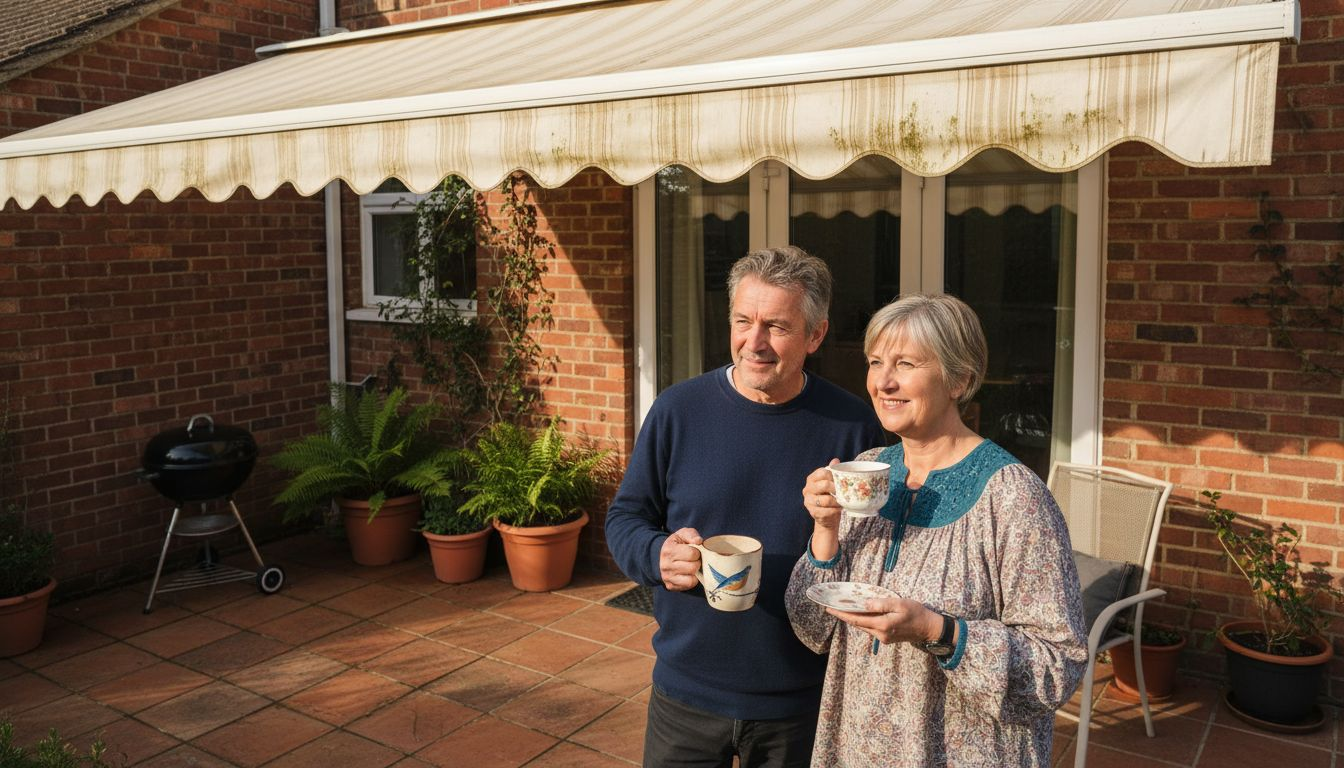
Yorkshire’s weather changes quickly, but that should not keep you from enjoying your patio or garden. Many homeowners struggle with problems like harsh sun, rain showers, and fading outdoor spaces. Choosing a durable, high-performing awning means more than shade—it creates comfort, style, and long-term protection for your home. This guide helps you spot genuine quality and select a retractable awning that brings both beauty and practicality to your outdoor living.
Table of Contents
Key Takeaways
Point | Details |
Quality Awnings Solve Real Problems | High-quality awnings offer protection against heat, glare, and unpredictable weather, enhancing comfort in Yorkshire homes. |
Critical Dimensions of Quality | Look for performance, durability, aesthetics, and reliability when selecting an awning to ensure long-term value. |
Importance of Compliance | Ensure that your chosen awning meets British standards for weather resilience and structural integrity to prevent future issues. |
Avoid Common Pitfalls | Avoid compromising on quality, ignoring the climate, and overlooking professional installation to maximize your investment in awnings. |
Defining High Quality Awnings: Core Principles
High-quality awnings aren’t just about aesthetics. They solve real problems: heat, glare, UV damage, and unpredictable British weather. Understanding what makes an awning truly high-quality helps you invest wisely in your Yorkshire home.
What Separates Quality from Ordinary
A quality framework for awnings rests on several critical dimensions. Performance matters most—your awning should deliver what you need it to do reliably. A durable, high-performing awning handles Yorkshire’s rain without sagging, manages strong summer sun without fabric degradation, and operates smoothly for years.
Awnings also solve historically important problems. They’ve long provided practical solutions to overheating and glare whilst maintaining ventilation during rainy weather. Modern quality awnings build on this foundation with contemporary materials and engineering.
Core Quality Dimensions
A structured approach to quality includes these elements:
Performance: Delivers genuine heat and UV reduction, weather protection, and reliable operation
Durability: Withstands Yorkshire’s climate—frequent rain, wind, and seasonal temperature shifts—without structural failure
Conformance: Meets British standards and safety regulations consistently
Aesthetics: Complements your home’s exterior, with fabric options and finishes that enhance curb appeal
Reliability: Functions predictably over extended periods, whether manual or electric
Serviceability: Repair parts are available; maintenance is straightforward and cost-effective
Perceived Quality: Feels solid, looks premium, and demonstrates attention to detail in construction
The Durability Test
Fabric quality defines longevity more than anything else. Premium awning materials resist fading from Yorkshire’s unpredictable sunlight whilst remaining flexible in cold winters. They shed water effectively without pooling or mildew growth.
The frame construction matters equally. Aluminium frames should be powder-coated to resist corrosion in damp climates. Joints and fasteners must be robust—weak connection points fail first when wind stress increases.
A high-quality awning performs consistently for 10 to 15 years with minimal maintenance, surviving Yorkshire winters and wet summers without degradation.
Aesthetic Integration
Quality awnings blend function with design. Awning fabrics come in diverse styles and patterns that coordinate with existing architecture rather than clash with it. Colour retention matters: budget-quality fabrics fade noticeably within 3 to 5 years, whilst premium options maintain vibrancy longer.
Customisation options signal quality. You should choose between electric and manual operation, select patterns that match your taste, and add features like LED lighting without compromising the core structure.
Practical Indicators of Quality
When evaluating awnings, look for these signs:
Reputable supplier with 10+ years’ experience in your region
Products from established manufacturers with proven track records
Detailed warranty covering fabric, frame, and mechanical components
Free site assessment to ensure proper sizing and installation
Clear maintenance guidance and readily available spare parts
Local installation support with certified fitters
Pro tip: Request testimonials from Yorkshire homeowners who installed awnings 5+ years ago—their feedback reveals real durability and whether the supplier honours warranties when problems emerge.
Types of Awnings and Key Distinctions
Not all awnings are created equal. Different types serve distinct purposes, suit different spaces, and demand varying levels of maintenance. Yorkshire homeowners benefit from understanding these distinctions before committing to an investment.
Retractable Awnings
Retractable awnings offer flexibility that fixed models cannot match. You can extend them when weather permits and retract them during heavy rain, strong winds, or winter months. This adaptability protects the fabric from unnecessary wear whilst giving you control over sun exposure.
Retractable designs work brilliantly on patios, decks, and garden areas where you want seasonal shade without permanent obstruction. They integrate seamlessly with modern homes and require minimal structural commitment during installation.
Fixed and Permanent Structures
Fixed awnings remain in one position year-round, providing consistent protection. They’re ideal for windows requiring permanent UV reduction or entrances needing weather shelter. Unlike retractable models, fixed awnings withstand higher wind loads because they’re engineered for permanent installation.
Permanent structures demand more careful positioning since you cannot adjust them. However, they require less mechanical maintenance and typically last longer than retractable alternatives.
Motorised versus Manual Operation
The operating mechanism distinguishes awnings significantly. Motorised awnings extend and retract at the push of a button, offering convenience and allowing wireless remote control. Manual models require physical effort but eliminate dependency on electrical systems and battery replacement.
Your choice depends on frequency of use and accessibility. High-traffic patios benefit from motorised convenience, whilst occasional-use spaces suit manual operation perfectly.
Choosing between retractable and fixed awnings depends on your climate, usage patterns, and whether you need seasonal flexibility or year-round protection.
Material and Fabric Distinctions
Awning types differ fundamentally in their material construction. Premium fabrics resist UV fading and water pooling, whilst basic materials degrade quickly in Yorkshire’s unpredictable climate. Building regulations regarding protection from impact inform safety standards for frame materials and structural integrity across residential installations.
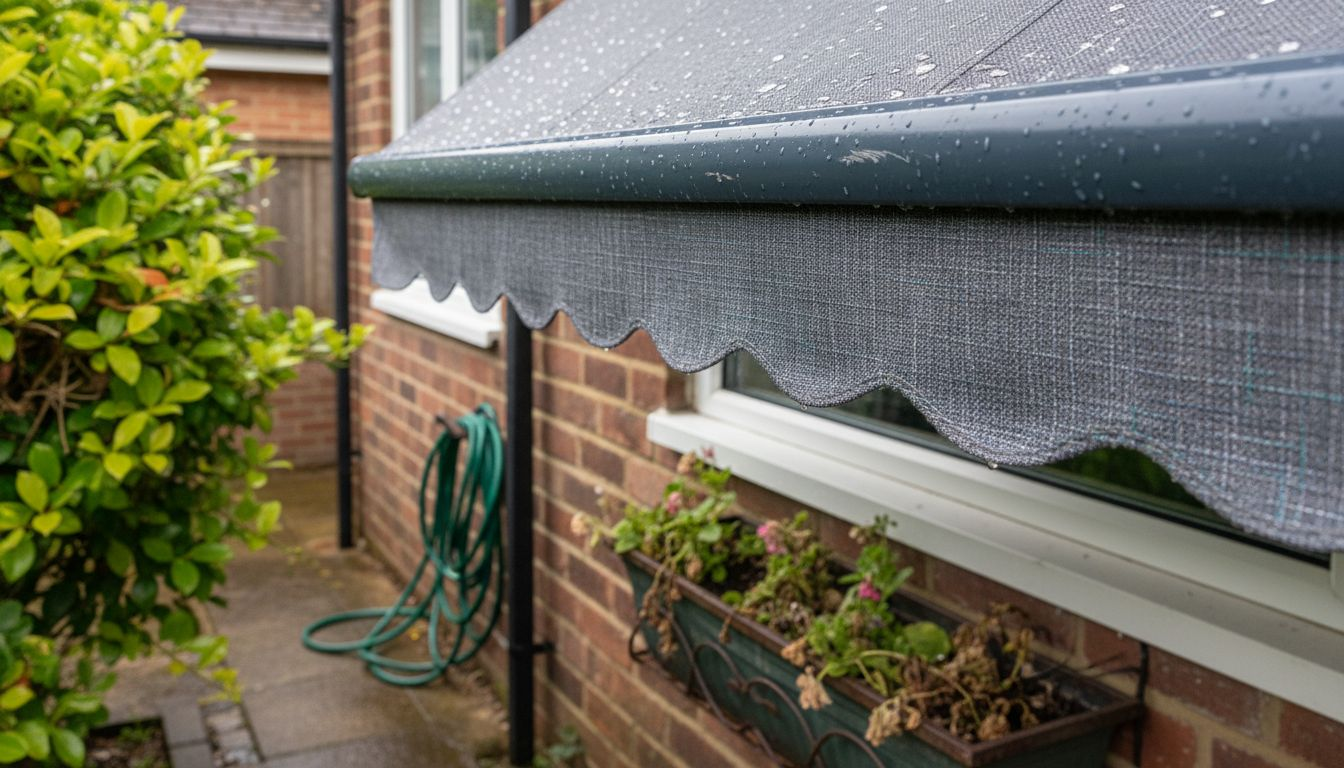
Frame materials—aluminium, steel, or composite—determine durability and weight. Aluminium resists corrosion in damp conditions, whilst powder-coated finishes add longevity.
Bespoke versus Standard Models
Commercial and residential awnings serve different functional requirements, though quality principles remain consistent. Standard models fit common dimensions quickly and affordably. Bespoke awnings custom-fit unusual spaces, incorporate specific fabric colours, and align precisely with architectural styles.
Bespoke options cost more initially but deliver superior aesthetic integration and tailored functionality for your specific outdoor area.
Key Selection Factors
When comparing awning types, evaluate these distinctions:
Size and coverage: Fixed awnings cover larger areas; retractable suit variable needs
Installation complexity: Fixed requires structural work; retractable installs faster
Maintenance demands: Motorised needs electrical servicing; manual requires minimal upkeep
Aesthetic impact: Permanent structures become architectural features; retractable disappear when closed
Climate suitability: Fixed awnings handle constant exposure; retractable protect fabric during harsh weather
Budget constraints: Standard retractable models cost less than bespoke permanent structures
Pro tip: Before deciding between types, assess your patio’s sun exposure throughout the year and how often you’ll actually use the shade—this clarity determines whether retractable flexibility or fixed protection serves you better.
Below is a quick reference for choosing the right awning type for your home:
Awning Type | Best For | Key Benefits | Primary Limitation |
Retractable | Patios, variable use areas | Flexibility, protects fabric | Needs regular operation |
Fixed/Permanent | Windows, entrances | Strong wind resistance | No seasonal adjustability |
Motorised | High-use, hard to reach spaces | Convenience, automation | Higher cost, needs power |
Manual | Occasional-use spaces | Simple, low tech | Requires manual effort |
Essential Features of Premium Awnings
Premium awnings share specific characteristics that distinguish them from budget alternatives. These features determine whether your investment delivers comfort, durability, and long-term value. Understanding what separates quality from mediocrity helps you make confident purchasing decisions.
Structural Strength and Safety
Robust frame construction forms the foundation of any premium awning. Aluminium frames should be reinforced at stress points—joints, connection brackets, and motor mounts. High-quality frames resist bending under wind pressure and handle Yorkshire’s variable weather without compromise.
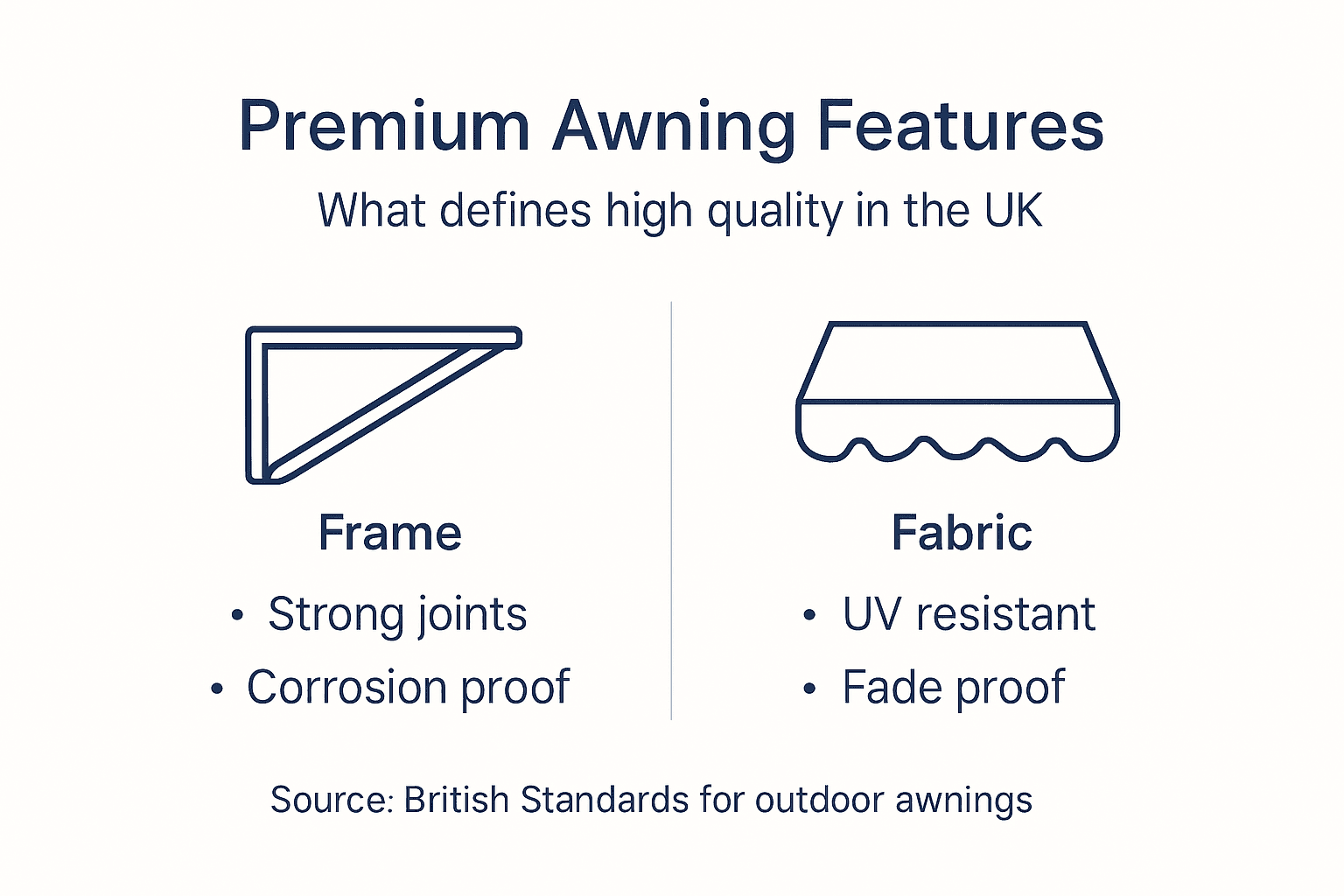
Safety standards matter significantly. Building regulations regarding protection from impact specify that awnings must withstand lateral forces and resist structural failure. Premium models exceed minimum requirements, ensuring reliability in storms and high winds.
Fasteners deserve attention too. Stainless steel bolts and powder-coated hardware resist corrosion in damp climates, whereas cheap zinc-plated alternatives degrade within seasons.
Superior Fabric Performance
Premium fabrics resist fading, water penetration, and mildew growth far longer than standard materials. Quality textiles maintain colour vibrancy even after 5+ years of exposure to Yorkshire’s unpredictable sunlight. They shed water effectively without pooling, preventing mould and bacterial growth.
UV protection built into premium fabrics shields beneath surfaces from harmful radiation whilst allowing ventilation. This feature protects indoor areas from excessive heat gain without creating stagnant, humid microclimates.
Fabric weight matters—heavier materials (typically 300–400 gsm) outlast lightweight alternatives by years.
Mechanical Reliability
Motorised awnings depend entirely on reliable mechanical components. Premium motors operate smoothly, respond instantly, and rarely require repair. They include integrated safeguards: wind sensors that retract automatically during storms, limit switches preventing over-extension, and thermal overload protection.
Manual operation systems should move smoothly with minimal resistance. Cheap mechanisms become stiff within seasons; quality cranks and gears maintain fluid operation indefinitely.
Premium awnings feature multiple safety layers—wind sensors, manual override options, and redundant fail-safes—ensuring performance even when individual components falter.
Ventilation and Air Quality
Proper ventilation design maintains healthy outdoor spaces. Premium awnings allow air circulation beneath their canopy, preventing humid pockets that encourage mould and stagnant conditions. This matters especially in Yorkshire’s damp climate.
Airflow design prevents heat accumulation. Strategic fabric weave and backing allow gentle air movement whilst blocking direct UV radiation, creating genuinely comfortable outdoor environments.
Customisation and Aesthetic Quality
Premium awnings offer extensive feature options and benefits that personalise your outdoor space. Fabric patterns, colours, and finishes integrate seamlessly with existing architecture rather than standing out awkwardly. LED lighting, integrated heaters, and sensor-driven automation enhance functionality whilst maintaining elegant aesthetics.
High-quality installation finishing—clean lines, weatherproofing details, flush brackets—demonstrates attention to detail that budget alternatives lack.
Key Premium Features Checklist
When evaluating awnings, look for these premium characteristics:
Reinforced aluminium frame with stainless steel fasteners
Premium fabric rated 300+ gsm with integrated UV and water protection
Robust motor with wind sensors and automatic safety retraction
Smooth manual override functioning as genuine backup system
Powder-coated finish resisting corrosion in damp climates
Customisation options including patterns, LED lighting, and motorised features
Professional installation with weatherproofing attention
Extended warranty covering fabric, frame, and mechanical components
Pro tip: Request to inspect fabric samples in natural daylight and test motor operation yourself before committing—quality feels noticeably different than budget alternatives, and direct experience builds confidence in your investment.
Here’s how premium and budget awnings differ in critical aspects:
Attribute | Premium Awnings | Budget Awnings |
Frame Material | Reinforced aluminium, rust-resistant | Basic steel or thin metal |
Fabric Lifespan | Maintains colour 5–10 years | Fades within 2–4 years |
Weather Performance | Handles strong wind and rain | Prone to damage in storms |
Operational Ease | Smooth, reliable motor/manual operation | Mechanisms stiffen quickly |
Customisation | Many colours, features, motorised options | Limited patterns, basic controls |
Warranty Coverage | Full cover on frame, fabric, and mechanics | Short/limited warranties |
British Standards and Weather Performance
British Standards exist for good reason. They ensure awnings withstand Yorkshire’s relentless weather whilst protecting your home safely. Standards compliance separates genuinely reliable products from cheap alternatives that fail after seasons.
Understanding British Standards Framework
British Standards establish minimum performance requirements for building components across safety, durability, and environmental conditions. Standardisation provides frameworks ensuring products meet safety and performance requirements consistently. For awnings, this means predictable behaviour in wind, rain, frost, and intense sunlight.
Compliance isn’t bureaucratic box-ticking. It reflects engineering rigour and real-world testing that confirms products function as promised. Manufacturers investing in standards compliance demonstrate genuine commitment to quality.
Weather Resilience Requirements
Yorkshire’s climate demands serious weather protection. Wind resistance matters most—awnings must withstand sustained gusts without structural failure or fabric tearing. British Standards specify testing protocols that replicate extreme conditions your awning will actually encounter.
Rain and water management rank equally. Quality awnings shed water rapidly without pooling, preventing mould growth and structural stress from accumulated weight. Approved Documents provide detailed guidance on weather protection requirements ensuring components withstand rain, wind, and sun exposure consistently.
Temperature cycling also matters. Repeated freeze-thaw cycles crack poor-quality welds and frames. Premium awnings tolerate these extremes without brittleness or metal fatigue.
Wind Load Performance
Wind testing involves precise measurements. Standards specify maximum wind speeds your awning must survive without damage. Premium models often exceed minimum requirements—handling 40+ mph gusts where basic models fail at 25 mph.
Wind sensors automatically retract motorised awnings during storms, preventing catastrophic damage. This feature, combined with robust frame engineering, means your investment survives Yorkshire’s worst weather.
Manual awnings require deliberate retraction before storms. Operators must understand wind conditions and act responsibly, making regular use less convenient during unpredictable weather.
High-quality awnings undergo stringent wind and water testing, ensuring they survive Yorkshire winters and summer storms without degradation or failure.
UV and Fade Resistance
Fabric durability under UV exposure determines lifespan directly. Standards test colour retention, tensile strength, and water penetration after simulated years of sunlight exposure. Premium fabrics maintain vibrancy and strength where budget alternatives fade noticeably within seasons.
UV protection built into fabric backing prevents sun damage whilst allowing heat dissipation. This engineering ensures your patio remains cool without creating stuffy microclimates.
Compliance Verification
When evaluating awnings, look for these compliance indicators:
CE marking confirming European Standards compliance
Test certificates from independent laboratories
Warranty documentation referencing specific standards
Manufacturer certifications from recognised bodies
Installation guidelines based on British Standards
Maintenance requirements ensuring continued compliance
Real-World Performance Testing
Standards compliance means your awning performs predictably across seasons. Weatherproofing solutions protect Yorkshire homes effectively when properly engineered and installed. Professional installers understand local climate challenges and position awnings accordingly.
Regular maintenance keeps your awning performing at standard levels. Fabric cleaning, mechanical checks, and fastener inspection prevent degradation that voids warranty protection.
Pro tip: Request independent test certificates proving wind and water resistance before purchasing—standards compliance matters less than documented evidence your specific awning model survives Yorkshire conditions reliably.
Common Pitfalls When Choosing Awnings
Awning purchases often disappoint because homeowners overlook critical factors before committing money. Understanding common mistakes helps you avoid costly errors and invest wisely in outdoor comfort.
Prioritising Price Over Quality
Budget-focused decisions frequently backfire spectacularly. The cheapest awning rarely delivers value—it fades within seasons, mechanisms jam, and fabric tears under mild wind stress. You’ll spend replacement costs within five years.
Quality awnings cost more initially but function reliably for 10–15 years. Spreading that investment across genuine durability versus replacing budget models multiple times makes premium options actually cheaper long-term.
Ignoring Your Climate and Weather Patterns
Yorkshire’s weather demands specific engineering. Undersizing wind resistance leaves your awning vulnerable to seasonal storms. Failing to account for environmental risks like storms compromises external fittings and reduces their protective lifespan significantly.
Rain pooling destroys fabric and stresses frames. Poor drainage design turns expensive shade investments into mould breeding grounds. Evaluate awnings specifically engineered for damp, windy climates rather than generic models.
Skipping Professional Site Assessment
DIY sizing creates problems immediately. Oversized awnings shade unintended areas and obstruct windows unnecessarily. Undersized models provide inadequate coverage, defeating their purpose entirely.
Professional installers assess sun angles, prevailing winds, structural capacity, and aesthetic integration. Their expertise prevents installation regrets that cost thousands to correct.
Neglecting Installation Standards
Quality awnings installed poorly fail prematurely. Proper installation follows building regulations and manufacturer specifications exactly. Building work guidance highlights how failing to comply with regulations affects longevity and safety, and poor installation voids warranties immediately.
Cheap installers cut corners—inadequate fasteners, insufficient structural reinforcement, improper waterproofing. Your investment collapses when corners were cut during installation.
The costliest awning mistake isn’t the purchase price; it’s choosing an installer without verifying credentials, experience, and warranty coverage.
Overlooking Maintenance Requirements
Ongoing maintenance determines real lifespan. Fabric cleaning, fastener inspection, and mechanical checks prevent degradation. Budget models require constant attention; premium awnings demand minimal upkeep.
Manual awnings need deliberate deployment and retraction discipline. Motorised systems require electrical servicing. Understanding these commitments before purchasing prevents frustration and deterioration.
Making Aesthetic Compromises
Awnings become permanent visual features. Choosing colours and patterns that clash with your home’s architecture creates regret lasting years. Your investment affects curb appeal negatively if aesthetics weren’t considered thoroughly.
When selecting outdoor awnings, align style with architectural context to enhance rather than detract from your property’s appearance.
Critical Mistakes to Avoid
When choosing awnings, steer clear of these errors:
Assuming all awnings suit any climate—Yorkshire demands specific engineering
Trusting online reviews without local context—regional weather differences matter significantly
Picking installers on price alone—warranty and experience protect your investment
Ignoring building regulations compliance—non-compliance creates legal liability
Underestimating maintenance needs—neglect destroys even quality products
Foregoing written contracts—documentation protects both parties
Skipping warranty details—coverage gaps create expensive surprises
Pro tip: Request references from the installer showing awnings installed 5+ years ago in your area—actual performance in Yorkshire conditions matters infinitely more than marketing claims or generic online testimonials.
Discover High Quality Awnings Designed for Yorkshire Homes
Understanding the core principles of high quality awnings is essential to protect your outdoor spaces from the unpredictable British weather. If you are seeking durable, stylish, and reliable shading solutions that meet British Standards and offer excellent UV protection, Infinity Awnings is your trusted partner. With over 15 years of experience supplying and installing premium retractable awnings, pergolas, and verandas tailored specifically for homes and businesses in Yorkshire, Derbyshire, Nottinghamshire, and Lincolnshire, we make your investment count.
Unlock the full potential of your outdoor space with our expertly crafted awnings featuring reinforced aluminium frames, premium fabrics, and both manual and motorised operation options. Visit Infinity Awnings today to get a free quote or explore how our customisable retractable awnings can transform your patio or commercial frontage. Don’t wait for the next storm or summer heat - enhance comfort and style now with solutions that truly withstand UK weather conditions.
Frequently Asked Questions
What are the main characteristics of high-quality awnings?
High-quality awnings are characterised by durable materials, reliable performance, weather resistance, adherence to safety standards, and aesthetic appeal. They should last 10 to 15 years with minimal maintenance while effectively managing heat, UV rays, and rain.
How do I determine if an awning is durable enough for my climate?
To assess durability, check the fabric weight (ideally 300-400 gsm) and ensure the frame is made of powder-coated aluminium to resist corrosion. It should also meet British standards for wind load and weather performance to ensure reliability in adverse conditions.
What are the advantages of retractable awnings compared to fixed awnings?
Retractable awnings provide flexibility, allowing you to extend them when needed for shade and retract them during heavy rain or storms to prevent wear. In contrast, fixed awnings offer consistent coverage but lack the adaptability for changing weather conditions.
What maintenance is required for premium awnings?
Premium awnings require regular cleaning of the fabric, inspection of mechanical components, and checks of fasteners for corrosion. Keeping the awning in good condition ensures its longevity and performance in various weather conditions.
Recommended
Comments