
How to select awning fabric for lasting outdoor appeal
- Andrew Crookes

- Mar 7
- 10 min read
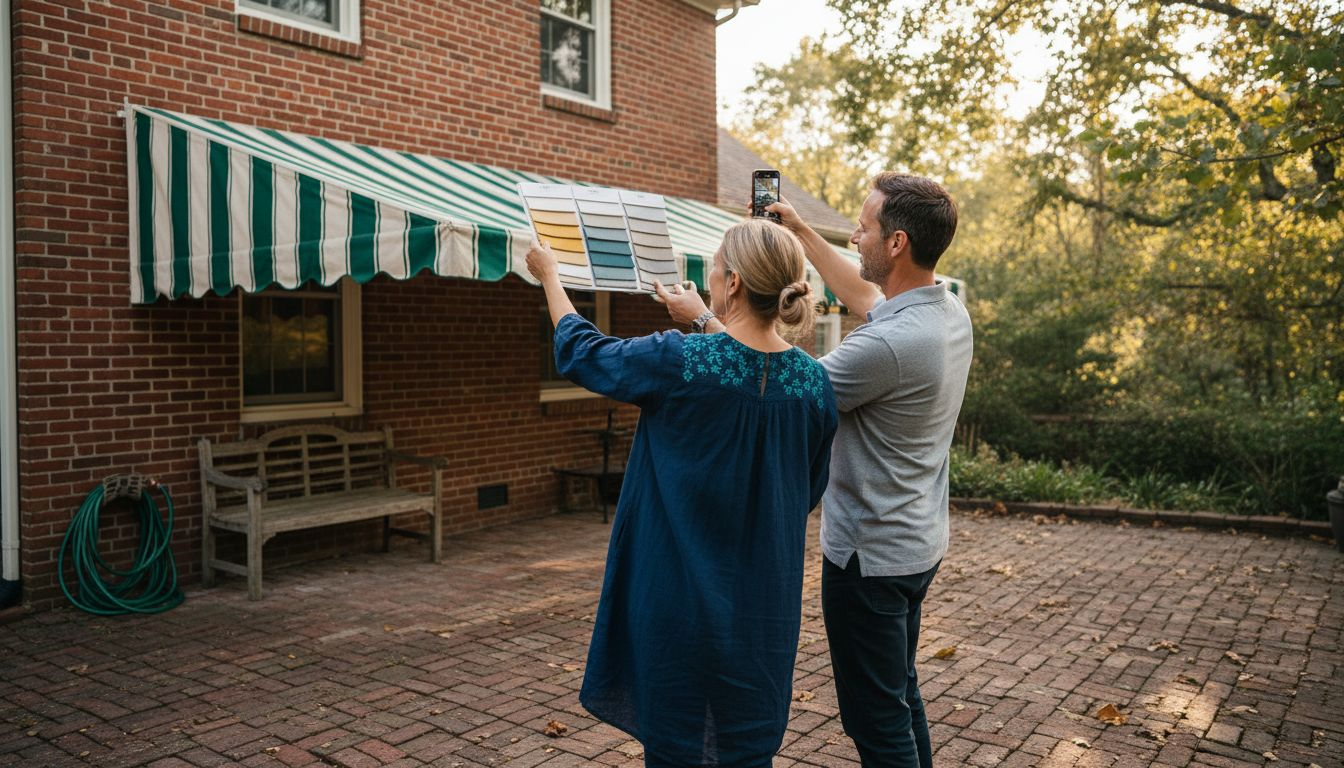
Choosing the right awning fabric can feel overwhelming when faced with hundreds of colours, patterns, and material types. Many UK homeowners discover too late that their awning sags, fades, or develops mildew within just a few seasons. The key lies in matching fabric properties to your local weather conditions and usage needs. This guide walks you through five clear steps to select durable, attractive awning fabric that performs brilliantly for years.
Table of Contents
Key takeaways
Point | Details |
Prioritise weather resistance | Fabrics with UPF 50+ and high water resistance perform best in UK climates. |
Match material to usage | Polyester suits large awnings; acrylic excels with daily use and fade resistance. |
Colour affects maintenance | Dark fabrics hide dirt well; light colours reflect heat but require more frequent cleaning. |
Customise for durability | Protective coatings like Teflon enhance water repellency and extend fabric lifespan significantly. |
Maintain regularly | Clean every 3 to 6 months to preserve appearance and achieve up to 20 years of service. |
Step 1: understanding local weather and fabric durability
Your geographic location directly determines which fabric characteristics matter most. Yorkshire, Derbyshire, Nottinghamshire, and Lincolnshire experience significant rainfall throughout the year, moderate summer sun exposure, and occasional strong winds. These conditions demand fabrics engineered specifically for moisture management and structural integrity.
British climate requires fabrics with high water resistance to prevent mildew growth and fabric degradation. Water pooling on awnings accelerates wear and creates unsightly sagging. Look for fabrics rated for excellent water repellency, ideally with factory-applied treatments that force water to bead and roll off rather than saturate the material.
UV protection remains crucial even in cloudier UK regions. Ultraviolet radiation breaks down fabric fibres and causes colour fading over time. Fabrics with UPF 50+ ratings block over 98% of harmful UV rays, protecting both the material itself and people beneath the awning. This protection level maintains fabric strength and colour vibrancy far longer than unrated alternatives.
Durability standards focus on tensile strength, which measures how much force fabric can withstand before tearing. Quality outdoor awning fabrics typically exceed 200 Newtons per 5 centimetres in both warp and weft directions. This strength prevents wind damage and maintains tautness across large spans.
When evaluating retractable awning material options, consider these essential properties:
Water resistance rating of at least 400mm hydrostatic head
UPF 50+ ultraviolet protection certification
Tensile strength exceeding 200N/5cm in both directions
Mildew and rot resistance for damp climates
Colour fastness rating of 7 or higher on the grey scale
Step 2: selecting fabric type based on usage needs
Material composition profoundly impacts performance, cost, and lifespan. The two dominant fabric types for quality awnings are polyester and acrylic, each offering distinct advantages for specific applications.
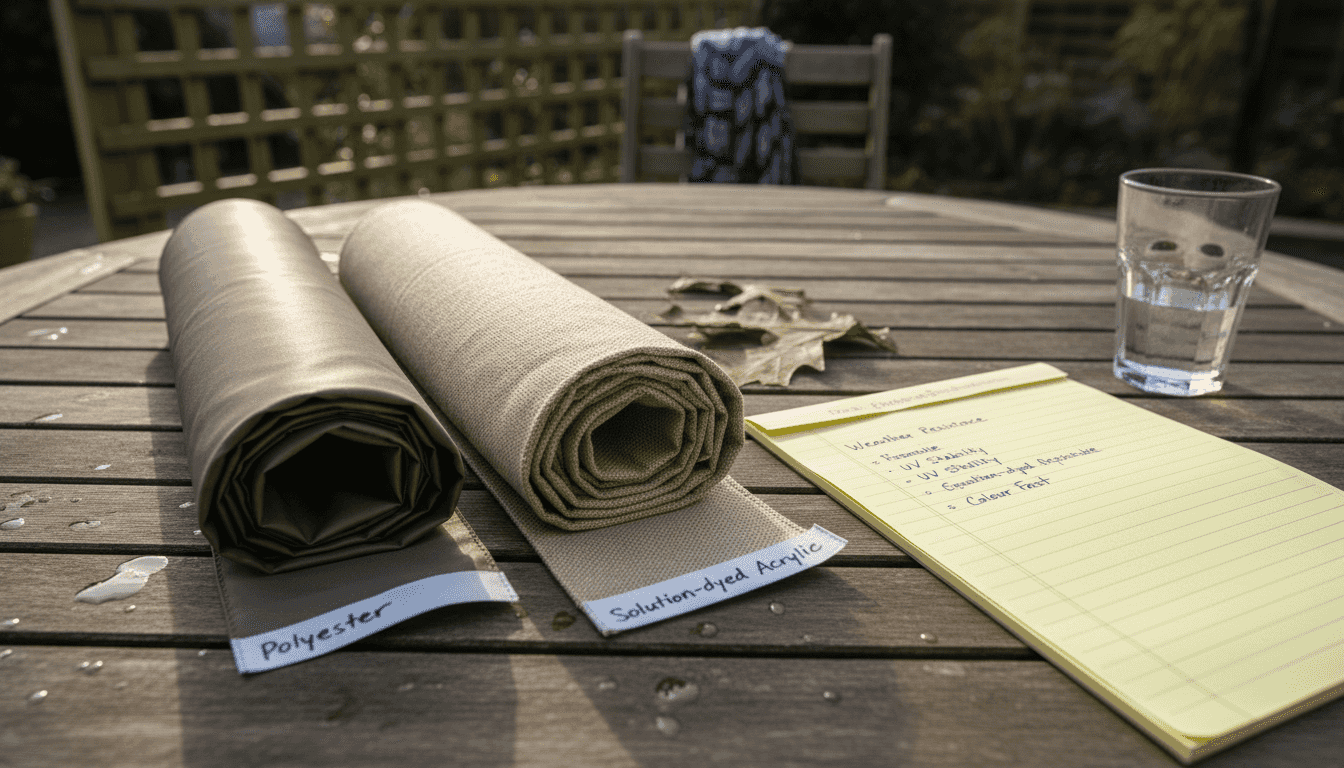
Polyester fabrics deliver excellent structural memory, meaning they maintain tension and resist sagging even on large awnings spanning 5 metres or more. The stiffer nature of polyester makes it ideal for cassette awnings and applications where crisp, taut appearance matters. Initial costs run lower than acrylic, making polyester attractive for budget-conscious homeowners. However, polyester shows greater susceptibility to UV fading over time, with noticeable colour shift possible after 3 to 5 years of constant sun exposure.
Solution-dyed acrylic fabric offers excellent UV protection and superior colour retention. The solution-dying process integrates pigment into the fibre itself during manufacturing, rather than applying dye to finished fabric. This creates colour that penetrates throughout the material, dramatically reducing fade even after years of daily use. Acrylic costs 20% to 40% more than polyester initially but often lasts twice as long with proper care.
Seam construction deserves careful attention regardless of material choice. Sewn seams using UV-resistant polyester thread create mechanical bonds that withstand weathering far better than glued seams. Adhesives degrade under temperature fluctuations and moisture exposure, leading to seam failures within just a few seasons. Quality manufacturers always use double-stitched, reinforced seams for outdoor applications.
Fabric Type | Best Use | Lifespan | Cost | Fade Resistance |
Polyester | Large awnings, budget projects | 5-10 years | Lower | Moderate |
Acrylic | Daily use, premium applications | 10-20 years | Higher | Excellent |
PVC-coated | Commercial, heavy rain exposure | 7-12 years | Moderate | Good |
Pro Tip: Match fabric weight to awning size. Lighter fabrics (280-320 g/m²) suit small to medium awnings under 3 metres, whilst heavier grades (340-400 g/m²) prevent sagging on spans exceeding 4 metres.
Explore various types of awning fabrics to understand how construction methods affect long-term performance in your specific climate.
Step 3: choosing fabric colour and pattern
Colour selection extends beyond aesthetics, directly influencing maintenance requirements and thermal performance. Understanding these practical implications helps you balance visual appeal with realistic upkeep expectations.
Dark colours including navy, charcoal, and forest green effectively mask dirt, pollen, and pollution stains common in UK outdoor environments. These shades require less frequent cleaning and maintain a fresh appearance longer between maintenance sessions. However, dark fabrics absorb more heat, which can create warmer spaces beneath the awning on sunny days.
Light and bright colours such as cream, pale yellow, and soft blue reflect heat brilliantly, keeping covered areas noticeably cooler during warm weather. This makes lighter shades ideal for south-facing patios and conservatory awnings. The trade-off comes in visible dirt accumulation. Light fabrics show dust, bird droppings, and airborne pollutants more readily, demanding cleaning every 2 to 3 months rather than twice yearly.
Spinneret-dyed fabrics resist fading far better than piece-dyed alternatives. This process adds pigment during fibre extrusion, creating colour throughout the material rather than just on the surface. When choosing outdoor awning colours, verify the dying method used, as this significantly affects long-term vibrancy.
Patterned fabrics offer a clever middle ground, combining aesthetic interest with practical dirt concealment. Stripes, geometric patterns, and subtle prints camouflage minor stains whilst adding visual appeal. Multi-colour patterns prove especially forgiving, maintaining fresh appearance with minimal cleaning.
Consider these colour selection guidelines:
Dark solids for low-maintenance, high-use areas
Light colours for heat reflection on south-facing installations
Patterns to balance aesthetics with stain concealment
Coordinate with existing outdoor furniture and home exterior
Request fabric samples to evaluate colour accuracy in natural light
Pro Tip: Order physical swatches before committing to large orders. Screen colours rarely match actual fabric appearance, and seeing samples in your outdoor space prevents costly disappointment.
Step 4: fabric customisation and enhancements
Modern awning fabrics offer extensive customisation options that enhance both performance and personalisation. Understanding available treatments and modifications helps you optimise fabric for your specific needs.
Over 200 fabric colours and patterns provide choices ranging from classic stripes to contemporary solids, ensuring perfect harmony with your home’s architectural style. Premium manufacturers like Weinor and Llaza offer curated collections that simplify selection whilst maintaining quality standards. Custom printing services can even reproduce specific colours or add branding for commercial applications.
Protective coatings dramatically improve fabric performance in challenging UK weather. Teflon treatments create microscopic barriers that repel water, preventing saturation and speeding drying times. These coatings also resist oil-based stains from cooking areas and reduce dirt adhesion. Nanotechnology coatings take this further, creating self-cleaning surfaces where rain actually washes away dirt rather than creating streaks.
Water repellency treatments require reapplication every 3 to 5 years as they gradually wear away. Budget for this maintenance when calculating total ownership costs. Professional reapplication typically costs £80 to £150 depending on awning size.
Additional customisation options include:
Valance styles that add decorative edges and extra shade
Scalloped or straight hem finishes
Contrast piping along seams for visual definition
Custom width and projection to fit unique spaces
Motorisation-friendly fabric weights and constructions
Explore comprehensive custom awning options to understand how personalisation enhances both function and curb appeal. Weigh customisation costs against added value. Basic protective treatments typically add 15% to fabric costs but can extend lifespan by 40% or more.
Step 5: maintenance and cleaning best practices
Proper maintenance directly determines whether your awning fabric reaches its full lifespan potential or fails prematurely. Establishing a simple routine prevents costly repairs and preserves appearance.
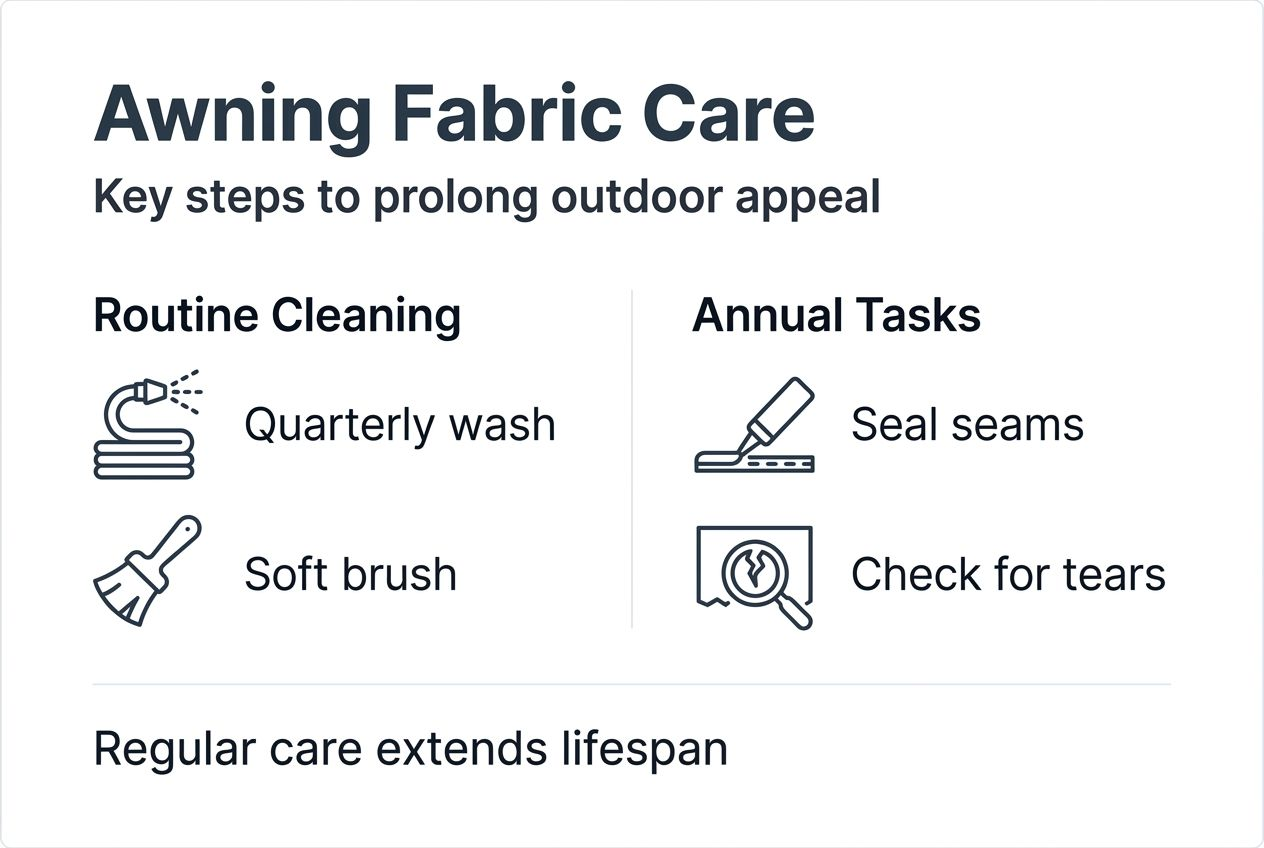
Water-repellent fabrics should be cleaned every 3 to 6 months depending on environmental exposure. Urban locations with higher pollution levels demand more frequent attention than rural settings. Regular cleaning prevents dirt buildup that accelerates fabric degradation and creates permanent staining.
Follow this proven cleaning process:
Brush away loose debris with a soft-bristle brush whilst fabric is dry
Mix mild washing-up liquid with lukewarm water (avoid harsh detergents)
Apply solution with a soft sponge using gentle circular motions
Rinse thoroughly with clean water until no soap residue remains
Allow fabric to air-dry completely before retracting the awning
Never store damp fabric, as this promotes mildew growth
For stubborn stains, diluted bleach solution (1 part bleach to 10 parts water) can be applied carefully to specific areas. Test in an inconspicuous spot first to ensure colour fastness. Rinse immediately and thoroughly after bleach application.
Regular inspections catch problems early:
Check seams for loose threads or separation every 6 months
Examine mounting brackets and hardware for rust or loosening
Test fabric tension and adjust mechanisms if sagging appears
Inspect for small tears that can be repaired before expanding
Clean and lubricate moving parts according to manufacturer guidance
Learn comprehensive strategies for maintaining retractable awnings and review detailed awning maintenance guidance to establish effective routines. Professional cleaning services typically charge £120 to £200 annually but may prove worthwhile for large or high awnings.
Common mistakes and troubleshooting
Understanding frequent errors helps you avoid costly missteps that compromise awning performance and lifespan. Learning from others’ mistakes saves both money and frustration.
Selecting fabric solely based on appearance without evaluating tensile strength and weather resistance leads to premature failures. This common oversight accounts for up to 35% of awning problems within the first three years. Always request specifications confirming water resistance, UV protection, and strength ratings before purchase.
Seam construction quality separates professional-grade awnings from budget alternatives. Glued seams may look acceptable initially but degrade rapidly when exposed to moisture cycles and temperature fluctuations. Adhesives lose bond strength, causing seam separation that requires complete fabric replacement. Insist on sewn seams with UV-resistant thread for any outdoor application.
Underestimating maintenance requirements for light-coloured fabrics creates disappointment as stains accumulate. Homeowners attracted to pristine white or cream fabrics often feel frustrated when dirt becomes visible within weeks. Set realistic expectations about cleaning frequency, or choose darker, more forgiving colours.
A common mistake is selecting an awning fabric solely based on appearance without evaluating fabric tensile strength and weather resistance, which leads to premature sagging and fabric damage.
Avoid these additional pitfalls:
Choosing the cheapest option without considering cost per year of service
Ignoring local wind conditions when selecting fabric weight
Storing awnings whilst damp, promoting mildew and odour
Using harsh chemicals that strip protective treatments
Neglecting annual professional inspections for motorised systems
Invest in high quality awnings from reputable manufacturers to avoid many common issues. Quality construction and materials cost more initially but deliver superior long-term value.
Expected results and lifespan
Setting realistic expectations about fabric performance helps you make informed decisions and appreciate the value of quality materials. Understanding typical lifespans guides both selection and maintenance planning.
Premium fabrics last 10 to 20 years with appropriate care and moderate usage. This longevity assumes regular cleaning, proper storage during harsh weather, and prompt repair of minor damage. Budget fabrics typically deliver 5 to 8 years before replacement becomes necessary.
Colour vibrancy retention varies significantly by fabric type and dying method. Solution-dyed acrylics typically maintain at least 85% of original colour intensity after 5 years of outdoor exposure. Piece-dyed polyesters may show noticeable fading within 3 years, particularly in south-facing installations receiving direct sun.
Structural integrity including fabric tautness persists for at least 5 years in quality awnings without visible sagging. Proper tension adjustment during installation and periodic retensioning extends this further. Cheaper fabrics or oversized spans may sag within 2 to 3 years.
Maintenance frequency correlates directly with overall lifespan and appearance. Awnings cleaned quarterly and professionally inspected annually consistently outlast neglected installations by 40% or more.
Fabric Type | Expected Lifespan | Maintenance Frequency | Fade Resistance | Cost Range |
Polyester | 5-10 years | Every 4-6 months | Moderate | £15-25/m² |
Acrylic | 10-20 years | Every 3-4 months | Excellent | £25-40/m² |
PVC-coated | 7-12 years | Every 6 months | Good | £20-30/m² |
Understand performance expectations for all-weather awning solutions to make informed selections. Calculate total cost of ownership including maintenance rather than focusing solely on initial price.
Complete your awning selection with expert help
Applying these fabric selection principles ensures you choose materials perfectly suited to UK weather and your lifestyle. Professional guidance simplifies the process further, matching technical specifications to your specific needs.
Infinity Awnings offers extensive collections of premium fabrics from leading European manufacturers, all engineered for British climates. Their experts help you navigate the 200+ colour and pattern options whilst ensuring your selection meets durability requirements for your location and usage patterns.
Benefit from over 15 years of installation experience across Yorkshire, Derbyshire, Nottinghamshire, and Lincolnshire. Their team provides honest assessments of which custom options deliver genuine value versus unnecessary upgrades. Ongoing support includes maintenance guidance to protect your investment for decades.
Frequently asked questions
What fabric is best for UK awnings?
Solution-dyed acrylic fabric performs best in UK climates, offering superior UV resistance, excellent water repellency, and outstanding colour retention. Whilst polyester costs less initially, acrylic delivers better long-term value through extended lifespan and reduced maintenance needs.
How often should I clean my awning fabric?
Clean awning fabric every 3 to 6 months depending on environmental exposure. Urban areas with higher pollution require quarterly cleaning, whilst rural locations may only need attention twice yearly. Regular cleaning prevents permanent staining and extends fabric lifespan significantly.
Can I choose bright colours without extra maintenance?
Bright and light colours require more frequent cleaning than dark fabrics to maintain appearance, typically every 2 to 3 months rather than twice yearly. However, protective coatings like Teflon reduce dirt adhesion, making lighter colours more practical than traditional uncoated fabrics.
How long can I expect an awning fabric to last?
Quality acrylic fabrics last 10 to 20 years with proper maintenance, whilst polyester typically provides 5 to 10 years of service. Actual lifespan depends on usage frequency, weather exposure, cleaning regularity, and initial fabric quality. Professional-grade materials consistently outlast budget alternatives.
Are sewn seams really necessary for durability?
Sewn seams are essential for outdoor awning durability. Glued seams degrade rapidly when exposed to moisture cycles and temperature fluctuations, often failing within 2 to 3 years. Double-stitched seams using UV-resistant thread provide mechanical bonds that withstand decades of weathering.
Recommended
Comments