
Restaurant outdoor shading guide 2026: boost revenue

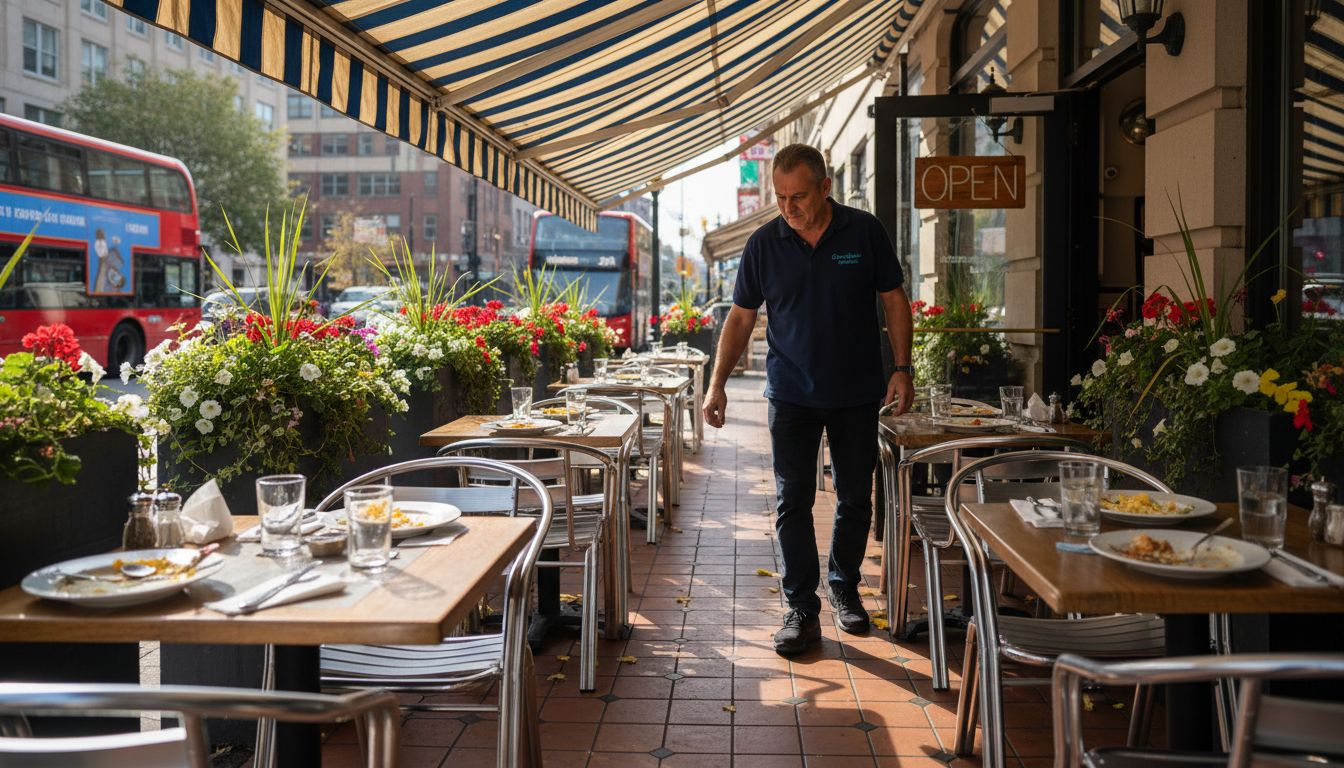
Unpredictable British weather threatens outdoor dining revenue across Yorkshire and the East Midlands. Restaurant owners face a constant challenge: maximising outdoor seating without gambling on sunshine. Effective outdoor shading solutions transform this vulnerability into opportunity, extending dining hours, improving customer comfort, and increasing revenue by up to 30%. This guide helps Yorkshire, Derbyshire, Nottinghamshire, and Lincolnshire restaurant owners select, install, and optimise shading systems that turn outdoor spaces into profitable year-round assets.
Table of Contents
Key takeaways
Point | Details |
Revenue impact | Strategic outdoor shading extends customer dwell time by 20 minutes, potentially increasing revenue by 30%. |
Selection factors | Choose based on available space, local weather patterns, restaurant style, and customer demographics. |
Installation returns | Investment levels between £5,000 and £25,000 yield revenue increases from 10% to 35% within 12 months. |
Year-round usability | Proper shading combined with heating and lighting extends outdoor dining from 4 months to 9+ months annually. |
Customer satisfaction | Well-shaded outdoor spaces see 40% longer customer stays and higher satisfaction ratings. |
Understanding the benefits of outdoor shading for restaurants
Outdoor dining represents one of the fastest-growing revenue streams for UK restaurants, yet weather unpredictability remains the primary obstacle. Quality outdoor shading addresses this challenge directly by creating comfortable, protected spaces that customers actively seek.
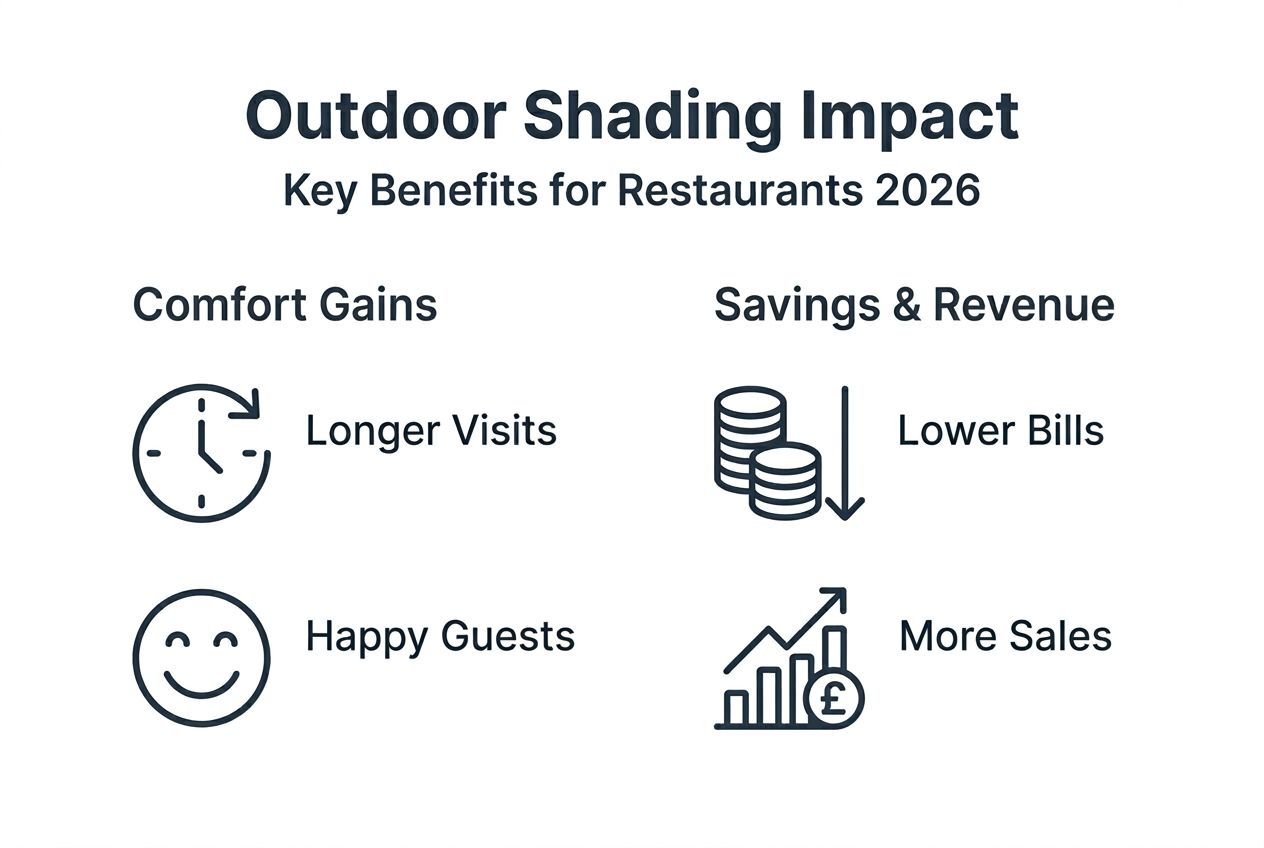
Restaurants with effective shading solutions experience measurably longer customer visits. When diners feel comfortable and protected from harsh sun or light rain, they naturally extend their meals. Research demonstrates that extending dwell time by 20 minutes can increase revenue by up to 30%. This correlation stems from additional drink orders, dessert purchases, and the relaxed atmosphere that encourages leisurely dining.
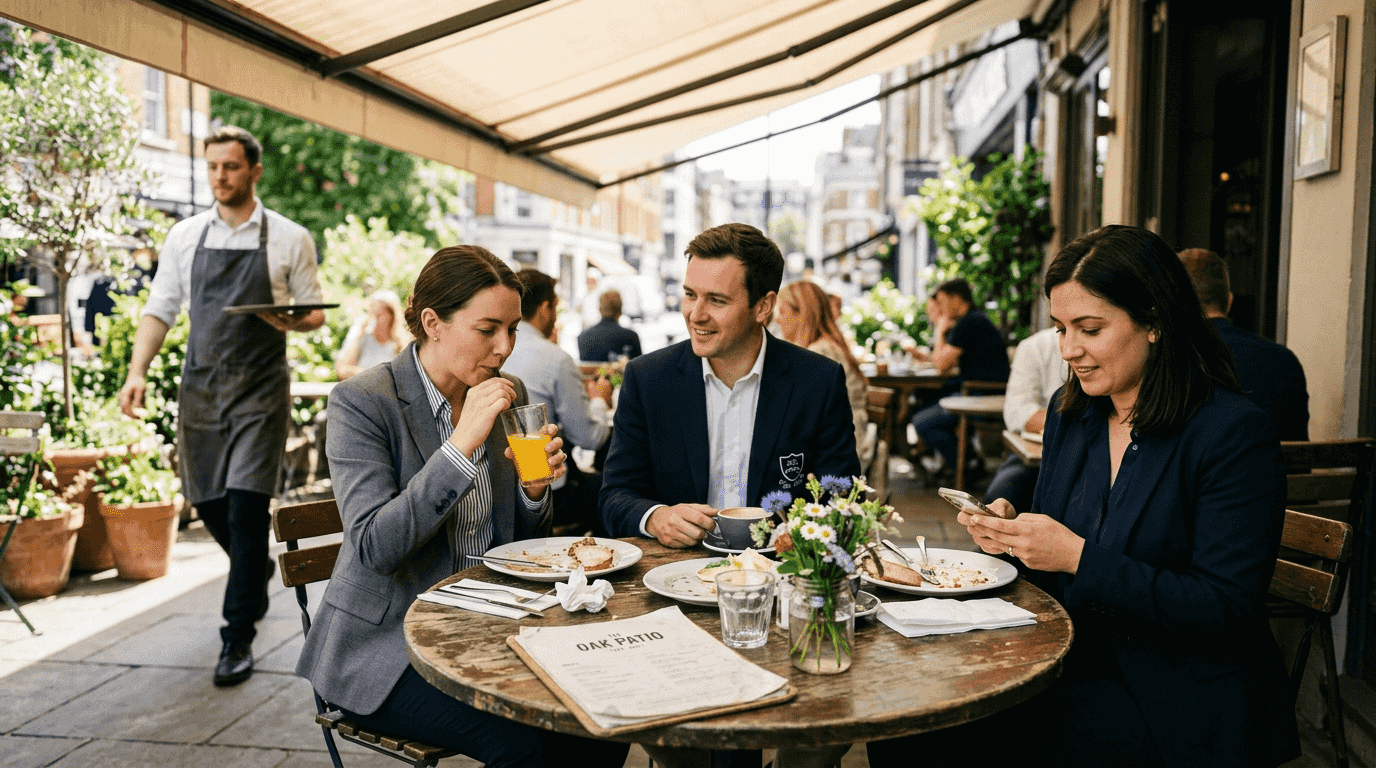
The ambience factor cannot be overstated. Properly designed outdoor shading creates an intimate, restaurant-controlled environment rather than simply placing tables outside. Strategic shading improves lighting control, reduces glare, maintains comfortable temperatures, and establishes a distinct dining zone. Studies show customers remain up to 40% longer in well-lit, heated, and well-seated outdoor spaces compared to basic exposed seating.
Beyond immediate revenue, outdoor shading delivers powerful marketing advantages:
Creates Instagram-worthy dining experiences that drive social media visibility
Differentiates your establishment from competitors with basic outdoor furniture
Provides flexible capacity management during peak seasons
Reduces energy costs by decreasing indoor cooling requirements
Pro Tip: Track your average table turnover time before and after installing shading. Most Yorkshire restaurants see 25-35% increases in outdoor table revenue within the first season.
“Outdoor shading transforms weather from an obstacle into an asset. The right system lets you confidently book outdoor tables regardless of forecast, fundamentally changing your capacity planning and revenue potential.”
The commercial benefits extend beyond summer months. Modern shading systems equipped with heating and lighting enable commercial awning benefits for Yorkshire restaurants to operate outdoor spaces from March through November, effectively doubling or tripling the traditional outdoor dining season.
Preparing to choose the right outdoor shading solution
Successful outdoor shading begins long before installation. Strategic planning ensures your investment delivers maximum returns whilst complementing your restaurant’s character and operational needs.
Assess your physical space thoroughly. Measure available outdoor area, noting fixed obstacles like walls, pillars, or neighbouring buildings. Document sun angles throughout the day and prevailing wind directions. Yorkshire’s northern latitude means afternoon sun comes from the southwest, requiring different coverage than southern England.
Analyse local weather patterns specific to your location. Restaurants in Sheffield face different conditions than those in Lincoln or Nottingham. Review historical rainfall data, average temperatures, and wind speeds for your postcode. This analysis determines whether you need waterproof coverage, wind-resistant structures, or primarily sun protection.
Match shading type to your restaurant concept. Fine dining establishments benefit from elegant pergolas with adjustable louvres. Casual bistros thrive with colourful retractable awnings. Gastropubs often choose robust fixed canopies. Your shading should reinforce brand identity, not conflict with it.
Consider operational factors. Will staff manually adjust shading, or do you need motorised systems? How quickly must you respond to weather changes? Can you dedicate staff to managing outdoor comfort, or do you need automated solutions with rain sensors?
Calculate realistic budgets and expected returns. Research shows outdoor seating can increase revenue by up to 30% for hospitality businesses. Basic umbrella systems start around £2,000 but offer limited coverage. Retractable awnings range from £5,000 to £15,000. Premium pergola systems with heating and lighting can exceed £25,000 but deliver the highest returns.
Pro Tip: Survey your regular customers about outdoor dining preferences before purchasing. Ask specific questions: “Would you dine outside in light rain with proper coverage?” or “How important is outdoor heating for spring and autumn visits?” This data prevents costly mismatches between investment and customer desire.
Successful preparation also involves understanding your outdoor shading options for your space and what is outdoor shading in practical terms. Different systems offer distinct advantages. Retractable awnings provide flexibility, extending when needed and retracting to maximise sun exposure on pleasant days. Fixed pergolas create permanent outdoor rooms, ideal for year-round operation with proper heating. Large umbrellas offer economical solutions for smaller spaces but require more frequent replacement.
Customer demographics significantly influence the optimal choice. Family restaurants need robust, low-maintenance systems. Trendy wine bars benefit from stylish, Instagram-worthy designs. Business lunch venues require quick weather response to protect professional diners.
Executing installation and maximising the effectiveness of your shading
Proper installation separates functional outdoor shading from transformative revenue generators. This phase demands attention to technical requirements, regulatory compliance, and strategic enhancement integration.
Select certified, experienced installers. Outdoor shading systems must withstand Yorkshire’s variable weather, particularly strong winds common across open areas. Certified installers understand structural loading, proper anchoring, and building regulation compliance. Request references from other hospitality clients and inspect completed installations personally.
Plan for operational flexibility. Install shading systems that adapt to changing conditions throughout service. Motorised retractable awnings allow staff to respond instantly to weather shifts without disrupting diners. Segmented coverage lets you shade specific areas whilst leaving others open, maximising comfort and ambience simultaneously.
Integrate complementary comfort systems from the outset. Shading alone extends your season modestly. Combining shading with outdoor heaters and strategic lighting transforms outdoor spaces into year-round assets. LED lighting embedded in awning frames or pergola beams creates magical evening atmospheres whilst reducing separate fixture costs.
Schedule installation during off-peak periods. Spring installations (March-April) allow you to capitalise on the entire peak season. Avoid summer installations that disrupt your busiest revenue period. Most professional installers complete restaurant projects within 2-5 days depending on system complexity.
Train staff on system operation and customer comfort management. Motorised systems require basic training. Staff should understand optimal shading positions for different times of day, how to respond to sudden weather changes, and basic troubleshooting. Empowered staff deliver superior outdoor dining experiences.
Pro Tip: Install rain sensors on motorised awnings. These automatic systems retract fabric before heavy rain causes damage, protecting your investment without requiring staff monitoring. The £300-500 addition prevents thousands in potential fabric replacement costs.
Installation Type | Typical Cost | Installation Time | Maintenance Needs | Expected Revenue Increase |
Premium Umbrellas | £2,000-£5,000 | 1-2 days | High (seasonal storage, frequent replacement) | 10-15% |
Retractable Awnings | £5,000-£15,000 | 2-4 days | Moderate (annual cleaning, 10-year fabric replacement) | 20-30% |
Fixed Pergolas | £15,000-£30,000 | 3-7 days | Low (occasional structural checks) | 25-35% |
Louvred Roof Systems | £20,000-£40,000 | 5-10 days | Low (annual mechanism service) | 30-40% |
The installation phase also presents opportunities to enhance your outdoor space holistically. Consider outdoor shading examples UK spaces for inspiration on layout optimisation, furniture selection, and aesthetic coherence. Successful restaurants treat outdoor areas as extensions of their interior design, not afterthoughts.
Energy efficiency deserves particular attention. Strategic shading reduces heat gain on adjacent indoor spaces, cutting air conditioning costs during summer. Research indicates restaurants can cut energy costs with outdoor shading by 15-25% during peak months. This ongoing saving improves ROI calculations significantly.
Maintenance planning begins at installation. Establish cleaning schedules, typically quarterly for awning fabrics. Document mechanical components requiring annual servicing. Budget for eventual fabric replacement, typically every 8-12 years depending on quality and exposure. Proactive maintenance prevents emergency repairs during peak season and extends system lifespan considerably.
Analysis shows investment in outdoor seating yields potential revenue increases between 10% and 35%, varying by spend level. The correlation between investment quality and returns remains remarkably consistent across UK hospitality sectors.
Verifying results and optimising your outdoor dining experience
Installation completion marks the beginning of optimisation, not the end. Systematic performance monitoring and continuous refinement maximise your shading investment’s value.
Establish baseline metrics immediately post-installation:
Average outdoor table turnover time
Outdoor seating utilisation percentage by weather condition
Average spend per outdoor table versus indoor
Customer satisfaction scores specific to outdoor dining
Outdoor revenue as percentage of total sales
Collect customer feedback actively rather than passively. Brief comment cards asking “How comfortable was your outdoor experience today?” yield actionable insights. Digital feedback systems can track outdoor-specific satisfaction separately from overall restaurant ratings. Pay particular attention to comments about temperature, lighting, and weather protection.
Monitor operational patterns throughout your first full season. Track which weather conditions still deter outdoor bookings despite shading. Note times when shading proves insufficient or excessive. Document staff challenges in managing the system. This real-world data guides future adjustments and potential upgrades.
Adjust configurations seasonally to maximise effectiveness:
Spring: Emphasise wind protection and light rain coverage as temperatures rise
Summer: Focus on sun blocking and ventilation to prevent overheating
Autumn: Integrate heating systems earlier in the evening to extend service hours
Winter: For year-round operations, combine shading with enclosed sidewalls and substantial heating
Pro Tip: Use your first season data to project second-year improvements. Most restaurants achieve 40-60% of their total ROI in year one, with optimisations driving the remainder. Minor adjustments like adding heaters or adjusting shading angles often unlock significant additional revenue.
“The difference between adequate outdoor shading and exceptional outdoor dining lies in continuous refinement. Monitor, adjust, and enhance based on real customer behaviour and staff feedback. Your outdoor space should evolve with your understanding of what drives customer comfort and spending.”
Benchmark your results against industry standards. Businesses see varying revenue increases corresponding to outdoor seating investment levels in UK hospitality. If your returns fall below expectations, identify specific bottlenecks. Insufficient heating? Poor lighting? Limited weather protection? Each challenge has targeted solutions.
Consider expansion once you’ve optimised your initial installation. Successful outdoor spaces often justify additional investment in adjacent areas, extended coverage, or upgraded systems. The choosing outdoor awnings UK decision process becomes easier with operational experience informing your requirements.
Plan for technological upgrades. Smart shading systems with app-based controls, automated weather response, and integrated booking systems represent the industry’s evolution. Early adopters gain competitive advantages whilst building technical expertise.
Explore expert outdoor shading solutions with Infinity Awnings
Transforming your outdoor dining space requires expertise, quality products, and reliable local support. Infinity Awnings brings over 15 years of experience designing and installing premium outdoor shading solutions specifically for Yorkshire, Derbyshire, Nottinghamshire, and Lincolnshire hospitality businesses.
Our specialist team understands the unique challenges restaurant owners face across the region. We supply and install industry-leading brands including Weinor, Llaza, and Tarasola, offering retractable awnings, elegant pergolas, and sophisticated louvred roof systems tailored to your specific requirements. From initial consultation through installation and ongoing support, we deliver solutions that enhance customer comfort, extend your operating season, and drive measurable revenue growth. Visit Infinity Awnings to explore our commercial portfolio and arrange your free site assessment.
Frequently asked questions
What types of outdoor shading are best suited for restaurants?
Retractable awnings offer excellent flexibility for variable British weather, allowing you to adapt coverage throughout service. Fixed pergolas with optional louvred roofs provide robust year-round protection ideal for permanent outdoor dining areas. Large commercial umbrellas suit smaller spaces or supplementary coverage. Your optimal choice depends on available space, architectural style, budget, and whether you prioritise flexibility or permanent weather protection.
How much can outdoor shading increase my restaurant’s revenue?
Effective outdoor shading systems typically increase revenue by up to 30% for hospitality businesses through extended dining hours, improved customer comfort, and higher table utilisation. Actual increases vary based on investment level, local climate, and operational execution. Restaurants combining quality shading with heating and lighting see the highest returns, often exceeding 35% revenue growth on outdoor seating areas. Most establishments achieve positive ROI within 18-24 months.
What maintenance is required for outdoor shading installations?
Retractable awnings require quarterly cleaning and annual mechanical inspections, with fabric replacement every 8-12 years. Fixed pergolas need minimal maintenance beyond occasional structural checks and surface cleaning. Motorised systems benefit from annual servicing of mechanical components. All installations should be inspected before and after winter for weather damage. Professional maintenance contracts typically cost £200-500 annually and significantly extend system lifespan whilst preventing costly emergency repairs during peak season.
Can outdoor shading operate effectively during British winters?
Premium outdoor shading systems combined with infrared heaters and weatherproof sidewalls enable comfortable outdoor dining from March through November across Yorkshire and the East Midlands. Full winter operation (December-February) remains challenging but feasible with enclosed pergola systems, substantial heating, and customer expectations management. Most restaurants find spring through autumn operation (9 months) delivers optimal balance between customer comfort, operational costs, and revenue potential. Retractable systems offer the advantage of complete fabric protection during harsh winter weather.
How long does restaurant outdoor shading installation typically take?
Basic awning installations typically complete within 2-3 days with minimal operational disruption. Complex multi-area coverage or premium pergola systems may require 5-10 days depending on structural requirements and customisation. Most professional installers work around your operating hours, completing structural work during closed periods. Planning and permitting (if required) adds 2-6 weeks before physical installation begins. Schedule installations during off-peak periods (March-April or September-October) to avoid disrupting your busiest revenue periods whilst maximising seasonal benefits.
Recommended
Comments