
Retractable Roof Systems Explained: Outdoor Living Impact
- Andrew Crookes

- Feb 8
- 7 min read
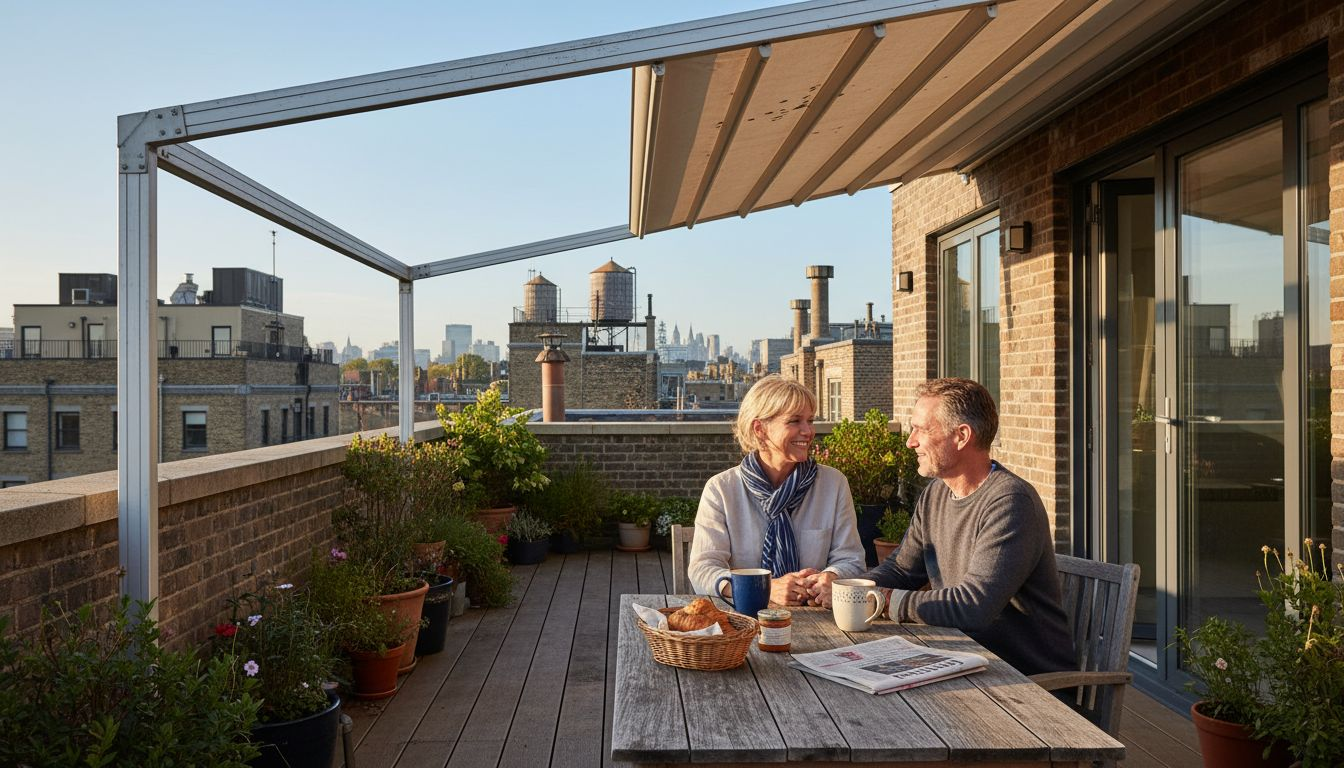
Sunny afternoons and sudden British showers can make outdoor living in Yorkshire feel unpredictable. For homeowners who want more than a simple canopy, retractable roof systems offer flexible, adaptable coverage that transforms patios and terraces into welcoming spaces whatever the weather. These architectural innovations provide a dynamic way to control sunlight and shelter, helping you enjoy your garden throughout the year while maintaining comfort and style.
Table of Contents
Key Takeaways
Point | Details |
Versatility of Systems | Retractable roof systems offer dynamic environmental control, transforming outdoor spaces into flexible living areas suitable for varying weather conditions. |
Installation and Customisation | Successful installation necessitates professional assessment and planning, with extensive customisation options available to meet individual homeowner needs. |
Financial Considerations | Understanding both upfront costs and potential long-term value is crucial for homeowners considering a retractable roof investment. |
Operational Efficiency | Advanced technologies, such as motorised controls and weather sensors, enhance the performance and usability of retractable roof systems. |
What Are Retractable Roof Systems?
Retractable roof systems represent innovative architectural solutions designed to transform outdoor spaces by providing flexible, adaptable coverage. These sophisticated structures enable homeowners to control their environment with the simple mechanism of opening or closing a roof, creating seamless transitions between indoor and outdoor living areas.
At their core, retractable roof systems are deployable structures with transformative capabilities. Unlike traditional fixed roofs, these dynamic systems offer remarkable versatility through various movement mechanisms such as:
Sliding panels that glide smoothly across a frame
Rotating sections that pivot to create openings
Folding components that compress and expand
Lifting mechanisms that raise and lower roof sections
The engineering behind these systems allows for remarkable functionality. Roof structures can fold or move using complex mechanical arrangements, providing protection from weather while simultaneously allowing natural light and ventilation. This adaptability makes them particularly valuable for spaces requiring flexible environmental control.
Homeowners across Yorkshire increasingly appreciate retractable roof systems for their ability to extend living spaces and enhance outdoor comfort. These systems transform patios, gardens, and terraces into versatile areas that can be enjoyed throughout different weather conditions, effectively blurring the boundaries between indoor and outdoor environments.
Pro tip: When considering a retractable roof system, always evaluate the specific mechanical design and material quality to ensure long-term durability and smooth operation.
Types and Key Features Explained
Retractable roof systems encompass a diverse range of architectural solutions, each designed to meet specific environmental and functional requirements. These systems showcase remarkable structural variations that fundamentally transform how outdoor spaces can be utilised across different weather conditions.
Primary Types of Retractable Roof Systems:
Sliding Panel Systems: Horizontal panels that glide smoothly across a fixed frame
Rotating Mechanism Roofs: Sections that pivot and rotate to create adjustable openings
Folding Roof Structures: Collapsible components that compress and expand dynamically
Lifting Roof Designs: Vertical mechanisms that raise and lower entire roof sections
Emerging research explores advanced deployable roofing technologies, with particular emphasis on pantograph and bi-stable structures. These innovative designs aim to improve large-scale roofing solutions by enhancing flexibility, economic performance, and structural integrity.
The key features of modern retractable roof systems extend far beyond simple coverage. They provide sophisticated environmental control, allowing homeowners to seamlessly transition between indoor and outdoor living spaces. Advanced systems integrate technologies that enable precise management of sunlight, ventilation, and weather protection.
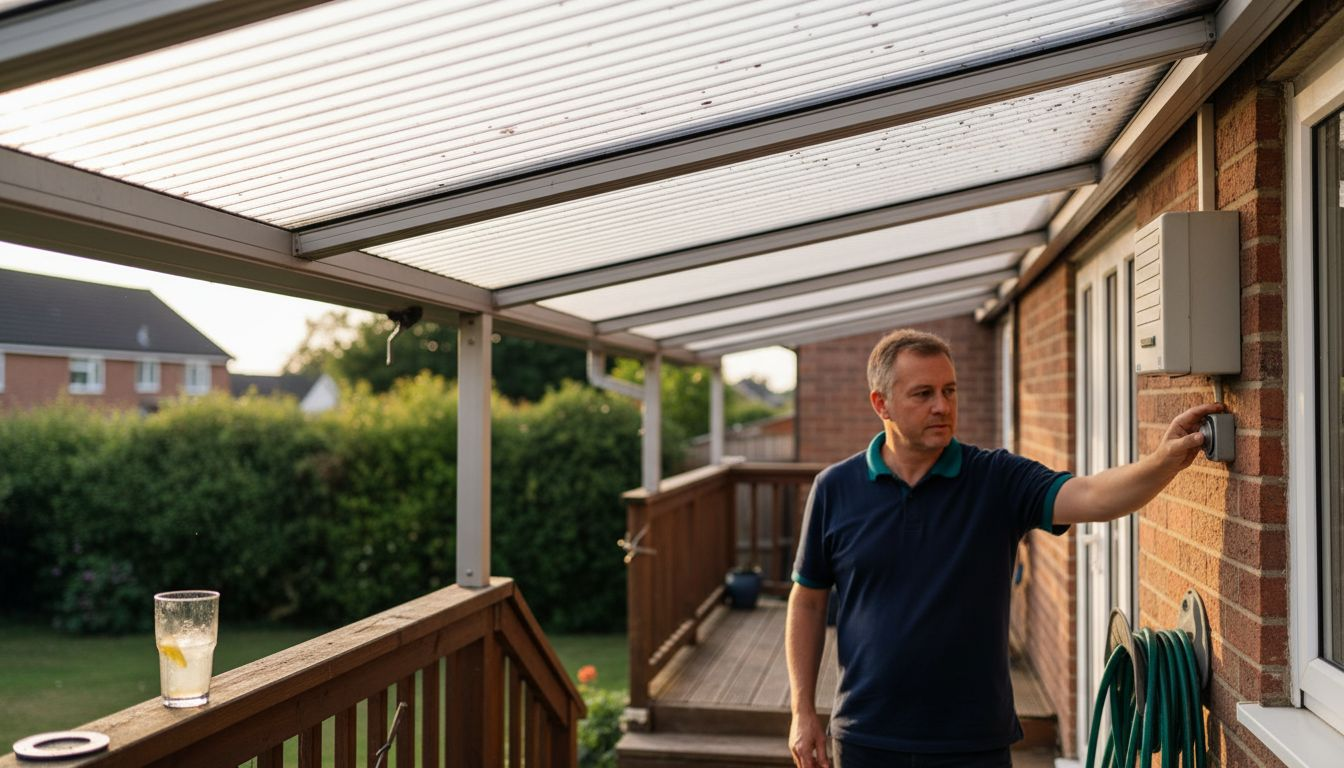
Key technological features include motorised operation, weather sensors, remote control functionality, and materials engineered for durability and performance. Aluminium frames, high-grade fabrics, and intelligent control systems ensure these structures can withstand Yorkshire’s variable climate while providing elegant, practical solutions for outdoor living spaces.
Here’s a concise comparison of primary retractable roof system types and their ideal applications:
Roof System Type | Distinctive Mechanism | Ideal Use Case |
Sliding Panel | Panels glide horizontally | Large patios or open terraces |
Rotating Mechanism | Sections pivot or rotate | Spaces needing variable shade |
Folding Structure | Components collapse/fold | Compact areas, limited space |
Lifting Roof Design | Sections raise vertically | Conservatories, garden rooms |
Pro tip: Always consult professional installers who can assess your specific architectural requirements and recommend the most suitable retractable roof system for your property.
How Retractable Roofs Operate
Mechanical systems enable sophisticated roof movements, transforming outdoor spaces with remarkable engineering precision. The core functionality of retractable roofs revolves around complex kinetic mechanisms that allow seamless transformation between open and closed configurations.
Key Operational Mechanisms:
Linkage Systems: Interconnected mechanical components that coordinate panel movement
Motor-Driven Drives: Electrical motors controlling precise roof positioning
Lattice Girder Frameworks: Structural supports enabling smooth panel transitions
Coordinated Motion Control: Synchronised movement ensuring structural integrity
Kinetic architecture principles underpin modern retractable roof technologies, allowing dynamic adaptations to environmental conditions. These innovative systems incorporate multiple movement techniques including:
Rotating panels that pivot around central axes
Telescoping sections that extend and contract
Sliding mechanisms for horizontal panel displacement
Folding components that compress into compact configurations
Modern retractable roofs integrate intelligent control systems that respond to weather conditions, user preferences, and environmental dynamics. Sensors and automated mechanisms enable instantaneous adjustments, ensuring optimal comfort and protection for homeowners.
The sophistication of these systems lies in their ability to balance structural stability with flexible movement. High-grade materials like aluminium, specialised fabrics, and precision-engineered components ensure durability, smooth operation, and long-term performance across Yorkshire’s challenging climate conditions.
Pro tip: Invest in professional installation to guarantee optimal calibration and synchronisation of your retractable roof’s mechanical components.
Installation Process and Customisation
Retractable roof installation requires meticulous architectural planning to ensure optimal functionality and seamless integration with existing structures. The process involves comprehensive assessment of architectural context, structural requirements, and specific performance needs unique to each property.
Key Installation Considerations:
Site Evaluation: Comprehensive structural and spatial analysis
Structural Compatibility: Assessing load-bearing capacities and architectural constraints
Mechanical System Selection: Choosing appropriate drive and movement mechanisms
Precision Measurement: Detailed dimensional mapping of installation area
Customisation options for retractable roof systems are extensive, allowing homeowners to create truly personalised outdoor living spaces. Potential customisation features include:
Fabric Selection: Multiple colour and texture options
Motorisation Preferences: Manual or fully automated control systems
Additional Integrated Technologies:
LED lighting systems
Heating elements
Wind and rain sensors
Remote smartphone control
The installation process typically involves multiple critical stages, including initial site survey, structural preparation, mechanical framework installation, and final system calibration. Professional installers will conduct thorough measurements, ensuring the retractable roof system aligns perfectly with the architectural characteristics of Yorkshire homes.
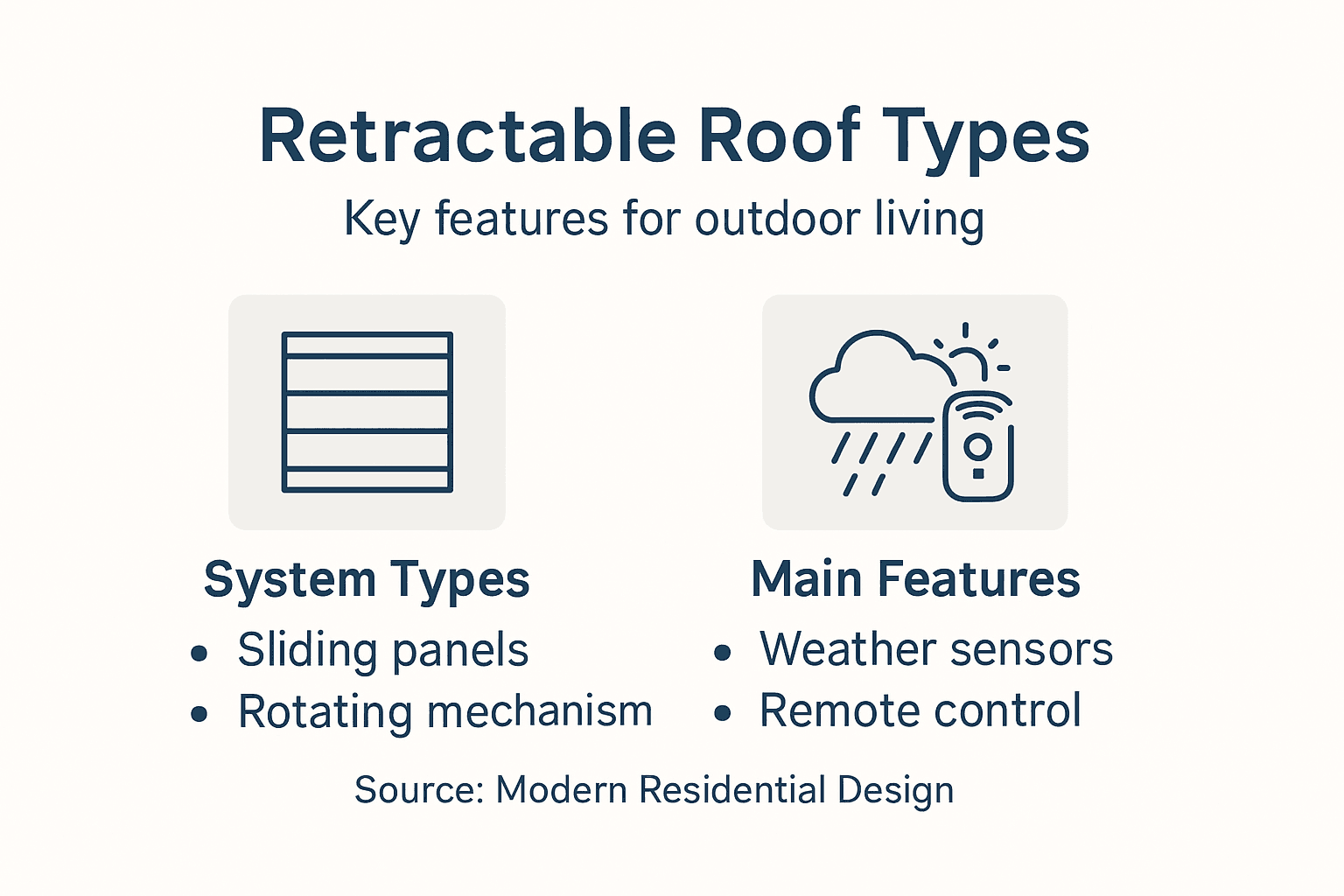
Advanced customisation extends beyond aesthetic choices, incorporating intelligent environmental control technologies. Homeowners can select systems with sophisticated sensors that automatically adjust based on weather conditions, providing optimal comfort and protection throughout changing seasonal landscapes.
Pro tip: Request detailed 3D architectural renderings before installation to visualise how the retractable roof will integrate with your existing outdoor space.
Cost, Value, and Common Pitfalls
Investing in a retractable roof system represents a significant financial decision that requires careful consideration of both upfront costs and long-term value. Homeowners in Yorkshire should approach this investment by understanding the nuanced financial implications and potential returns on their outdoor living enhancement.
Cost Breakdown Factors:
Initial Installation: Ranges from £5,000 to £25,000 depending on complexity
Material Quality: Premium materials increase durability and cost
Mechanical Complexity: Advanced systems with multiple features cost more
Size and Coverage Area: Larger installations require higher investment
Potential financial considerations extend beyond the initial purchase price. Homeowners can expect significant added value through:
Increased property market valuation
Enhanced outdoor living functionality
Reduced energy costs through improved temperature regulation
Potential insurance benefits for weather-protected spaces
Common Pitfalls to Avoid:
Underestimating maintenance requirements
Choosing unsuitable materials for local climate
Neglecting professional installation
Overlooking long-term operational costs
Failing to consider structural compatibility
The true value of a retractable roof system transcends monetary investment. These innovative structures transform outdoor spaces, providing flexible living areas that adapt to Yorkshire’s unpredictable weather conditions. Careful selection and professional installation can turn a significant expense into a worthwhile long-term asset for your property.
Maintenance costs typically range between £200-£500 annually, depending on system complexity and usage. Homeowners should budget for periodic professional servicing to ensure optimal performance and prevent unexpected mechanical failures.
To help homeowners budget, here is a summary of typical retractable roof investment considerations:
Expense Area | Typical Range | Notes |
Initial Installation | £5,000 – £25,000 | Depends on size, features, complexity |
Annual Maintenance | £200 – £500 | Varies with use and mechanism type |
Potential Value Gain | Up to 10% property value | Depends on location and design quality |
Energy Cost Savings | Moderate over time | Improved insulation lowers bills |
Pro tip: Request comprehensive warranties and maintenance packages during initial purchase to protect your investment and minimise unexpected future expenses.
Transform Your Outdoor Living with Expert Retractable Roof Solutions
Retractable roof systems offer remarkable flexibility that lets you enjoy outdoor spaces year-round despite unpredictable weather. If you are looking to overcome challenges like climate variability while expanding your living area with effortless mechanical operation, detailed customisation, and reliable durability, Infinity Awnings can help. Our extensive experience in designing, supplying, and installing premium-quality retractable awnings and pergolas ensures that your outdoor space in Yorkshire, Derbyshire, Nottinghamshire, or Lincolnshire becomes a versatile sanctuary tailored precisely to your needs.
Discover how you can seamlessly blend indoor comfort with outdoor freedom through expert installation, top-grade materials, and sophisticated control technology. Visit Infinity Awnings now to explore a wide range of bespoke retractable awnings with options for manual or electric operation, LED lighting, heating, and smart controls. Get your free quote today to start transforming your patio, garden, or commercial venue with stylish shading solutions that enhance both aesthetics and functionality in all seasons.
Frequently Asked Questions
What are retractable roof systems?
Retractable roof systems are innovative architectural solutions that provide flexible coverage for outdoor spaces, allowing homeowners to easily transition between indoor and outdoor environments using mechanisms like sliding panels, rotating sections, or folding components.
How do retractable roofs operate?
Retractable roofs operate using complex mechanical systems involving linkage systems, motor-driven drives, and lattice girder frameworks. These components enable seamless movement between open and closed configurations while ensuring structural integrity and stability.
What are the main types of retractable roof systems?
The primary types of retractable roof systems include sliding panel systems, rotating mechanism roofs, folding roof structures, and lifting roof designs. Each type is suited for different outdoor needs, ranging from large patios to compact areas requiring flexible coverage.
What factors should I consider when installing a retractable roof?
Key considerations for installing a retractable roof include site evaluation, structural compatibility, mechanical system selection, and precise measurements. Customisation options like fabric selection and integrated technologies should also be discussed with professional installers to ensure the right fit for your space.
Recommended
Comments