
The role of awnings in architecture: style and function

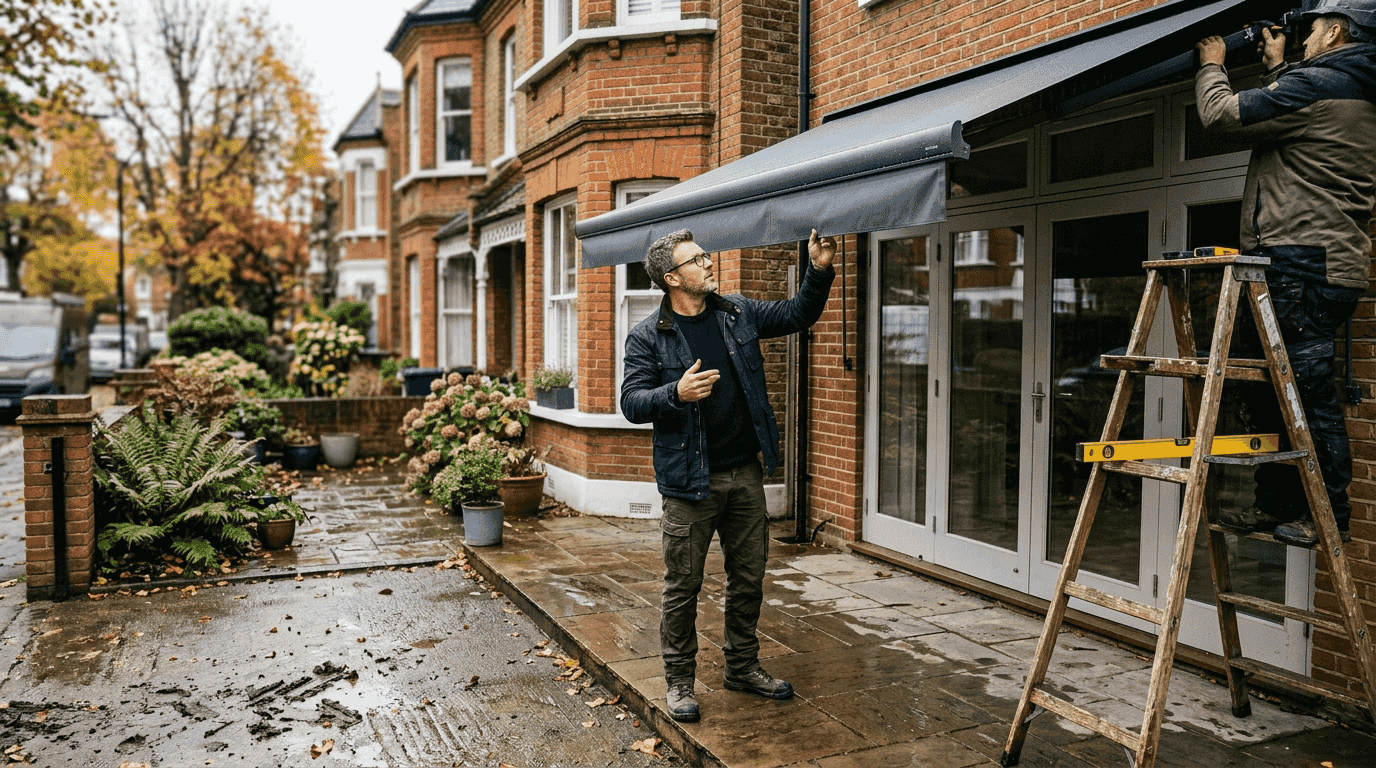
Many homeowners assume awnings are merely decorative add-ons with limited seasonal use. Modern awnings offer year-round functional and aesthetic benefits, particularly in northern England’s variable climate. This guide explores how awnings enhance architectural character whilst delivering practical advantages that extend outdoor space usability and reduce energy consumption across Yorkshire, Derbyshire, Nottinghamshire, and Lincolnshire properties.
Table of Contents
Key takeaways
Point | Details |
Dual benefit | Awnings combine style and function to enhance property value and curb appeal. |
Space expansion | They extend outdoor space usability by up to 30% through weather protection. |
Energy savings | Solar heat reduction reaches 65% whilst blocking up to 98% of harmful UV rays. |
Type selection | Choosing between manual and motorised options affects maintenance, convenience, and long-term costs. |
Professional installation | Proper fitting maximises lifespan, performance, and prevents structural damage. |
Introduction to awnings in architecture
Awnings represent a sophisticated architectural element that merges form with function. These weather-protective structures extend from building facades, offering both fixed and retractable configurations. Traditionally used primarily for sun and rain protection, awnings have evolved into design features that integrate seamlessly with building character.
Modern awnings serve dual purposes. They enhance aesthetic appeal whilst providing practical outdoor space extension. This evolution reflects changing expectations about outdoor living, particularly in regions where weather variability demands flexible solutions. Understanding this dual role helps property owners make informed decisions.
The architectural significance of awnings includes:
Visual enhancement that complements building materials and colours
Functional protection creating comfortable outdoor zones
Structural elements that define outdoor room boundaries
Adaptable features responding to seasonal climate changes
For homeowners and businesses in northern England, awnings increasing usable space addresses the region’s unpredictable weather patterns. By selecting appropriate styles and materials, awnings transform underutilised patios and terraces into valuable extensions of interior living areas.
How awnings enhance outdoor space usability
Awnings extend outdoor usable area by up to 30%, creating protected zones where families and customers can gather regardless of weather conditions. This expansion proves particularly valuable in Yorkshire and surrounding counties, where sudden rain showers and intense summer sun can interrupt outdoor activities.
Protection from UV rays and adverse weather typical in northern England makes previously unusable spaces functional throughout the day. Morning patios become viable breakfast spots, whilst afternoon terraces remain comfortable despite direct sunlight. Integration with lighting and heating systems further improves year-round use, transforming seasonal spaces into four-season assets.
Practical applications demonstrate this versatility:
Residential patios hosting family gatherings during unpredictable weather
Commercial terraces extending restaurant seating capacity year-round
Garden seating areas providing sheltered reading and relaxation zones
Business courtyards offering comfortable break spaces for employees
The benefits of retractable awnings include flexibility to adjust coverage based on immediate conditions. Retract them to enjoy sunshine on clear days, extend them when clouds threaten rain. This adaptability maximises outdoor enjoyment whilst protecting furniture and surfaces from weather damage.
Pro Tip: Consider sensor-equipped motorised awnings that automatically extend when detecting strong sunlight or retract before high winds, protecting your investment whilst optimising comfort without constant manual adjustment.
For comprehensive weather protection, all-weather awnings for the UK withstand the region’s demanding climate patterns, ensuring your outdoor investment delivers value regardless of seasonal conditions.
Energy efficiency and environmental benefits
Awnings reduce solar heat gain by up to 65%, significantly lowering indoor cooling demands during summer months. This reduction directly impacts energy consumption, cutting heating, ventilation, and cooling costs whilst reducing environmental footprint.
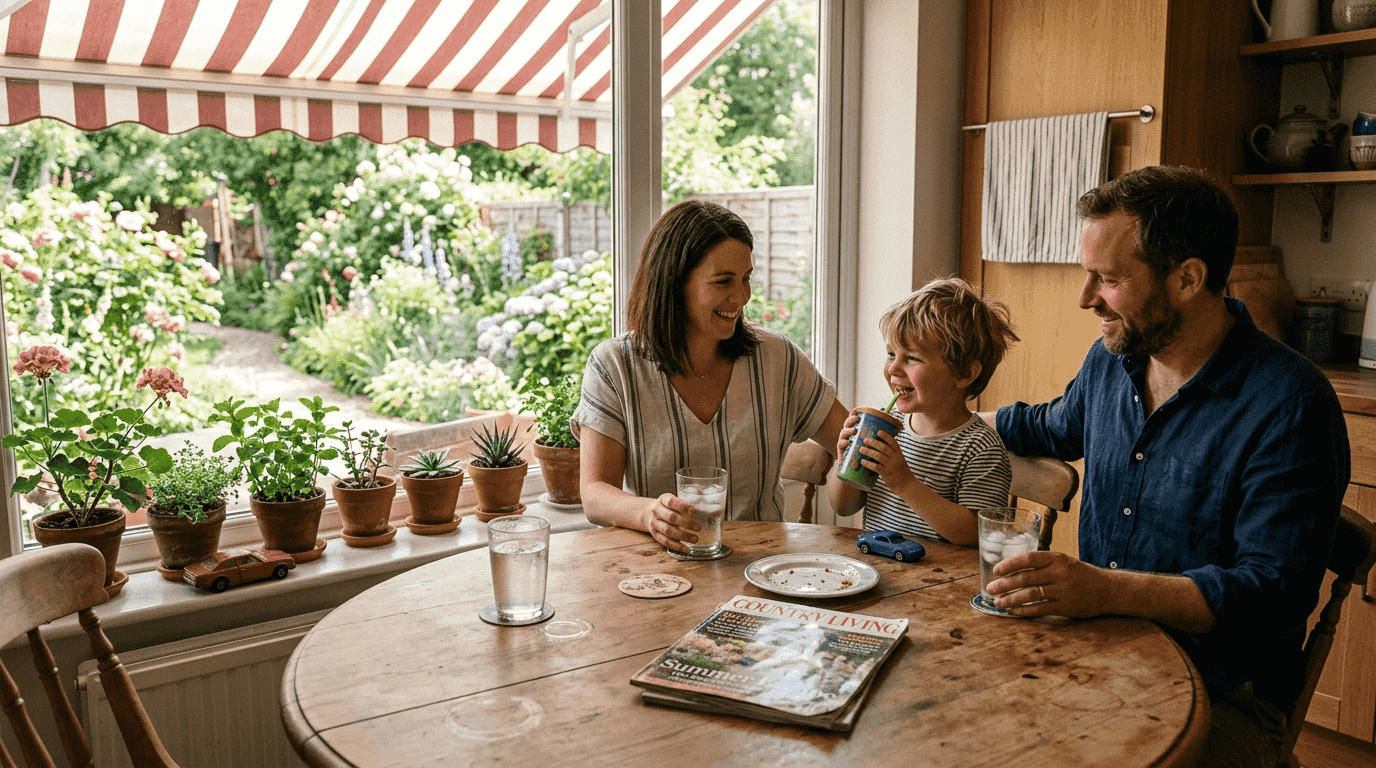
UV blockage reaching 98% protects both occupants and interior furnishings. Carpets, furniture, and artwork avoid fading damage from sustained sun exposure. This protection extends asset lifespan whilst creating healthier indoor environments with reduced UV-related risks.
Proper fabric choice proves critical for maximum environmental benefit. Solution-dyed acrylic fabrics designed for outdoor awning fabric durability maintain colour vibrancy whilst resisting mildew growth common in damp northern England climates. These materials combine performance with sustainability, lasting over a decade with minimal maintenance.
Energy Impact Statistics:
65% reduction in solar heat gain translates to measurable cooling cost savings. South-facing windows benefit most dramatically, with awnings preventing heat build-up that would otherwise require air conditioning. North-facing installations contribute less to cooling but still offer weather protection and aesthetic enhancement.
For businesses, these energy savings accumulate significantly across large premises. Restaurants with extensive glazing see substantial utility bill reductions whilst maintaining comfortable dining environments. Educational institutions benefit from reduced cooling costs across multiple buildings, redirecting funds towards educational priorities.
The environmental case extends beyond energy savings. By reducing HVAC demand, awnings lower carbon emissions associated with electricity generation. This contribution supports broader sustainability goals whilst delivering immediate financial returns through reduced operating costs.
Types of awnings and design customisation
Choosing between manual and electric retractable awnings depends on convenience requirements and budget constraints. Manual awnings suit smaller installations where occasional adjustment suffices. Electric options deliver effortless operation ideal for larger awnings or frequent use scenarios.
Durability considerations demand attention to fabric selection. Solution-dyed acrylic fabrics extend awning lifespan to over 10 years with minimal fading, making them ideal for northern England’s demanding climate. These materials resist moisture accumulation whilst maintaining vibrant colours despite sustained UV exposure.
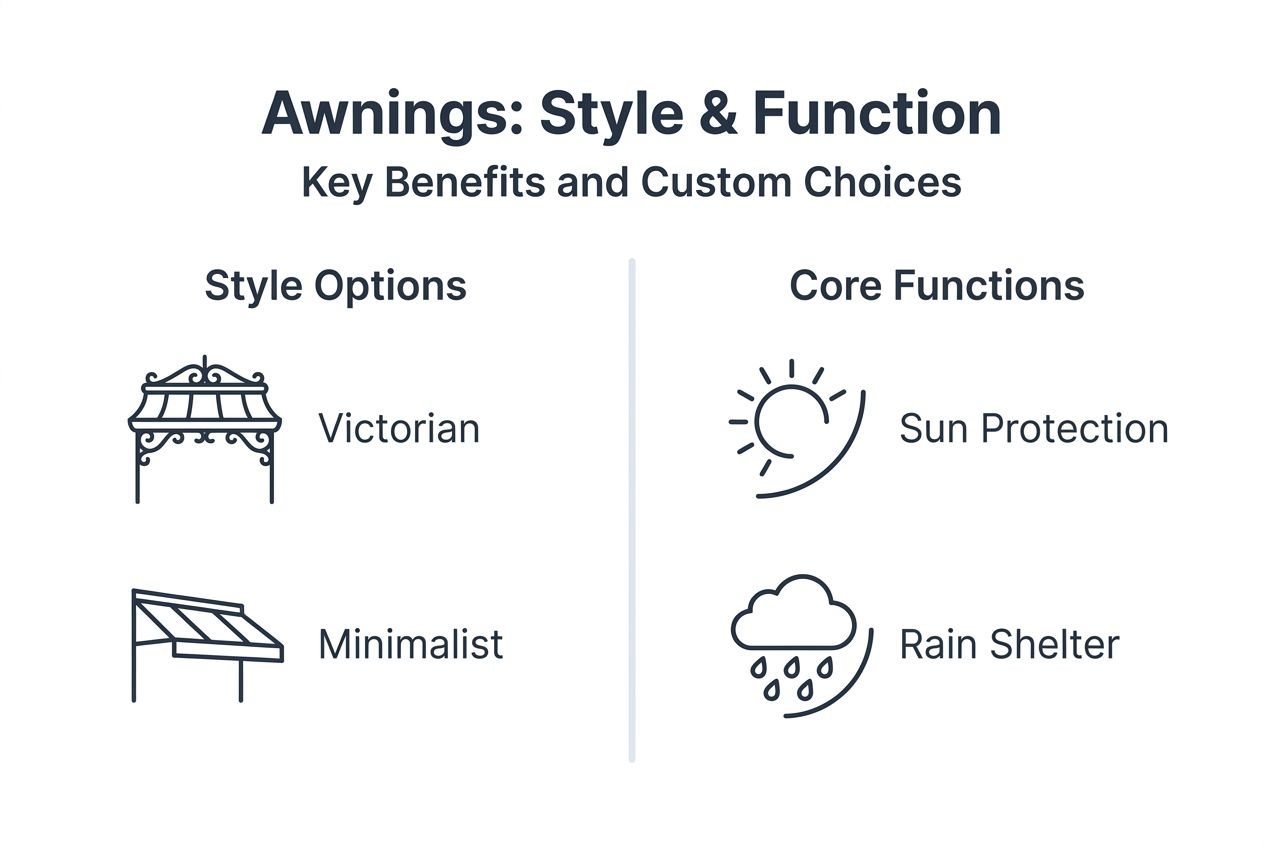
Design matching with local architectural styles ensures awnings enhance rather than detract from property character. Victorian terraces benefit from traditional striped patterns, whilst contemporary builds suit minimalist solid colours. Material and colour coordination with existing building elements creates cohesive visual appeal.
Awning Type | Operation | Maintenance | Typical Cost | Lifespan |
Manual retractable | Hand crank | Low | £800-£1,500 | 10-15 years |
Motorised retractable | Remote/switch | Moderate | £1,800-£3,500 | 8-12 years |
Fixed canopy | None | Very low | £600-£1,200 | 15-20 years |
Cassette system | Motorised | Low | £2,500-£4,500 | 10-15 years |
Customisation options extend beyond basic operation choices. Fabric patterns range from classic stripes to contemporary solids, with hundreds of colour combinations available. Valance styles, frame finishes, and projection depths allow precise matching to architectural requirements.
Key selection factors include:
Window orientation determining sun exposure intensity
Architectural style guiding pattern and colour choices
Usage frequency influencing manual versus motorised decisions
Budget parameters balancing upfront costs against long-term value
For guidance on choosing outdoor awnings for UK patios, consider how each option aligns with your property’s specific needs. Exploring custom awning options UK reveals possibilities for truly personalised solutions.
Pro Tip: Select fabrics rated for fade resistance and water repellency specific to UK maritime climates, prioritising solution-dyed acrylics over printed alternatives that deteriorate faster under moisture exposure.
The types of awnings UK guide provides detailed comparisons helping you navigate the selection process with confidence. Understanding these distinctions ensures your investment delivers optimal performance and aesthetic appeal.
Common misconceptions about awnings
Myth: awnings serve purely decorative purposes without substantive functional benefit. Reality: modern awnings deliver measurable energy savings, weather protection, and space expansion that directly impact property usability and operating costs.
Misbelief: awnings prove useful only during summer months, sitting idle throughout autumn and winter. Reality: year-round applications include rain protection during spring showers, wind barriers during autumn, and integrated heating solutions extending outdoor season well into winter months.
Fear: installing awnings reduces property appeal or appears dated. Reality: contemporary designs enhance curb appeal whilst increasing property values by 3-7% through improved outdoor functionality and aesthetic enhancement.
Common concerns about maintenance requirements often prove exaggerated:
Modern fabrics resist mildew and fading far better than historical materials
Retractable systems protect fabric when not in use, extending lifespan
Annual professional cleaning maintains appearance and performance
Quality installations require minimal ongoing intervention
These misconceptions prevent optimal awning adoption across residential and commercial properties. Understanding the reality of modern awning capabilities helps property owners make informed decisions based on actual performance rather than outdated assumptions.
The perception that awnings suit only traditional architecture ignores contemporary design innovations. Minimalist cassette systems integrate seamlessly with modern buildings, whilst traditional designs complement period properties. This versatility ensures appropriate solutions exist for virtually any architectural style.
Comparison: manual vs motorised awnings
User interaction differences significantly impact daily experience. Manual awnings require physical effort to extend and retract using hand cranks, suitable for occasional use. Motorised awnings offer remote control convenience, ideal for frequent adjustments or large installations where manual operation proves impractical.
Maintenance demand varies between systems. Manual mechanisms feature fewer components, reducing potential failure points and servicing requirements. Motorised systems require periodic motor inspection, electrical connection checks, and occasional sensor calibration, increasing long-term maintenance commitment.
Feature | Manual Awnings | Motorised Awnings |
Initial cost | £800-£1,500 | £1,800-£3,500 |
Operation effort | Moderate physical | Effortless |
Annual maintenance | £50-£100 | £150-£250 |
Sensor integration | Not available | Optional |
Typical warranty | 5-10 years | 3-8 years |
Cost considerations extend beyond initial purchase. Manual systems deliver lower upfront investment with minimal ongoing expenses. Motorised options command premium pricing but offer convenience justifying the investment for properties with multiple awnings or frequent use patterns.
Longevity tradeoffs reflect mechanical complexity. Manual systems often outlast motorised alternatives due to simpler mechanisms. However, motorised systems with quality components and proper maintenance achieve comparable lifespans whilst delivering superior user experience.
Typical user profiles suited to each type:
Manual awnings: budget-conscious homeowners, seasonal use properties, small single awnings
Motorised awnings: commercial properties, luxury residences, multiple awning installations, accessibility requirements
For insights on investing in electric awnings, consider how automation enhances daily living whilst protecting your investment through responsive adjustment to changing conditions.
Weather resilience matters across both types. Proper weatherproofing for Yorkshire awnings ensures reliable performance regardless of operation method, addressing the region’s demanding climate through appropriate materials and installation techniques.
Practical integration and installation insights
Professional installation positively impacts property value, with studies showing 3-7% increases for properties featuring quality outdoor enhancements. This return on investment combines immediate usability benefits with long-term asset appreciation, making awnings financially sound improvements.
Avoiding structural damage requires expert assessment of mounting surfaces. Brick, render, and timber facades each demand specific fixing methods ensuring secure attachment without compromising building integrity. Professional installers assess load-bearing capacity and select appropriate fixings for lasting, safe installations.
Maintenance tips for different awning types in northern England’s climate:
Clean fabric quarterly using mild soap and soft brush
Inspect mechanical components annually for wear or damage
Retract awnings during severe weather warnings
Apply fabric protection treatments every two years
Check drainage channels preventing water accumulation
Add-ons like LED lighting and outdoor heaters extend year-round comfort significantly. Integrated lighting transforms evening spaces into inviting gathering areas. Infrared heaters maintain comfortable temperatures during cooler months, maximising outdoor season duration and return on awning investment.
Pro Tip: Schedule professional inspection and cleaning each spring before peak usage season, addressing minor issues before they escalate whilst ensuring optimal performance throughout summer months.
Selection checklist considering style, function, and upkeep:
Measure available space and desired projection depth
Assess sun orientation determining fabric requirements
Evaluate usage frequency guiding manual versus motorised choice
Consider architectural style informing design selections
Budget for ongoing maintenance ensuring long-term value
For detailed guidance on choosing outdoor awnings for UK patios, work through these considerations systematically. Understanding weatherproofing for Yorkshire awnings ensures your installation withstands regional climate challenges.
Conclusion and next steps for homeowners and businesses
Awnings deliver dual architectural and functional benefits that enhance property value whilst expanding usable outdoor space. From energy savings reaching 65% solar heat reduction to space expansion of 30%, these installations offer measurable returns on investment alongside aesthetic improvements.
Decision checklist for assessing needs and options:
Define primary purpose: sun protection, rain shelter, or both
Determine operation preference: manual simplicity or motorised convenience
Establish budget including installation and maintenance costs
Select design elements complementing architectural style
Identify add-ons enhancing functionality like lighting or heating
Contact local experts for tailored design and installation ensuring your awning investment delivers optimal performance. Professional assessment accounts for site-specific factors including mounting surfaces, sun angles, and wind exposure patterns affecting installation approach.
Potential property value gains of 3-7% combine with immediate comfort improvements creating compelling justification for awning installation. Whether residential or commercial, these enhancements transform underutilised outdoor areas into valuable functional spaces supporting diverse activities throughout extended seasons.
Discover tailored awning solutions with Infinity Awnings
Transform your outdoor spaces with expertly designed awnings from Infinity Awnings, specialists in durable, stylish solutions for Yorkshire, Derbyshire, Nottinghamshire, and Lincolnshire properties. With over 15 years’ experience, we understand northern England’s unique climate demands.
Our team provides personalised advice for choosing outdoor awnings matching your architectural style and functional requirements. From initial consultation through professional installation and ongoing maintenance support, we ensure your investment delivers lasting value. Explore our range of custom awning options featuring premium brands like Weinor, Llaza, and Selt, offering manual and electric configurations with comprehensive customisation possibilities including LED lighting and heating integration.
Frequently asked questions
Are awnings suitable for year-round use in northern England?
Yes, modern awnings with weather-resistant fabrics and heating or lighting add-ons function effectively throughout all seasons. Durable solution-dyed acrylic fabrics resist rain and fading whilst integrated heaters maintain comfort during cooler months. Retractable designs allow adjustment based on conditions, maximising usability regardless of weather.
What maintenance do motorised awnings require?
Regular cleaning, inspection of mechanical parts, and timely servicing ensure longevity and reliable performance. Follow manufacturer schedules for motor checks and sensor calibration. Annual professional servicing addresses wear before failures occur, typically costing £150-£250 and preventing expensive repairs.
How do awnings contribute to property value?
Installing stylish, functional awnings increases property value by 3-7% through improved outdoor usability and enhanced curb appeal. This appreciation reflects buyers’ willingness to pay premiums for properties offering extended living spaces and reduced energy costs. Commercial properties benefit from increased customer capacity and improved patron comfort.
Can awnings withstand Yorkshire’s windy conditions?
Properly installed awnings with appropriate wind ratings withstand typical Yorkshire wind speeds safely. Sensor-equipped motorised systems automatically retract before dangerous wind conditions develop. Manual awnings should be retracted during weather warnings. Professional installation ensuring secure mounting proves essential for wind resilience.
Recommended
Comments