
Weatherproofing for Awnings – Protecting Yorkshire Homes

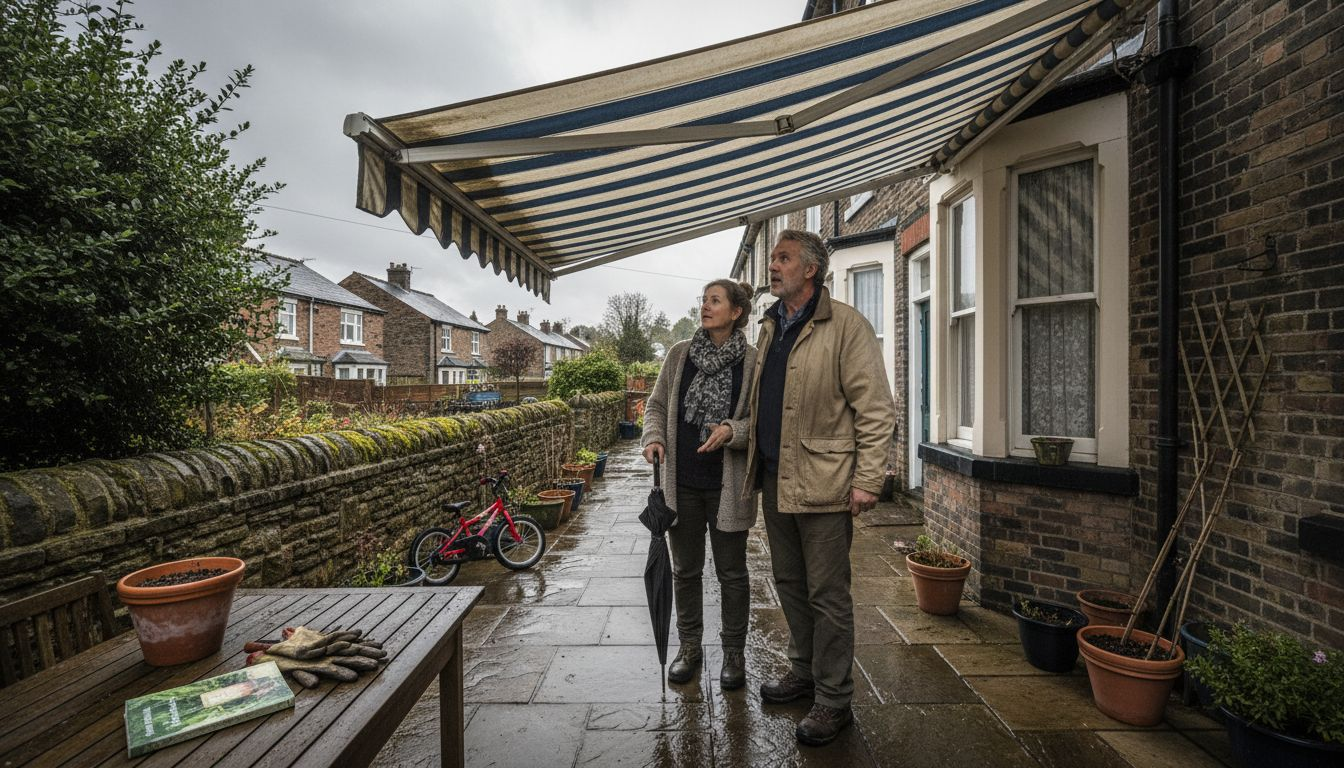
Rain and wind arriving without warning can make enjoying your Yorkshire garden a real challenge. With the British climate swinging from showers to sun on the same afternoon, finding truly reliable outdoor solutions matters more than ever. Investing in weatherproofing for retractable awnings offers both durability and style, letting you relish fresh air while protecting your home and outdoor spaces from constant weather changes.
Table of Contents
Key Takeaways
Point | Details |
Weatherproofing is essential | Proper weatherproofing protects awnings from rain, wind, UV radiation, and temperature extremes prevalent in Yorkshire. |
Professional vs. DIY approaches | Investing in professional services ensures better material quality and precision installation, ultimately leading to enhanced durability. |
Regular maintenance is crucial | Consistent inspections and care can prevent minor issues from escalating into costly repairs or replacements. |
Material selection matters | Choosing high-performance materials specifically designed for local conditions is vital for long-term effectiveness and protection. |
Defining Weatherproofing for Awnings
Weatherproofing for awnings represents a critical protective strategy designed to shield outdoor structures from the unpredictable and often harsh British climate. At its core, weatherproofing involves implementing specialised techniques and materials that enhance an awning’s ability to withstand environmental challenges typical across Yorkshire and the surrounding regions.
Understanding weatherproofing requires examining several key protective elements. According to government guidance, weatherproofing is fundamentally about protecting structures from adverse conditions, which for awnings means creating robust defence mechanisms against:
Rain and moisture penetration
High wind resistance
UV radiation protection
Temperature fluctuation resilience
Material degradation prevention
The comprehensive approach to weatherproofing goes beyond simple water resistance. Modern awning weatherproofing involves sophisticated material engineering that considers multiple environmental factors simultaneously. Resilience techniques focus on waterproofing, wind resistance, and UV protection, ensuring that external fixtures remain functional and aesthetically pleasing throughout challenging seasonal changes.
Professional weatherproofing techniques typically incorporate advanced fabric coatings, reinforced structural supports, and precision-engineered moisture barriers. These elements work collaboratively to create a comprehensive defence system that protects not just the awning itself, but the entire outdoor living space it serves.
Pro tip: Invest in professional weatherproofing assessment annually to identify potential vulnerabilities and maintain your awning’s long-term performance and durability.
To help Yorkshire homeowners choose the right weatherproofing approach, here is a comparison of professional and DIY awning weatherproofing methods:
Criteria | Professional Service | DIY Approach |
Material Quality | Certified, high-performance fabrics | Standard or generic fabrics |
Installation Accuracy | Precision engineering and expert fitting | Potential for errors, less precise |
Long-Term Durability | Extended lifespan, comprehensive warranty | Shorter lifespan, limited support |
Maintenance Guidance | Access to expert advice and scheduled care | Self-research and manual upkeep |
Cost Implication | Higher initial investment, lower repairs | Lower upfront cost, risk of frequent repairs |
Types of Weatherproofing Solutions Explained
Weatherproofing awnings demands a sophisticated approach that combines multiple protective strategies tailored to the challenging British climate. Homeowners across Yorkshire require robust solutions that can withstand unpredictable weather conditions while maintaining the aesthetic appeal and functionality of their outdoor spaces.
The primary weatherproofing solutions encompass several key techniques, addressing site preparation and moisture resistance. These include:
Waterproof Membrane Coatings
Advanced fabric sealants
Hydrophobic treatments
Multi-layer protective barriers
Structural Reinforcement
Wind-resistant frame designs
Corrosion-resistant materials
Flexible joint mechanisms
Drainage Enhancement
Integrated water channelling systems
Angled mounting solutions
Strategically placed drainage points
Professional weatherproofing goes beyond simple water resistance. Protective measures encompass comprehensive impact and environmental shielding, ensuring that awnings can withstand not just moisture, but also mechanical stress and temperature variations. This holistic approach involves selecting materials with superior durability, implementing precision engineering techniques, and creating multi-layered defence mechanisms.
Modern weatherproofing solutions leverage cutting-edge materials science, incorporating high-performance fabrics and innovative coating technologies. These advanced treatments create a comprehensive protective system that guards against UV radiation, moisture penetration, and structural degradation, ultimately extending the lifespan of outdoor awning installations.
Pro tip: Consult professional awning specialists who can provide customised weatherproofing assessments specific to your Yorkshire property’s unique environmental conditions.
Essential Materials and Design Features
Creating weatherproof awnings requires a meticulous selection of materials and design elements specifically engineered to withstand the challenging British environmental conditions. Yorkshire homeowners need solutions that combine durability, functionality, and aesthetic appeal to protect their outdoor living spaces effectively.
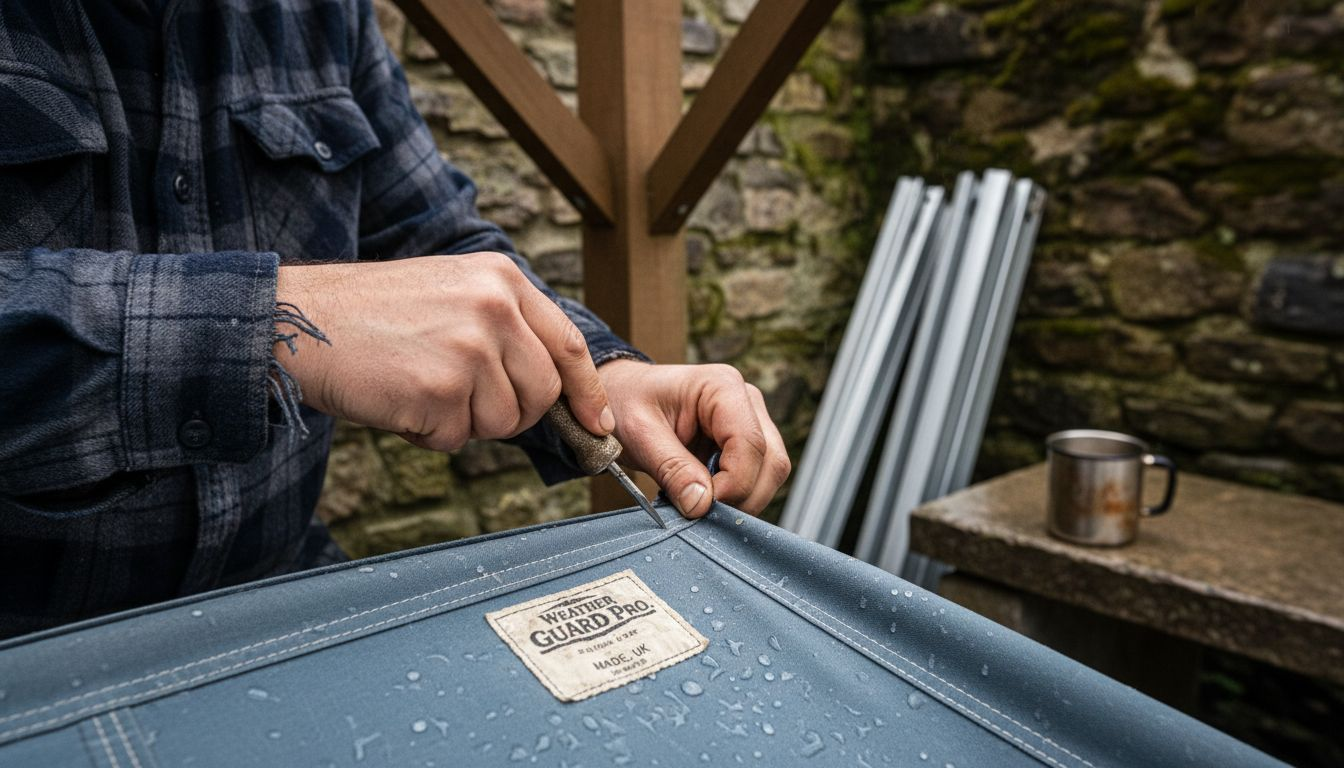
Design standards emphasize resilient material selection across several critical components. The essential materials and design features include:
Key Material Characteristics:
Frame Materials
Corrosion-resistant aluminium
Treated stainless steel
Powder-coated lightweight alloys
Fabric Technologies
UV-resistant synthetic fibres
Water-repellent microfibre treatments
Breathable yet waterproof membranes
Structural Design Elements
Angled surface configurations
Integrated drainage channels
Wind-resistant mounting brackets
Professional awning design integrates advanced weatherproofing techniques that go beyond basic material selection. The most effective solutions incorporate intelligent engineering principles that anticipate and mitigate potential environmental challenges. This means creating multi-layered protective systems that can adapt to rapid temperature changes, resist moisture penetration, and maintain structural integrity under various meteorological conditions.
Modern awning materials represent a sophisticated blend of engineering and design. Cutting-edge synthetic fabrics now offer unprecedented levels of protection, featuring microscopic treatments that repel water, block harmful UV radiation, and resist mildew growth. These innovative materials ensure that Yorkshire homeowners can enjoy durable, low-maintenance outdoor spaces that remain pristine year-round.
Pro tip: Select awning materials with manufacturer-certified weatherproofing ratings to ensure maximum long-term performance and protection.
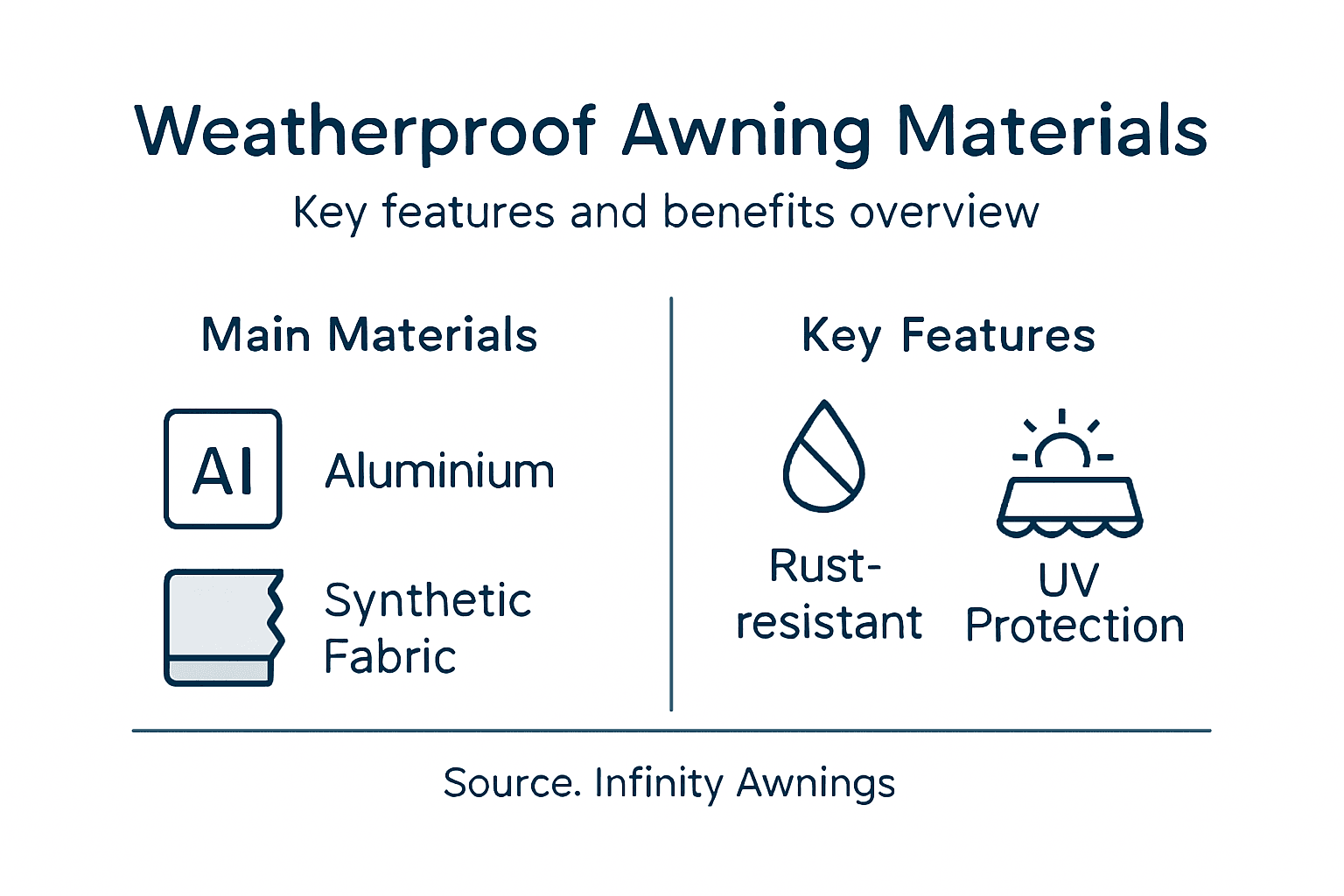
For quick reference, here is a summary of key material properties suited for weatherproof awnings in the British climate:
Material | Strengths | Potential Limitations |
Aluminium Frame | Lightweight, corrosion-resistant | Can dent in severe winds |
Synthetic Fabric | UV and moisture repellent | May fade with prolonged sun exposure |
Powder-Coated Alloy | Excellent durability, stylish finish | Finish may chip with physical impact |
Effective Maintenance for Lasting Protection
Maintaining weatherproof awnings requires a systematic and proactive approach that safeguards against the unpredictable British climate. Yorkshire homeowners must develop a comprehensive maintenance strategy that addresses potential wear and structural vulnerabilities before they escalate into significant problems.
Routine maintenance involves thorough inspection and timely repairs to preserve awning integrity. The key maintenance practices include:
Maintenance Checklist:
Regular Cleaning
Remove debris and organic materials
Use gentle, manufacturer-recommended cleaning solutions
Rinse thoroughly with clean water
Structural Inspections
Check frame joints and connections
Examine fabric for tears or weak points
Inspect mounting brackets and fixings
Preventative Care
Apply protective fabric treatments
Lubricate moving mechanical components
Address minor damages immediately
Social housing regulations emphasize prompt damage prevention, which equally applies to residential awning maintenance. Professional maintenance involves more than superficial cleaning; it requires a holistic approach that addresses potential moisture intrusion, structural stress, and material degradation. Homeowners should develop a seasonal maintenance schedule that anticipates and mitigates potential weather-related challenges.
Advanced maintenance techniques now incorporate digital tracking and predictive assessment. Sophisticated homeowners use moisture meters, thermal imaging, and digital inspection tools to identify potential weaknesses before they become significant issues. This proactive approach not only extends awning lifespan but also prevents costly replacements and repairs.
Pro tip: Create a dedicated maintenance log to track inspections, repairs, and treatments, ensuring systematic and comprehensive awning care.
Common Pitfalls and Risks in Selection
Selecting the right weatherproofing solution for awnings involves navigating a complex landscape of potential risks and challenges specific to the Yorkshire climate. Homeowners must approach this decision with careful consideration, understanding that seemingly minor oversights can lead to significant structural and financial consequences.
Severe weather alerts present critical selection challenges, particularly in regions prone to extreme conditions. The most significant pitfalls include:
Key Selection Risks:
Material Inadequacy
Choosing materials unsuitable for local climate
Overlooking UV degradation potential
Ignoring wind resistance requirements
Installation Errors
Improper mounting techniques
Neglecting structural load considerations
Inadequate drainage design
Maintenance Misconceptions
Assuming ‘weatherproof’ means ‘maintenance-free’
Failing to schedule regular inspections
Delaying minor repair interventions
Cascading risks can compound initial weather-related damages, transforming what might seem like minor issues into significant structural challenges. These risks extend beyond immediate weather impacts, potentially creating long-term vulnerabilities that compromise the entire awning system.
Professional risk mitigation requires a holistic approach that considers not just the immediate environment, but potential future climate scenarios. Yorkshire homeowners should prioritise solutions that offer adaptability, robust engineering, and comprehensive warranty coverage to protect against unforeseen environmental challenges.
Pro tip: Consult local weather specialists and professional awning installers to develop a tailored risk assessment specific to your property’s unique geographical characteristics.
Protect Your Yorkshire Home with Expert Weatherproofing Solutions
Weatherproofing is essential for maintaining the durability and beauty of your outdoor awnings in Yorkshire’s challenging climate. As the article highlights, protecting your awning from moisture, UV damage, and wind stress helps preserve your outdoor living spaces longer. At Infinity Awnings, we understand these specific challenges and provide expertly designed and installed retractable awnings and shading systems tailored for maximum weather resistance and lasting performance.
Benefit from premium materials and professional installation that align with the weatherproofing principles discussed, including UV-resistant fabrics and corrosion-proof frames. Our selection from trusted brands like Weinor and Llaza offers advanced coatings and innovative design features created to withstand British weather conditions.
Take the first step towards enhancing your outdoor space today. Visit Infinity Awnings to explore a range of high-quality awnings, pergolas, and verandas designed for dependable protection.
Discover how our weatherproofing expertise can bring you peace of mind while elevating your home’s aesthetic and comfort. Contact us now for a free consultation and secure the ultimate shield for your outdoor living areas.
Frequently Asked Questions
What is weatherproofing for awnings?
Weatherproofing for awnings involves using specialised techniques and materials to protect outdoor structures from adverse weather conditions, ensuring durability against rain, wind, UV radiation, and temperature fluctuations.
How can I maintain my weatherproof awning effectively?
Effective maintenance involves regular cleaning, structural inspections for wear or damage, and preventative care such as applying protective treatments and lubricating mechanical parts to prolong lifespan and functionality.
What materials are best for weatherproof awnings?
The best materials for weatherproof awnings include corrosion-resistant aluminium for frames, UV-resistant synthetic fabrics for canopies, and water-repellent treatments to provide optimal protection against environmental elements.
What are the risks of inadequate weatherproofing for awnings?
Inadequate weatherproofing can lead to severe material degradation, structural damage, and costly repairs. Common risks include using unsuitable materials, poor installation techniques, and neglecting regular maintenance.
Recommended
Comments