
What is a veranda enclosure? A homeowner's guide

TL;DR:
A veranda enclosure transforms an open, roofed veranda into a semi-protected outdoor space with walls, glazing, or screens. It extends usability year-round by shielding against weather and insects while maintaining a connection to the outdoors. Proper planning, material choice, and preserving the social character of the space are essential for a successful enclosure.
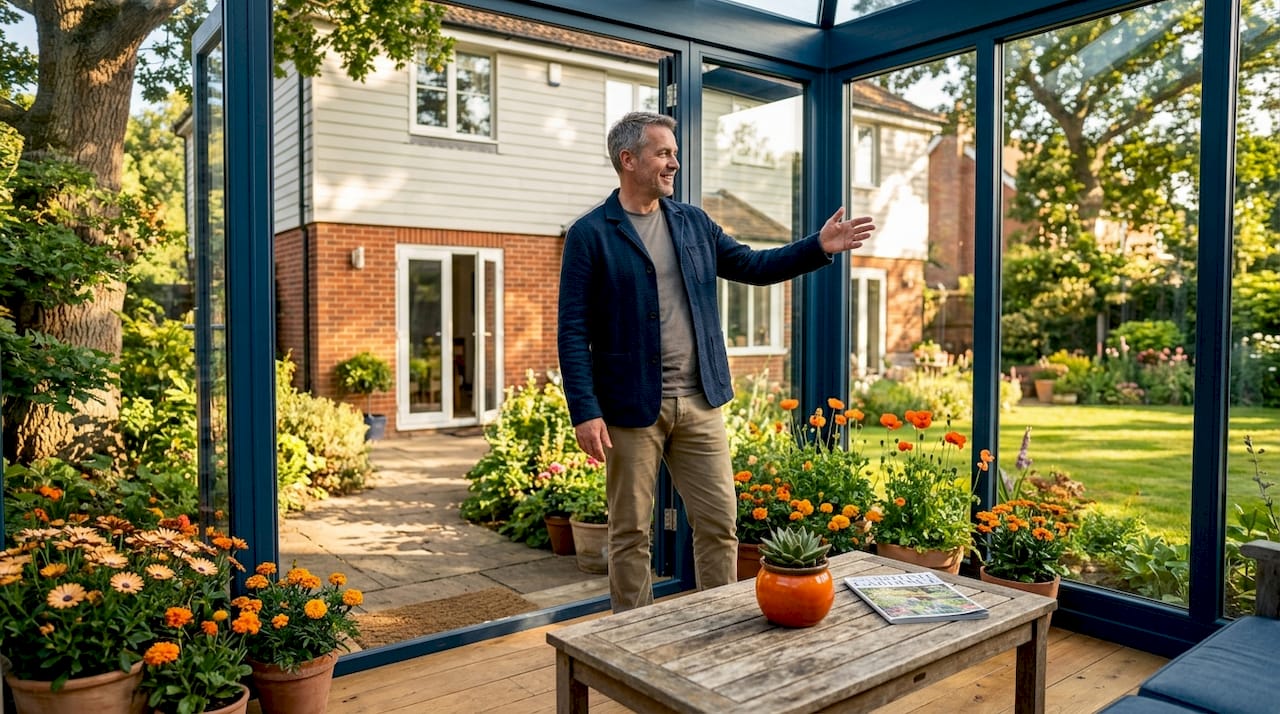
A veranda enclosure is defined as the addition of walls, glazing, or screens to an existing roofed veranda, creating a semi-protected outdoor living space that shields against weather and insects while preserving an open, airy feel. In the industry, this transformation is often called a glazed veranda or enclosed veranda, and the distinction matters because it shapes every decision from materials to planning permissions. If you have an underused veranda that sits empty from October to April, an enclosure is the most direct way to reclaim that space year-round.
What is a veranda enclosure and how does it differ from a porch?
A veranda enclosure converts an open roofed structure into a sheltered room by adding side barriers, without fully transforming it into an interior space. The key distinction from a porch lies in scale and intent. Verandas are generally larger than porches, often wrapping around one or more sides of a home, and are designed to connect indoors and outdoors through natural ventilation and social use. Enclosing a veranda preserves that connection while adding practical protection.
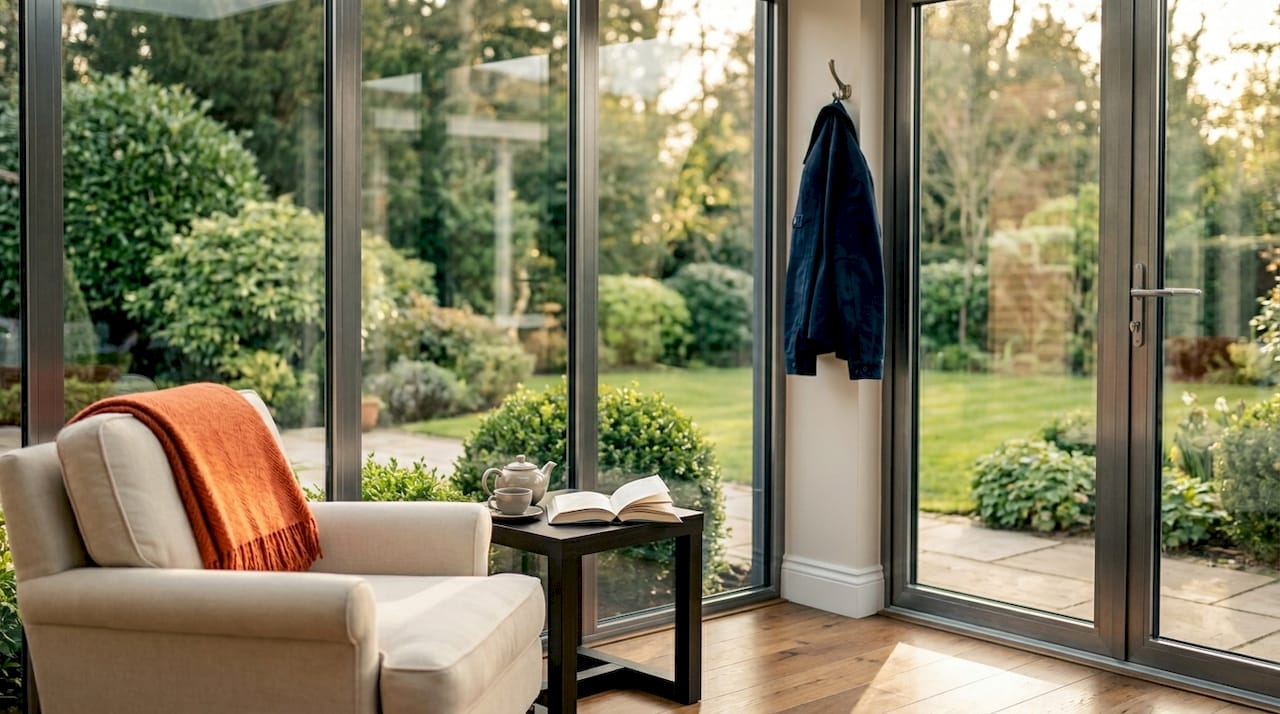
A porch, by contrast, tends to be a smaller, more enclosed entry feature. When you enclose a veranda, the goal is not to create another room in the conventional sense. It is to extend the liveable season of a space that already has character, light, and a relationship with the garden. That distinction shapes every design choice you will make.
What are the benefits of a veranda enclosure?
The practical advantages of enclosures are significant and immediate. Here is what homeowners consistently gain:
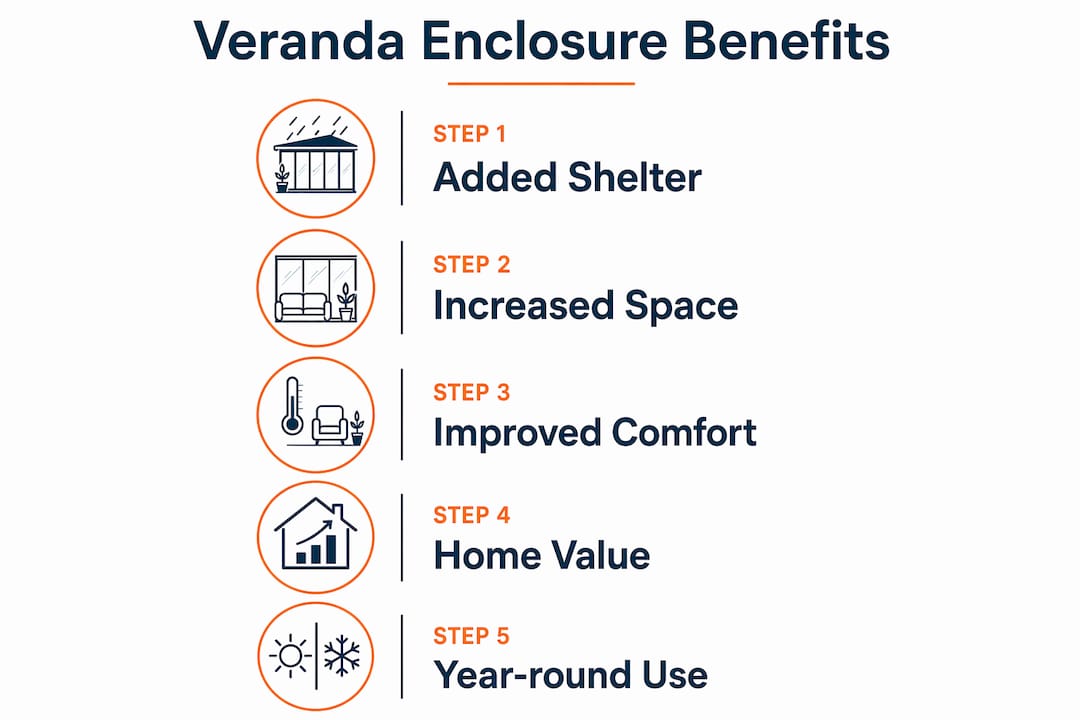
Weather protection. Rain, wind, and UV exposure are the primary reasons verandas go unused for months. Glass or screen panels eliminate that barrier, letting you sit outside during a Yorkshire downpour without getting wet.
Bug and insect exclusion. Mesh screen enclosures are particularly effective at keeping midges, wasps, and mosquitoes out during summer evenings, without sacrificing airflow.
Extended living space. An enclosed veranda functions as a garden room, dining area, or home office without the cost of a full extension. You gain usable square footage at a fraction of the price.
Property value uplift. Well-chosen materials and design can enhance a home’s kerb appeal and garden usability, making an enclosure a sound investment rather than a cosmetic upgrade.
Year-round garden views. Even in January, you can sit in a glazed enclosure with a coffee and watch the garden without feeling cut off from it.
Pro Tip: If you plan to use your enclosure in winter, factor in a heating source from the outset. Infrared wall heaters or a compact electric radiator are far easier to install during the build than retrofitted afterwards.
What materials and designs work best for veranda enclosures?
Multiple enclosure methods exist, each offering different trade-offs in light, airflow, aesthetics, and maintenance. The right choice depends on your climate, budget, and how you intend to use the space.
Comparing the main enclosure materials
Material | Pros | Cons |
Aluminium framing with glass | Slim sightlines, low maintenance, very durable | Higher upfront cost than timber |
Timber framing | Warm, traditional aesthetic, good insulator | Requires regular treatment and painting |
UPVC framing | Affordable, weather-resistant, easy to clean | Bulkier profiles, less premium appearance |
Mesh or insect screens | Maximum airflow, lightweight, low cost | No thermal protection, limited privacy |
Solid composite panels | High privacy and insulation | Blocks light and views significantly |
Aluminium framing is the most popular choice for modern enclosed verandas in the UK because it combines slim profiles with long-term durability. Brands like Weinor and Tarasola, both stocked by Infinityawnings, use powder-coated aluminium systems that resist corrosion in exposed northern climates. Timber suits period properties in Derbyshire or Lincolnshire where a contemporary aluminium frame would look out of place.
Glass type is equally important. Toughened safety glass is the standard for any structural glazing. Double-glazed units add thermal performance if you want the space to be genuinely warm in winter. Polycarbonate panels are a lighter, cheaper alternative but yellow over time and offer a noticeably less premium finish.
Pro Tip: Sliding or bi-fold glass panels give you the best of both worlds. On warm days, you open the enclosure fully and the veranda behaves exactly as it always did. On cold or wet days, you close it up and gain a sheltered room. Fixed glazing is cheaper but removes that flexibility entirely.
How do you plan and build a veranda enclosure?
Building an enclosure is a structured process, and skipping early steps creates expensive problems later. Follow this sequence:
Assess your existing structure. Check that the veranda’s roof, posts, and foundations can support the additional weight of glazing or solid panels. Older timber structures may need reinforcement before any enclosure work begins.
Check planning permissions. Planning regulations may apply depending on enclosure size, location, and materials. In England, many veranda enclosures fall under permitted development rights, but properties in conservation areas, listed buildings, or those exceeding specific size thresholds require formal consent. Contact your local planning authority before ordering materials.
Set a realistic budget. Costs vary widely based on size, materials, and whether you use a specialist installer. A basic mesh screen enclosure on a small veranda can cost a few hundred pounds as a DIY project. A fully glazed aluminium enclosure with bi-fold doors on a larger structure typically runs into several thousand pounds when professionally installed.
Choose a design that suits your home. A Victorian terrace in Nottinghamshire calls for a different aesthetic than a modern detached house in Yorkshire. Look at veranda style options that complement your property’s architecture rather than clash with it.
Decide between DIY and professional installation. Mesh screen systems are genuinely achievable for a competent DIY enthusiast. Structural glazing with aluminium framing is not. Incorrect installation of glass panels creates safety risks and voids any product warranty. For anything involving fixed glazing, use a qualified installer.
Plan for maintenance from day one. Aluminium frames need little more than an occasional wipe down. Timber requires annual treatment. Glass panels need regular cleaning to prevent algae and grime build-up, particularly on north-facing verandas in wetter regions.
Veranda enclosure ideas to personalise your outdoor space
Once the structure is in place, the real enjoyment begins. Personalised features transform a functional enclosure into a space you genuinely want to spend time in.
Lighting. String lights woven through the roof structure create a warm, relaxed atmosphere for evening use. Recessed LED downlights give a cleaner, more contemporary look. Infinityawnings offers LED lighting add-ons that integrate directly into pergola and veranda structures, removing the need for separate electrical work.
Heating. Infrared heaters mounted to the ceiling or walls are the most efficient option for enclosed verandas. They heat people and surfaces rather than air, which means they work even when a door or panel is briefly opened.
Plants and vertical gardens. An enclosed veranda creates a microclimate that suits many tender plants that would not survive a British winter outdoors. Ferns, jasmine, and even small citrus trees thrive in glazed enclosures with good light.
Furniture. Choose pieces designed for outdoor or conservatory use. Rattan, teak, and powder-coated steel all handle the residual humidity of an enclosed outdoor space better than standard indoor upholstery.
Colour and privacy. Frosted or tinted glass panels on lower sections provide privacy from neighbours without blocking light from above. Painting the interior walls or ceiling in a warm neutral colour makes the space feel intentional rather than utilitarian.
Key takeaways
A veranda enclosure adds lasting value by converting an underused outdoor structure into a sheltered, functional living space through glazing, screens, or solid panels suited to your climate and budget.
Point | Details |
Clear definition matters | A veranda enclosure adds walls, glazing, or screens to an existing roofed veranda to create a semi-protected space. |
Material choice drives the outcome | Aluminium with glass suits modern homes; timber suits period properties. Each has distinct maintenance needs. |
Planning permissions apply | Check with your local authority before building, especially in conservation areas or for larger structures. |
Personalisation extends usability | Heating, lighting, and suitable furniture turn an enclosure into a year-round living space rather than a seasonal shelter. |
Professional installation is advisable for glazing | Structural glass panels require qualified installation for safety and warranty compliance. |
Why the veranda’s social character is worth protecting
There is a tendency, when enclosing a veranda, to treat it purely as a weatherproofing exercise. I think that misses the point entirely. A veranda is not just a covered platform. It is, as research on social spaces describes it, a semi-public threshold. It is the place where you are neither fully inside nor fully outside, and that ambiguity is precisely what makes it valuable. You can wave to a neighbour, watch the street, or simply feel connected to the world outside your front door without committing to being in it.
When I see homeowners fully seal a veranda with solid walls and opaque panels, I understand the impulse. Privacy and warmth are real needs. But the result is often a room that feels like a corridor. The design choices between glazed and fully sealed walls fundamentally alter the social and psychological character of the space. My strong advice is to preserve as much visual connection as the enclosure allows. Use glass over solid panels wherever possible. Keep at least one opening section so the space can breathe on a warm day.
The best enclosed verandas I have seen feel like the veranda always wanted to be that space. They are not rooms pretending to be outside. They are outside spaces that have been made comfortable enough to use properly.
— Andrew
Transform your outdoor space with Infinityawnings
Infinityawnings has over 15 years of experience designing and installing bespoke verandas, pergolas, and enclosure solutions across Yorkshire, Derbyshire, Nottinghamshire, and Lincolnshire. Whether you are looking for a fully glazed aluminium structure or a screened seasonal enclosure, the team works with premium brands including Weinor, Tarasola, and Llaza to deliver solutions built for British weather. Every project starts with a free, no-obligation assessment. Explore the full range of bespoke pergola solutions and find the right enclosure design for your home and garden.
FAQ
What is a veranda enclosure exactly?
A veranda enclosure is an existing roofed veranda that has been fitted with walls, glass panels, or mesh screens to create a sheltered outdoor living space. It retains the open, transitional character of a veranda while adding protection from weather and insects.
Do I need planning permission for a veranda enclosure?
Many veranda enclosures in England fall under permitted development rights, but size, location, and materials all affect whether formal consent is needed. Properties in conservation areas or listed buildings almost always require planning permission, so check with your local authority before starting work.
What is a screened veranda?
A screened veranda is an enclosed veranda that uses mesh or insect screen panels rather than glass. It allows maximum airflow and keeps insects out, making it ideal for summer use, though it offers no thermal protection in colder months.
What materials are best for veranda enclosure designs?
Aluminium framing with toughened glass is the most durable and low-maintenance option for UK climates. Timber suits period properties but requires regular upkeep. UPVC offers a budget-friendly alternative, while mesh screens work well for seasonal, warm-weather enclosures.
How much does a veranda enclosure cost?
Costs range from a few hundred pounds for a basic DIY mesh screen enclosure to several thousand pounds for a professionally installed, fully glazed aluminium structure. The final figure depends on size, materials, glazing specification, and whether heating or lighting is included.
Recommended
Comments