
What Is a Canopy Awning and Why It Matters

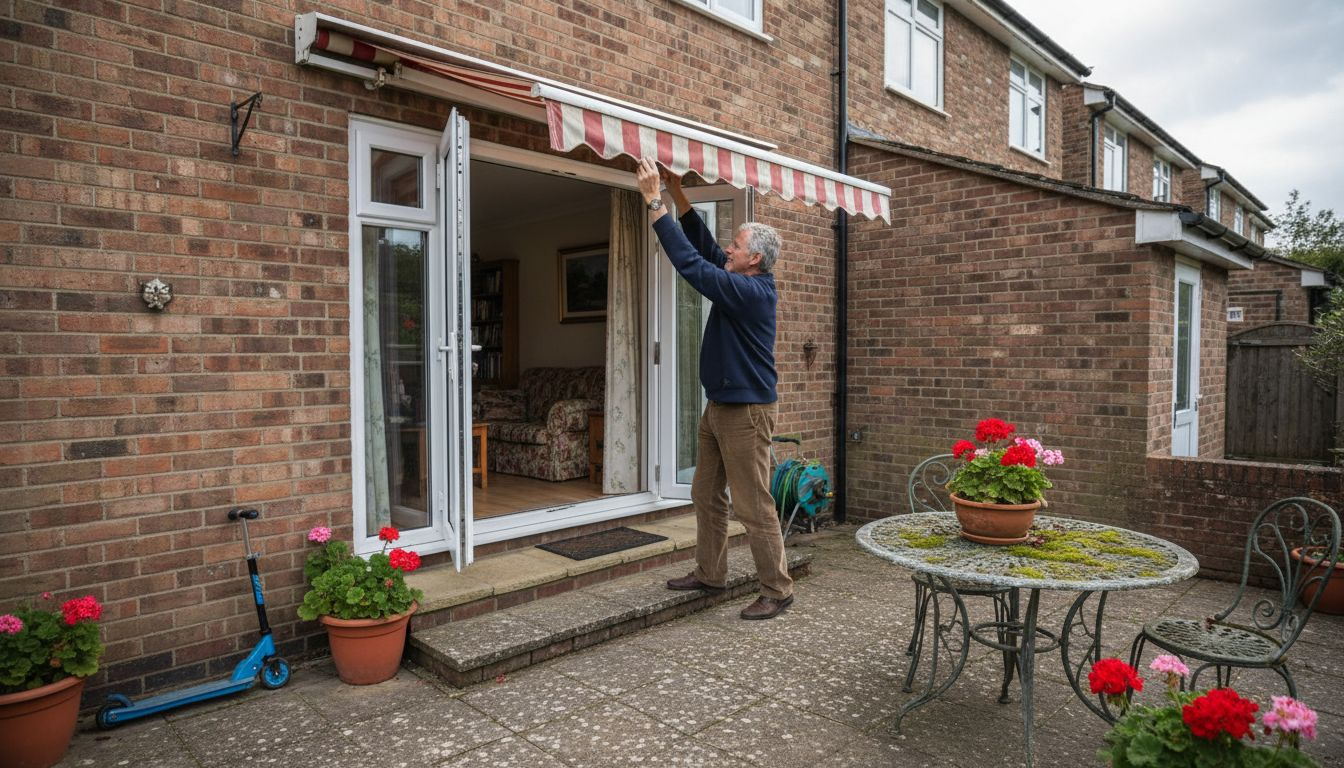
Choosing the right shade for your Yorkshire garden can make outdoor relaxation truly enjoyable, yet confusion between awnings and canopies leaves many homeowners unsure where to start. Whether you want protection from unpredictable British weather or more time spent socialising outside, a retractable canopy awning offers flexible shelter and style that standard coverings cannot match. This guide clears up common misconceptions and explains the features that matter, helping you select an awning type that suits both your comfort needs and property’s unique character.
Table of Contents
Key Takeaways
Point | Details |
Understanding Canopies vs. Awnings | Canopy awnings are distinct from awnings; they provide broader weather protection and can be attached or freestanding. This distinction is crucial for selecting the right type for your outdoor space. |
Material Significance | High-quality materials such as solution-dyed acrylic and aluminium ensure durability and resistance to Yorkshire’s unpredictable weather. Choosing quality fabric over cheaper alternatives leads to better performance and longevity. |
Types of Awnings | Fixed and retractable awnings cater to different needs; fixed awnings are ideal for permanent shading, while retractable options offer flexibility. Understanding your usage patterns will help in making the right choice. |
Investment Considerations | Initial costs vary widely based on features and materials, but quality awnings can enhance property value and reduce energy bills over time. Assessing your actual usage and seeking professional advice can lead to better purchasing decisions. |
Defining Canopy Awnings and Common Misconceptions
A canopy awning is an overhead structure made from fabric or lightweight frames that attaches directly to your building, providing shade and weather protection for patios, gardens, and outdoor spaces. Think of it as an extra layer between you and the elements, though the terminology can be confusing because people often use “canopy” and “awning” interchangeably. The distinction matters because awnings are specifically lightweight structures attached to exterior walls, whereas canopies refer to broader overhead structures that can be either attached or freestanding). In Yorkshire homes, most people choose attached versions that mount directly onto their property, whether above a patio door, a garden seating area, or along a pergola structure.
The materials used matter far more than many Yorkshire homeowners realise. Canopy awnings typically feature durable fabrics like solution-dyed acrylic or polyester stretched over aluminium or steel frames. These materials resist the unpredictable Yorkshire weather remarkably well. Rain rolls off rather than pooling, UV rays are blocked before they fade your furniture, and the aluminium framework won’t rust or warp like cheaper alternatives. Your frame becomes a permanent fixture that handles the wind and weather that other regions find tame.
Common misconceptions often lead homeowners to make poor choices. Many assume canopy awnings are purely decorative or that they provide minimal weather protection. In reality, quality awnings like those with motorised options and integrated wind sensors offer substantial shade and rainfall protection whilst enhancing your home’s visual appeal. Another widespread myth is that canopies require constant maintenance and upkeep. Modern retractable versions minimise maintenance needs, and premium fabrics resist mildew and staining far better than older canvas designs. Some people also wrongly believe that all canopy awnings look industrial or temporary. Today’s designs come in countless colours, patterns, and styles that complement traditional Yorkshire stone cottages as easily as contemporary new builds. When you’re selecting which type suits your space, understanding how different awning styles perform in various settings can help you make a choice that matches both your aesthetic preferences and practical needs.
Pro tip: Before purchasing, clarify with your supplier whether you need a manual retractable model for occasional use or a motorised version with automatic wind sensors for daily outdoor living, as this choice dramatically affects how much you’ll actually use the space throughout the year.
Main Types of Canopy Awnings in the UK
When you’re browsing awning options for your Yorkshire home, you’ll encounter several distinct types, each designed for different purposes and lifestyles. Understanding these categories helps you match the right solution to your specific needs. The main division splits between fixed awnings and retractable awnings, though within each category exist variations that cater to different usage patterns. Fixed awnings remain permanently extended, offering constant shade and weather protection without moving parts. Retractable models, by contrast, roll or fold away when not in use, giving you flexibility to enjoy open skies on sunny days and protection when needed.
Fixed canopy awnings work brilliantly if you want a permanent outdoor room feel. These structures stay extended year-round, creating a defined shaded zone above your patio or garden seating area. They require no manual effort and no motorised components, which means lower maintenance and no mechanical parts to fail during winter storms. Many Yorkshire homes with traditional stone architecture suit fixed awnings because they become an architectural feature rather than an afterthought. Dome-shaped fixed canopies and entrance canopies represent popular variants, particularly over doorways where they provide weather protection whilst maintaining visual appeal. Retractable awnings offer adjustable shading when you want control over how much light enters your space throughout the day. Manual retractable models use a hand crank or pull mechanism, whilst motorised versions feature electric motors and often include wind sensors that automatically retract the fabric when weather conditions become unsafe. For families who use their outdoor space frequently, motorised retractable awnings feel like a worthwhile investment because you’re genuinely more likely to extend or retract them as conditions change.
Pop-up canopies represent portable alternatives for those wanting temporary shade without permanent installation. These lightweight structures feature metal frames and fabric tops that collapse for storage, making them ideal for gardens where you want flexibility or for commercial settings like markets and events. Modern UK materials typically use polyester fabrics stretched over aluminium or steel frames, offering durability against rain and UV damage. The choice between these types depends on your usage patterns. If you entertain regularly and want permanent outdoor living space, fixed or motorised retractable awnings transform your garden into an extension of your home. If you prefer flexibility or have rental properties, retractable or pop-up options provide versatility without permanent commitment.
Pro tip: Measure your outdoor space carefully before selecting a type, as a fixed awning that’s too small leaves parts of your seating area unprotected, whilst an oversized motorised model becomes impractical if you rarely use the controls.
Here’s a summary comparing the main canopy awning types available in the UK:
Awning Type | Best For | Operational Style | Typical Materials |
Fixed Canopy | Permanent outdoor rooms | Always extended | Acrylic, aluminium, steel |
Motorised Retractable | Frequent use, easy adjustment | Electric motor, sensors | UV fabric, powder-coated metal |
Manual Retractable | Occasional use, affordability | Hand crank or pull cord | Weatherproof fabric, metal frame |
Pop-up Canopy | Temporary shade, portability | Collapsible, portable | Polyester, steel tubes |
Key Features and How They Function
Modern canopy awnings work through a combination of smart materials and thoughtful engineering. The fabric covering forms the heart of the system, typically made from acrylic, polyester, or vinyl-laminated polyester that’s been specially treated to resist UV damage and repel water. These fabrics are stretched tightly over a lightweight frame constructed from aluminium or steel, which provides structural strength without adding excessive weight to your home’s exterior walls. The frame anchors securely to your building, transferring the weight of the fabric and any accumulated rainwater safely into the structure. When you touch an awning fabric on a summer afternoon, you’ll feel how effectively it blocks heat. That’s because UV-blocking fabrics reduce indoor temperatures significantly, meaning your air conditioning runs less frequently and your electricity bills drop noticeably. Your furniture also fades far more slowly when protected from direct sunlight, preserving the colour of your garden cushions and outdoor furnishings for years longer.
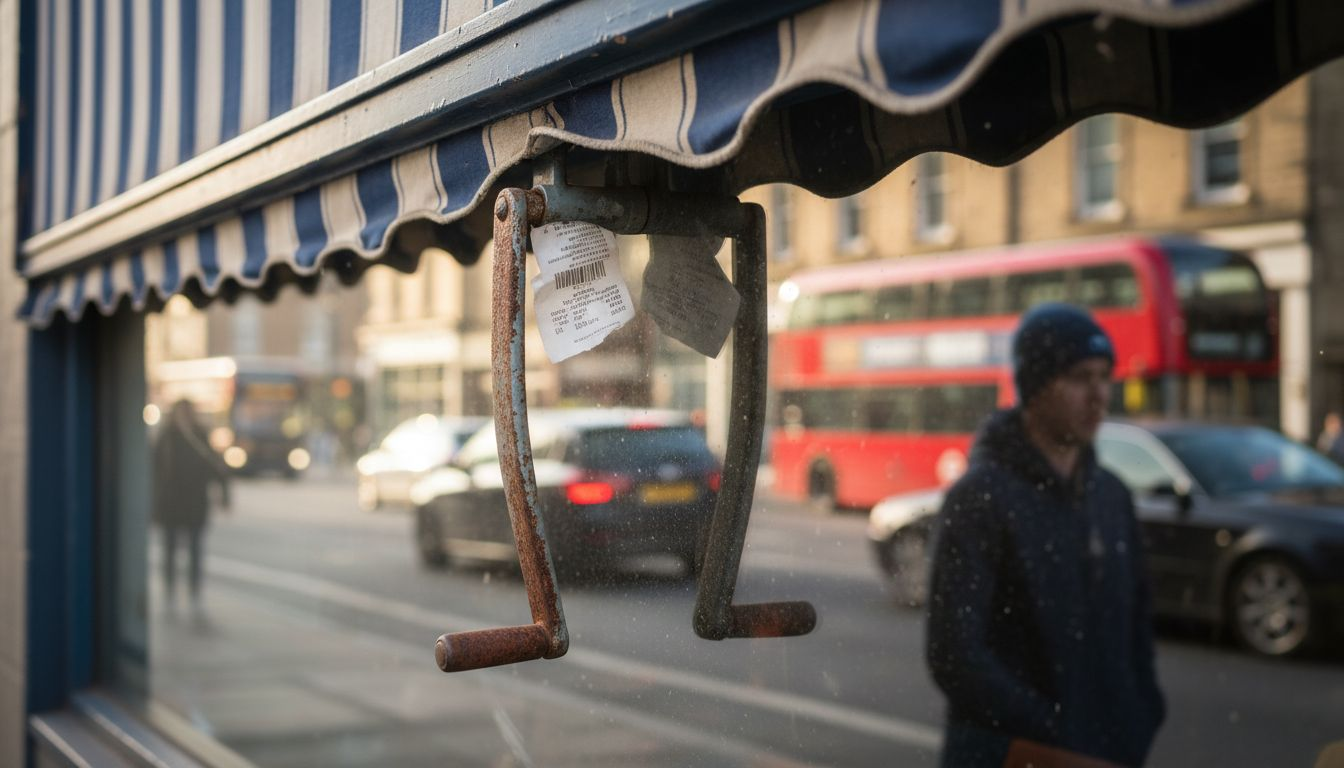
The operational system determines how much you’ll actually use your awning. Manual retractable models feature a hand crank or pull cord that extends or retracts the fabric. These work brilliantly for occasional use because there’s nothing to break down, but cranking becomes tedious if you’re adjusting the awning multiple times daily. Motorised systems use an electric motor controlled by a remote or wall switch, making extension and retraction effortless. The real game-changer is the integrated wind sensor found on many motorised models. This device automatically retracts your awning when wind speeds exceed safe levels, typically around 40 kilometres per hour, preventing fabric damage before it happens. Think of it as your awning protecting itself whilst you’re not paying attention.
Effective canopy design includes proper drainage considerations because water pooling on top of the fabric causes sagging and potential damage. Quality awnings feature slight slopes that direct rainwater towards the edges, where it drains safely without damaging the structure. The fabric itself remains naturally water-repellent rather than relying on brittle coatings that crack over time. The mounting brackets and hardware are typically stainless steel or powder-coated aluminium, preventing rust even in Yorkshire’s damp climate. These details seem minor until you’re looking at an awning that’s lasted fifteen years without deterioration, whilst cheaper alternatives started showing problems after three seasons. The aesthetic integration matters too. Your awning shouldn’t look like an afterthought bolted onto your home. Quality designs feature clean lines, integrated lighting options, and colour schemes that complement your property’s existing architecture, whether that’s a Victorian terrace or a contemporary new build.
Pro tip: If you’re considering a motorised model, verify that the wind sensor setting can be adjusted, as coastal or exposed Yorkshire properties may need more sensitive settings than sheltered gardens.
Popular Uses for Homes and Businesses
Canopy awnings have become indispensable across Yorkshire’s residential and commercial landscapes because they solve genuine problems that affect daily comfort. For homeowners, the most obvious use is creating usable outdoor living space on patios and garden areas. Before an awning arrives, your patio might sit empty on sunny days because it’s too hot, or unused during rain. Once installed, that space transforms into a genuine extension of your home where you can entertain guests, have morning coffee, or supervise children’s play without worrying about sunburn or getting soaked. Families find themselves using their gardens far more frequently, and the financial return comes through increased property value and reduced energy bills. Shading awnings reduce indoor temperatures significantly, which means your air conditioning doesn’t work as hard during summer months. That translates directly to lower electricity costs, and many Yorkshire homeowners recover their investment through energy savings over five to seven years.
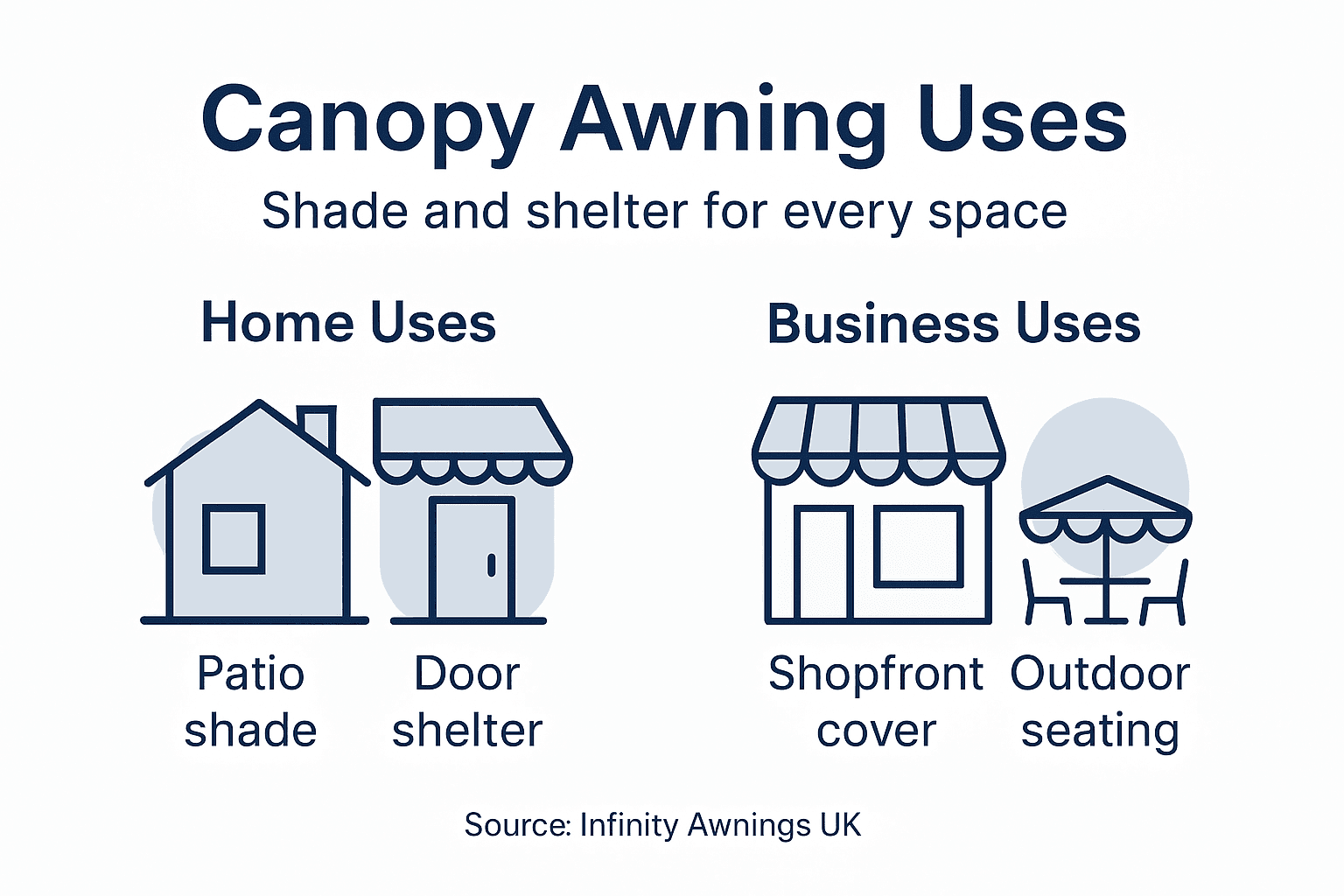
For businesses across the region, awnings serve equally critical functions. Retail shops benefit enormously from window shade that protects merchandise from fading whilst creating an inviting storefront appearance. A restaurant or bar with a retractable awning over its seating area can operate year-round, offering covered outdoor dining that feels like added floor space. Hotels and guest houses find that quality awnings enhance curb appeal and justify premium pricing because guests perceive better outdoor amenities. Office buildings use awnings to regulate interior temperatures in sun-facing areas, reducing the load on climate control systems and creating more comfortable workspaces. Educational institutions install awnings over outdoor learning spaces and playground areas, extending the usable seasons for outdoor education.
The aesthetic contribution matters more than many business owners initially realise. A thoughtfully designed awning doesn’t just provide shelter; it becomes a visual signature for your property. Retailers can choose fabric patterns and colours that reflect their brand identity. Residential properties gain architectural interest that complements their existing character. In Yorkshire’s diverse property landscape, where you might have anything from Georgian townhouses to Victorian mills converted to homes, quality awnings integrate seamlessly because they’re available in styles suited to virtually any building type. The most successful applications combine function with design, where the awning works beautifully whilst also looking intentional and permanent rather than like a temporary fix. Whether you’re protecting outdoor furniture from weather damage, creating shaded walkways between buildings, or establishing a defined entertaining area in your garden, canopy awnings accomplish these goals whilst actually improving how your property appears to visitors and passersby.
Pro tip: Before committing to an awning installation, consult with a professional about your specific orientation and microclimate, as a south facing patio in Sheffield requires different coverage strategy than a west facing garden in rural Derbyshire.
Comparing Canopy Awnings to Other Shade Options
When you’re deciding how to shade your outdoor space in Yorkshire, you’ve got choices. Understanding what separates canopy awnings from alternatives like pergolas, shade sails, fixed overhangs, and natural trees helps you make a decision suited to your specific situation. Each option has genuine strengths and real limitations that affect both your immediate comfort and long-term satisfaction. A canopy awning occupies a sweet spot between flexibility and reliability that other solutions struggle to match. Unlike a fixed overhang that provides permanent shade but also permanent visual presence, retractable canopy awnings let you control when shelter appears and disappears. On a clear winter day, you can retract the fabric completely to allow weak sunshine to warm your patio. When summer arrives and the sun becomes intense, you extend the awning within seconds. That adaptability means your outdoor space works year-round rather than being primarily useful for just a few months.
Shade sails look stylish and cost less initially, but they solve a different problem than canopy awnings do. Shade sails offer partial shade and rely on tensioned fabric, which means water doesn’t drain effectively and they provide limited weather protection during rain. You’ll sit under a shade sail during a sudden shower and still get wet. Canopy awnings with properly designed fabric and drainage slopes keep you completely dry. Pergolas create beautiful architectural features that enhance garden aesthetics, but they primarily filter sunlight rather than blocking it. You still feel significant heat on a summer afternoon under a pergola, and rainfall comes straight through the slats. If you want a genuinely functional outdoor room that works during any weather, pergolas require supplementary shade cloths that add cost and complexity. Natural trees provide wonderful organic shade and improve property aesthetics, but they need years to establish, require ongoing maintenance including pruning and pest management, and eventually drop leaves that clog gutters and patios. They also cannot be adjusted for your immediate comfort needs.
Fixed metal canopies offer durability and permanence that comes at considerably higher cost than fabric awnings. They work brilliantly for commercial applications like covered walkways where permanent shelter justifies the investment. For residential patios where you value flexibility and seasonal adjustment, canopy awnings balance affordability with ease of use and aesthetic customisation, making them the practical choice for most Yorkshire homeowners. Interior window shutters and blinds solve different problems entirely by controlling light indoors rather than blocking it at the source, which means your home still absorbs heat through the windows. The maintenance question varies significantly too. Fabric awnings require periodic cleaning and eventually fabric replacement after ten to fifteen years of use, whilst shade sails depend on tension maintenance and weather resistance. Pergolas need regular treatment if built from wood, and trees demand continuous attention. Canopy awnings sit in the middle ground where maintenance remains manageable compared to natural alternatives and less involved than managing competing shade systems.
Pro tip: Visit properties in your area with different shade solutions and observe them during midday summer heat and during rain to understand how each performs in real conditions rather than relying solely on photographs or marketing materials.
Explore how canopy awnings compare with other popular shade options:
Shade Solution | Weather Protection Level | Flexibility of Use | Maintenance Needs |
Canopy Awning | High, keeps area dry | Adjustable or permanent | Annual cleaning, 10+ year fabric life |
Shade Sail | Moderate, partial rain | Limited, fixed tension | Tension checks, fabric replacement |
Pergola | Low, rain passes through | Fixed structure | Timber treatment, repairs |
Natural Trees | Variable, shade only | Seasonal flexibility | Pruning, pest management |
Costs, Maintenance, and Buying Considerations
Canopy awning prices vary considerably depending on what you’re actually buying. A basic manual retractable awning for a modest patio might cost between £1,500 and £3,000 installed, whilst a large motorised system with integrated wind sensors and lighting could reach £8,000 or more. The variables that drive pricing include the overall size of the coverage area, whether you choose manual operation or motorised with remote control, the quality and brand of the fabric, and the complexity of your installation site. Yorkshire properties with complicated rooflines or unusual wall angles cost more to install than straightforward terraced homes. Aluminium or metal canopies sit at the premium end, offering exceptional durability but requiring significant upfront investment. Fabric awnings provide better value for most homeowners because they balance affordability with genuine functionality. The financial equation improves when you factor in energy savings. A motorised awning that reduces your air conditioning usage during summer months can recover 15 to 20 percent of its initial cost through electricity bill reductions over five years, and some regions offer grants or incentives for energy-efficient home improvements.
Maintenance of canopy awnings includes periodic cleaning and fabric inspection, which keeps your investment performing well. Fabric awnings need gentle cleaning annually with mild soap and water to prevent mildew and staining, particularly in Yorkshire’s damp climate. The good news is this takes a few hours rather than a full day. Metal frames benefit from occasional inspection to ensure mounting brackets remain tight and to check for any rust development, though quality powder coated or stainless steel components resist corrosion effectively. Motorised systems require occasional mechanical servicing similar to garage door openers, but these systems are robust and rarely need attention beyond annual inspection. Costs vary based on material and mechanisation, with fabric awnings typically more affordable than metal alternatives. Fabric replacement becomes necessary after ten to fifteen years of exposure, and replacement costs typically range from 30 to 50 percent of your original purchase price depending on the fabric grade you choose.
When buying a canopy awning, start by assessing your actual needs honestly. Do you need daily control because you work from home and want flexibility, or would a fixed awning serve your purposes? Manual operation suits occasional users who don’t mind the physical effort, whilst motorised systems justify their cost for families using outdoor spaces regularly. Evaluate warranty terms carefully. Reputable suppliers offer five years or longer on fabric and mechanisms, which protects your investment against manufacturing defects. Check compatibility with your climate and specific exposure conditions. South-facing Yorkshire gardens experience intense summer heat that demands quality UV-blocking fabrics, whilst exposed rural properties benefit from robust frames and reinforced mounting systems that handle stronger winds. Installation complexity affects both cost and timeline. Simple installations on straightforward wall surfaces take one to two days, whilst complicated sites might require structural assessment and take longer. Finally, balance functionality with visual appeal and budget constraints. The most expensive option isn’t always best if it doesn’t match your actual usage patterns, and the cheapest option often disappoints when it fails prematurely or doesn’t perform as expected during Yorkshire’s unpredictable weather.
Pro tip: Request references from your supplier and contact at least two previous customers to ask about their long-term satisfaction, maintenance requirements, and whether the actual functionality matched their expectations before making your purchase decision.
Elevate Your Outdoor Space with Expert Canopy Awning Solutions
Understanding what a canopy awning is and why it matters reveals common challenges like choosing between fixed and retractable options, managing unpredictable Yorkshire weather, and balancing style with functionality. If you want to create a comfortable, stylish outdoor area that protects against sun and rain while enhancing your home or business, it is essential to select the right system tailored to your specific needs. Whether you are aiming for effortless motorised control with wind sensors or a durable fixed canopy to maximise your patio usage, these decisions transform your lifestyle and outdoor enjoyment.
Discover the perfect outdoor shading solution with Infinity Awnings. With over 15 years of experience serving Yorkshire, Derbyshire, Nottinghamshire, and Lincolnshire, we specialise in premium retractable awnings, pergolas, and verandas custom designed for durability and elegance. Don’t wait for the unpredictable weather to disrupt your outdoor plans. Visit our landing page now to explore customisable shading solutions, request a free quote, and start transforming your outdoor space into a year-round extension of your home or business.
Frequently Asked Questions
What is a canopy awning?
A canopy awning is an overhead structure made from fabric or lightweight frames that attaches to a building, providing shade and weather protection for outdoor spaces such as patios and gardens.
What are the main types of canopy awnings?
The main types of canopy awnings include fixed awnings, which remain permanently extended, and retractable awnings, which can be rolled or folded away when not in use. Retractable awnings can be manual or motorised.
How do canopy awnings protect against the weather?
Canopy awnings protect against the elements by blocking UV rays and providing shelter from rain. High-quality fabrics used in these awnings are durable, water-repellent, and can reduce indoor temperatures, saving energy costs.
What maintenance does a canopy awning require?
Maintenance for canopy awnings involves periodic cleaning to prevent mildew and staining, as well as inspecting the metal frames for rust. Motorised systems may require occasional mechanical servicing, while fabric replacement typically occurs every ten to fifteen years.
Recommended
Comments