
5 Shelter Choices for an Awning Over a Hot Tub in the UK


Yes, an awning or pergola can protect and improve a hot tub area, and the right choice depends on what you need most. A retractable awning suits flexible shade and light rain, a louvred pergola gives you a ventilated all-weather roof, and an automated gazebo cover offers the highest insulation. Whichever you choose, an overhead structure adds shelter and privacy, but it is not a substitute for a sealed thermal cover, so check planning rules and electrics before you commit.
TL;DR:
A louvred pergola offers a good balance of weather protection, ventilation, and cost, making it suitable for year-round hot tub use.
Overhead shelters reduce debris, improve privacy, and extend usable seasons, but cannot replace insulated covers for heat retention.
Proper planning permission checks and electrical safety measures are essential before constructing any shelter or enclosure over a hot tub.
Sealed insulated covers are necessary to prevent heat loss through evaporation, which awnings or pergolas alone cannot effectively block.
Ventilation design is crucial to prevent condensation issues that can lead to mold and electrical damage in sealed, enclosed hot tub shelters.
Table of Contents
Types of awnings and shelters you can put over a hot tub
Most homeowners choose between five broad options, and each suits a different budget and level of permanence.
Retractable fabric awnings mount to a wall or freestanding frame, fold away when not needed, and shed light rain well, though most have wind ratings that mean they should be retracted in strong gusts.
Louvred or retractable pergola roofs give you adjustable slats that open for ventilation or close for weatherproofing, and they integrate cleanly with heaters and lighting fixed into the frame.
Freestanding gazebos and framed canopies offer more privacy and a permanent look, with options for insulated roofing where you want year-round use.
Automated cover or gazebo systems, such as the Covana-style units, seal the tub almost completely and reduce evaporation substantially, though they carry a premium price and need a retrofit compatibility check.
Shade sails and large umbrellas work for anyone wanting basic sun protection without the cost or commitment of a built structure.
A pergola with a louvred roof tends to be the middle ground many homeowners land on: it handles rain better than an open sail, costs less than an automated gazebo, and still lets you ventilate the space when the tub is in use. For a deeper look at how these roofs work, see our explanation of pergola roofing and retractable canopies.
What awnings protect against: real benefits and real limits
An overhead structure earns its keep in a few clear ways. It gives you privacy from overlooking gardens, cuts down on leaves and debris landing in the water, and makes the tub more comfortable to use in drizzle or wind. Paired with heaters and lighting, it also extends the hours and seasons you can realistically use the tub.
Privacy and screening: side panels or louvres block sightlines from neighbouring properties.
Debris and light rain reduction: fewer leaves, less grit, and a drier seating area around the tub.
Comfort during use: shelter from wind chill and drizzle while you are actually in the water.
Extended usable hours: lighting and heating under cover make winter evenings practical.
The limitation that catches most people out is evaporation. An overhead shelter cannot replace an insulated hot-tub cover, because evaporation is the primary driver of heat loss, and only a sealed cover stops that process meaningfully. A roof overhead keeps rain and leaves out, but steam and warmth still escape upwards unless the water surface itself is sealed.
Permanent enclosures bring a second risk: condensation. Trapped humidity under a sealed roof with poor airflow can encourage mould and corrode electrical fittings over time, so ventilation needs to be designed in from the start, not added as an afterthought.
Planning, safety and regulatory checks before you build
Before any structure goes up, work through these checks in order.
Confirm whether the structure needs planning permission. Most garden hot tubs do not need planning permission on their own, but the roof or enclosure built over the tub often does, particularly where decking is raised, the garden already has significant coverage, or the property sits in a conservation or listed area.
Check decking height and garden coverage limits against your local authority’s rules, since raised platforms and cumulative coverage are common triggers for permitted development limits.
Get the electrics designed by a qualified person. IET guidance on hot tubs sets out zone definitions around the tub, and lighting, heaters or sockets near the water need RCD protection, correct IP ratings, and an isolator positioned outside the splash zone.
Confirm the base and structural load. The frame needs a solid footing, proper drainage so water does not pool under the tub, and clear access for servicing or future lifting equipment.
Ask for pre-application advice or a Lawful Development Certificate from your local planning authority when the project sits close to any size or height limit, rather than guessing and risking enforcement later.
Pro Tip: Treat the planning question as being about the structure, not the tub itself: a low pergola is often fine, while a tall garden room over the same tub usually needs permission.
Our guide on avoiding the 2.5 metre planning trap for pergolas over hot tubs covers the height rule that catches out the most homeowners.
Cover versus awning: how shelter affects heating and maintenance
The cover and the awning do different jobs, and conflating them is the most common mistake homeowners make.
An insulated, sealed cover is what actually stops heat escaping, because it blocks the evaporation that drives most heat loss from the water surface.
An awning or pergola roof reduces top-ups and debris, keeps the area drier, and makes the tub more pleasant to sit under, but it does nothing to slow evaporation on its own.
The practical combination is to keep the sealed cover on whenever the tub is not in use, and rely on the awning for comfort and weather protection while you are actually in the water.
Automated gazebo covers are the exception: because they seal the tub directly, they reduce evaporation dramatically, effectively combining both jobs in one higher-cost system.
Thought of this way, the awning and the cover are not competing purchases. One manages your energy bill, the other manages your comfort and the weather.
Practical checklist and questions to ask an installer
Before you request quotes, gather a few measurements and decide what matters most to you.
Measure clearances around the tub, check sightlines from neighbouring gardens, and confirm the base can carry the structure’s weight plus the tub itself.
Check wind rating and fixings for the specific awning or pergola fabric, along with its IP rating for any integrated lighting or heating.
Ask about electrical zoning, including where the isolator sits, whether RCD protection is fitted, and who signs off the installation.
Confirm warranty terms, the service schedule, and exactly what is included in the written quote before you sign anything.
Set a realistic budget band, since a basic canopy, a fitted retractable awning, and a bespoke louvred pergola or automated cover sit at very different price points.
Pro Tip: Ask any installer how they handle condensation and drainage under the roof. A vague answer is a sign the ventilation has not been properly thought through.
For wind ratings and fabric choices more broadly, our piece on choosing outdoor awnings is a useful companion, and our rain and drainage tips cover the retrofit details that keep a pergola dry year round.
Infinity Awnings’ approach to hot tub shelters
Some companies have over 15 years’ experience supplying and fitting retractable awnings, pergolas and verandas, often with integrated heaters and LED lighting built into the frame. On hot tub projects, the issues that come up most often are ventilation design, keeping electrical fittings outside the splash zone, and making sure decking can carry the combined load of the structure and a full tub.
Getting these details right at the design stage avoids expensive retrofits later. For further reading, our guides on outdoor shading checklists and the planning trap for pergolas over hot tubs are a good starting point, or you can request a free quote directly.
What actually matters when you shelter a hot tub
The conventional advice tends to focus on style: which pergola looks best, which fabric matches the decking. That misses the point. The structural decisions that actually matter are ventilation and electrical zoning, and both get skipped more often than they should.

A beautifully finished pergola with no airflow plan will trap condensation and shorten the life of its own fittings. A stunning lighting scheme wired without proper zoning is a hazard waiting to surface at the first service visit. If you prioritise one thing before choosing fabric colours or roof styles, make it getting a qualified electrician and a clear ventilation plan signed off first.
The second thing most people get backwards is assuming a roof will cut their heating costs. It will not. The cover does that job. Buy the awning for comfort and the cover for efficiency, and stop expecting one to do the other’s work.
— Andrew
How Infinity Awnings can help
A site visit settles most of the open questions in one afternoon: siting advice, an electrical safety check against zone requirements, and a written specification you can compare against other quotes.
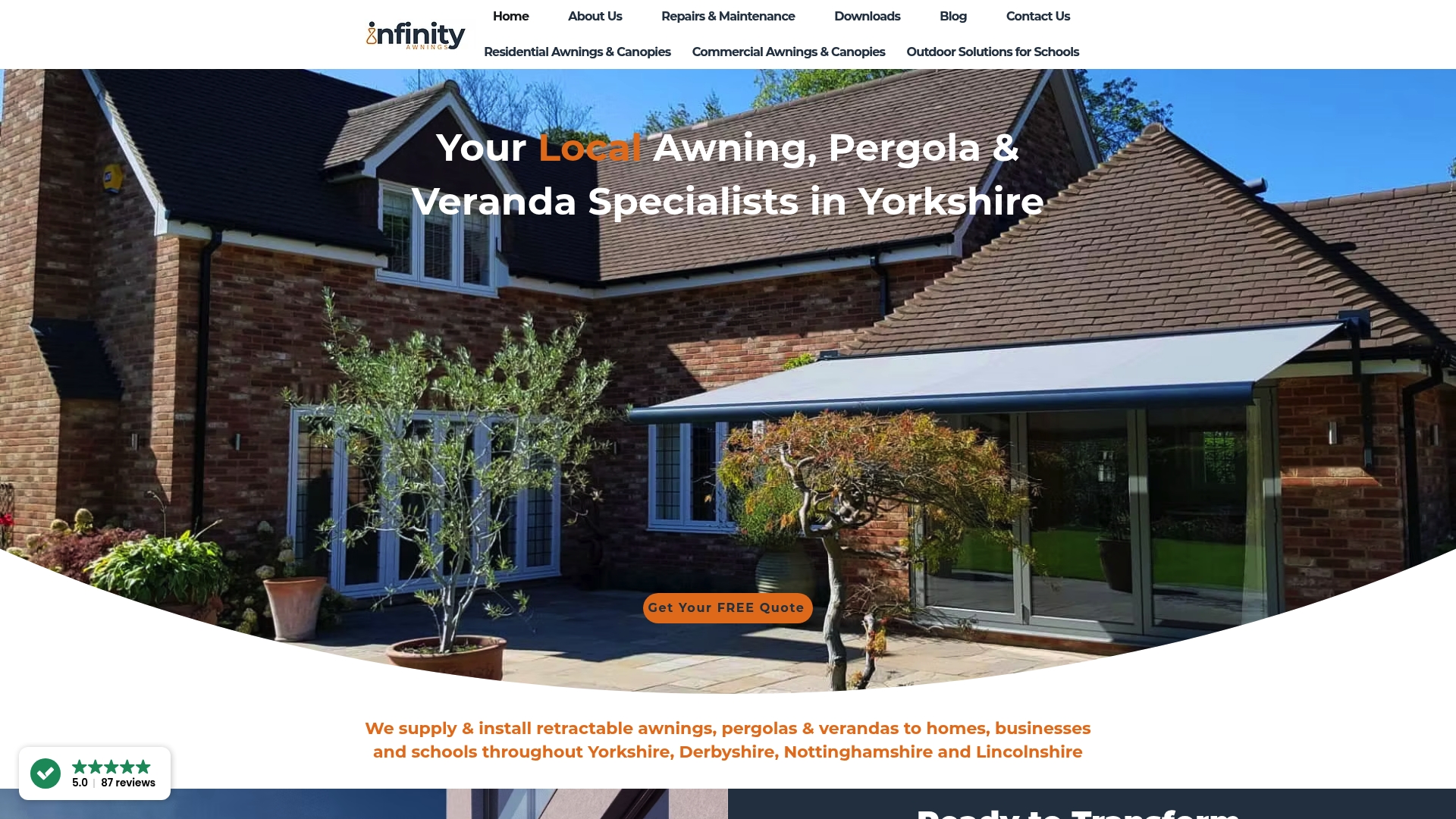
Supply and installation of retractable awnings, pergolas and verandas, with options for heater and lighting integration.
A free site survey that covers base strength, drainage and the practical layout around your tub.
A written quote with no pressure to sign on the day.
If you are weighing up a fitted retractable awning against a full pergola for your hot tub, request a free quote and get a specification built around your garden rather than a generic template.
Sources
FAQ
Can I build a gazebo over my hot tub?
Yes, in most cases, though the gazebo itself is usually the part that needs checking against planning rules, not the tub. Height, raised decking and garden coverage are the common triggers, so check permitted development limits before you build.
Why do you put a tennis ball in a hot tub?
A tennis ball floating on the surface can absorb some surface oils and help reduce foam, though it is a minor household trick rather than a water-treatment method. It does nothing for sanitiser levels or temperature management, which need proper chemical dosing.
What is the best shelter for a hot tub?
It depends on your priorities: a louvred pergola gives the best balance of ventilation and weatherproofing for most homeowners, while a retractable awning suits flexible, lower-cost shade. An automated cover system offers the highest insulation but comes at a premium price.
Do you need planning permission for a hot tub gazebo?
Often yes, even though the tub itself typically does not need permission. Structures with significant height, raised decking, or those on listed or conservation land are the usual triggers, so check with your local planning authority before building.
Does an awning stop my hot tub losing heat?
No, an awning shelters the tub from rain and debris but does not stop evaporation, which is the main cause of heat loss. A sealed insulated cover is what actually reduces energy use and top-ups.
Recommended
Comments