
7 Essential Awnings Installation Tips for Yorkshire Homes
- Andrew Crookes

- Feb 10
- 9 min read
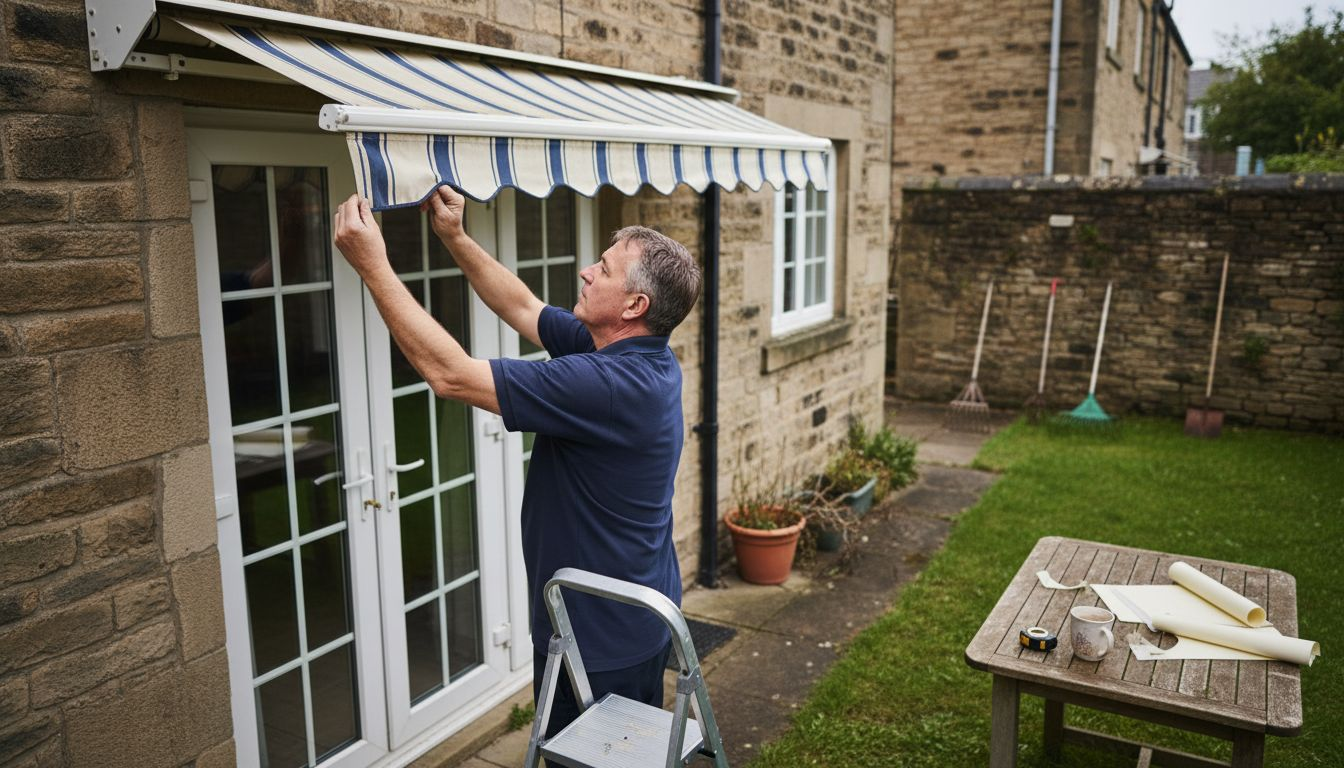
Fitting an awning in Yorkshire is no simple task. Between unpredictable British weather, strict building standards, and the quirky architecture of local homes, it’s easy to miss a step or select the wrong design. If you want your outdoor space to be both comfortable and durable, getting every detail right from the start is crucial.
This guide is built on advice from trusted sources including the Royal Horticultural Society, Historic England, and the UK Government. You’ll discover practical steps for choosing, measuring, and installing an awning that stands up to Yorkshire’s unique challenges. Each point will give you clear, actionable tips to help you avoid costly mistakes and build a long-lasting, weather-ready outdoor space you can enjoy year-round.
Read on and get ready to learn what really matters when it comes to awnings in Yorkshire. Your outdoor transformation starts with the right knowledge and a plan that works for local homes.
Table of Contents
Quick Summary
Takeaway | Explanation |
1. Measure accurately | Get precise measurements for the awning to avoid gaps and ensure proper installation. |
2. Choose the right type | Select an awning that fits your home’s style, climate, and intended usage to enhance outdoor comfort. |
3. Assess weather conditions | Consider local weather patterns to select durable awning materials that withstand Yorkshire’s climate. |
4. Check wall structure | Verify the structural integrity of your wall to ensure safe and secure awning installation. |
5. Maintain regularly | Establish a maintenance routine to extend your awning’s lifespan and ensure it remains functional and appealing. |
1. Measure Your Outdoor Space Accurately
Installing an awning isn’t just about choosing a stylish design. It’s about precision and understanding your specific outdoor area’s unique dimensions. Getting your measurements right is the critical first step towards creating a functional and visually appealing outdoor living space.
Accurate measurement ensures your awning will:
Fit perfectly without awkward gaps
Provide optimal shade coverage
Prevent installation complications
Maximise your outdoor area’s potential
The Royal Horticultural Society recommends using a high-quality metal tape measure for the most precise results. Start by measuring the total width of the area where you plan to install the awning. Take measurements at multiple points to account for any slight variations in wall or mounting surface.
Precision matters: A difference of just a few centimetres can impact your entire awning installation.
When measuring, consider these key dimensions:
Width of the mounting area
Desired projection from the wall
Height clearance for installation
Potential obstacles like windows or door frames
Pro tip: Use a spirit level alongside your tape measure to ensure your measurements are completely horizontal and vertical for the most accurate results.
2. Choose the Right Type of Awning
Selecting the appropriate awning for your Yorkshire home involves more than just aesthetic preference. Your choice will significantly impact outdoor comfort, functionality, and the overall visual appeal of your property.
Historic England highlights that awnings come in diverse styles tailored to different architectural needs. Understanding these variations helps homeowners make informed decisions.
Key awning types to consider:
Traditional Canvas Side Arm Awnings: Perfect for classic Yorkshire terraces
Retractable Awnings: Ideal for modern homes with flexible outdoor spaces
Fixed Frame Awnings: Excellent for consistent shade protection
Window Awnings: Brilliant for temperature and sunlight control
Choosing the right awning transforms an ordinary outdoor space into an extraordinary living area.
When selecting your awning, evaluate these critical factors:
Your home’s architectural style
Intended usage of the outdoor space
Local Yorkshire weather conditions
Budget and maintenance requirements
Personal aesthetic preferences
Pro tip: Consider requesting fabric samples and consulting professional installers who can provide personalised recommendations based on your specific outdoor environment.
3. Plan for Weather Conditions and Exposure
Yorkshire’s unpredictable climate demands careful consideration when installing outdoor awnings. Your selection must withstand everything from gentle summer breezes to sudden autumn downpours.
UK Climate Change Committee recommends selecting awnings designed to manage increasingly variable weather patterns. Understanding local meteorological challenges helps protect your investment.
Key weather considerations for awning selection:
Wind Resistance: Choose robust mounting systems
Waterproof Materials: Prevent moisture damage
UV Protection: Shield against intense sunlight
Thermal Performance: Maintain outdoor comfort
Yorkshire weather demands versatile outdoor solutions that adapt seamlessly to changing conditions.
When assessing weather exposure, evaluate:
Prevailing wind directions
Annual rainfall intensity
Sunlight exposure throughout seasons
Potential temperature fluctuations
Proximity to coastal or elevated regions
The Met Office provides detailed regional climate data to help homeowners make informed decisions about outdoor installations.
Pro tip: Invest in motorised awnings with wind sensors that automatically retract during strong gusts to prevent potential damage.
4. Check Wall Structure and Fixings
Successful awning installation starts with understanding your home’s structural composition. Your wall isn’t just a backdrop—it’s the critical foundation for your outdoor comfort solution.
UK Government’s Approved Documents emphasise the importance of verifying structural integrity before mounting any external fixture. Different wall materials require specific approaches to ensure safe and secure installation.
Wall structure assessment involves examining:
Masonry Walls: Brick or stone construction
Timber Frame Structures: Wooden support systems
Rendered Surfaces: Potential hidden structural variations
Cavity Wall Considerations: Internal structural complexity
Proper wall assessment prevents potential structural damage and ensures long-term awning performance.
Critical steps for wall structure evaluation:
Identify wall material composition
Check for existing structural damage
Measure wall thickness
Determine appropriate mounting points
Select compatible fixing hardware
DIY Doctor recommends using specialised tools like electronic stud finders and wall scanners to locate secure mounting points.
Pro tip: Consult a professional structural surveyor if you’re uncertain about your wall’s load-bearing capacity or fixing requirements.
5. Select Suitable Materials and Fabrics
Choosing the right materials can make the difference between an awning that survives a single Yorkshire winter and one that protects your outdoor space for years to come. Your fabric and frame selections are critical investments in long-term durability.
Historic England highlights the importance of selecting corrosion-resistant materials specifically designed to withstand British weather conditions.
Key material considerations:
Fabric Durability: Resist UV and moisture damage
Frame Strength: Withstand wind and precipitation
Colour Retention: Maintain aesthetic appeal
Maintenance Requirements: Ease of cleaning and care
Quality materials transform an ordinary awning into a resilient outdoor living solution.
Recommended material characteristics include:
UV-resistant fabric treatments
Water-repellent textile coatings
Rust-resistant metal frames
Lightweight yet robust construction
Colour-fast textile technologies
The Sustainable Materials UK recommends exploring innovative options like recycled polyester that balance performance and environmental responsibility.
Pro tip: Always request fabric samples and check their specific performance ratings before making a final selection.
6. Ensure Safe and Secure Installation
Awning installation isn’t just about aesthetics—it’s a critical safety procedure that demands meticulous attention to detail. Cutting corners can lead to potential structural damage or personal injury.
The Health and Safety Executive emphasises comprehensive risk assessment as the foundation of safe installation practices. Understanding and implementing proper safety protocols protects both your property and your personal wellbeing.
Key safety considerations include:
Structural Integrity: Verify wall strength
Load-Bearing Capacity: Assess mounting points
Wind Resistance: Evaluate potential stress factors
Professional Equipment: Use appropriate tools
Safety isn’t an optional extra—it’s the most critical component of any home improvement project.
Essential safety installation steps:
Conduct thorough wall structural assessment
Use professional-grade fixing hardware
Check manufacturer’s weight and stress specifications
Verify all mounting points are secure
Test installation under simulated wind conditions
The Approved Documents recommend detailed documentation and adherence to national building regulations during installation.
Pro tip: Always wear appropriate personal protective equipment and consider professional installation if you’re uncertain about any aspect of the awning mounting process.
7. Consider Aftercare and Routine Maintenance
Your awning represents a significant investment in your home’s outdoor living space. Proper maintenance isn’t just about aesthetics—it’s about preserving functionality and extending the lifespan of your installation.
Historic England emphasises the critical role of consistent care and periodic inspections for external fixtures like awnings.
Key maintenance considerations include:
Fabric Inspection: Check for wear and tear
Frame Cleaning: Remove dirt and prevent corrosion
Mechanical Components: Lubricate moving parts
Weather Damage Assessment: Evaluate post-storm condition
Regular maintenance transforms a simple awning into a long-lasting outdoor solution.
Comprehensive maintenance routine:
Inspect fabric monthly for signs of damage
Clean fabric with recommended cleaning solutions
Check mechanical mechanisms quarterly
Lubricate moving parts annually
Store or protect during extreme weather conditions
The UK Government’s Ministry of Housing recommends prompt response to any identified wear or damage.
Pro tip: Create a dedicated maintenance calendar with specific dates for cleaning, inspection, and potential repairs to ensure consistent care.
Below is a comprehensive table summarising the main strategies and key considerations for installing a functional and durable outdoor awning as outlined in the article.
Step | Key Actions | Benefits |
Measure your space | Use a high-quality tape to measure the width, projection, and height of the installation area. | Ensures the awning fits accurately and provides optimal shade with a seamless installation. |
Choose an awning style | Consider the architecture of your property and the intended purpose of the awning. | Enhances compatibility with the style of your home and maximises functionality. |
Evaluate weather impact | Research local weather conditions and choose materials suitable for wind, rain, and UV protection. | Increases the longevity of the awning and ensures it performs well across varied Yorkshire climates. |
Check wall structure | Identify wall composition, locate appropriate fixing points, and utilise the right tools. | Guarantees the safety and stability of the installation, avoiding structural damage. |
Select materials | Opt for UV-resistant, waterproof, and corrosion-resistant fabrics and frames. | Balances performance, durability, and aesthetics while withstanding the elements effectively. |
Proper installation | Follow manufacturer guidelines and verify the integrity of the installation points. | Prevents material damage and ensures a secure and long-lasting installation. |
Perform maintenance | Clean, inspect, and repair the awning regularly based on its material and usage. | Maintains the awning’s appearance, functionality, and structural soundness over years of use. |
This table provides a concise yet thorough overview of the article's crucial insights for successfully choosing, installing, and maintaining an outdoor awning, with a focus on safety, style, and adaptability to British conditions.
Transform Your Yorkshire Home with Expert Awning Solutions
The article “7 Essential Awnings Installation Tips for Yorkshire Homes” highlights challenges like precise measurement, weather resilience, and choosing the right materials to ensure long-lasting outdoor comfort. These concerns are critical for homeowners seeking to enhance their outdoor spaces with reliable and stylish awnings that truly fit their needs and withstand Yorkshire’s unpredictable climate. If you want to avoid installation pitfalls and enjoy tailored shading designed for both beauty and durability, understanding the nuances of awning types and proper installation is key.
Experience peace of mind with Infinity Awnings, your trusted partner specialising in retractable awnings custom-made for Yorkshire homes. We offer professional design, supply, and installation services that consider every detail from wall structure to weather exposure. Discover how our premium brands and expert team ensure safety, durability, and exceptional style for your outdoor areas. Don’t wait to create the perfect outdoor retreat—visit Infinity Awnings today for a free quote and turn those essential tips into tangible comfort and elegance.
Frequently Asked Questions
How do I measure my outdoor space accurately for an awning installation?
To measure your outdoor space accurately, use a high-quality metal tape measure to get the total width where the awning will be installed. Check measurements at multiple points to ensure precision, and consider wall projections, height clearance, and any obstacles like windows.
What factors should I consider when choosing the right type of awning?
When choosing an awning, evaluate your home’s architectural style, intended usage of the space, local weather conditions, and your budget. Make a list of these factors to help guide your selection process.
How can I prepare for adverse weather conditions when selecting an awning?
To prepare for adverse weather, select awnings that offer wind resistance, waterproof materials, and UV protection. Assess typical weather patterns in your area and choose products designed to withstand those conditions.
What should I do to check the wall structure before installing an awning?
Examine the wall structure by identifying the material composition, checking for existing damage, and determining appropriate mounting points. Take these steps to ensure a secure installation that can support the weight of the awning.
How can I ensure safe and secure installation of my awning?
To ensure safety during installation, conduct a thorough structural assessment of the wall, use professional-grade fixing hardware, and check weight specifications. Follow a detailed installation checklist to avoid potential hazards and guarantee your awning is secure.
What ongoing maintenance should I perform for my awning?
Perform routine maintenance by inspecting the fabric for wear and cleaning it regularly. Create a dedicated schedule to check mechanical components and ensure your awning remains in good condition throughout the year.
Recommended
Comments