
Retractable Roofs: Transforming Outdoor Living Spaces

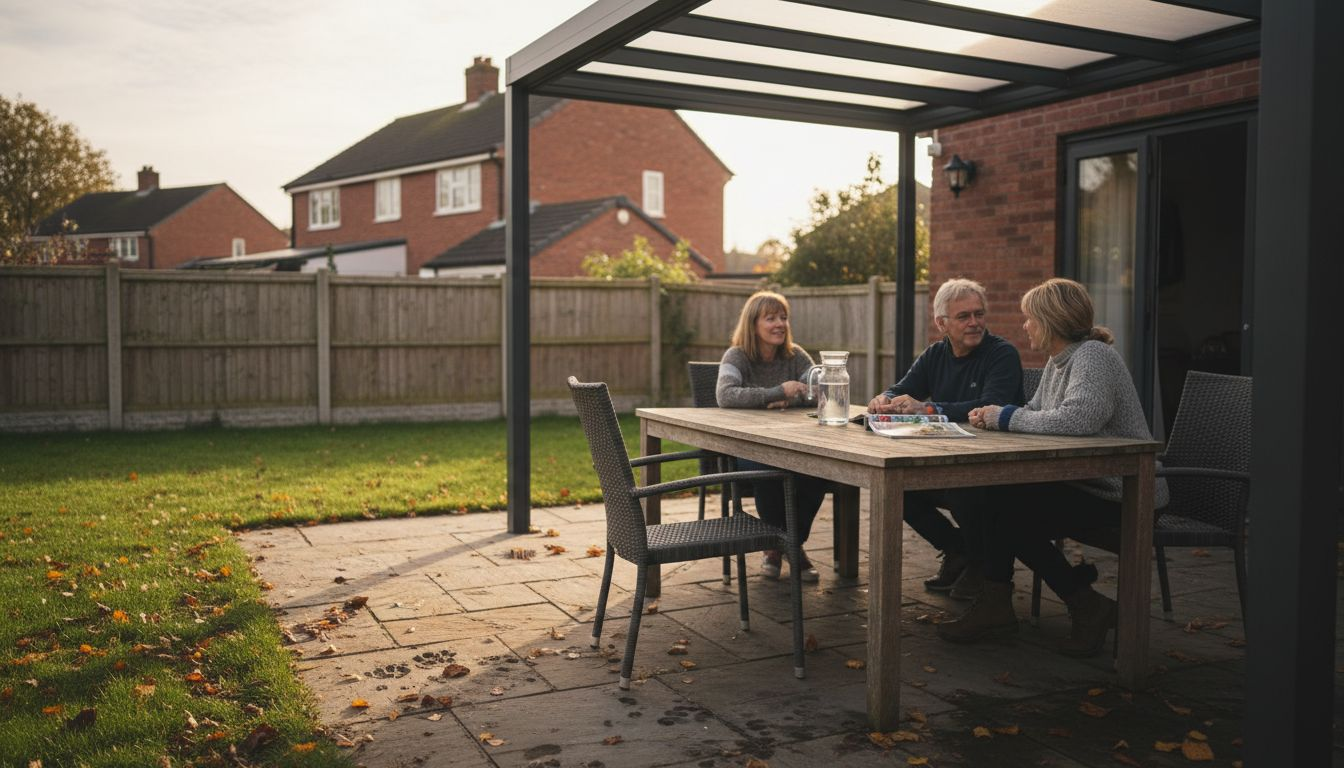
For many Yorkshire homeowners, unpredictable weather often disrupts plans to relax or entertain outdoors. Finding a shading solution that can adapt quickly is essential, yet myths about retractable roofs still cloud judgement and design choices. This article clarifies how modern retractable roof systems offer exceptional versatility and stylish appeal, highlighting flexible outdoor living through reliable mechanisms, custom features, and easy maintenance suited for the Yorkshire climate.
Table of Contents
Key Takeaways
Point | Details |
Flexibility of Design | Retractable roofs can be customised to fit various garden shapes and sizes, offering adaptable solutions for outdoor living spaces. |
Maintenance Requirements | Quality retractable roofs demand minimal upkeep, primarily involving regular cleaning and lubrication of moving parts. |
Weather Adaptation | These systems automatically respond to changing weather conditions, ensuring functionality and protection for outdoor areas year-round. |
Cost Considerations | Although initial investment varies, the long-term value justifies the expense, particularly when compared to fixed structures. |
Retractable roofs explained and common myths
Retractable roofs are motorised or manually operated structures that open and close to create flexible outdoor living spaces. Unlike fixed installations, they allow you to control how much sunlight and shelter you receive at any moment.
These systems work through a series of connected panels or fabric sections that slide, fold, or roll along a framework. When extended, they provide shade and weather protection. When retracted, they disappear neatly out of sight, leaving your garden completely open.
How They Actually Work
The mechanics are simpler than many Yorkshire homeowners assume. Most retractable roofs use one of two main systems:
Sliding panels: Rigid sections glide along overhead tracks, stacking neatly to one side
Folding or rolling fabric: Flexible material compresses into a compact unit when pulled back
Electric motors handle the hard work on powered models. Manual systems use hand cranks or simple pulleys—no electricity needed.
Retractable roof structures are far more adaptable than people realise. They can accommodate various garden shapes, not just rectangular patios. Designers can create angular, curved, or irregular canopies without compromising function.
Common Myths Debunked
Myth 1: They only work on square patios.
False. Modern retractable systems adapt to L-shaped gardens, angled spaces, and even triangular areas. Your garden’s layout won’t limit your options.
Myth 2: They’re expensive to maintain.
Not really. Quality systems from reputable suppliers require minimal upkeep—basic cleaning and occasional lubrication of moving parts. They’re built to handle Yorkshire’s weather.
Myth 3: They collapse in strong wind.
Robust models come with wind sensors that automatically retract when gusts exceed safe limits. Most residential installations stay secure in typical British weather conditions.
Myth 4: Installation is a nightmare.
Professional installers can typically complete the job in a few days without major disruption. You won’t need structural modifications for most patios.
Quality retractable roofs provide year-round flexibility, adapting to sunshine, rain, and changing seasons without permanent commitment.
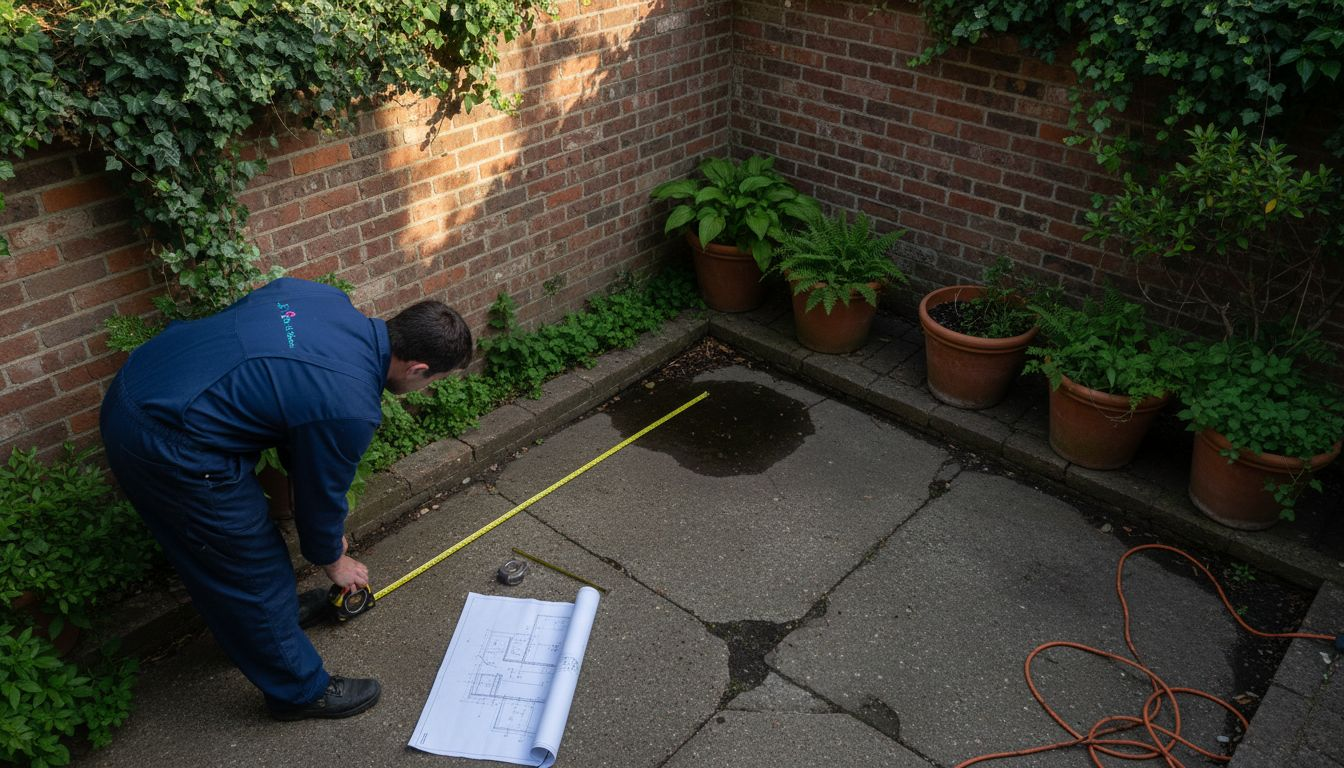
Pro tip: Request a site survey before committing to any system—specialists can identify potential obstacles, assess wind exposure, and confirm whether electric or manual operation suits your garden best.
Key types and operational mechanisms
Retractable roof systems come in several distinct varieties, each using different mechanics to open and close. Understanding which type suits your garden helps you make the right choice for your Yorkshire home.
The main difference comes down to how the structure moves. Some slide horizontally, others fold like an accordion, and a few use more sophisticated mechanical systems altogether.
Primary Roof Types
You’ll encounter three dominant categories when shopping for retractable roofs:
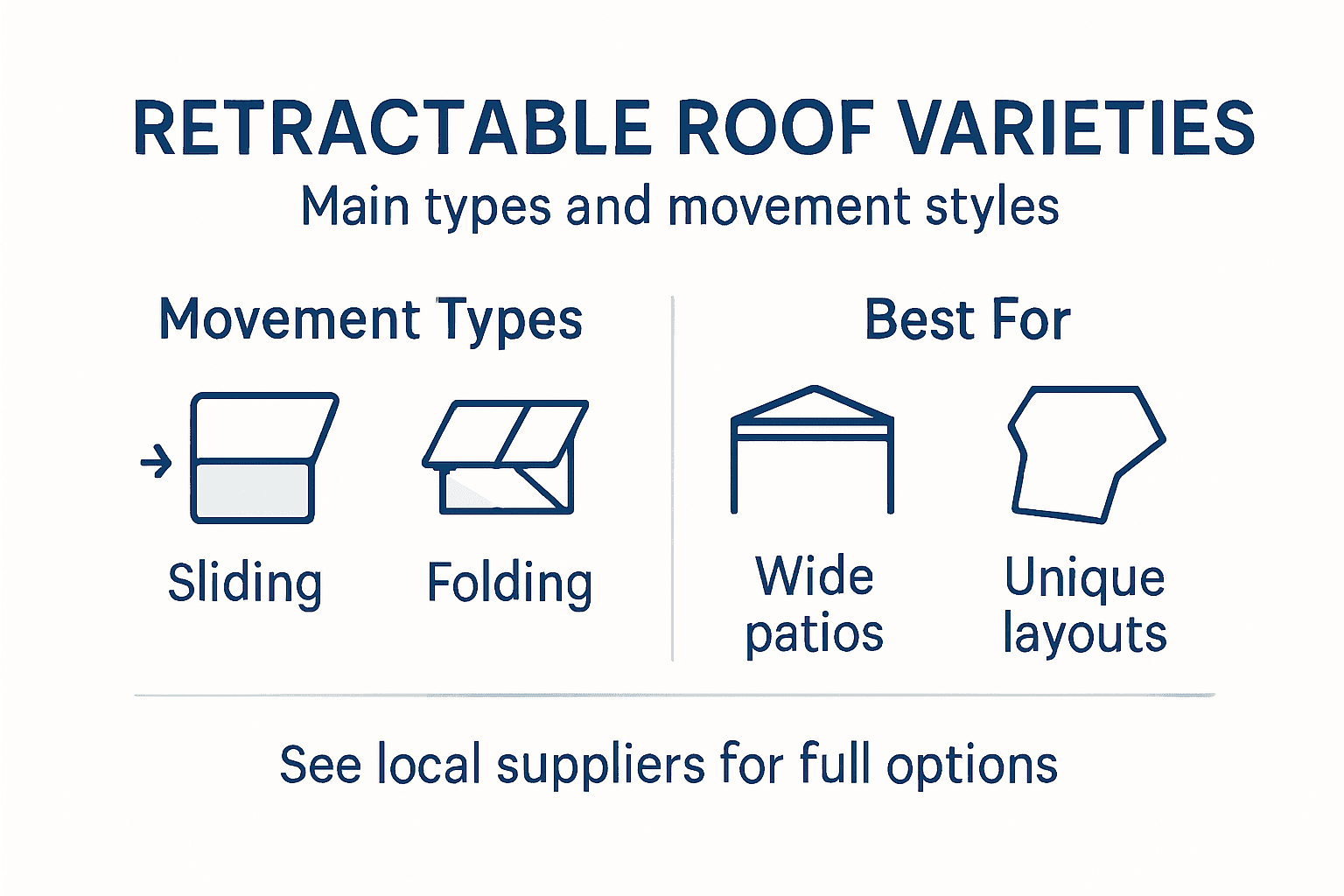
Sliding systems: Panels glide along overhead tracks, stacking to one side or end of your patio
Folding roofs: Sections accordion inward, compressing vertically as they retract
Rolling canopies: Fabric or thin panels roll onto a drum mechanism, similar to a blind
Each type offers different advantages depending on your space constraints and aesthetic preferences. Sliding systems work brilliantly for wider patios. Folding designs suit narrower areas. Rolling options take up minimal space when closed.
To help clarify the main mechanisms used in retractable roofs, here is a concise summary comparing their operation and ideal usage:
Mechanism Type | Typical Movement | Suitable Spaces | Key Benefit |
Sliding Panels | Lateral track gliding | Wide patios and gardens | Fast and seamless motion |
Folding Sections | Accordion-style fold | Narrow or confined areas | Compact storage footprint |
Rolling Fabric | Coiling onto drum | Small or irregular layouts | Minimal space required |
How Movement Actually Happens
Pantographic bar elements with revolute hinges create smooth, synchronised motion in advanced retractable roofs. These mechanical linkages ensure every section moves in perfect harmony.
Manual systems rely on hand cranks or pulley systems you operate yourself. They’re straightforward, affordable, and need no electricity. Perfect if you prefer simplicity.
Electric motors drive powered models. A remote control or wall switch opens or closes everything with a single button. Most modern Yorkshire installations use electric operation for convenience.
Some sophisticated designs incorporate wind sensors and weather monitoring. When gusts exceed safe limits, the roof automatically retracts. Rain sensors can trigger closure too, protecting your outdoor space.
Motion Characteristics
Different mechanisms offer varying deployment speeds and noise levels. Sliding panels typically operate faster than folding systems. Rolling canopies move more smoothly but may be slower overall.
Synchronous motion systems ensure all sections move together at identical speeds. This prevents binding, jamming, or uneven stress on the framework. Quality matters significantly here.
The best retractable roof matches your garden’s dimensions, wind exposure, and how frequently you’ll use it.
Pro tip: Ask installers about the speed and noise level of specific models—some operate almost silently in under two minutes, whilst others take longer but are less expensive.
Design features and customisation options
Retractable roofs offer far more flexibility than you might expect. The beauty lies not just in opening and closing, but in tailoring every aspect to match your Yorkshire home’s aesthetic and practical needs.
Modern retractable systems come packed with features that transform how you use your outdoor space. You can customise colours, materials, automation levels, and add-ons to create something uniquely yours.
Fabric and Material Choices
The fabric covering your retractable roof makes an enormous difference to how it looks and performs. Options include:
Polyester blends: Durable, fade-resistant, available in dozens of colours and patterns
Acrylic fabrics: Premium quality, superior UV protection, longer lifespan
PVC-coated materials: Waterproof, easy to clean, ideal for wet Yorkshire weather
Natural or neutral tones: Cream, beige, grey to suit any garden design
Bold patterns: Stripes, geometric designs, or custom prints if you prefer statement-making style
The fabric you choose directly affects maintenance demands and durability. Premium acrylic costs more upfront but lasts significantly longer and resists discolouration better.
Structural Customisation
Bespoke awnings can be tailored to virtually any garden layout or architectural style. You’re not limited to off-the-shelf solutions.
Key customisation points include:
Size and shape: From standard rectangular to custom L-shapes or angles
Colour matching: Frame colours that complement your home’s exterior
Motorisation: Manual operation, electric, or fully automated with sensors
Lighting integration: LED strips for evening ambiance
Heating options: Infrared heaters for cooler months
The framework itself can be aluminium (lightweight, low-maintenance) or steel (stronger, more substantial appearance). Most Yorkshire installations prefer aluminium for durability and ease of use.
Automation and Controls
Electric systems transform your experience. Remote controls let you open or close everything without leaving your chair. Wall-mounted switches provide a permanent control point near your patio doors.
Advanced models incorporate weather sensors that automatically manage your roof based on wind, rain, or sunlight intensity. Some systems integrate with smart home technology, allowing operation via smartphone apps.
Personalised retractable roofs turn a functional shade structure into a signature feature that reflects your lifestyle and design preferences.
Pro tip: Before finalising your customisation choices, request samples of fabric colours and materials in your actual garden lighting—colours look different in natural light than showroom displays.
Cost, maintenance, and installation factors
Retractable roofs require upfront investment, but most Yorkshire homeowners find the long-term value justifies the expense. Understanding costs, maintenance demands, and installation realities helps you budget accurately and plan accordingly.
Prices vary considerably based on size, materials, automation level, and customisation choices. A basic manual system costs less than a fully motorised, sensor-equipped model with premium fabrics.
Initial Investment
Retractable roof costs typically range from £3,000 to £15,000 or more for residential installations. Several factors influence the final price:
System type: Manual systems cost considerably less than electric alternatives
Size and complexity: Larger patios and custom shapes increase expenses
Materials: Premium acrylic fabrics and aluminium frames cost more than basic options
Motorisation level: Basic electric motors are cheaper than fully automated systems with weather sensors
Additional features: LED lighting, heating elements, and smart home integration add to the total
Compare this against fixed pergolas or permanent canopies. Retractable systems offer flexibility that fixed structures cannot match, justifying the higher initial cost for many homeowners.
Ongoing Maintenance
Retractable pergolas require durable materials to minimise upkeep demands and extend lifespan significantly. Quality systems built from premium materials need surprisingly little attention.
Basic maintenance involves:
Annual cleaning: Gentle wash with mild soap and water to remove dirt and algae
Lubrication: Apply lubricant to moving joints and hinges every 12 months
Fabric inspection: Check for tears or damage and address promptly
Motor servicing: Professional inspection every 2-3 years for electric systems
Most Yorkshire homeowners spend £200-500 annually on basic upkeep. Neglecting maintenance costs far more in the long run through premature wear.
Installation Process
Professional installation typically takes 2-5 days depending on system complexity and site conditions. Your installer will:
Assess the patio structure and confirm it can support the roof safely
Prepare the framework and secure it properly to prevent movement
Install electrical wiring if motorised (no major structural work needed)
Test all moving parts and safety features thoroughly
Provide operation training and maintenance guidance
Quality retractable roofs deliver decades of reliable service when properly installed and maintained, making them genuinely cost-effective outdoor investments.
Pro tip: Request itemised quotes from multiple installers and ask about warranty coverage on both the structure and motorised components—this typically ranges from 2 to 10 years depending on the supplier.
Comparing retractable roofs with fixed alternatives
When planning a covered outdoor space, you’ll encounter two main paths: fixed structures or retractable systems. Each offers distinct advantages, and the right choice depends entirely on how you’ll use your garden throughout the year.
Fixed roofs—pergolas, permanent canopies, and gazebos—provide constant shade. Retractable systems offer flexibility. Understanding the trade-offs helps you decide what truly suits your Yorkshire lifestyle.
Fixed Roofs: The Traditional Approach
Permanent structures come in several forms:
Solid pergolas: Wooden or metal frameworks with fixed slats or panels
Permanent canopies: Fixed fabric or polycarbonate coverings
Gazebos: Freestanding structures with permanent roofing
Carport-style covers: Basic shade without walls
Fixed installations are simpler, cheaper upfront, and require minimal maintenance once built. You get immediate shade without any moving parts to service or operate.
The downside is obvious: you cannot adjust them. When weather shifts, you’re stuck with whatever you built.
Retractable Systems: Maximum Flexibility
Retractable pergolas offer superior versatility compared to permanent structures, allowing you to switch between open-air and sheltered use whenever you choose.
Key advantages include:
Year-round usability: Open for summer sunshine, close for rain or intense heat
Variable weather adaptation: Perfect for Britain’s unpredictable climate
Aesthetic flexibility: Open completely when not needed, disappearing from view
Property value: Adds functional outdoor living space without permanent visual commitment
The trade-off involves higher initial costs and regular maintenance of moving parts.
Head-to-Head Comparison
Fixed roofs win on:
Lower upfront cost
Minimal maintenance
Installation simplicity
Permanent weather protection
Retractable systems win on:
Control and flexibility
Adjusting to changing conditions
Summer heat management
Year-round outdoor enjoyment
Reduced visual impact when open
For Yorkshire homeowners, retractable systems address a real problem: our weather changes constantly. One hour demands shade; the next brings clouds and cooler temperatures.
Here’s a quick reference for how fixed roofs and retractable systems differ in everyday practical use:
Attribute | Fixed Roof Structure | Retractable Roof System |
Weather Adaptation | Static protection | Responds to changing weather |
Impact on Garden View | Permanent presence | Disappears when open |
Seasonal Versatility | Limited flexibility | Year-round usability |
Maintenance Needs | Rarely needs upkeep | Requires occasional attention |
Fixed alternatives serve well if you want permanent shelter in one configuration, but retractable roofs transform how often you actually use your outdoor space throughout the year.
Pro tip: Calculate how many months annually you’d genuinely want shelter versus open sky—if it’s inconsistent across seasons, retractable flexibility pays for itself through increased garden usage.
Elevate Your Outdoor Living with Retractable Roof Solutions
Discover the ultimate way to transform your garden or commercial outdoor space with retractable roofs that adapt to Yorkshire’s ever-changing weather. This article highlights the challenges of fixed structures and the freedom provided by flexible systems like sliding panels, folding roofs, and rolling canopies. At Infinity Awnings, we understand the importance of combining style, functionality, and durability to create outdoor areas you can enjoy year-round.
Are you ready to experience effortless control over your outdoor environment with fully customisable options including electric or manual operation, premium fabrics, and added features like LED lighting and heating? Explore our range of retractable awnings and pergolas designed specifically for homeowners and businesses across Yorkshire, Derbyshire, Nottinghamshire, and Lincolnshire. Take the next step and request your free quote today to begin enhancing your outdoor space with expert design and installation from the team with over 15 years of experience.
Visit Infinity Awnings now and see how tailored shade solutions can redefine your enjoyment of the outdoors.
Frequently Asked Questions
How do retractable roofs work?
Retractable roofs operate through a series of connected panels or fabric sections that slide, fold, or roll. They can be either motorised or manually operated, providing flexibility in controlling sunlight and shelter in outdoor spaces.
What are the common myths about retractable roofs?
Common myths include the belief that retractable roofs only work on square patios, that they are expensive to maintain, that they collapse in strong winds, and that installation is complicated. Most of these myths are debunked as retractable roofs can adapt to various garden shapes, require minimal upkeep, have safety features against wind, and are typically easy to install.
What types of retractable roofs are available?
There are three main types of retractable roofs: sliding systems that glide along tracks, folding roofs that compact like an accordion, and rolling canopies that coil onto a drum. Each type offers different advantages based on your space constraints and aesthetic preferences.
What maintenance do retractable roofs require?
Maintenance for retractable roofs is minimal, typically involving annual cleaning, lubrication of moving parts, fabric inspection for damage, and periodic motor servicing. Most homeowners can expect to spend £200-500 annually on upkeep, depending on the system’s complexity.
Recommended
Comments