
Commercial awning uses: Yorkshire business guide 2026

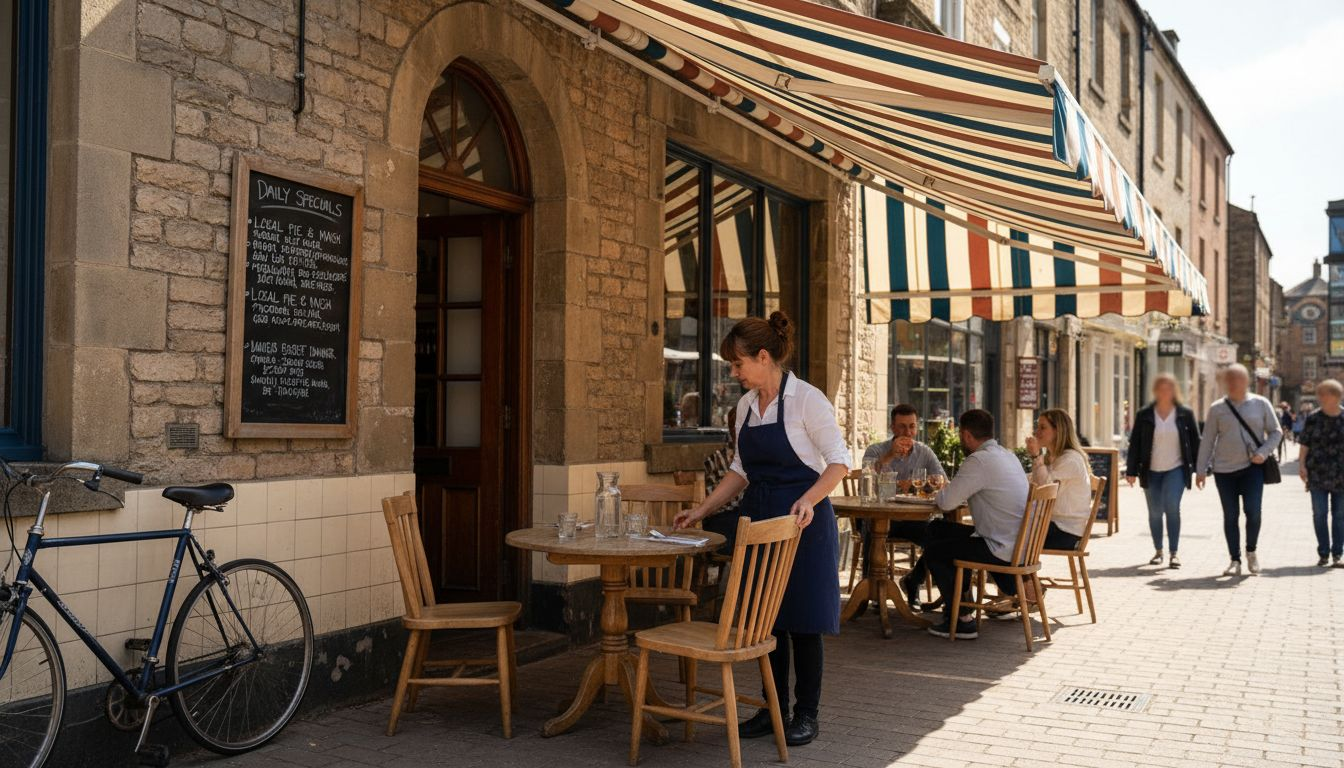
Commercial awnings transform outdoor spaces for businesses across Yorkshire, Derbyshire, Nottinghamshire, and Lincolnshire. Choosing the right awning depends on multiple factors including durability, operation type, and customisation. Whether you operate a bustling restaurant, retail shop, hotel, or educational facility, selecting an awning that matches your business needs enhances both aesthetics and functionality. This guide explores uses by business type and provides practical criteria to help you make an informed decision.
Table of Contents
Key takeaways
Point | Details |
Enhanced usability | Effective commercial awnings boost outdoor space functionality and visual appeal for diverse business types. |
Selection criteria | Consider durability, operation type, customisation options, and budget when choosing awnings. |
Sector applications | Retractable awnings suit hospitality venues; fixed awnings benefit retail through energy savings. |
Customisation value | Custom fabrics, LED lighting, and heaters increase branding impact and customer comfort. |
Strategic matching | Align awning type with business needs and local weather patterns for optimal long-term value. |
Key criteria for selecting commercial awnings
Selecting the right commercial awning requires understanding several essential factors. Durability and weather resistance levels are crucial for awnings in Northern England’s climate, where wind and rain frequently test outdoor structures.
Operation type significantly impacts daily convenience. Manual awnings require physical effort to extend and retract, whilst electric versions offer push-button control. Electric operation particularly suits businesses with frequent awning adjustments throughout the day.
Customisation transforms a functional awning into a branded marketing asset. Consider these options:
Custom fabric colours matching your business identity
Waterproof and UV-resistant materials for year-round protection
Add-ons like LED lighting for evening ambience
Integrated heaters extending comfortable outdoor use into cooler months
Branding elements prominently displaying logos and messaging
Budget planning must account for initial purchase, installation costs, and ongoing maintenance. Entry-level awnings start around £1,500, whilst premium electric retractables with full customisation can exceed £7,000. Your investment should align with expected returns through increased customer satisfaction and expanded usable space.
Pro Tip: Match awning specifications to your specific outdoor space usage patterns rather than choosing the most expensive option. A well-suited moderate investment often outperforms premium features you rarely use.
Business fit matters enormously. Hospitality venues benefit from flexible retractable systems, retail shops gain from fixed awnings with prominent branding, and educational institutions often prefer budget-conscious manual options. Understanding your awning selection process business needs ensures you avoid costly mismatches between product and purpose.
Awnings for hospitality venues: restaurants, bars and hotels
Hospitality businesses gain substantial advantages from properly configured awnings. Retractable awnings can increase outdoor seating space by up to 50%, directly improving revenue potential and guest comfort.
Electric retractable awnings provide exceptional flexibility for restaurants and bars. Staff can quickly extend coverage when rain threatens or retract the awning during pleasant sunshine, optimising the dining experience without manual labour. This convenience becomes invaluable during busy service periods.
Integrated features elevate guest satisfaction significantly:
LED lighting creates inviting evening atmospheres and extends operating hours
Infrared heaters maintain comfortable temperatures during spring and autumn evenings
Side screens add wind protection and privacy for diners
Automated sensors retract awnings automatically during high winds, protecting the structure
Custom branding on awning fabrics reinforces venue identity. Your logo, signature colours, or unique patterns become visible street-level marketing that attracts passing customers. This visibility works continuously, unlike digital advertising requiring ongoing spend.
Durability proves critical for hospitality venues operating daily throughout the season. Premium fabrics resist fading from constant UV exposure, whilst robust frames withstand the mechanical stress of frequent daily operation. Investing in quality materials reduces replacement frequency and maintains professional appearance.
Pro Tip: Combine LED lighting with dimmable controls to adjust ambience throughout evening service. Starting with brighter illumination during early dining hours, then dimming for intimate late-night atmosphere, enhances the overall guest experience without additional infrastructure.
Guest satisfaction data shows properly configured outdoor areas with quality awnings receive notably higher comfort ratings. Understanding retractable awnings benefits helps hospitality operators justify investment through improved customer retention and positive reviews.
Retail uses: enhancing storefront usability and energy efficiency
Fixed commercial awnings deliver distinct advantages for retail environments. They provide consistent shade to storefront windows and entrances, protecting merchandise from sun damage whilst creating comfortable shopping conditions.
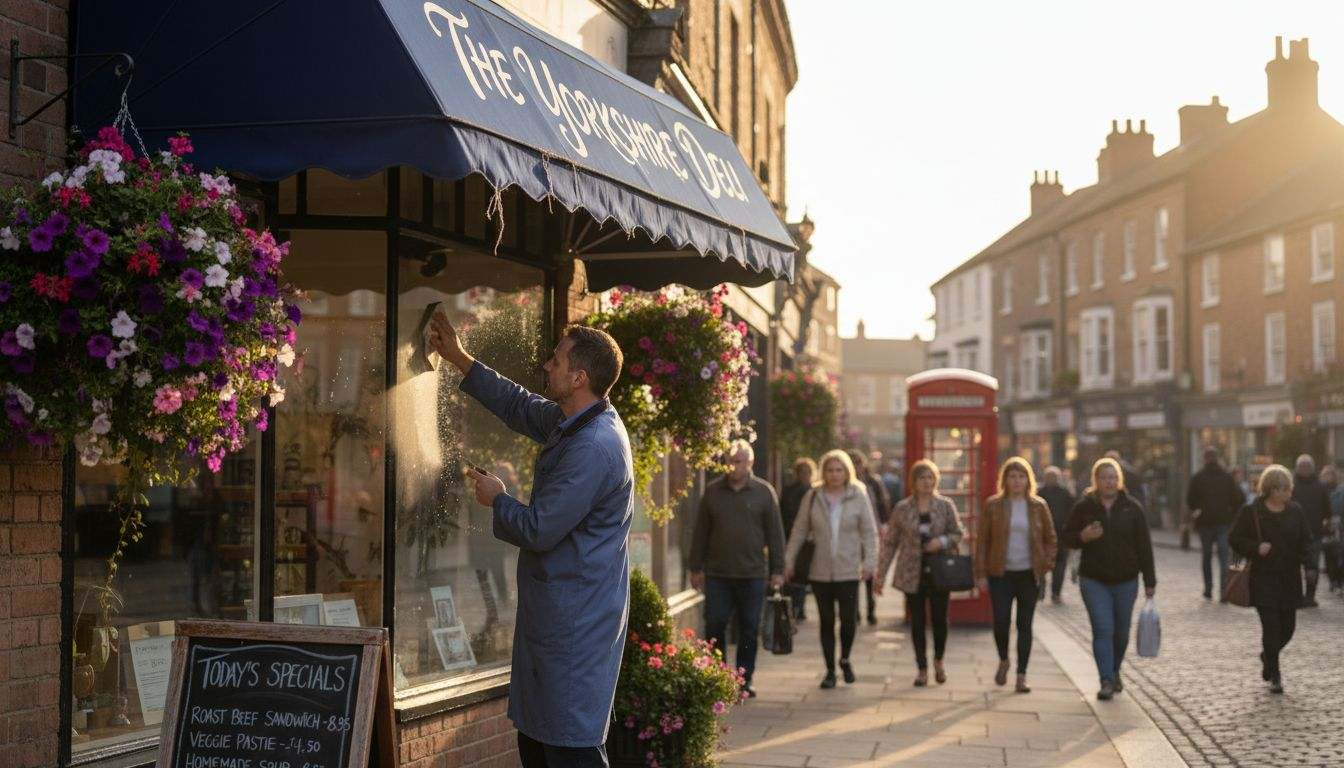
Custom fabrics become prominent branding tools for retail outlets. Bold colours, business names, and logos displayed on street-facing awnings improve visibility and reinforce brand recognition. This constant visual presence helps shops stand out in busy high streets.
Retail stores can reduce indoor cooling costs by up to 15% with effective commercial awnings. Blocking solar heat gain before it reaches windows significantly decreases air conditioning demands during summer months. These energy savings accumulate substantially over years, offsetting initial awning investment.
Maintenance requirements favour retail operations. Fixed awnings require less upkeep than retractable systems because they have no moving mechanical parts. Occasional fabric cleaning and frame inspection suffice, allowing shop owners to focus on core business rather than equipment maintenance.
Key retail awning benefits include:
Enhanced curb appeal attracting more foot traffic
Protection for window displays from fading and heat damage
Year-round weather protection for customers entering and exiting
Reduced glare inside the shop, improving product visibility
Lower ongoing maintenance costs compared to retractable alternatives
Effective awning use encourages customer footfall by creating inviting, comfortable storefronts. Shoppers naturally gravitate towards shaded, protected entrances rather than harsh sun exposure. Understanding the differences between commercial vs residential awnings ensures retailers select appropriately durable options for high-traffic locations.
Types and operation mechanisms of commercial awnings
Commercial awnings come in several distinct configurations, each offering specific advantages. Understanding these differences helps you select the type matching your operational needs and budget.
Fixed awnings provide maximum wind resistance and require minimal maintenance. Their permanent installation offers constant protection but lacks flexibility for changing weather. These suit retail locations, building entrances, and sites needing year-round coverage.
Manual retractable awnings cost less initially whilst providing operational flexibility. Users manually crank a handle to extend or retract the fabric. This option works well for smaller venues or budget-conscious businesses willing to accept the physical effort and moderate maintenance requirements.
Electric retractable awnings offer greater convenience and lower maintenance costs over manual options. Motors eliminate physical effort, encouraging staff to adjust awnings appropriately throughout the day. Premium electric systems include wind sensors providing automatic retraction during dangerous conditions.
Pergola-style structures combine fixed frameworks with retractable fabric covers. This hybrid approach delivers structural permanence with operational flexibility, ideal for larger outdoor dining areas or hotel terraces requiring defined architectural presence.
Awning Type | Initial Cost | Maintenance Level | Flexibility | Best For |
Fixed | Moderate | Low | None | Retail, permanent coverage |
Manual Retractable | Lower | Moderate | High | Small venues, budget-conscious |
Electric Retractable | Higher | Low | Very High | Hospitality, frequent use |
Pergola Style | Highest | Moderate | High | Large terraces, architectural statement |
Maintenance schedules vary significantly:
Fixed awnings: Annual inspection and cleaning
Manual retractable: Quarterly mechanism lubrication, biannual fabric cleaning
Electric retractable: Annual professional servicing, routine fabric care
Pergola systems: Seasonal structural checks, fabric maintenance as needed
Pro Tip: Electric retractable awnings typically reduce maintenance costs by approximately 30% compared to manual versions over five years, despite higher initial investment. The reduced mechanical wear from motor operation versus manual cranking extends component lifespan substantially.
Long-term value depends on matching awning type to usage patterns. Businesses operating awnings multiple times daily benefit enormously from electric operation, whilst seasonal users may find manual systems adequate. Reviewing maintain retractable awnings guidance and understanding awnings repair maintenance requirements helps set realistic expectations for ongoing costs.
Customisation and add-ons: elevating functionality and branding
Customisation transforms standard awnings into powerful business assets. Tailored features enhance functionality whilst strengthening brand identity and improving customer experience.
Custom fabrics offer extensive design possibilities. Businesses choose from hundreds of colours, patterns, and material types. Waterproof acrylic fabrics suit UK weather conditions, whilst specialised materials provide enhanced UV resistance. UV protection levels up to 98% shield customers and furnishings effectively, preventing fabric fading and skin damage.
LED lighting integration extends outdoor area usability dramatically. Studies indicate LED-equipped awnings can increase evening outdoor area use by around 40% compared to unlit alternatives. Strategic lighting placement creates inviting atmospheres whilst ensuring customer safety and comfort after dark.
Heating systems make outdoor spaces viable during cooler months:
Infrared heaters provide focused warmth without heating surrounding air
Wall-mounted units suit fixed awning installations
Integrated ceiling heaters work excellently with pergola structures
Remote-controlled systems allow staff to adjust temperature as needed
Branding elements seamlessly integrate with awning design. Printed logos, business names, and contact information turn your awning into continuous advertising. High-quality digital printing ensures graphics remain vibrant for years despite weather exposure.
Customisation significantly improves return on investment through:
Increased customer comfort encouraging longer visits and higher spending
Enhanced brand visibility attracting new customers
Extended operational hours through lighting and heating
Differentiation from competitors using standard awning solutions
Pro Tip: Invest in programmable LED systems offering multiple colour settings. You can adjust lighting to match special events, seasonal themes, or evening ambience without additional installations.
Seasonal heater use extends comfortable outdoor dining well into autumn and early spring. The additional weeks of usable outdoor space often generate revenue far exceeding heating operation costs. Understanding your awning selection guide options ensures you specify features delivering maximum business value.
Cost considerations and budgeting for commercial awnings
Transparent cost understanding helps businesses make informed awning investments. Commercial awning costs typically range from £1,500 to over £7,000 depending on features and customisation.
Basic fixed awnings for small retail frontages start around £1,500 to £2,500. These entry-level options provide essential functionality without premium features. Mid-range manual retractable awnings cost £2,500 to £4,500, offering operational flexibility at moderate prices.
Premium electric retractable systems with full customisation, LED lighting, and heating typically range from £5,000 to £7,500. Large pergola installations with automated controls can exceed £10,000 for substantial coverage areas. These higher investments deliver exceptional functionality and longevity.
Budgeting must include several cost components:
Initial awning purchase and delivery
Professional installation labour
Electrical work for motorised systems and lighting
Customisation fees for branding and special features
Annual maintenance and cleaning services
Potential repairs or component replacements
Installation costs vary based on site complexity. Simple wall-mounted installations may cost £300 to £600, whilst complex multi-unit setups requiring structural reinforcement can reach £1,500 or more. Planning these expenses prevents budget surprises.
Investment justification comes through increased revenue and cost savings. Expanded outdoor seating directly increases capacity and sales for hospitality venues. Energy savings from retail awnings reduce operating costs year after year. Customer satisfaction improvements encourage repeat business and positive reviews.
Pro Tip: Request itemised quotes separating base awning costs from customisation and installation fees. This transparency helps you prioritise essential features now whilst planning future upgrades within budget constraints.
Cost-benefit analysis should consider your business type and outdoor space usage. High-traffic restaurants using outdoor areas daily justify premium electric systems through convenience and durability. Seasonal operations may find manual systems adequate. Understanding awning installation south yorkshire specifics helps regional businesses plan appropriately.
Situational recommendations: choosing the right awning based on your business needs
Applying awning knowledge to your specific situation ensures optimal selection. Different business types and site conditions require tailored approaches.
Flexible retractable electric awnings suit restaurants and bars looking to maximise outdoor seating comfort. These venues benefit from:
Quick weather response through motorised operation
Integrated lighting extending evening service hours
Heating options making outdoor dining viable in cooler months
Customised branding reinforcing venue identity
Durable construction withstanding frequent daily use
Retail shops gain most from fixed awnings with custom branding fabrics. Priorities include prominent logo display, consistent sun protection, and minimal maintenance requirements. Energy cost reduction through shading justifies investment whilst enhancing street presence.
Educational institutions value manual retractable awnings for playground and outdoor learning area coverage. Budget constraints favour lower initial costs, whilst supervised operation suits manual systems. Durability remains important given intensive use by numerous students.
Exposed commercial locations facing prevailing winds require robust solutions:
Fixed awnings with reinforced frames handle high wind loads
Automated wind sensors protect retractable systems from damage
Reduced projection depths improve wind resistance
Professional structural assessment ensures safe installation
Budget-conscious businesses prioritise essential features. Manual operation, standard fabrics, and basic weatherproofing provide excellent functionality at moderate costs. You can plan future upgrades adding lighting or customisation once initial investment proves valuable.
Hospitality venues in town centres benefit from side screens complementing retractable awnings. These additions provide wind protection and privacy for diners whilst maintaining open, inviting atmospheres. Combining multiple awning features creates comprehensive outdoor comfort.
Pro Tip: Start with core awning functionality matching your immediate needs, then add features seasonally as budget allows. Installing LED lighting before your first summer season or heaters before autumn maximises return on each upgrade investment.
Understanding awning selection process business principles and reviewing comprehensive guidance on choosing the right awning for your space ensures your final selection optimally serves your specific commercial property requirements.
Find the perfect commercial awning for your business
Selecting the ideal commercial awning requires expertise matching products to your unique business needs. Professional assessment ensures you invest in solutions delivering maximum value through enhanced outdoor functionality and customer appeal.
Infinity Awnings specialises in tailored commercial awnings solutions designed specifically for Yorkshire, Derbyshire, Nottinghamshire, and Lincolnshire businesses. With over 15 years of industry experience, we guide clients through awning type selection, customisation options, and professional installation.
Our team helps you navigate durability considerations, operation mechanisms, and feature integration based on your business type and site conditions. Whether you operate a restaurant needing flexible outdoor dining coverage, a retail shop seeking branded storefront enhancement, or any commercial property wanting to maximise outdoor space utility, we provide expert guidance throughout your decision process. Contact us today for a no-obligation consultation discussing your specific requirements and exploring how commercial awnings can transform your business outdoor areas.
Frequently asked questions
What types of commercial awnings are best for unpredictable UK weather?
Fixed awnings offer exceptional durability and wind resistance, making them ideal for exposed sites experiencing frequent weather changes. Electric retractable awnings combine operational flexibility with convenience, allowing quick response to sudden rain or wind whilst providing shade during pleasant conditions. High-quality waterproof fabrics with robust UV protection enhance weather resilience across all awning types.
How can commercial awnings improve my business’s energy efficiency?
Awnings significantly reduce solar heat gain on windows and building entrances by blocking direct sunlight before it penetrates glazing. Fixed retail awnings help cut indoor cooling costs by up to 15% during warmer months through consistent shading. Proper awning coverage lowers air conditioning reliance, reducing energy consumption and utility bills whilst maintaining comfortable interior temperatures.
What maintenance is needed for electric retractable awnings?
Routine fabric cleaning and visual inspection prevent damage accumulation and identify potential mechanical issues early. Professional servicing every three to five years extends awning lifespan substantially and prevents costly emergency repairs. Keeping the motorised mechanism properly lubricated and protected from debris ensures reliable operation throughout the awning’s service life.
Recommended
Comments