
Explaining Custom Awning Options for UK Homes

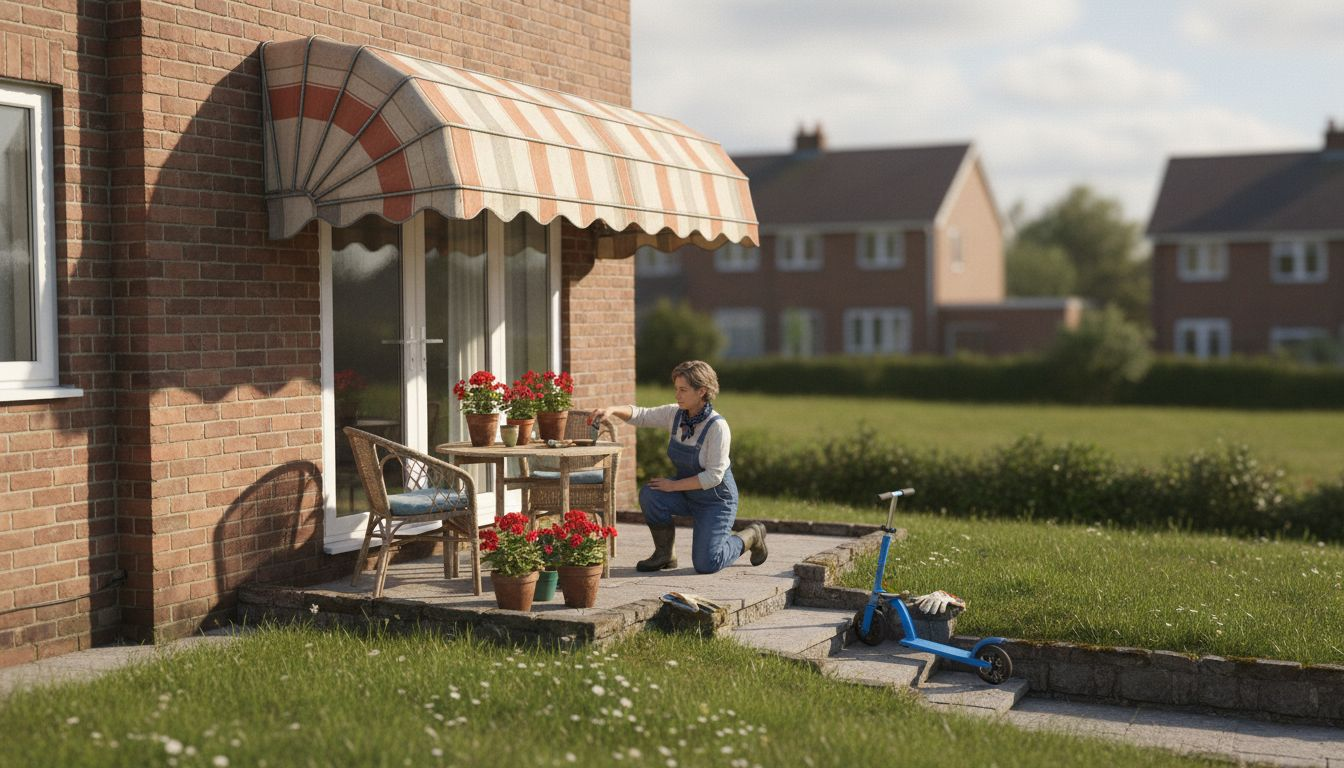
Finding an outdoor solution that suits both the unpredictable British weather and your home’s style can leave many Yorkshire and Derbyshire homeowners searching for answers. Custom retractable awnings offer more than shade—they deliver tailored weather protection and visual harmony for patios, gardens, and outdoor dining spots. Explore how bespoke awnings combine durability with striking design, ensuring your outdoor spaces remain comfortable and inviting in every season.
Table of Contents
Key Takeaways
Point | Details |
Custom Awnings Enhance Outdoor Spaces | Bespoke awnings improve functionality and aesthetic appeal, adapting to specific architectural styles and environmental concerns in the UK. |
Diverse Options Available | Homeowners can choose from various awning types, including retractable and fixed options, each providing different levels of weather protection. |
Professional Installation is Essential | Adhering to building regulations and safety standards ensures the durability and performance of custom awnings. |
Regular Maintenance Maximises Lifespan | Investing in routine upkeep can extend the operational life of awnings, protecting the initial investment and maintaining performance. |
Defining Custom Awnings for UK Properties
Custom awnings represent sophisticated architectural solutions designed to enhance outdoor living spaces while addressing specific environmental challenges in British homes. These versatile installations provide more than aesthetic appeal - they offer practical protection against varying weather conditions unique to the United Kingdom’s climate.
Historically, awnings have played a significant role in UK property design. As historic building records demonstrate, these external fittings were once common features on grand buildings, including prominent structures like Buckingham Palace. Their primary functions include:
Preventing interior overheating
Reducing solar radiation exposure
Enabling effective ventilation
Protecting windows and exterior surfaces
Enhancing architectural character
Custom awnings differ from standard options by offering tailored solutions that precisely match a property’s specific architectural requirements. Unlike mass-produced alternatives, these bespoke installations are designed to complement the unique aesthetic and functional needs of individual UK homes.
The design process typically involves carefully assessing multiple factors, including:
Property architectural style
Existing exterior colour schemes
Sunlight exposure patterns
Wind conditions
Specific outdoor space usage requirements
Custom awnings transform outdoor spaces from merely functional areas into personalised lifestyle extensions.
Pro tip: Consider your property’s specific microclimate and orientation when selecting a custom awning design to maximise both aesthetic appeal and practical functionality.
Types of Customisable Awnings Explained
Awnings for UK properties come in a diverse range of customisable options, each designed to meet specific architectural and environmental requirements. Customisation choices range from manual to advanced motorised systems, providing homeowners with flexible solutions for outdoor space management.
The primary categories of customisable awnings include:
Retractable Awnings: Offering maximum flexibility with manual or motorised operation
Fixed Awnings: Providing permanent structural protection
Cassette Awnings: Fully enclosed when not in use, protecting fabric from weather
Semi-Cassette Awnings: Partial fabric protection with enhanced aesthetic appeal
Pergola Awnings: Integrated shade solutions for larger outdoor spaces
Motorised awnings represent a sophisticated technological advancement in outdoor shading. These systems often incorporate intelligent features like wind sensors, allowing automatic retraction during adverse weather conditions. The mechanism ensures protection of the awning fabric and prevents potential damage from unexpected wind gusts.
Comparing the main types of customisable awnings in the UK at a glance:
Awning Type | Flexibility | Typical Location | Weather Protection Level |
Retractable | Highly adjustable | Patios and balconies | Moderate, adapts to conditions |
Fixed | Permanently positioned | Shopfronts and windows | High, constant coverage |
Cassette | Fully enclosed when retracted | Modern homes and premium spaces | Superior, protects fabric fully |
Semi-Cassette | Partially enclosed | Residential terraces | Good, covers key components |
Pergola | Freestanding with structure | Large gardens and open spaces | Excellent, ideal for weather |
When selecting a customisable awning, homeowners should consider several critical factors:
Local wind exposure levels
Specific property architectural style
Desired level of sun protection
Fabric durability requirements
Aesthetic compatibility with existing exterior design
Modern awning technologies provide seamless integration between functional protection and design elegance.
Pro tip: Consult with professional installers who can assess your specific property’s microclimate and recommend the most suitable awning customisation options.
Key Features and Personalisation Choices
Custom awnings offer an extensive range of personalisation options that transform outdoor spaces into tailored extensions of individual home designs. Retractable awning selections enable homeowners to create versatile environments that adapt to changing weather conditions and aesthetic preferences.
Key personalisation features include:
Fabric Selections: Wide range of colours, patterns, and materials
Operational Mechanisms: Manual, semi-automatic, and fully motorised options
Mounting Styles: Wall-mounted, ceiling-mounted, and freestanding configurations
Additional Technological Integrations: Wind sensors, remote controls, smartphone connectivity
Colour Matching: Custom RAL colour matching for frame and fabric components
Technological enhancements have significantly expanded awning personalisation possibilities. Modern systems now incorporate intelligent features like automated sun and wind sensors, allowing seamless adaptation to environmental conditions. These advanced mechanisms ensure optimal performance and protection without manual intervention.
Homeowners can further customise their awnings through additional functional elements:
Integrated LED lighting systems
Infrared heating elements
Side screen attachments for increased privacy
Decorative valance options
Custom graphic or printed fabric designs
Personalisation transforms awnings from mere functional accessories into statement pieces of outdoor design.
Pro tip: Request fabric samples and frame colour swatches to visualise how different customisation options will integrate with your specific property’s exterior design.
Installation Process and Professional Standards
Awning installation in the United Kingdom demands rigorous adherence to professional building regulations and safety standards. The process requires meticulous planning, precise measurements, and comprehensive understanding of structural requirements to ensure optimal performance and long-term durability.
Key steps in the professional installation process include:
Site Survey: Comprehensive assessment of mounting surfaces and structural integrity
Precise Measurements: Detailed mapping of installation area
Structural Compatibility: Evaluation of wall or mounting point load-bearing capacity
Electrical Considerations: Safe integration of motorised systems
Compliance Verification: Ensuring alignment with UK building regulations
Professional installation involves multiple critical stages that go beyond simple mounting. Certified technicians must carefully assess structural compatibility, calculate load-bearing requirements, and implement secure fixing mechanisms that withstand diverse British weather conditions. These experts understand the nuanced requirements of different building types and awning systems.
The compliance process typically encompasses several essential elements:
Initial structural assessment
Detailed technical documentation
Safety standard verification
Professional certification of installation
Post-installation quality control checks
Professional installation transforms technical specifications into reliable, long-lasting outdoor solutions.
Pro tip: Always request comprehensive documentation and certification from your awning installer to ensure full compliance with UK building regulations.
Costs, Lifespan, and Maintenance Insights
Custom awnings represent a significant investment for UK homeowners, with pricing and longevity influenced by multiple critical factors. Retractable awning options demonstrate substantial variation in cost and maintenance requirements depending on technological sophistication and material quality.
Typical cost ranges for awning investments include:
Budget Range: £500 - £2,000 for basic manual systems
Mid-Range Options: £2,000 - £5,000 for motorised and semi-automated awnings
Premium Installations: £5,000 - £10,000 for fully integrated, technologically advanced systems
High-End Bespoke Solutions: £10,000+ for completely customised designs
Maintenance considerations play a crucial role in determining long-term value and performance. Professional-grade awnings typically offer a lifespan of 10-15 years when properly maintained, with key preservation strategies focusing on regular cleaning, fabric protection, and mechanical system checks. Material selection significantly impacts durability, with high-quality fabrics and corrosion-resistant frames extending operational longevity.
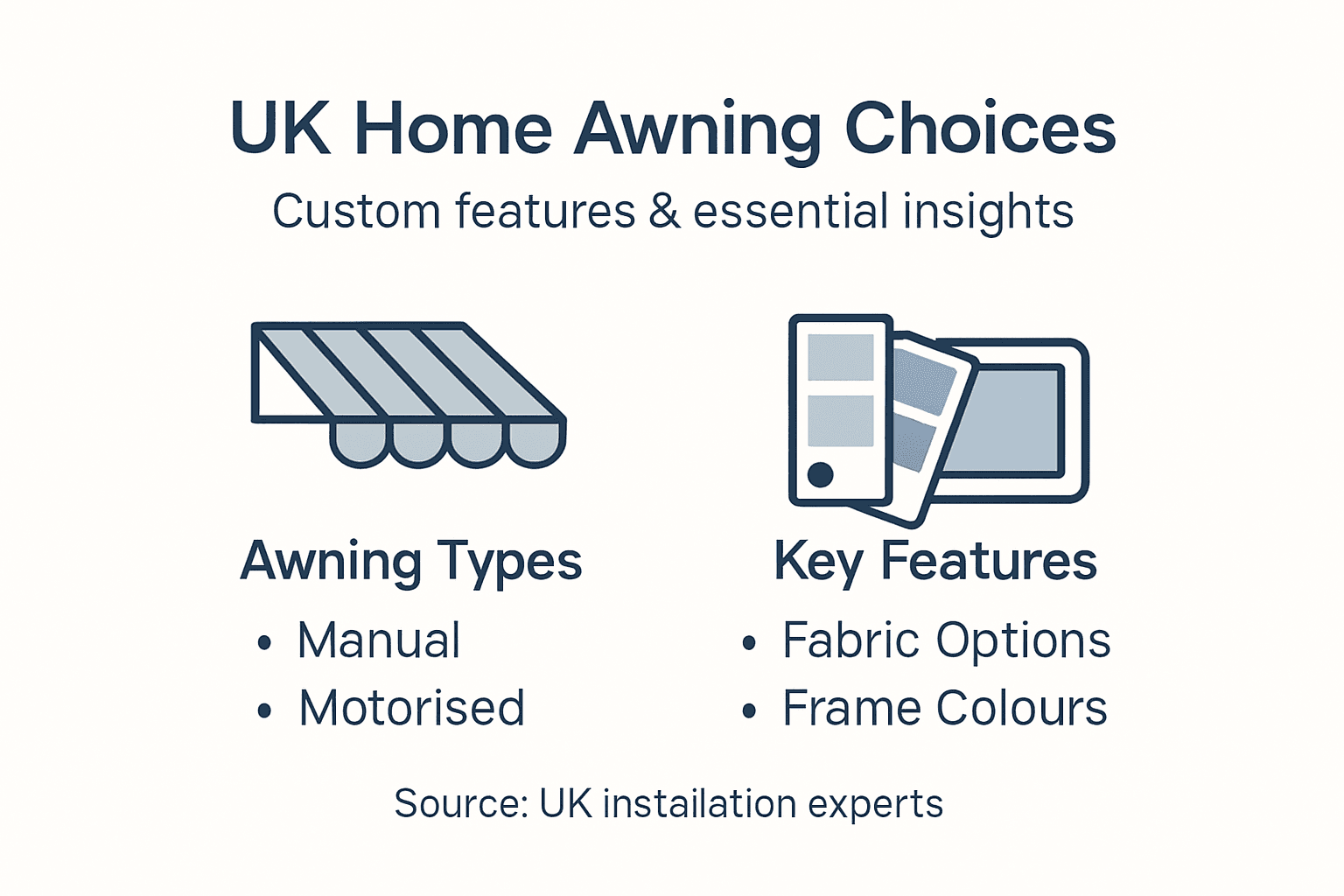
Here is a concise overview of cost, expected lifespan, and typical maintenance for custom awnings:
Price Range | Expected Lifespan | Annual Maintenance Focus | Added Value |
£500 – £2,000 | 10 years | Basic cleaning and checks | Entry-level weather coverage |
£2,000 – £5,000 | 12 years | Mechanism lubrication | Improved comfort, automation |
£5,000 – £10,000 | 15 years | Professional inspections | High performance, aesthetics |
£10,000+ | 15+ years | Bespoke care and upgrades | Unique design, smart features |
Key maintenance elements homeowners should prioritise include:
Quarterly professional inspection
Bi-annual deep cleaning
Lubrication of mechanical components
Fabric water-repellent treatment
Winter storage or protective covering
Regular maintenance transforms awning investments from periodic expenses into long-term value propositions.
Pro tip: Budget approximately 5-10% of your initial awning investment annually for professional maintenance to maximise system performance and extend operational lifespan.
Discover Custom Awning Solutions Tailored for Your UK Home
If you are looking to enhance your outdoor living space with customisable awnings designed specifically for British weather and architecture, Infinity Awnings has the expertise you need. Whether you want a retractable system for flexibility, a motorised awning with intelligent sensors, or a stylish pergola installation, our solutions address common challenges such as variable sunlight exposure, wind resistance, and seamless integration with your property’s aesthetic. Our extensive experience in Yorkshire, Derbyshire, Nottinghamshire, and Lincolnshire means we know how to deliver durable, attractive shading that adds value and comfort.
Don’t wait to transform your outdoor areas into personalised lifestyle extensions. Visit Infinity Awnings to explore our range of retractable awnings and bespoke shading options designed for UK homes. Contact us today for a free consultation and let our experts guide you through the professional installation process that complies fully with building regulations while maximising your investment’s lifespan and functionality.
Frequently Asked Questions
What are the main benefits of custom awnings for my home?
Custom awnings enhance outdoor living spaces by providing protection against varying weather conditions, preventing overheating indoors, reducing solar radiation exposure, and adding architectural character to your property.
How do I choose the right type of custom awning for my outdoor space?
Consider factors such as property architectural style, existing colour schemes, sunlight exposure patterns, wind conditions, and specific usage requirements for your outdoor space when selecting a custom awning.
What maintenance is required for custom awnings to ensure their longevity?
Regular maintenance involves quarterly inspections, bi-annual deep cleaning, lubrication of mechanical components, fabric water-repellent treatment, and proper winter storage or protective covering to extend their lifespan.
Can I personalise my custom awning design?
Yes, you can personalise your custom awning through a wide range of options, including fabric selections, operational mechanisms, mounting styles, and additional features like wind sensors or integrated lighting.
Recommended
Comments