
Examples of educational outdoor shelters for schools
- Andrew Crookes

- Jun 21
- 9 min read
TL;DR:
Educational outdoor shelters provide schools with protected spaces for outdoor learning, enhancing engagement and curriculum relevance. Choosing the right shelter depends on site, budget, climate, and curriculum needs, with options ranging from temporary tents to permanent timber pavilions. Involving teachers early in the planning process and prioritizing accessibility and curriculum integration ensure these shelters are used effectively and sustainably.
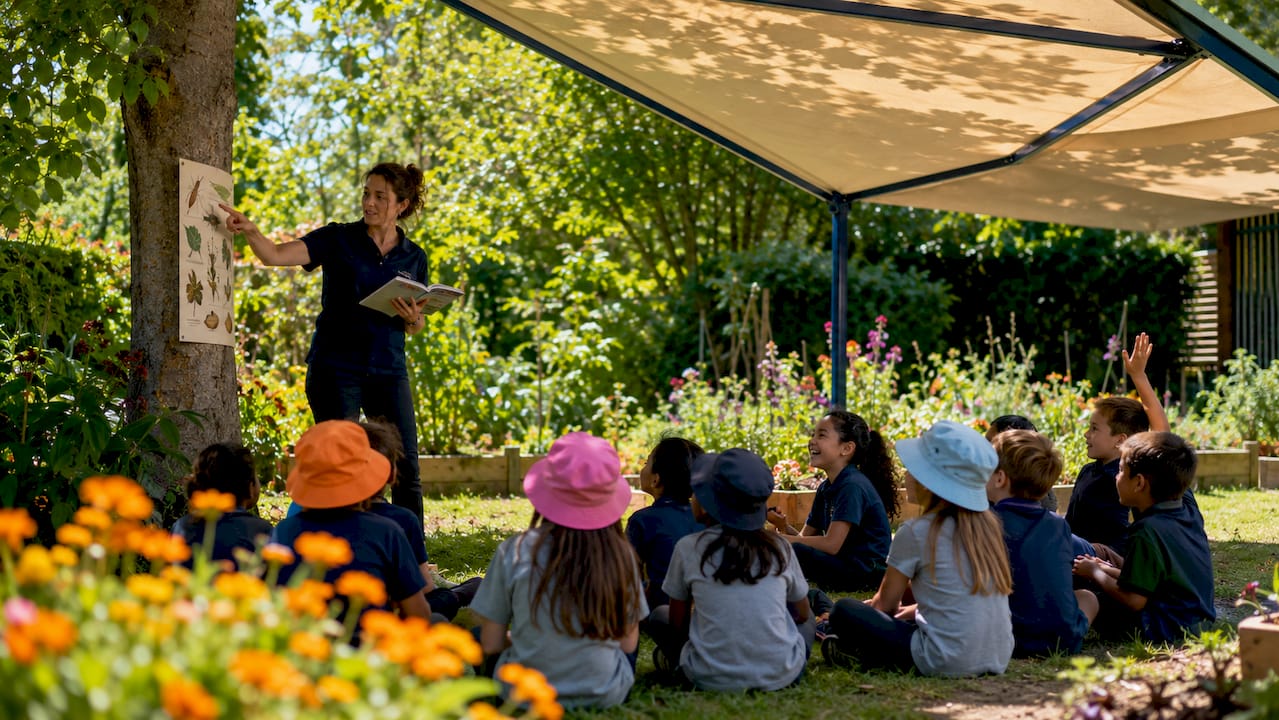
Educational outdoor shelters are purpose-built or adapted structures that give schools a protected, flexible space for learning beyond the classroom. The best examples of educational outdoor shelters combine weather protection, inclusive design, and curriculum relevance to genuinely improve student engagement. Nature-based outdoor classroom programmes have grown to over 1,000 nationwide, a figure that reflects how decisively schools have moved outdoor learning from novelty to standard practice. For educators and administrators, the question is no longer whether to build outdoor learning spaces, but which shelter type fits your site, budget, and teaching goals.
What are the main types of educational outdoor shelters?
The industry term for these structures is “outdoor learning environments,” though educators often use the broader phrase “outdoor classrooms” or “nature classrooms.” Each shelter type serves a different purpose, and choosing the wrong one wastes budget and limits use.
Gazebos and pavilions
Gazebos and pavilions are the most common permanent shelters in school grounds. They scale from a compact 3-metre gazebo for a single class group to a full pavilion seating 60 or more pupils. Timber-framed pavilions with open sides work well in most British climates because they allow airflow while blocking rain. Schools in Yorkshire and Derbyshire often choose pavilions with integrated guttering and sealed roof panels to extend usable days through autumn and spring.
Lean-to and Adirondack shelters
Lean-to structures attach to an existing wall or fence, making them ideal for urban schools with limited ground space. The Adirondack lean-to is a North American forest school design that uses a single pitched roof supported by timber posts. It is compact, low-cost, and integrates naturally into wooded or nature trail settings. Schools with environmental science programmes find this format particularly useful because it sits within the learning landscape rather than beside it.
Canvas and tensile fabric shelters
Canvas shelters and tensile fabric canopies are the most flexible option for schools that need temporary or seasonal outdoor classrooms. They can be erected and dismantled without groundworks, which matters for schools on leased sites or those awaiting planning permission. Educational tent ideas in this category range from simple bell tents used in forest school sessions to engineered tensile canopies that span a full playground bay. The trade-off is longevity: high-quality tensile fabric lasts 10–15 years, but canvas tents require annual waterproofing and storage.
Eco-friendly timber and recycled material structures
Eco-friendly outdoor structures built from local timber or recycled materials are gaining ground in schools with sustainability goals. Local timber and recycled materials reduce embodied carbon and support community forestry programmes. Pacific High School used young-growth Sitka spruce from the Tongass National Forest to build a fully functional outdoor learning shelter. This approach also gives pupils a direct connection between the material, its source, and the environment they are studying.
Key considerations when choosing a shelter type:
Climate suitability: Sealed roofs and side panels extend use in wet northern regions; open-sided structures suit drier southern sites.
Accessibility: Wheelchair-friendly access paths and adjustable-height tables are non-negotiable for inclusive design.
Permanence: Permanent structures need planning permission in most UK local authorities; temporary ones usually do not.
Maintenance load: Timber requires annual treatment; steel and aluminium frames are lower maintenance but higher upfront cost.
Curriculum fit: Forest school shelters suit science and outdoor education; covered pavilions suit whole-class literacy or maths sessions outdoors.
Pro Tip: Choose your roofing material based on noise, not just weather. Polycarbonate roofs amplify rain noise significantly, making outdoor lessons impractical during showers. Fabric or felt-covered panels absorb sound and keep sessions running.
Innovative project examples of outdoor learning shelters
Real projects show what is achievable at different budget levels. The following examples span community-funded lean-tos to school-built pavilions, each with a clear lesson for administrators.
1. Adirondack lean-to on an educational nature trail
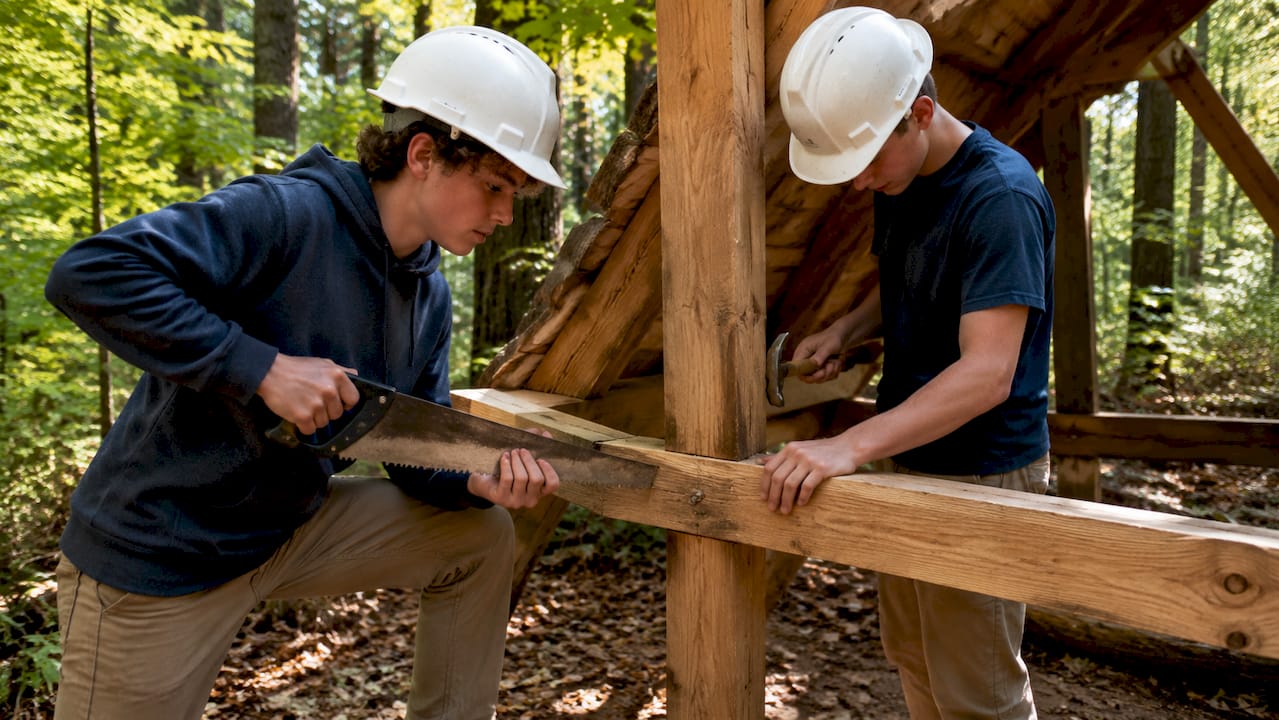
Environmental Technology students in Andover built an Adirondack lean-to shelter for a local educational trail using a $1,500 grant from a local environmental fund. The students designed, sourced materials, and constructed the shelter themselves, earning course credit in the process. The result is a permanent, weather-protected rest and teaching point on the trail. This model proves that small grants and vocational partnerships can deliver lasting infrastructure at minimal cost to the school budget.
2. Mud garden play den from recycled materials
T Level Construction students at Burton and South Derbyshire College built a creative play den for a primary school using entirely recycled materials. The project, reported by FE News, gave the students real-world construction experience while delivering a functional outdoor learning structure to the school at no materials cost. Partnerships with vocational departments reduce labour costs and create genuine learning outcomes for both the builders and the pupils who use the space. This is one of the most cost-effective models available to secondary schools with nearby further education colleges.
3. Young-growth timber shelter at Pacific High School
Pacific High School in Sitka, Alaska, built an outdoor learning shelter using young-growth Sitka spruce harvested from the Tongass National Forest. The project connected the school’s environmental curriculum directly to local forestry practice. Pupils studied the timber’s properties, the harvesting process, and the shelter’s construction as part of their science programme. The shelter now serves as both a teaching space and a living example of sustainable material use.
4. Accessible outdoor classroom at Huntsville High School
Huntsville High School created a fully accessible outdoor classroom for approximately $4,500, funded through community donations and a Rotary People of Action grant. The space features wheelchair-friendly picnic tables, a shaded canopy structure, and level access paths. Teachers report that the change of scenery reduces digital distraction and lifts participation during lessons. At under £4,000 equivalent, this project sets a realistic benchmark for UK schools seeking inclusive outdoor classroom solutions on tight budgets.
5. Forest school shelter with integrated curriculum links
Several primary schools across the UK have installed dedicated forest school shelters, typically a timber-framed lean-to or yurt-style canvas structure, positioned within a wooded corner of the school grounds. These shelters anchor the forest school programme by giving pupils a consistent, weatherproof base for outdoor sessions. The most effective examples include tool storage, a fire circle area, and seating that accommodates a full class group. Schools that embed the shelter into their science, geography, and PSHE curricula report the highest levels of pupil engagement.
Design principles for effective outdoor learning shelters
Good design separates a shelter that gets used every week from one that sits empty after the first term. The California Department of Education recommends that outdoor learning spaces prioritise site-specific flexibility, accessible seating, and inclusivity over purely aesthetic choices. That principle applies equally to UK schools.
Start with a formal site assessment. Walk the site with a planning committee that includes teachers, site managers, and if possible, pupils. Identify sun paths, prevailing wind direction, drainage points, and proximity to classrooms. A shelter positioned 200 metres from the nearest classroom will be used far less than one 30 metres away.
Design for multiple uses. A shelter that only works for science lessons is a poor investment. The best outdoor learning shelters accommodate whole-class teaching, small group work, reading, and social time. Moveable seating, writable surfaces, and power access for projectors all increase the range of subjects that can be taught outside.
Prioritise inclusivity from the start. Wheelchair access, hearing loop compatibility for pupils with hearing aids, and sensory-friendly materials are not optional extras. They are baseline requirements under the Equality Act 2010. Schools that retrofit accessibility features after construction spend significantly more than those that build them in from the outset.
Integrate curriculum planning before construction. Educator confidence and curriculum alignment are as important as the physical structure. A shelter without a teaching plan attached to it rarely fulfils its potential. Involve subject leads in the design process so the space reflects actual lesson needs.
Pro Tip: Build shelter maintenance into your existing site management schedule before the structure is even installed. Schools that define clear climate thresholds, such as cancelling outdoor sessions below a set temperature or wind speed, and assign maintenance tasks to named staff, keep their shelters in use for far longer.
Comparing outdoor shelter options for different school budgets
The right shelter depends on your site, your budget, and how often you plan to use it. This comparison covers the most common options across permanent and temporary formats.
Shelter type | Approximate cost | Permanence | Accessibility | Best suited for |
Canvas or bell tent | £500–£2,000 | Temporary | Limited | Forest school, seasonal use |
Adirondack lean-to | £1,500–£4,000 | Permanent | Moderate | Nature trails, science areas |
Tensile fabric canopy | £3,000–£10,000 | Semi-permanent | Good | Playgrounds, multi-use areas |
Timber pavilion | £8,000–£25,000 | Permanent | Excellent | Whole-class teaching, events |
Recycled material den | £500–£2,000 | Permanent | Variable | Primary play and EYFS |
Pergola or veranda | £4,000–£15,000 | Permanent | Excellent | Secondary schools, sixth forms |
Permanent timber pavilions deliver the widest range of uses but require planning permission and a higher upfront investment. Temporary canvas shelters suit schools testing outdoor learning before committing to a permanent build. School outdoor space ideas that combine a permanent canopy with moveable furniture offer the best balance of flexibility and durability for most UK schools.
Urban schools with hard-surfaced playgrounds benefit most from tensile canopies or pergola structures, which require no groundworks beyond anchor points. Rural and suburban schools with green space have more options, including timber pavilions and forest school lean-tos. For schools with very limited budgets, a vocational partnership with a local college can deliver a permanent structure for the cost of materials alone, as the Burton and South Derbyshire College project demonstrated.
Key takeaways
The most effective educational outdoor shelters combine inclusive design, curriculum integration, and community involvement from the planning stage onwards.
Point | Details |
Match shelter type to site and budget | Timber pavilions suit larger budgets; lean-tos and canvas shelters deliver results under £2,000. |
Prioritise accessibility from the start | Wheelchair access and inclusive seating built in from day one cost less than retrofitting later. |
Use vocational partnerships to reduce costs | College construction students can build permanent shelters for materials cost only. |
Embed maintenance into site schedules | Named staff, climate thresholds, and annual treatment plans keep shelters in active use. |
Align the shelter with curriculum before building | Teacher involvement in design produces spaces that get used every week, not just occasionally. |
What I have learned from watching schools get this right and wrong
Schools that build the best outdoor learning spaces share one habit: they involve teachers before they involve contractors. The projects that stall or sit unused almost always started with an administrator choosing a shelter type, ordering it, and then asking staff to use it. That sequence produces a beautiful structure with no lesson plans attached.
The Huntsville High School project stands out to me because it started from the opposite direction. Teachers identified that outdoor spaces reduce digital distraction and lift participation. The community then funded a shelter designed around those teaching needs. The result was a space that teachers actually wanted to use, not one they felt obliged to justify.
My honest view is that the shelter type matters far less than most administrators think. A £1,500 lean-to used three times a week delivers more educational value than a £20,000 pavilion used once a fortnight. The variable is teacher confidence and curriculum fit, not timber grade or canopy span. If I were advising a school starting from scratch, I would spend the first budget on teacher training and a simple temporary structure, prove the concept, and then invest in something permanent. That sequence works. The reverse rarely does. For schools ready to move to a permanent solution, installing school awnings and covered structures with professional guidance makes the transition straightforward.
— Andrew
Upgrade your school’s outdoor learning space with Infinityawnings
Infinityawnings designs and installs premium pergolas and covered outdoor structures for educational settings across Yorkshire, Derbyshire, Nottinghamshire, and Lincolnshire. With over 15 years of experience, the team works with schools to specify structures that meet accessibility requirements, withstand British weather, and complement existing grounds.
Whether you need a permanent shaded teaching area or a weather-resistant canopy for a playground bay, Infinityawnings offers bespoke pergola solutions from trusted manufacturers including Weinor, Tarasola, and Morvelle. Every installation includes a free site consultation and a full quote. Contact Infinityawnings to discuss your school’s outdoor learning requirements and receive expert guidance tailored to your site and budget.
FAQ
What are the most affordable examples of educational outdoor shelters?
The most affordable options are Adirondack lean-tos and recycled material dens, which can be built for as little as £1,500 using grant funding or vocational college partnerships. Huntsville High School delivered a fully accessible outdoor classroom for approximately $4,500 through community donations.
Do outdoor shelters in schools require planning permission?
Permanent structures typically require planning permission from your local authority, while temporary canvas or tensile fabric shelters usually do not. Always check with your local planning department before beginning any groundworks.
How do outdoor shelters improve student engagement?
Outdoor shelters provide a change of environment that reduces digital distraction and increases pupil participation, particularly during traditional lessons such as literacy and maths. Teachers at Huntsville High School reported measurable improvements in focus after moving sessions to their accessible outdoor classroom.
What materials work best for eco-friendly outdoor structures in schools?
Local timber and recycled materials are the most sustainable choices. Pacific High School used young-growth Sitka spruce to build a functional shelter that also served as a curriculum resource for environmental science lessons.
How should schools maintain outdoor learning shelters?
Schools should embed shelter maintenance into existing site management schedules, assign tasks to named staff, and define clear climate thresholds for when outdoor sessions are cancelled. Annual timber treatment and regular inspection of fixings and roofing materials are the minimum requirements for longevity.
Recommended
Comments