
Pergola features checklist: key factors for stylish spaces
- Andrew Crookes

- 14 hours ago
- 9 min read
TL;DR:
Proper planning and material choice are vital for durability and aesthetic compatibility.
Aluminium pergolas offer longer lifespan and lower maintenance than timber in UK weather.
Integrating design features like lighting and weatherproofing maximizes usability and property value.
Choosing a pergola sounds straightforward until you’re standing in your garden surrounded by brochures, wondering whether you need planning permission, which material will survive a Yorkshire winter, and whether the whole thing will actually add value to your property. The range of options is genuinely vast, and the wrong decision can cost thousands to correct. Whether you’re a homeowner in Nottinghamshire looking to reclaim your patio or a restaurant owner in Derbyshire wanting a covered terrace, this checklist cuts through the noise. We’ve pulled together the essential features, structural choices, and practical considerations that matter most in our region.
Table of Contents
Key Takeaways
Point | Details |
Material matters | Timber offers natural style but needs maintenance while aluminium gives longer life with less upkeep. |
Design boosts value | The right pergola can elevate style and add as much as 20% to your property’s value. |
Sizing standards | A 3x3m pergola fits most UK gardens and delivers functional shade without dominating the space. |
Professional installation | Expert fitting is safer and ensures lasting performance in windy northern regions. |
Understand essential criteria for pergola selection
Before you browse styles or request quotes, you need a clear framework. A pergola is a significant investment, and the features that make one perfect for a garden in Lincolnshire may be entirely wrong for a wind-exposed terrace in Sheffield. Start by evaluating these core criteria:
Durability: Will the structure withstand local weather, including heavy rain, frost, and strong winds?
Weather suitability: Does the design include drainage, and is the roof system appropriate for northern England rainfall?
Style cohesion: Does the pergola complement your property’s architecture and existing garden layout?
Regulation compliance: Are you within permitted development rules?
Installation method: Is this a DIY project or does it require professional fitting?
On the planning side, most pergolas fall under permitted development, meaning no formal application is needed, provided the structure is under 2.5m tall, sits more than 2 metres from the boundary if taller, and covers less than 50% of your garden. Exceed any of these thresholds and you’ll need to contact your local authority.
Before you commit to a design, ask yourself: How often will I actually use this space? Do I want it to feel enclosed or open? Will I add integrating outdoor lighting or heating later? Answering these questions early prevents expensive retrofitting. You can also browse inspiring pergola designs to understand what’s possible before narrowing your options.
Pro Tip: Think about where you’ll be in five years. If you’re planning a kitchen extension or landscaping project, a freestanding pergola gives you the flexibility to reposition it without major disruption.
Checklist item 1: Materials – timber vs aluminium
The material you choose shapes everything: the look, the lifespan, the maintenance burden, and the long-term cost. Both timber and aluminium have genuine strengths, but they suit very different priorities.
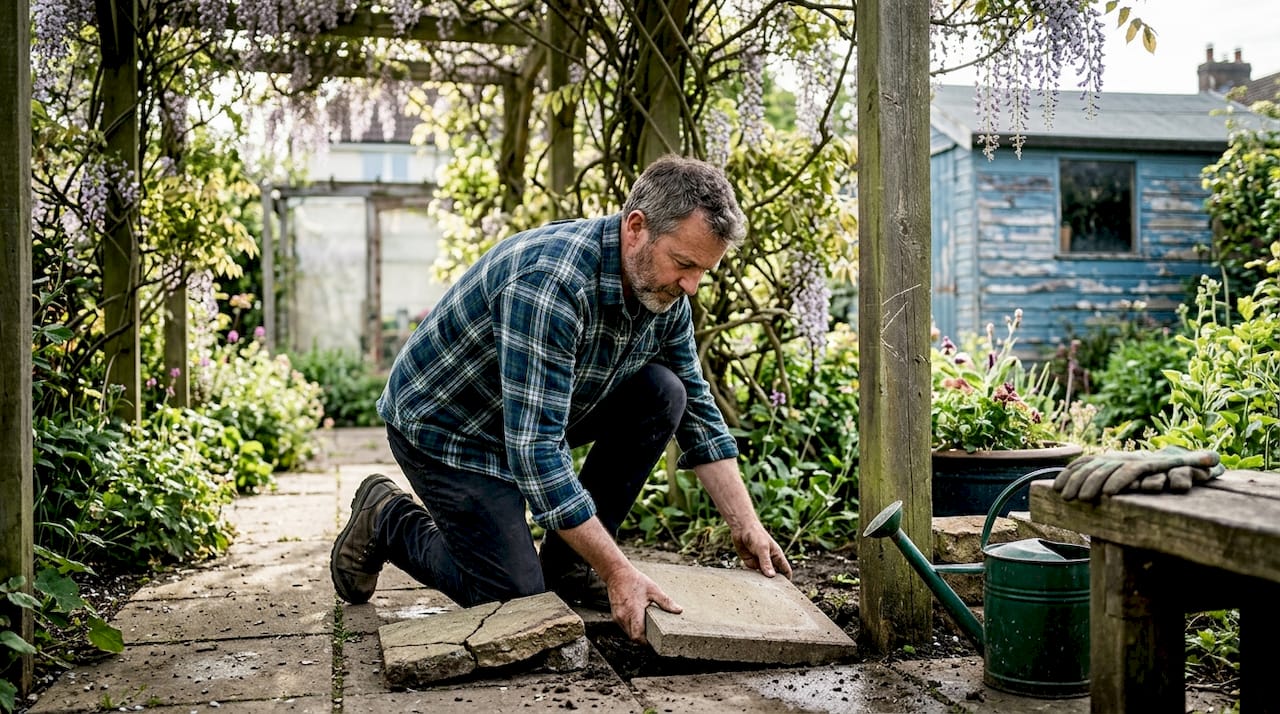
Timber brings warmth and a traditional aesthetic that suits older properties and cottage-style gardens particularly well. It’s generally less expensive upfront and easier to paint or stain to match your existing palette. The trade-off is significant, though. Timber requires regular treatment, typically every one to two years, to prevent rot, warping, and insect damage. In the damp conditions common across Yorkshire and Nottinghamshire, untreated timber deteriorates quickly.
Aluminium, by contrast, is virtually maintenance-free. It won’t rot, warp, or corrode, and modern powder-coated finishes come in a wide range of colours. The upfront cost is higher, but the 25-year lifespan compared to timber’s 10 to 15 years means aluminium often works out cheaper over time.
Material | Expected lifespan | Maintenance level | Relative cost |
Timber | 10 to 15 years | High (annual treatment) | Lower upfront |
Aluminium | 25+ years | Low (occasional clean) | Higher upfront |
For commercial clients, such as hotels or restaurants, aluminium is almost always the better choice. The reduced maintenance burden alone justifies the investment. For residential gardens where a rustic look is a priority, pressure-treated hardwood can be a reasonable compromise, provided you’re committed to the upkeep.
When thinking about sizing alongside your material choice, it’s worth reviewing size benchmarks for UK gardens to ensure your structure is proportionate.
Pro Tip: In wind-exposed regions like the East Riding of Yorkshire or open Lincolnshire countryside, reinforced aluminium frames with deeper footings are strongly advisable for long-term safety and structural integrity.
Checklist item 2: Structure, size, and layout
Once you’ve settled on a material, the next decision is structural form. The two main options are freestanding and attached pergolas, and each has a distinct character.
Freestanding pergolas stand independently in the garden, away from the house. They offer maximum flexibility because you can position them anywhere, and they’re easier to relocate if your plans change. They work especially well as destination features, framing a seating area at the far end of a garden or creating a separate outdoor room.
Attached pergolas fix directly to the house wall, creating a seamless transition between indoors and outdoors. They tend to feel more like a permanent extension of your living space, which is why they’re popular with homeowners who want a covered dining or entertaining area directly off the kitchen or living room.
As a rule, freestanding suits layout flexibility while attached creates a stronger indoor-outdoor connection. Neither is universally better; it depends entirely on how you plan to use the space.
For sizing, a 3x3 metre footprint suits most average UK gardens and comfortably accommodates a table for four. Larger plots might benefit from 4x6 metre or bespoke configurations. Aim for at least 80% shade coverage to make the space genuinely usable during summer.
Size | Best for | Typical layout use |
3x3m | Average residential garden | Dining or seating area |
4x4m | Larger garden or commercial patio | Entertaining or bar seating |
4x6m+ | Premium residential or commercial | Full outdoor room |
Property value is also worth factoring in here. A well-designed covered outdoor space can add between £7,900 and £60,000 to a property’s value, depending on size, quality, and location. For more ideas on maximising your outdoor area, explore patio shading solutions tailored to Yorkshire homes.
Checklist item 3: Design features, upgrades, and finishing touches
The core structure is just the beginning. The upgrades and finishing touches you choose will determine how comfortable, practical, and visually impressive your pergola actually is.
Here are the most impactful finishing touches for UK gardens, ranked by practical value:
Retractable or louvred roof: Gives you control over shade and rain protection without committing to a fully enclosed structure.
Built-in LED lighting: Extends usability into the evening and dramatically improves the ambience.
Infrared heaters: Essential for the British climate, allowing you to use the space from early spring through to late autumn.
Privacy screens or side panels: Useful for urban gardens or commercial settings where overlooking is an issue.
Integrated planting frames: Adds a natural, organic feel and softens the structure visually.
Modern upgrades go well beyond aesthetics. Consider these practical benefits:
Remote-controlled roofs and lighting reduce the friction of using the space in changeable weather
Climate sensors that automatically close the roof when rain is detected protect furniture and flooring
Smart integration with home automation systems adds genuine convenience
“Well-designed pergolas can increase property value by 5 to 20%, especially when combined with lighting and landscaping.”
For pergola design inspiration that shows how these elements come together in real installations, it’s worth seeing finished projects before finalising your specification. Pairing your pergola with thoughtful planting also contributes to kerb appeal with landscaping, which compounds the value uplift further.
Checklist item 4: Installation, expert advice, and maintenance
Even the best pergola specification will underperform if installation is rushed or poorly executed. This is particularly true in Yorkshire, Derbyshire, and the East Midlands, where wind exposure and ground conditions vary considerably.
Here’s what a professional installation process typically involves:
Site survey to assess ground conditions, drainage, and wind exposure
Confirmation of permitted development compliance or planning application if required
Foundation preparation, including concrete footings for freestanding structures
Frame assembly and fixing, with torque-tested anchor points
Roof system installation, including drainage channels and seals
Electrical connection for lighting or heating, carried out by a qualified electrician
For straightforward flat-garden installations with no overhead cables or boundary complications, a confident DIYer can manage a basic timber pergola. However, professional installation is strongly recommended for wind-exposed sites in the East Midlands and Yorkshire, and for any aluminium or louvred roof system. The engineering tolerances on modern pergola systems are tight, and errors during installation can compromise both safety and weatherproofing.
For more detail on why professional fitting matters, the case for retractable pergola installation by specialists is well documented.
Maintenance is often underestimated. Aluminium structures need little more than an occasional wash down, but gutters and drainage channels should be cleared each autumn. Timber structures need annual inspection and re-treatment. Fabric or retractable roof elements should be checked for tension and wear each spring.
Pro Tip: Schedule a brief annual check every March before the outdoor season begins. Catching a loose fixing or blocked drain early costs very little. Ignoring it until something fails can mean hundreds of pounds in repairs.
Our perspective: stop treating pergolas as an afterthought
After more than 15 years fitting pergolas and shading structures across Yorkshire and the surrounding counties, we’ve noticed a consistent pattern. Homeowners who treat the pergola as the last item on the renovation list almost always end up compromising on something important, whether that’s the size, the material, or the electrical provision.
The structures that deliver the most satisfaction, and the strongest return on investment, are the ones planned from the outset alongside the garden design, not bolted on at the end. That means thinking about where the power supply will run before the patio is laid, deciding on the roof style before the landscaping is planted around it, and choosing the frame colour before the fencing goes up.
There’s also a tendency to underestimate how much the British climate shapes the decision. A pergola that looks stunning in a showroom photograph may be entirely unsuitable for an exposed Lincolnshire plot. Wind loading, drainage, and thermal performance matter here in ways they simply don’t in southern Europe, where many of the most attractive designs originate.
Our honest advice: invest in the specification before you invest in the structure. A well-chosen pergola in the right material, the right size, with the right upgrades, will be used every week from April to October. A poorly specified one will sit unused after the first rainy summer.
Ready to find the right pergola for your outdoor space?
If this checklist has clarified what you’re looking for, the next step is getting a specification that’s tailored to your property and your local conditions.
At Infinity Awnings, we’ve been designing and installing pergolas, verandas, and shading solutions across Yorkshire, Derbyshire, Nottinghamshire, and Lincolnshire for over 15 years. We work with premium brands including Weinor, Tarasola, and Morvelle, and every installation is backed by expert advice from survey through to completion. Whether you want a sleek aluminium louvred roof or a traditional timber frame with integrated lighting, we’ll help you get it right first time. Request a free quote or download our product guide to start planning your outdoor space today.
Frequently asked questions
What is the ideal size for a garden pergola in the UK?
A 3x3 metre pergola is recommended for most UK gardens, offering ample space for a dining set without overwhelming a typical plot. Larger gardens can accommodate 4x4 metre or bespoke configurations.
Does a pergola need planning permission in Yorkshire or Derbyshire?
Most pergolas don’t require planning permission, provided they meet permitted development rules including being under 2.5 metres tall and covering less than 50% of the garden. Always check with your local authority if you’re unsure.
Which material lasts longer, timber or aluminium?
Aluminium lasts over 25 years with minimal maintenance, making it the more durable long-term choice. Timber typically lasts 10 to 15 years but requires annual treatment to reach that lifespan.
How much can a pergola installation increase property value?
A well-designed pergola can boost property value by 5 to 20%, particularly when it creates a functional, covered outdoor space with lighting and landscaping.
Are special installation methods needed in windy regions?
Yes, professional installation is recommended for wind-exposed sites across the East Midlands and Yorkshire, along with reinforced frames and deeper concrete footings for structural safety.
Recommended
Comments