
Pergola roofing explained: Transform your garden with smart shade

TL;DR:
Modern pergola roofing transforms outdoor spaces into weatherproof, year-round living areas.
Choices range from open slats to motorised louvred systems, affecting protection, light, and maintenance.
Aluminium frameworks with features like drainage and automation offer long-term durability and functionality.
Most people picture a pergola as a pretty but impractical wooden frame draped in climbing roses, offering little more than dappled shade on a sunny afternoon. In reality, modern pergola roofing has transformed these structures into fully functional outdoor rooms, capable of handling whatever the British weather throws at them. Whether you’re in Yorkshire, Derbyshire, Nottinghamshire, or Lincolnshire, the right roof turns your garden into a genuine extension of your home. This guide covers the main roofing types, their honest pros and cons, and exactly how to choose the best option for your space and lifestyle.
Table of Contents
Key Takeaways
Point | Details |
Pergola roofing basics | Pergola roofing covers the basic structure to add protection from sun and rain and extend outdoor use. |
Material choices matter | Aluminium and motorised options are best for low-maintenance, year-round enjoyment in northern counties. |
All-weather design is key | Integrated gutters, quality coatings, and flexible roofing allow true ‘garden rooms’ despite British weather. |
Match style to lifestyle | Select roofing to fit your garden’s use, desire for light or greenery, and willingness to maintain over years. |
What is pergola roofing?
At its simplest, pergola roofing refers to any covering added to the open framework of a pergola to provide shade, weather protection, and extended usability throughout the year. The traditional pergola was never designed to keep rain out. It was a garden feature, a support for plants, a visual focal point. But as outdoor living has grown in popularity, homeowners across the UK have demanded more from their garden structures.
Today’s roofing options range from fixed solutions like polycarbonate sheeting and glass to adjustable systems such as motorised louvred roofs and retractable fabric canopies. Each approach serves a different need, and understanding the difference is the first step to making a smart investment.
Why does this matter so much in our region? Consider that 87% of UK homes have gardens, yet most remain underused for large parts of the year because of unpredictable weather. In northern counties like Yorkshire and Derbyshire, rain, wind, and even occasional snow are facts of life from October through to April. A pergola without a proper roof is essentially a fair-weather feature. Add the right covering, and it becomes a year-round outdoor dining room, a relaxation space, or even a home office extension.
Here is a quick overview of what modern pergola roofing can offer:
Full rain protection with sealed polycarbonate or glass panels
Adjustable light and ventilation with motorised louvred systems
Aesthetic charm with traditional timber or slatted designs
Integrated drainage to handle heavy downpours without pooling
Year-round usability regardless of season or weather
For a broader understanding of how these structures work, pergolas explained covers the fundamentals in detail. The key takeaway here is simple: the roof is not an optional extra. It is the feature that determines how much genuine value your pergola delivers.
Key types of pergola roofing and how they work
Now you know what pergola roofing is, let’s explore the main types available and how each one changes your outdoor space.
Traditional slatted and open roofs are the classic choice. Timber or aluminium slats run across the frame, allowing light and air to pass through freely. They look beautiful, support climbing plants, and suit gardens where aesthetics take priority. The trade-off is obvious: they offer almost no rain protection. As traditional open designs show, slatted roofs are ideal for aesthetics and vines but fall short when the clouds roll in.
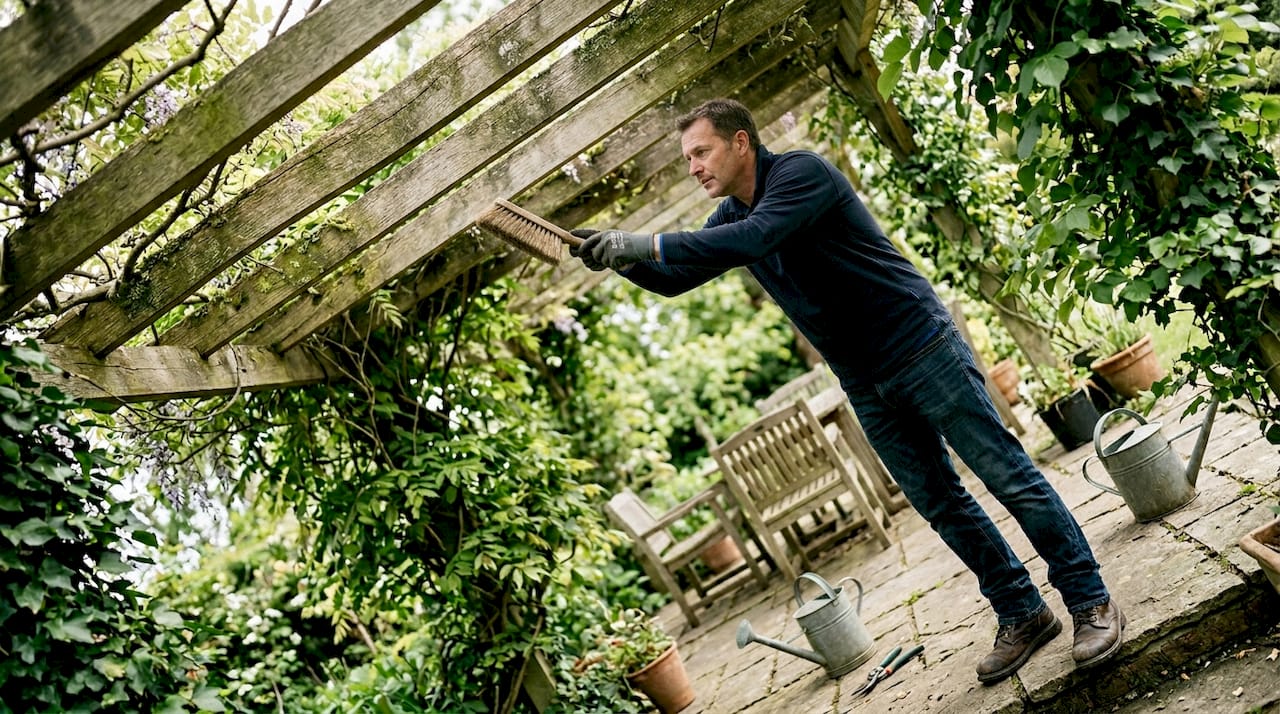
Polycarbonate roofing is one of the most popular choices for UK homeowners seeking an affordable, weatherproof solution. Sheets typically range from 6 to 16 mm in thickness, with twinwall options offering better insulation. They transmit 50 to 70% of available light while blocking rain entirely, making them a practical upgrade from open slats. The downside is that lower-quality polycarbonate can scratch and yellow over time without a proper UV-protective coating.
Glass roofing delivers a premium, clean aesthetic and excellent weather protection. It is heavier and more expensive than polycarbonate but offers superior clarity and longevity. Glass suits contemporary garden designs where a sleek, architectural look is the goal.
Motorised louvred roofs are arguably the most versatile option available today. Aluminium louvres rotate on command, allowing you to open them fully for sunshine, angle them for partial shade, or close them completely during a downpour. Many retractable pergola systems integrate seamlessly with sensors that close automatically when rain is detected. This is the option that genuinely turns a pergola into an outdoor room.
Here is a comparison of the main roofing types:
Roofing type | Weather protection | Maintenance | Light control | Relative cost |
Slatted/open | Low | Medium | Fixed | Low |
Polycarbonate | High | Low | Fixed | Medium |
Glass | High | Low | Fixed | High |
Motorised louvred | Very high | Very low | Adjustable | High |
For a deeper look at what features matter most when specifying a pergola, the pergola features checklist is worth reviewing before you commit to any particular system.
Benefits and challenges of each pergola roof for UK homeowners
Understanding the types is only half the story. Let’s break down what each delivers, and where they fall short, in real UK settings.
Motorised louvred roofs are the standout performer for northern England. They handle rain, wind, and even light snow without fuss, and the motorisation means you are never caught out by a sudden shower. Maintenance is minimal because aluminium does not rot, warp, or require annual painting. For homeowners in Yorkshire and Lincolnshire who want year-round use without constant upkeep, this is the most versatile year-round solution available.
The top benefits of a motorised louvred roof include:
Adjustable light and ventilation at the touch of a button
Automatic rain sensors close the louvres before you even notice the weather changing
Integrated gutter systems channel water away cleanly
Compatible with LED lighting and heating for evening use
Low maintenance aluminium construction built to last decades
Polycarbonate roofs offer bright, cheerful coverage at a lower price point. The challenge is quality variation. Budget sheets can yellow within a few years, reducing light transmission and looking tired. Investing in UV-coated, twin-wall polycarbonate on an aluminium frame addresses most of these concerns. The modern pergola advantages of polycarbonate are real, provided you do not cut corners on specification.
Timber slatted roofs remain popular for their natural warmth and ability to support climbers like wisteria or roses. However, in the damp, variable climate of the East Midlands and Yorkshire, timber requires regular treatment, painting, or staining to prevent rot and warping. The patio shading guide for Yorkshire homes highlights this maintenance burden clearly.
One element that is often overlooked regardless of roofing type is drainage. Heavy rainfall in our region means integrated gutters are not a luxury. They are essential. Without proper drainage, water pools on the roof, overflows at the edges, and can undermine the structure over time. Always specify gutter integration when planning your pergola roof.
For inspiration on how different roofing styles look in completed projects, pergola design ideas showcases a range of real installations.
Pro Tip: Aluminium frames outlast timber by decades in damp, wet climates. If longevity matters to you, always choose aluminium as your primary structural material, whatever roofing type you select.
How to choose the right pergola roof for your space
With the strengths and drawbacks laid out, you can now match your priorities to the right roofing setup.
Start with these key questions:
What is your budget? Slatted and polycarbonate options cost less upfront; motorised louvred and glass systems require more investment but deliver more long-term value.
How much weather protection do you need? If you want to use your pergola from January to December, a fully weatherproof roof is non-negotiable.
How much natural light do you want? Polycarbonate lets in the most light; louvred systems give you full control.
How much maintenance are you willing to do? Aluminium and polycarbonate require almost none; timber demands regular attention.
What does your garden look like? A contemporary garden suits glass or louvred aluminium; a cottage-style garden may suit timber slats with climbing plants.
Are there any planning considerations? Fixed, permanent structures can sometimes require planning permission, so always check with your local authority before installation.
For homeowners in northern counties, aluminium outperforms timber for longevity in damp climates. This is not a minor consideration. It is the single most important material decision you will make.
Browsing the full range of garden pergola options gives you a clear picture of what is available at different price points and specifications. If you are still weighing up the details, the pergola features to consider guide and outdoor awning advice both provide useful frameworks for narrowing down your choice.
Pro Tip: Always check planning permissions before installing a fixed pergola roof. Most domestic pergolas fall within permitted development rights, but larger or more permanent structures attached to the house may need approval.
An expert’s view: The real secret to getting pergola roofing right
Most guides focus on materials and aesthetics. Here is what they rarely tell you: the biggest reason pergola projects disappoint is not the roof material. It is underestimating the importance of integration.
Homeowners often choose a beautiful timber slatted pergola because it looks stunning in photographs, then spend years battling rot, poor drainage, and a structure they can only use on dry summer days. The romance of climbing plants fades quickly when you realise the pergola is unusable for eight months of the year.
The real breakthrough comes from thinking of your pergola roof as part of a system. Motorisation, integrated drainage, sensor technology, and compatible lighting and heating all work together. When you specify choosing the right features as a coherent package rather than individual components, the result is a space that genuinely works in all seasons.
Modern aluminium-framed, motorised louvred systems are often dismissed as expensive. But when you factor in zero maintenance costs, year-round usability, and the genuine extension of your living space, the value calculation changes dramatically. A well-designed pergola roof does not just keep rain off. It doubles your usable living space, whatever the weather.
Upgrade your garden with expertly installed pergolas
If you are ready to move from browsing to building, professional installation makes all the difference between a pergola that looks good and one that performs brilliantly for years.
At Infinity Awnings, we specialise in custom pergola installation built specifically for northern UK weather conditions. From motorised louvred roofs to traditional and contemporary styles, we design solutions that suit your garden, your lifestyle, and your budget. We also offer veranda solutions for homeowners who want a more integrated structure. Book your free on-site quote today and let our team help you create an outdoor space you will actually use all year round.
Frequently asked questions
What materials are best for pergola roofing in the UK?
Aluminium frames with motorised louvred or polycarbonate roofing last longest in damp UK climates; timber looks attractive but requires significantly more maintenance to stay in good condition.
Does a pergola roof need planning permission?
Most simple pergola roofing falls within permitted development rights and does not require planning permission, but larger or permanently fixed structures attached to the house can require approval from your local authority.
Will a polycarbonate pergola roof turn yellow over time?
Lower-quality polycarbonate can yellow and scratch within a few years, but UV-protected twinwall sheets with quality coatings resist ageing and maintain light transmission far better over the long term.
Are louvred roofs noisy or hard to clean?
Modern motorised louvred systems operate quietly and are designed for easy cleaning, particularly models with integrated gutter channels that direct rainwater away from the structure automatically.
Recommended
Comments