
Why shading boosts ambiance in your outdoor space

TL;DR:
Shading is the most effective tool for transforming outdoor spaces into comfortable, inviting environments. It controls sunlight, reduces heat and glare, and creates psychological refuge that supports mental wellbeing. Proper infrastructure like pergolas or retractable awnings is essential for reliable, year-round outdoor usability and ambiance.
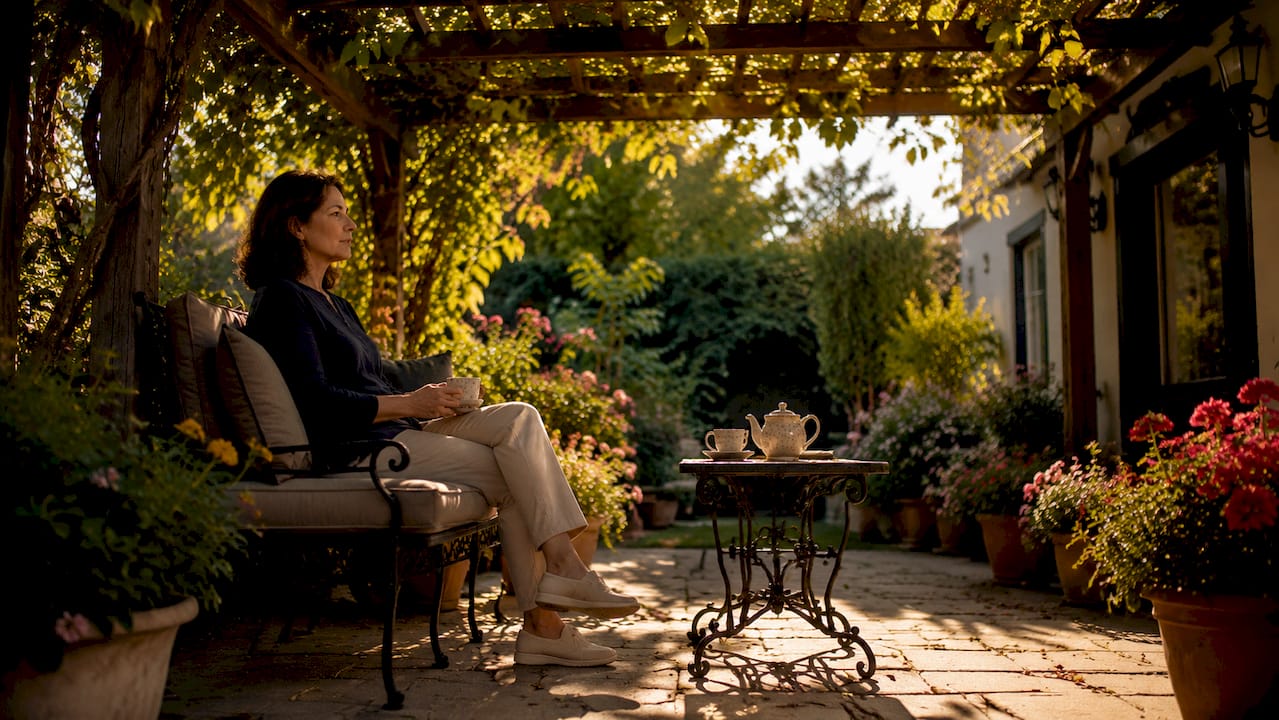
Shading is the single most effective tool for transforming an ordinary outdoor area into a space people genuinely want to spend time in. The reason why shading boosts ambiance goes beyond aesthetics: it controls solar radiation, reduces heat build-up, and creates a sensory environment that feels calm and welcoming. UV exposure in the UK is a notable risk from spring through early autumn, particularly during school and lunch hours, making shade a matter of safety as much as comfort. Infinityawnings has spent over 15 years helping homeowners and businesses across Yorkshire, Derbyshire, Nottinghamshire, and Lincolnshire get this right.
Why shading boosts ambiance: sunlight, heat, and comfort
Shade controls the two physical factors that make or break an outdoor space: temperature and glare. Without it, even a beautifully designed garden or terrace becomes unusable on a warm afternoon.
Thermal comfort studies show that pedestrians consistently prefer shaded areas in outdoor environments. That preference is not simply about staying cool. It reflects a deeper human need to feel physically at ease before relaxing or socialising.
The Sky View Factor (SVF) is the standard metric used by urban climate researchers to measure how much open sky is visible from a given point. A lower SVF means more shade and, critically, lower temperature and radiation impacts on the people below. This research, applied to urban squares and parks, translates directly to residential gardens and commercial terraces.
The practical benefits of managing sunlight through shading include:
Glare reduction: Direct sun on seating areas makes conversation and dining uncomfortable. Shade eliminates squinting and eye strain.
Surface cooling: Shaded paving, decking, and furniture stay significantly cooler underfoot and to the touch.
UV protection: Retractable awnings and pergolas reduce UV exposure for families, guests, and staff spending extended time outdoors.
Extended usability: A shaded space remains comfortable from mid-morning through late afternoon, rather than only in the early morning or evening.
Pro Tip: Position your shading structure to intercept the sun’s path between 11AM and 3PM. This is when UV intensity peaks in the UK and when most outdoor areas become genuinely uncomfortable without cover.
How does shading affect mood and mental wellbeing?
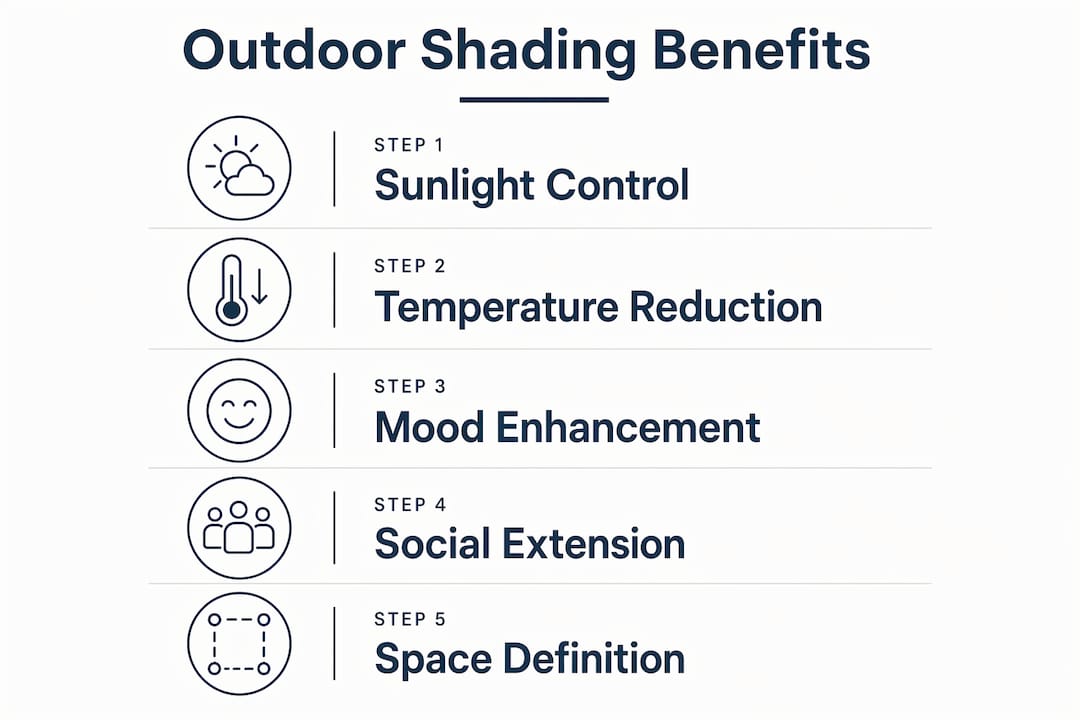
Shade does more than lower the temperature. It changes how a space feels psychologically, and that shift is what creates genuine ambiance.
Research from the University of Gloucestershire confirms that shade creates a psychological refuge that reduces sensory clutter and supports mental restoration. A covered outdoor area feels protected. That sense of enclosure, without being enclosed, is what makes people linger rather than retreat indoors.
“Successful outdoor spaces integrate environmental quality and inclusive design for psychological comfort. Shade reduces sensory overload, creates legibility, and supports mental wellbeing for a wide range of users, including neurodivergent individuals who benefit from clearly defined, calmer zones.” University of Gloucestershire, Health and Outdoor Quiet Spaces
The same research links natural soundscapes and biodiversity to improved mental wellbeing that lasts hours beyond the time spent outdoors. Shading structures, particularly pergolas with climbing plants or positioned near garden planting, support this effect by framing a connection to nature rather than blocking it.
The mood benefits of shading for better atmosphere include:
Reduced anxiety: Defined, shaded zones feel safer and less exposed, lowering background stress levels.
Improved focus: Cooler, calmer environments support concentration, whether for working outdoors or supervising children.
Social ease: People relax more readily when they are not squinting, overheating, or managing sensory discomfort.
Restorative quality: Time spent in a well-shaded garden has a measurably different quality to time spent in full sun exposure.
Which shading designs best improve outdoor atmosphere?
The difference between a garden that people use every day and one they avoid in summer often comes down to the quality of the shading infrastructure, not the planting or furniture.
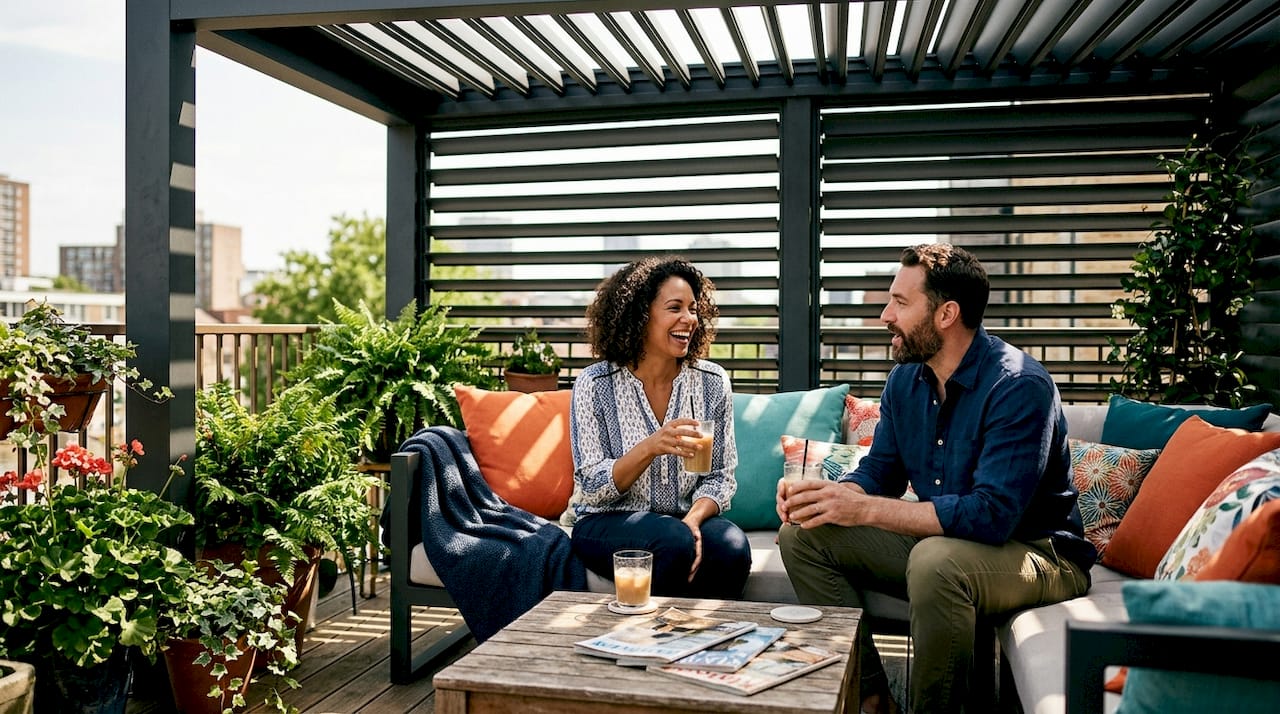
Permanent or semi-permanent shading is the key to creating outdoor rooms that people return to consistently. A parasol or loose shade sail shifts in the wind, requires constant adjustment, and rarely covers the right area at the right time. A retractable awning or engineered pergola stays where it is needed and performs reliably across UK weather conditions.
Shading type | Best for | Ambiance impact |
Retractable awning | Patios, terraces, café fronts | Immediate shade on demand, clean lines |
Pergola with fixed roof | Year-round outdoor rooms | Defined zone, strong architectural presence |
Veranda | Side or rear extensions | Sheltered transition between indoors and out |
Louvred pergola | Flexible light and rain control | Adjustable atmosphere throughout the day |
Colour and material choices matter more than most homeowners expect. Lighter, neutral shades in awning and pergola fabrics foster calmness and tranquillity, making them ideal for relaxation areas. Deeper tones create a more defined, intimate feel suited to dining or entertaining zones. Infinityawnings offers fabric options from brands including Weinor and Tarasola, covering a wide range of colours and weave densities to suit different moods and settings.
Shading also defines space. A pergola over a dining table creates a room without walls. That definition tells people how to use the space and makes the area feel intentional rather than accidental. Improving ambiance with shading is as much about spatial design as it is about sun protection.
Pro Tip: If you are working with a long, narrow garden, use two smaller shading zones rather than one large structure. Separate areas for dining and lounging create a sense of depth and variety that makes the garden feel larger and more considered.
When choosing materials, sun exposure affects every surface in an outdoor space, from decking to furniture. Coordinating your shading solution with the materials below it protects your investment and keeps the overall look coherent.
How does shading support social use and extend the outdoor season?
Shade turns underused outdoor areas into hard-working spaces. This is the practical argument that homeowners and hospitality operators both need to hear.
Commercial sun shades in hospitality protect guests and staff from UV and heat, keep food and drink areas cooler, and create reservable outdoor zones. The same logic applies to a residential garden: a shaded terrace becomes a room you can use, not just a view you can admire.
The ways shading extends outdoor usability and social comfort include:
Season extension: A well-designed pergola with optional side screens or a heater keeps a space usable from early spring through late autumn, adding months of practical use.
All-day access: Shading removes the “too hot between noon and 4PM” problem that makes many UK gardens unusable on the warmest days.
Duty of care: Families with young children and businesses with outdoor seating have a responsibility to limit UV exposure. Shade structures fulfil that duty reliably.
Social anchoring: A defined, comfortable shaded zone gives guests a place to gather. Without it, people drift indoors when the sun becomes intense.
Commercial revenue: For bars, restaurants, and hotels, a shaded outdoor area is a bookable asset. Guests stay longer and spend more when they are comfortable.
The benefits of outdoor shading extend beyond comfort into genuine financial and social value. A garden or terrace that works reliably across the season is worth significantly more to a household or business than one that is only pleasant for a few hours a day.
What should you consider when choosing shading for your outdoor space?
Choosing the right shading solution requires more than picking a style you like. The physical conditions of your space determine what will actually work.
Key factors to assess before selecting a shading solution:
Sun path and orientation: Identify where the sun falls on your space between 10AM and 4PM. A south-facing terrace needs different coverage to an east-facing one.
Wind exposure: Retractable awnings suit sheltered spots. Engineered pergolas handle exposed positions better and require less manual adjustment.
Colour and fabric weight: Lighter fabrics allow some diffused light through, creating a bright, airy feel. Heavier weaves block more light and create a more intimate atmosphere.
Integration with planting: Positioning a pergola near established trees or planting beds connects the structure to the garden’s natural soundscape and supports biodiversity.
Maintenance requirements: Powder-coated aluminium frames from brands like Llaza and Selt require minimal upkeep. Timber structures need annual treatment to maintain appearance and structural integrity.
The importance of shading in design is often underestimated at the planning stage. Homeowners who treat shade as an afterthought typically end up with solutions that do not fit the space, the sun path, or the way they actually use the garden.
Key takeaways
Shading improves outdoor ambiance by controlling sunlight and temperature, creating psychological comfort, and defining spaces that people use consistently and confidently.
Point | Details |
Physical comfort comes first | Shade reduces glare, surface heat, and UV exposure, making outdoor areas usable for longer each day. |
Psychological refuge matters | Shaded zones reduce sensory overload and support mental restoration, making people feel genuinely at ease. |
Infrastructure beats furniture | Permanent or semi-permanent structures outperform parasols and shade sails for reliability and ambiance. |
Colour shapes atmosphere | Lighter fabrics create calm, airy spaces; deeper tones suit intimate dining or entertaining zones. |
Season extension adds real value | A well-designed shaded space extends outdoor usability from early spring through late autumn. |
Andrew’s view: shade is infrastructure, not decoration
Most clients come to me thinking about shade as a finishing touch. They have planned the planting, chosen the furniture, and laid the decking. Then they wonder why the garden feels uncomfortable to use in summer. The honest answer is that they built the room without the roof.
The gardens and commercial terraces that people genuinely love using share one characteristic: the shading was planned as part of the space, not added to it afterwards. A pergola positioned to intercept the afternoon sun, with the right fabric weight and a couple of integrated LED fittings, creates an outdoor room that works at 2PM in july and at 8PM in september. That is what ambiance actually means in practice.
The misconception I hear most often is that shade makes a garden feel smaller or darker. The opposite is true when it is done well. A defined shaded zone makes the surrounding open areas feel more spacious by contrast. It gives the garden structure. People know where to sit, where to eat, and where to let children play. That legibility is what makes a space feel welcoming rather than just large.
Treating shading as outdoor infrastructure rather than garden furniture is the single most important shift in thinking I can offer. Get the shade right first. Everything else follows.
— Andrew
Pergolas from Infinityawnings: built for comfort and character
A pergola is the most effective single investment you can make in your garden’s ambiance and year-round usability. Infinityawnings designs, supplies, and installs pergolas built for UK conditions, using aluminium frames and high-performance fabrics from Weinor, Tarasola, and Selt. Every installation is tailored to your space, sun path, and how you want to use the area.
Whether you want a louvred roof for adjustable light control, integrated LED lighting for evening use, or a fixed canopy that creates a defined outdoor dining room, Infinityawnings has a solution to suit. The team covers Yorkshire, Derbyshire, Nottinghamshire, and Lincolnshire, and every project starts with a free, no-obligation quote. Explore the full range of pergola options and find the structure that fits your garden and your lifestyle.
FAQ
Why does shading improve outdoor ambiance?
Shading controls sunlight, reduces heat and glare, and creates a defined, psychologically comfortable zone. These physical and sensory changes make outdoor spaces feel calmer, more inviting, and genuinely usable throughout the day.
What type of shading works best for a UK garden?
Retractable awnings suit sheltered patios and terraces, while engineered pergolas with fixed or louvred roofs perform better in exposed positions and provide year-round usability across the UK’s variable weather.
Does shade colour affect the mood of an outdoor space?
Lighter, neutral fabric colours create a calm, airy atmosphere suited to relaxation, while deeper tones produce a more intimate feel that suits dining and entertaining areas.
How does shading support mental wellbeing outdoors?
Research from the University of Gloucestershire confirms that shaded outdoor spaces reduce sensory overload and support mental restoration, with benefits lasting hours beyond the time spent outside.
Can shading extend how long I use my garden each year?
A well-installed pergola or retractable awning, particularly with optional side screens or a heater, extends practical garden use from early spring through late autumn by removing the heat and UV barriers that limit midday and shoulder-season comfort.
Recommended
Comments