
All-weather pergolas: transform your garden year-round

TL;DR:
All-weather pergolas provide year-round shelter, enhancing outdoor living in Yorkshire’s climate.
Key features include adjustable roofs, integrated drainage, and weather-resistant materials for durability.
Proper design and installation extend lifespan, increase home value, and transform garden usability.
Yorkshire homeowners know the frustration well. You invest in a beautiful garden, plan a summer gathering, and the weather has other ideas entirely. The truth is, treating your outdoor space as a seasonal luxury is a habit worth breaking. All-weather pergolas are changing how families across Yorkshire and the wider region use their gardens, turning what was once a fair-weather corner into a genuine year-round living area. This article walks you through exactly what defines an all-weather pergola, the features that matter most, the design possibilities available to you, and everything you need to know before making your decision.
Table of Contents
Key Takeaways
Point | Details |
Year-round usability | All-weather pergolas let you enjoy your outdoor space in any season, rain or shine. |
Tailored design | You can customise materials and features to suit your home and local Yorkshire climate. |
Low maintenance | With the right materials and regular care, all-weather pergolas offer long-lasting performance. |
Added value | A well-designed pergola elevates garden aesthetics and can boost property value. |
Defining all-weather pergolas: what makes them unique?
Not all pergolas are created equal. A traditional timber pergola with open slats looks lovely in July but offers little protection when a Yorkshire drizzle rolls in. An all-weather pergola is a fundamentally different proposition. It is an engineered garden structure designed to provide reliable shelter and usability across every season, not just the sunny ones.
Pergolas explained confirm that all-weather pergolas are engineered to withstand diverse weather conditions, combining robust framing with purpose-built roofing and optional enclosure systems. The materials are carefully chosen for longevity and performance. Powder-coated aluminium frames resist corrosion without demanding constant upkeep. Treated hardwood options offer a warmer aesthetic while still providing structural integrity. Polycarbonate, glass, or louvred aluminium roof panels sit at the top, each offering a different balance between light, shelter, and airflow.
Here is a quick comparison that shows how all-weather designs differ from conventional options:
Feature | Traditional pergola | All-weather pergola |
Roof coverage | Open or partial | Full, adjustable, or sealed |
Weather resistance | Minimal | High, engineered for all seasons |
Drainage system | None | Integrated channels |
Side enclosures | Rarely included | Optional screens or glazing |
Year-round use | No | Yes |
Customisation | Limited | Extensive |
Beyond the materials, the design features are what really set all-weather structures apart. Key elements to look for include:
Adjustable louvred roofs that let you control sunlight and ventilation with a simple mechanism, often motorised
Integrated drainage channels built into the frame posts so rainwater is directed away cleanly
Side screens or glazed panels for wind protection and privacy
Powder-coated aluminium frames in a wide range of colours to match your home’s exterior
Optional LED lighting and infra-red heaters for evening and cooler-weather use
For Yorkshire’s climate in particular, where showers can arrive without notice and autumn afternoons turn cold quickly, the ability to adapt your shelter in real time is more than a luxury. Checking a pergola features checklist before purchase can help you identify which of these elements matter most for your specific garden and usage habits.
Core features and weather protection explained
With the basics of all-weather pergolas established, it is time to examine the technical features that make them such reliable companions for the British garden. The engineering behind a quality all-weather pergola is more thoughtful than it might first appear.
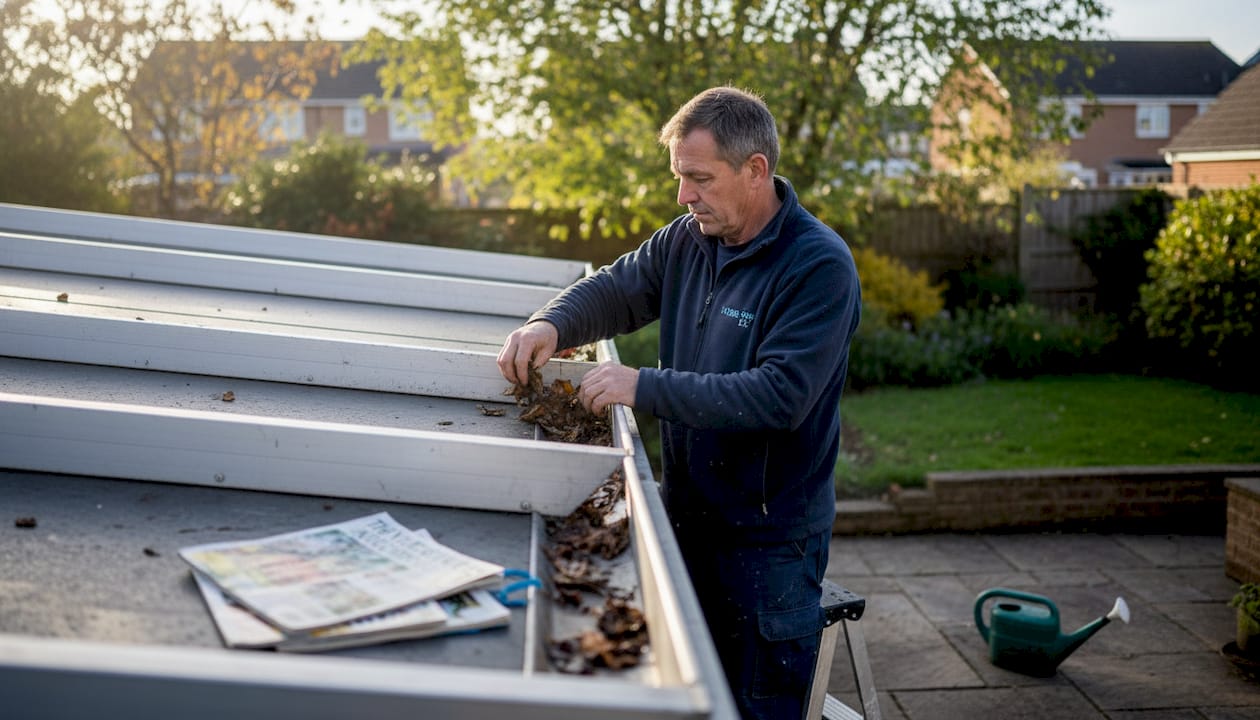
Pergola roofing explained highlights that roofing solutions offer both UV protection and water resistance, two properties that are non-negotiable for genuine year-round performance. Here is how the main weatherproofing features stack up against common British weather challenges:
Weather challenge | Feature that addresses it | Result |
Heavy rain | Sealed joints, drainage channels | No pooling, dry interior |
Strong UV in summer | UV-resistant glazing or louvres | Reduced glare, cooler space |
Wind | Solid frame, side screens | Calm, sheltered environment |
Snow loading | Reinforced aluminium frame | No structural deformation |
How does an all-weather pergola protect your garden through the seasons?
Spring: Louvres open to let in light and warmth while side screens deflect unpredictable gusts.
Summer: Roof panels and louvres reduce direct sun, keeping the area cool and comfortable.
Autumn: Closed roof and drop-down screens retain warmth, extending outdoor evenings considerably.
Winter: Full enclosure with optional heaters means the space remains usable even on cold, wet days.
A well-specified aluminium pergola can have a lifespan exceeding 25 years with minimal intervention, making it a genuinely long-term investment in your property. Maintenance is low: an annual clean with mild soapy water and a check of the moving parts is typically all that is needed. Reviewing all-weather veranda options alongside pergola options can also help you weigh which structural approach suits your garden best.
Pro Tip: Many buyers focus on the roof material and overlook the quality of the drainage system. A poorly designed drainage channel can overflow in heavy rainfall, causing water to run down the posts and onto your patio. Always ask your supplier to demonstrate how the drainage performs under a high-rainfall scenario before you commit.
Design benefits: comfort, style, and flexibility for your Yorkshire home
Understanding the technical strengths is only one side. Let us explore how these pergolas truly transform everyday home life and create beautiful, usable garden spaces.
Design ideas for pergolas show clearly that all-weather pergolas create stylish and functional outdoor living spaces that feel like a genuine extension of the home rather than a bolted-on afterthought. The comfort and lifestyle benefits are tangible:
Consistent shade on bright summer afternoons without sacrificing airflow
Reliable shelter for outdoor dining without watching the forecast with anxiety
Privacy screens that create a defined, intimate space in open or overlooked gardens
Integrated LED lighting that turns the area into an inviting evening retreat
Infra-red heaters that make autumn and early spring evenings genuinely comfortable
For Yorkshire homes, the local landscape and architecture offer rich inspiration. Stone-built properties in the Dales or traditional red-brick terraces in Leeds and Sheffield each benefit from a different pergola aesthetic. A contemporary aluminium structure with clean lines suits a modern extension, while a powder-coated frame in an earthy tone can complement older stone facades beautifully. Bespoke sizing means even awkward garden shapes or split-level terraces can be accommodated.
“The garden is often the most underused asset a property has. A well-designed all-weather structure can double the effective living area of a home, and homeowners consistently tell us it changes how they feel about their property entirely.” — Infinity Awnings installation team
Pro Tip: Before choosing a colour or finish, hold a paint swatch or a frame sample against your home’s exterior in different lights, morning and evening. Yorkshire’s light quality changes dramatically with the season, and a colour that looks perfect in a showroom can read quite differently against your stonework or render on a grey November afternoon.
If you are considering the step-by-step pergola installation process, thinking about design early ensures the structure is positioned and sized to maximise both shelter and aesthetics from the outset.
Practical considerations: installation, maintenance, and cost factors
After seeing what an all-weather pergola can offer, it is crucial to understand what is involved in making one a lasting part of your garden.
Proper installation and regular maintenance significantly increase pergola durability, so understanding the process before you begin is time well spent. Here is an overview of how a professional installation typically unfolds:
Initial survey and planning: A specialist visits to assess ground conditions, measure the space, and discuss your requirements.
Design sign-off: You approve the layout, materials, colours, and any additional features such as lighting or screens.
Foundation preparation: Posts are set into concrete footings or fixed to existing hard-standing using ground anchors.
Frame assembly: The aluminium or timber structure is erected and levelled precisely.
Roof and features installation: Roofing panels, drainage channels, side screens, and any electrical elements are fitted.
Final inspection: Moving parts are tested, drainage is checked under water, and the site is left clean and tidy.
For maintenance, keeping your pergola in excellent condition is straightforward:
Rinse the frame and roof panels with a hose every few months
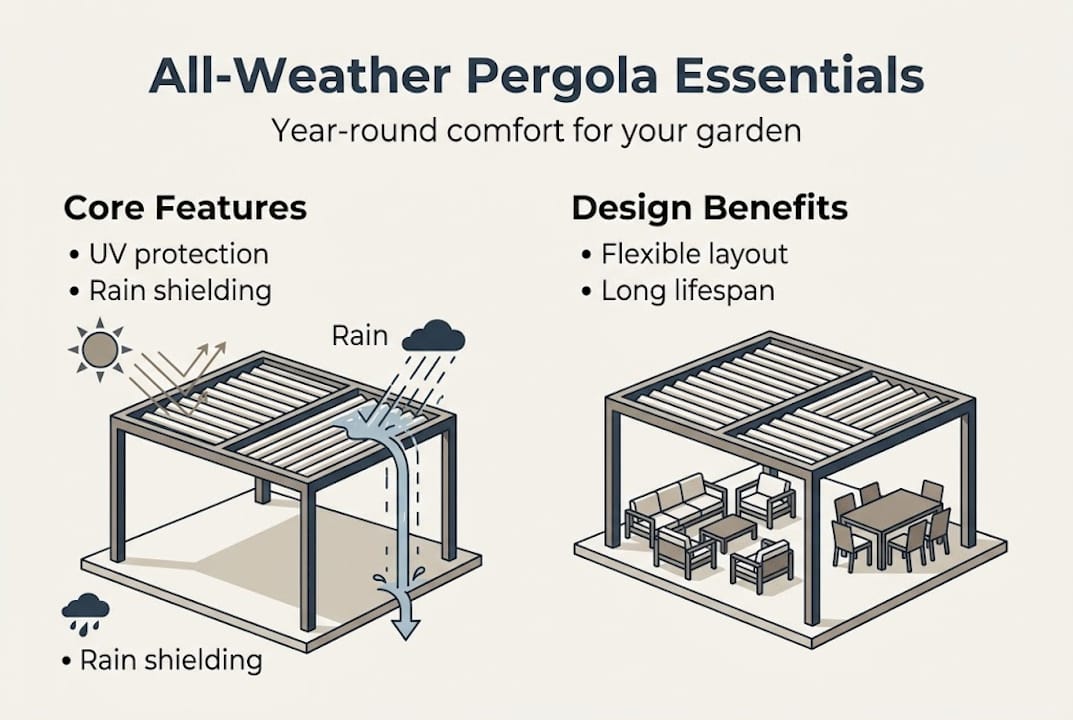
Clear debris from drainage channels at the start of autumn and spring
Inspect motorised parts or louvre mechanisms annually and apply lubricant if needed
Check fixings and joints for signs of movement after severe weather
On cost, expect to invest more than you would for a basic timber pergola. The size, roofing material, and chosen extras all influence the final figure. Professional installation is strongly recommended, particularly for structures with electrical components. The pergola setup workflow outlines what is involved at each stage, which helps you understand where the investment goes.
On planning permission: most garden pergolas fall within permitted development in England, but structures exceeding certain heights or placed close to boundaries may require approval. Always check with your local authority in Yorkshire before proceeding.
Why the right pergola transforms outdoor living in the UK
Conventional wisdom has long treated the British garden as a seasonal space, something to be enjoyed for perhaps four or five months a year and largely abandoned the rest of the time. We think that view is outdated, and the growing number of Yorkshire homeowners installing all-weather pergolas suggests many of you agree.
When a garden becomes genuinely usable all year, something shifts in how families relate to their homes. Breakfasts move outside on mild March mornings. Evening meals happen under the stars in October. Children use the sheltered space for play on rainy afternoons. The garden stops being a view from the kitchen window and becomes a room in its own right.
The emotional value of that connection to the outdoors is consistently underestimated. Enhancing your outdoor living is not simply about adding shelter; it is about reclaiming time and space that many households quietly surrender to the weather each year. We have spoken with homeowners who describe their all-weather pergola as the single change that most improved their daily quality of life at home. That is a bold claim, but when a structure genuinely shifts how you use your property, it deserves to be said plainly.
Ready to transform your garden? Explore all-weather pergola options
If reading this has made you look at your garden differently, that is exactly where good decisions begin. Infinity Awnings has spent over 15 years helping Yorkshire homeowners find the right outdoor structures for their homes, their budgets, and their lifestyles.
Browse the full range of Infinity Awnings pergolas to explore the styles, materials, and feature combinations available, or take the first step by requesting a free veranda quote with no obligation attached. Our team can visit your home, assess the space, and guide you through the options that will genuinely work for your garden. You do not need to figure this out alone.
Frequently asked questions
How is an all-weather pergola different from a standard pergola?
An all-weather pergola features robust materials, waterproof roofing, and weatherproof design so you can use your outdoor space regardless of rain, sun, or wind, unlike a standard pergola which offers only partial or decorative shelter. Advanced weather features are built into the structure from the ground up.
Do I need planning permission for a pergola in Yorkshire?
Most garden pergolas do not require planning permission, but larger structures or those close to boundaries may have restrictions. Always check with your local council before installation.
What maintenance does an all-weather pergola need?
Basic cleaning, checking drainage channels for debris, and occasional inspection of joints and moving parts will keep it looking and performing its best. Regular maintenance checks are minimal but genuinely worthwhile for long-term performance.
Can a pergola add value to my property?
Yes, a high-quality pergola often enhances both everyday enjoyment and resale value by improving your outdoor living space and boosting kerb appeal in a meaningful way.
Are all-weather pergolas suitable for small gardens?
Absolutely. Custom options mean pergolas can be designed to fit both large and small gardens, with compact footprints that maximise the available space without overwhelming it.
Recommended
Comments