
How shading transforms your outdoor space and well-being

TL;DR:
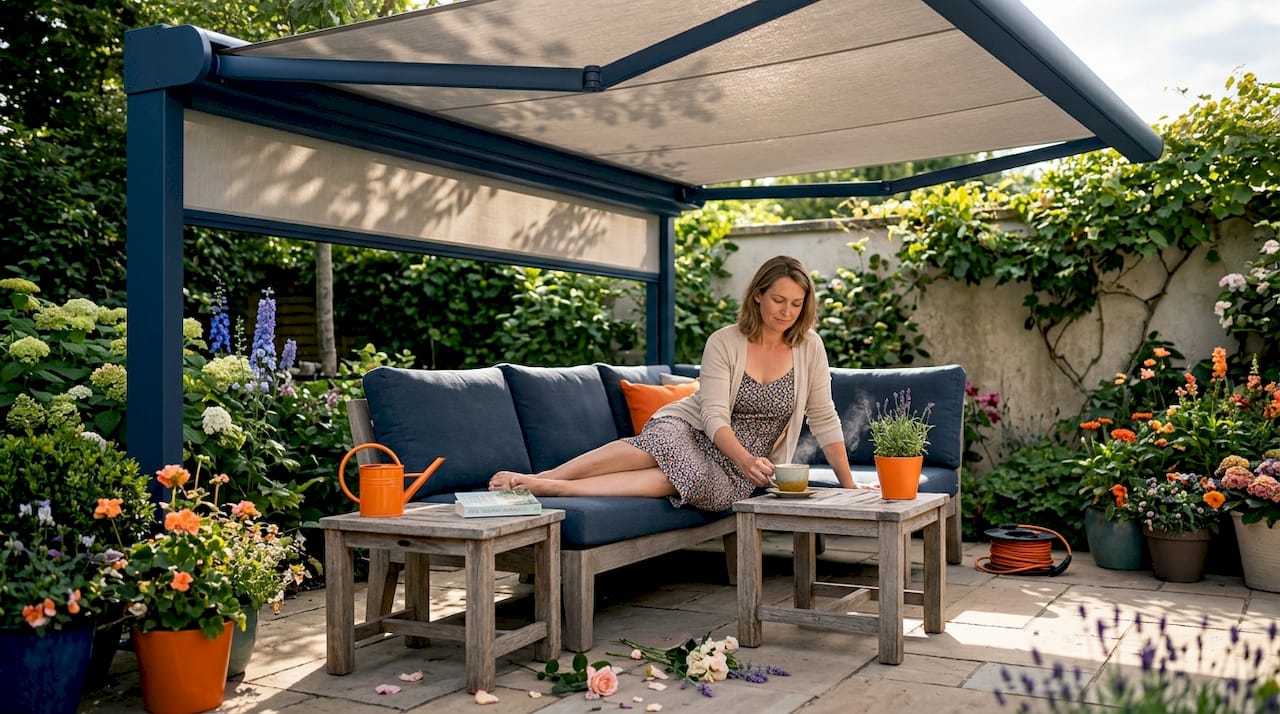
Proper outdoor shading significantly improves comfort, safety, furniture longevity, and usability in UK spaces. It also offers mental health benefits and boosts commercial and residential property value by extending outdoor usability. Strategic, adaptable shading solutions tailored to local weather conditions are essential for maximizing benefits and ensuring long-term investment return.
Most people assume that a few garden chairs and a potted plant or two are enough to make an outdoor space genuinely inviting. The truth is rather more interesting. Without proper shading, even the best-furnished patio in Yorkshire or Nottinghamshire becomes unbearable during a warm afternoon, and the furniture you invested in starts degrading within a single season. Shading is not a luxury add-on. It is the single biggest factor determining whether your outdoor space gets used regularly or sits empty for months at a time. This article pulls together the science, psychology, and practical guidance you need to make genuinely informed decisions.
Table of Contents
The science behind outdoor shading: Comfort, safety, and usability
Psychological benefits: Shaded spaces for relaxation and well-being
Comparing shading solutions: Sails, awnings, pergolas, and natural shade
Shading for UK’s changing climate: Preparing for heat and getting ROI
Why ‘just add shade’ is not enough: What most miss about outdoor enhancement
Key Takeaways
Point | Details |
Blocks harmful UV rays | Outdoor shading can stop up to 98% of dangerous UV, protecting health and furniture. |
Keeps outdoor areas usable | Shading can reduce heat and surface temperature by up to 25°C for comfort even on hot days. |
Enhances well-being | Shaded spaces foster relaxation, lower stress, and support mindfulness for homes and businesses. |
Choose the right solution | Different shading options offer unique benefits for UK weather and usage; compare carefully. |
Future-proof for UK climate | With more heat on the horizon, shading is a smart investment for both value and usability. |
The science behind outdoor shading: Comfort, safety, and usability
Having set the stage with why shading is more than just an upgrade, let’s look at the scientific foundations that make it so transformative.
Most people know that prolonged sun exposure is not great for your skin. What fewer people realise is just how dramatically a quality shade structure alters the physical environment beneath it. The numbers are striking. Quality shade solutions block 95-98% of UV rays, which has a measurable effect on skin cancer risk and significantly slows the fading and degradation of outdoor furniture. A sofa that would typically lose its colour vibrancy within two summers retains it for five or six when kept under proper shade.
Temperature is an equally important part of the story. Research confirms that effective shading reduces mean radiant temperature by up to 10°C and can lower surface temperatures on patios, decking, and furniture by between 10 and 25°C. In practical terms, that is the difference between a patio chair being genuinely comfortable to sit on and one that burns through light summer clothing. For UK homeowners who may only have ten or fifteen genuinely warm days per year, losing those to an overheated, unshaded terrace is a significant quality of life issue.
“A shaded outdoor area is not just cooler. It is measurably safer, longer-lasting, and more usable across a broader range of conditions.”
Understanding the UK benefits of outdoor shading goes beyond comfort. Here is a concise breakdown of what robust shading actually achieves:
Shading benefit | Measurable impact |
UV ray blockage | 95-98% reduction |
Mean radiant temperature drop | Up to 10°C |
Surface temperature reduction | 10-25°C lower |
Furniture lifespan extension | 2-3x longer before fading |
Usable outdoor days per year | Significantly increased |
The implications for furniture longevity alone justify the investment for many homeowners. Teak sets, rattan furniture, and outdoor cushions that cost hundreds of pounds degrade far more slowly under permanent or retractable shading. When you factor in the health protections and the sheer number of extra hours your space becomes usable, it becomes clear that shading increases comfort and saves energy in ways that have a genuine financial return.
Psychological benefits: Shaded spaces for relaxation and well-being
While shading offers measurable physical benefits, its effects go beyond comfort. Let’s examine how it shapes our minds and mood.
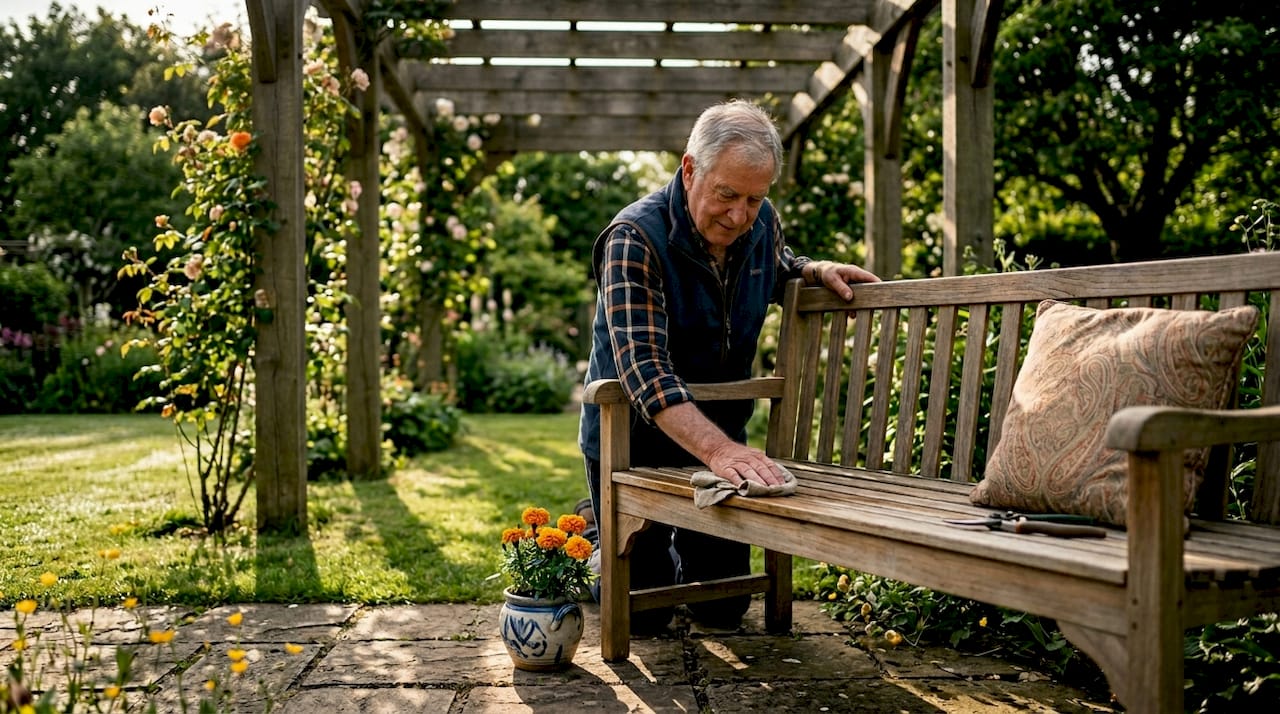
There is a growing body of evidence connecting comfortable outdoor environments to improved mental health. The key word is comfortable. Sitting outside in direct glare, squinting into the sun, too hot to relax properly, is not restorative. It is simply unpleasant. A well-shaded outdoor area changes the entire experience.
Research consistently shows that time spent in comfortable shaded retreats reduces stress and lowers blood pressure, with shaded environments enabling genuine mindfulness in a way that harsh, exposed sun simply does not. This matters enormously for families with young children, for elderly relatives, and for commercial settings like restaurants and beer gardens where customer comfort is directly tied to how long people stay and how much they spend.
For businesses across Derbyshire, Lincolnshire, and the rest of our region, shaded outdoor seating is not a cosmetic touch. It is a commercial decision. Customers linger longer, return more often, and rate their experience more positively when they feel genuinely comfortable.
Key psychological and social benefits of proper shading include:
Reduced cortisol levels from spending time in cool, comfortable outdoor environments
Improved focus and productivity for outdoor working or studying areas
Stronger social connections, as people are more likely to gather in spaces that feel pleasant
Better sleep quality for children who have played comfortably outdoors rather than retreating inside due to heat
Greater sense of ownership and pride in outdoor spaces that are genuinely used
There is real value in thinking about outdoor shading examples that have transformed similar spaces, particularly when planning a space that doubles as a relaxation zone and a social hub. The idea of creating a wellness retreat from an ordinary back garden or commercial terrace is not as ambitious as it sounds. It starts with solving the shading problem properly.
Pro Tip: If you are fitting shading for a home garden or commercial terrace, designate a specific zone beneath it purely for relaxation. A pair of reclining chairs, a low table, and soft outdoor lighting transform a shaded area into a retreat people actively choose to spend time in.
Comparing shading solutions: Sails, awnings, pergolas, and natural shade
Understanding the psychological value leads naturally into practical decisions. Here is how the main shading options stack up for UK outdoor spaces.
Not all shade is equal. Each solution has different strengths, weaknesses, and ideal applications. Getting this decision right matters enormously in our climate, where wind, rain, and limited sunlight hours mean that a shade structure has to earn its keep across a wider range of conditions than in sunnier countries.
The core mechanics differ significantly across options. Shade sails block 95-98% UV using breathable tensioned fabrics, retractable awnings reduce heat gain by 65-77%, and pergolas with louvered roofs offer adjustable coverage that responds to changing weather. Understanding these differences before you invest is essential.
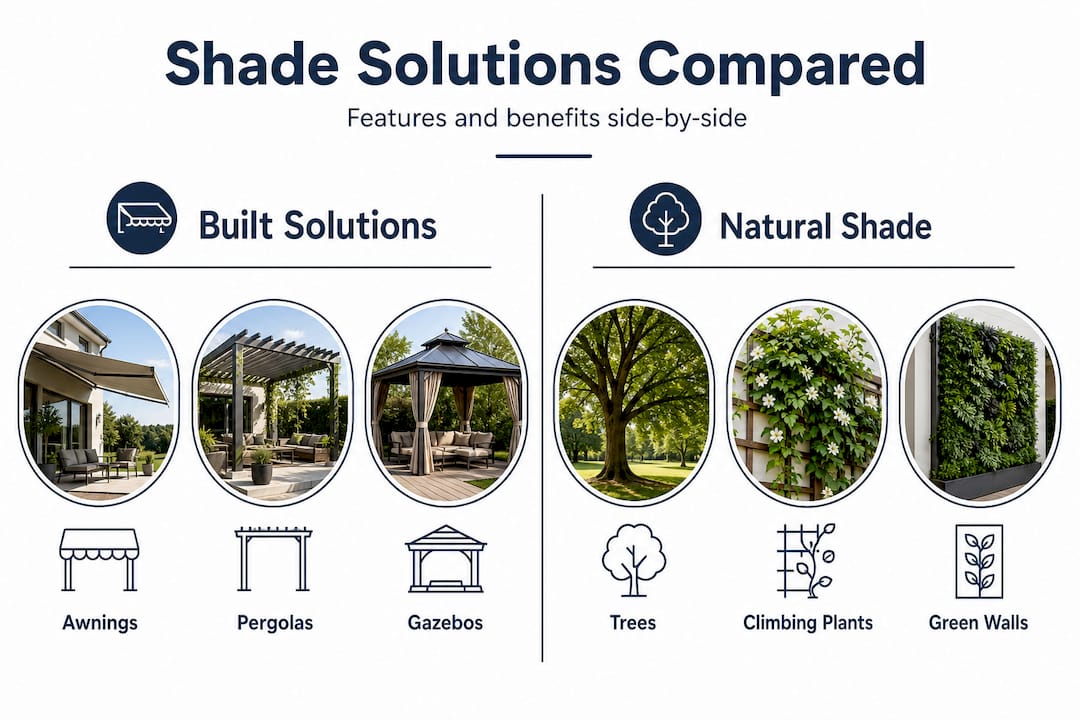
Solution | Lifespan | UV protection | Rain protection | Approx. cost | Best for |
Shade sail | 5-8 years | High (95-98%) | Low | Lower upfront | Open gardens, casual use |
Retractable awning | 10-20 years | High | Moderate-high | Mid to high | Patios, restaurants, homes |
Pergola / louvered roof | 20+ years | Adjustable | High (when closed) | Higher | Permanent outdoor rooms |
Natural tree shade | Indefinite | Variable | Low | Low (slow) | Long-term garden planting |
The nuances are where most buyers go wrong. Shade sails are cheaper upfront but have a shorter lifespan of around five to eight years compared to ten to twenty years for quality awnings. They also offer very limited rain protection, which in Yorkshire and Lincolnshire is a significant drawback. You may save money initially only to find you are replacing the sail every few years while also getting rained off your terrace.
Awnings sit in a strong middle ground. They are wall-mounted, so they do not require freestanding posts across your patio, and quality retractable models handle moderate rain well. Trees, meanwhile, are brilliant for long-term natural cooling but take years to establish and provide unpredictable shade coverage that changes with the seasons. There is also a genuine risk with any solid building-shade or dense tree canopy of trapping heat at ground level rather than dispersing it, unlike breathable woven fabrics.
The full range of outdoor shading solution types is worth reviewing before committing. Similarly, if you are in Yorkshire specifically, the outdoor shading explained for Yorkshire homes guide addresses some of the local wind and weather considerations in real detail.
Steps to help you narrow down your choice:
Measure your space and identify where sun falls at peak times (typically 11am to 3pm in summer).
Assess your wind exposure, particularly if you are on an elevated site in the Pennines or coastal Lincolnshire.
Decide whether you need rain protection or purely sun shading.
Set a realistic budget including installation, not just the product cost.
Consider shading selection tips to avoid over-darkening a space that also needs natural light.
Pro Tip: Wind orientation is the most overlooked factor when choosing outdoor shading in the UK. A sail or awning that works perfectly on a still day can become a liability in strong gusts if it is not rated appropriately. Always confirm wind ratings with your installer before purchasing.
Shading for UK’s changing climate: Preparing for heat and getting ROI
Comparisons done, it is time to focus on why shading is not just desirable but increasingly necessary for UK climate realities and business opportunities.
The UK’s climate is changing faster than most homeowners realise. Research indicates that up to 90% of UK homes could experience overheating by the 2030s without adequate shading measures. This is not a distant projection. Summers in Yorkshire and Derbyshire are already consistently warmer than they were a generation ago, and the pattern is accelerating.
For homeowners, the practical implications are clear. A well-shaded garden becomes a usable outdoor room for a far longer portion of the year. Combined with how awnings improve customer comfort in commercial contexts, the investment case becomes compelling whether you are a homeowner in Harrogate or a pub landlord in Chesterfield.
The return on investment for commercial operators is particularly strong. A shaded beer garden or restaurant terrace that can seat an additional twenty covers extends the profitable trading season by weeks or months. When you factor in the relatively modest cost of a quality awning or pergola against additional revenue generated across an extended outdoor season, the payback period is often under two years.
For residential buyers, the financial return comes through:
Extended furniture lifespan reducing replacement costs significantly
Reduced interior cooling needs as shaded windows and doors let in less radiant heat
Increased property appeal when quality outdoor shading is part of a well-designed garden
More usable outdoor days per year, which has genuine quality of life value
Reduced energy bills as shading cuts solar heat gain through glazed doors and adjacent rooms
The innovative outdoor shading trends in UK spaces continue to evolve rapidly, with smart motorised systems, integrated LED lighting, and side screens becoming increasingly accessible at residential price points. The technology has genuinely caught up with the need.
“Shading is no longer a seasonal comfort measure. For UK homes and businesses, it is a long-term investment in usability, health, and financial return.”
Why ‘just add shade’ is not enough: What most miss about outdoor enhancement
All the evidence and practical guidance in this article points to a lesson that even experienced installers sometimes overlook. Generic shading fails. What works brilliantly in a sheltered Sheffield courtyard will be torn to pieces by the wind on a Lincolnshire farmhouse terrace. What provides perfect privacy and sun protection on a south-facing Nottinghamshire garden will plunge a north-facing Derbyshire terrace into unnecessary gloom.
We see this repeatedly in our work. A homeowner or business owner picks a solution based on appearance or price, installs it without accounting for local wind direction, seasonal sun angles, or rain exposure, and ends up with something that rarely gets used. The whole point of shading is to increase usability. An ill-fitting solution does the opposite.
The real key is adaptability. Retractable solutions that can extend on sunny days and retract in wind or rain outperform fixed structures in our climate simply because the weather demands flexibility. Permanent pergolas with adjustable louvered roofs take this further, allowing you to fine-tune coverage throughout the day and across seasons. Static solutions, even excellent ones, can only serve a limited range of conditions.
Strategic placement is equally important. A properly positioned shading checklist for patios should account for where the sun sits at the times you actually use the space, not just at midday. Many homeowners shade for midday but find their evening terrace is still catching low western sun that a retractable awning could easily address.
The cost of underestimating these factors is not just financial. It is the disappointment of having a beautiful structure that does not actually make the space more enjoyable. Getting expert advice before you commit to any shading solution is not just helpful; for most UK properties with their varied orientations and exposed positions, it is genuinely necessary.
Ready to enhance your outdoor space with smarter shading?
If this article has made one thing clear, it is that the right shading solution depends heavily on your specific space, your local climate, and how you intend to use the area. Getting that match right is where real value is created.
At Infinity Awnings, we have spent over 15 years helping homeowners and businesses across Yorkshire, Derbyshire, Nottinghamshire, and Lincolnshire choose, design, and install shading that actually works for their particular situation. Whether you are drawn to bespoke pergolas for a permanent outdoor room or stylish verandas that blend seamlessly with your home’s architecture, our team can guide you through every option. Visit us to start your shading project with a free consultation, or download our product guides to explore what might suit your space before you pick up the phone.
Frequently asked questions
How much UV does shading block?
Most quality shade solutions block 95-98% of UV rays, significantly reducing skin cancer risk and protecting furnishings from premature fading and deterioration.
Can shading help keep my garden furniture cooler in summer?
Yes. Shading reduces surface temperatures by 10-25°C, making furniture far more comfortable to sit on during warm afternoons and extending its usable life considerably.
What are the main types of shading for UK outdoor spaces?
Options include shade sails, retractable awnings, pergolas with louvered roofs, and natural tree shade. Each has distinct advantages: retractable awnings reduce heat gain by 65-77%, while pergolas offer the most adjustable year-round coverage for UK weather patterns.
Is outdoor shading only about temperature or does it also impact well-being?
It goes well beyond temperature. Comfortable shaded spaces reduce stress and lower blood pressure, creating conditions that genuinely support mindfulness and mental restoration in ways that exposed, glaring sun cannot.
How does shading boost the value or usability of commercial outdoor areas?
Shading extends the usable outdoor season, protects customers, and increases revenue. Research on UK thermal comfort and commercial ROI confirms that covered outdoor seating generates measurable return on investment through extended trading periods and improved customer satisfaction.
Recommended
Comments