
2–4 Hours of Summer Sun: Map Your North Facing Garden in the UK

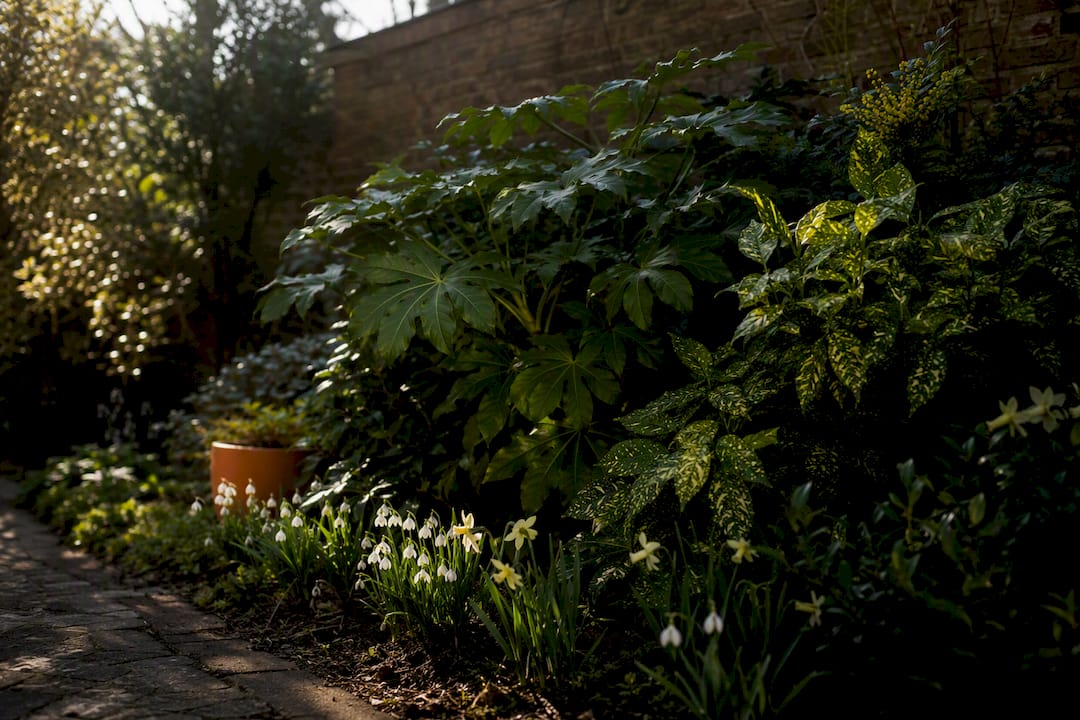
A north-facing garden is far from unusable. Choose shade-tolerant plants and lean on light-bouncing design, and the plot can outshine a sun-baked one for most of the year. Start by mapping your garden’s light zones at different times of day, since that single observation shapes every planting and design decision that follows. As the RHS notes, plenty of reliable garden favourites are built for exactly this kind of site.
TL;DR:
North-facing gardens in the UK typically receive only 2 to 4 hours of summer sun, with less than an hour in winter, suitable for shade-tolerant plants.
Deep shade areas favor foliage plants like ferns and hostas, while partial shade allows for flowering shrubs such as hydrangeas and fragrant evergreen plants.
Light reflection techniques, such as pale paving, outdoor mirrors, and painted fences, can significantly brighten shaded spaces and improve usability.
Proper planning, including mapping light zones and working with soil conditions, maximizes plant success and overall garden functionality.
Installing structures like pergolas or retractable awnings over the sunniest spots can extend outdoor enjoyment beyond the limited natural light.
Table of Contents
How much sun does a north-facing garden actually get?
A typical north-facing garden in the UK gets around 2 to 4 hours of direct sunlight in summer, dropping to under an hour in winter. That is not nothing. It is enough for a wide range of plants, most of which grow perfectly well in ambient light between 500 and 2,000 lux rather than direct sun.
Shade comes in degrees, and knowing which one you have changes what will actually grow:
Deep shade: no direct sun at any point, common under trees or against tall boundary walls.
Full shade: brief early morning or late evening sun only, typical of most north-facing plots close to the house.
Partial shade: two to four hours of direct sun, often at the garden’s far end where boundary walls stop blocking the light.
Dappled shade: light filtered through tree canopy, moving throughout the day.
The cheapest diagnostic tool is your phone camera. Photograph the garden at 9am, midday, 3pm and 6pm across a few days in different seasons, then sketch a rough map marking where light actually lands. Most gardeners are surprised to find one corner gets genuine sun for two hours while they assumed the whole plot was hopeless.
Best plants for a shaded north-facing garden
Plant choice makes or breaks a shady garden, and matching species to your actual shade depth (not what you assume it is) saves years of disappointment.
For deep shade, lean on foliage rather than flowers:
Ferns, particularly Dryopteris and Polystichum species, for texture that holds up all year.
Hostas for bold leaf shape, though slugs will test your patience.
Hellebores for winter and early spring flowers when little else moves.
For part shade and north-facing walls, the RHS has done the legwork already. Its trial-tested recommendations for shady north walls include Hydrangea petiolaris, a self-clinging climber that flowers reliably with minimal sun, and Osmanthus delavayi, an evergreen shrub with scented spring flowers. Sarcococca (Christmas box) belongs here too, prized for filling a dull winter garden with fragrance.
For structure and winter interest, Fatsia japonica, Aucuba japonica and Mahonia all hold their shape and colour through the darkest months. Add spring bulbs such as snowdrops and narcissi for early colour, and shade-tolerant annuals like begonias to bridge the summer gap.
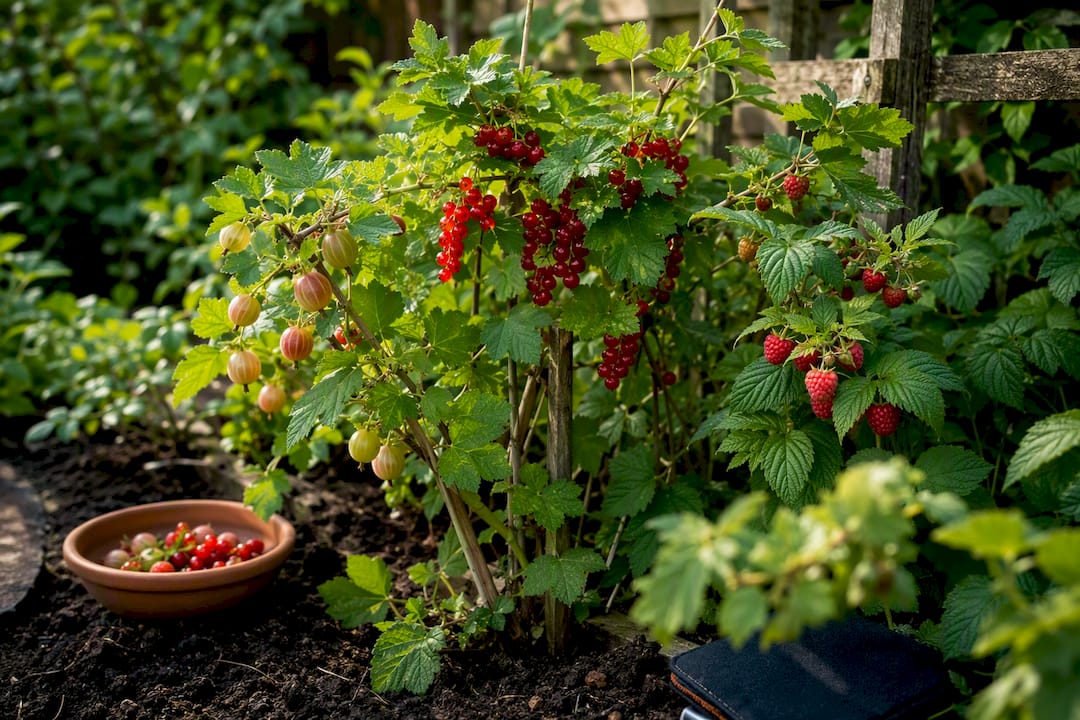
Fruit is not off the table either. Currants, gooseberries and raspberries tolerate partial shade reasonably well, so a north-facing plot can still earn its keep at the kitchen table.
Design tricks that make a shady garden feel brighter
Planting solves half the problem. The other half is bouncing what light you do have around the space, and this is where most north-facing gardens are quietly wasting potential.
Choose pale paving over dark stone. Light-coloured paving reflects far more ambient light than dark slate, and the difference is visible on a grey afternoon. Porcelain and pale limestone also resist the algae that dark, damp surfaces attract.
Hang an outdoor-rated mirror. Positioned to reflect a border or the sky rather than a fence, a well-placed mirror can noticeably lift a dim corner. Use acrylic rather than glass outdoors, since it will not shatter and copes far better with temperature swings.
Paint boundary fences a pale shade and let climbers soften rather than smother them, keeping the balance between reflected light and greenery.
Move seating to the sunniest patch, even if that means abandoning the patio-right-behind-the-back-door habit. Designers consistently find that the far end or a side return often catches evening sun the main patio never sees.
Add height with a raised deck where budget allows, since even 30cm can clear a low wall’s shadow line.
Light the space with warm-white LED uplights rather than solar fittings, which struggle to charge properly in low-light gardens and rarely deliver enough output after dusk.
Pro Tip: Test your mirror placement with a handheld mirror at different angles before committing. Five minutes of trial and error saves you drilling the wrong spot into a rendered wall.
Getting the planting mechanics right
Good plant choices still fail if the basics are wrong, and the two most common mistakes are planting too close to the house and ignoring soil condition.
Keep new planting at least 45cm away from house walls to avoid the rain shadow, the dry strip under eaves where rainfall barely reaches the soil.
Dig in well-rotted compost before planting, and work in horticultural grit if drainage is poor. Raised beds are worth the effort on heavy clay, since they warm faster and drain better than shaded ground level.
Layer your borders in tiers: taller shrubs like Fatsia or climbers at the back, mid-height hostas and hellebores in the middle, and low ground cover such as pachysandra or hardy geraniums at the front.
If your lawn is patchy and moss-ridden despite feeding, stop fighting it. Gravel, groundcover planting or a small paved seating area will outperform grass in deep shade every time.
Pro Tip: Before buying anything, dig a small hole and check how quickly water drains after rain. Slow-draining, waterlogged shade needs very different plants from dry shade under a tree canopy.
A seasonal care calendar for year-round interest
North-facing gardens reward a bit of planning across the calendar, since the shade that limits summer colour also means lower watering demands and fewer scorched plants during heatwaves.
Autumn: plant spring bulbs, dig compost into borders, and mulch beds to protect roots and improve soil structure over winter.
Spring: divide overcrowded perennials, plant new shrubs while the soil is still moist, and top up early bulb displays.
Summer: check pots daily during dry spells since containers dry out faster than open ground, and deadhead flowering plants to keep them going.
Late autumn/winter: prune climbers once they finish flowering, scrub pale paving to shift algae before it embeds, and plan winter-scent planting like sarcococca for the following season.
What 15 years of shading installations taught me about shade
Most homeowners treat a north-facing garden as a problem to disguise. It is actually an opportunity to design around, and the gardens that work best combine planting with structure rather than relying on one or the other. A shaded patio with the right roof or canopy overhead often gets more genuine use across the year than a sunny one that is unbearable in August and exposed in October. Andrew has watched enough installations to know that the gardens people love most are the ones designed for how the light actually falls, not how they wish it did.
— Andrew
Turning shade into a usable outdoor room
A pergola or retractable awning solves a problem no amount of clever planting can fix on its own: shelter from rain and wind, not just sun. In a north-facing garden, that matters more than most people expect, because the same lack of direct sun that suits ferns and hostas also means a bare patio stays cool and damp for longer after rain. Adding a structure over your sunniest patch, the one you identified during your light audit, extends how many months and hours a year you can actually sit outside.

Infinity Awnings designs, supplies and installs pergolas built to handle exactly this kind of British weather, with options for integrated lighting and heaters that make a shaded corner usable well into the evening. Browse patio awning ideas for inspiration, or if you are still deciding what kind of shading structure suits your plot, this guide on choosing outdoor awnings walks through the options. If you would rather talk it through, request a free quote and a shading specialist can help you plan a pergola or awning that works with your garden’s light, not against it.
Sources
FAQ
What are the best plants for shade in a north-facing garden?
Ferns, hostas and hellebores handle deep shade well, while Hydrangea petiolaris and Sarcococca thrive against shaded walls with a little more light. Fatsia and Mahonia add evergreen structure through winter.
Will a north-facing garden get any sun?
Yes. Most north-facing gardens get 2 to 4 hours of direct sunlight in summer, usually at the far end away from the house, though winter sun drops to under an hour.
What are the downsides of having a north-facing garden?
Lawns often struggle and thin out in permanent shade, sun-loving vegetables underperform, and pale paving needs occasional cleaning to keep algae from building up on damp surfaces.
What should I do first if my garden is north-facing?
Map your light at set times across the day and seasons before buying any plants, since this tells you which parts of the garden are deep shade and which get enough sun for wider planting choices. A pergola or awning over the sunniest section can also extend how much of the garden you actually use.
Recommended
Comments