
Playground shading options list: top choices for 2026

TL;DR:
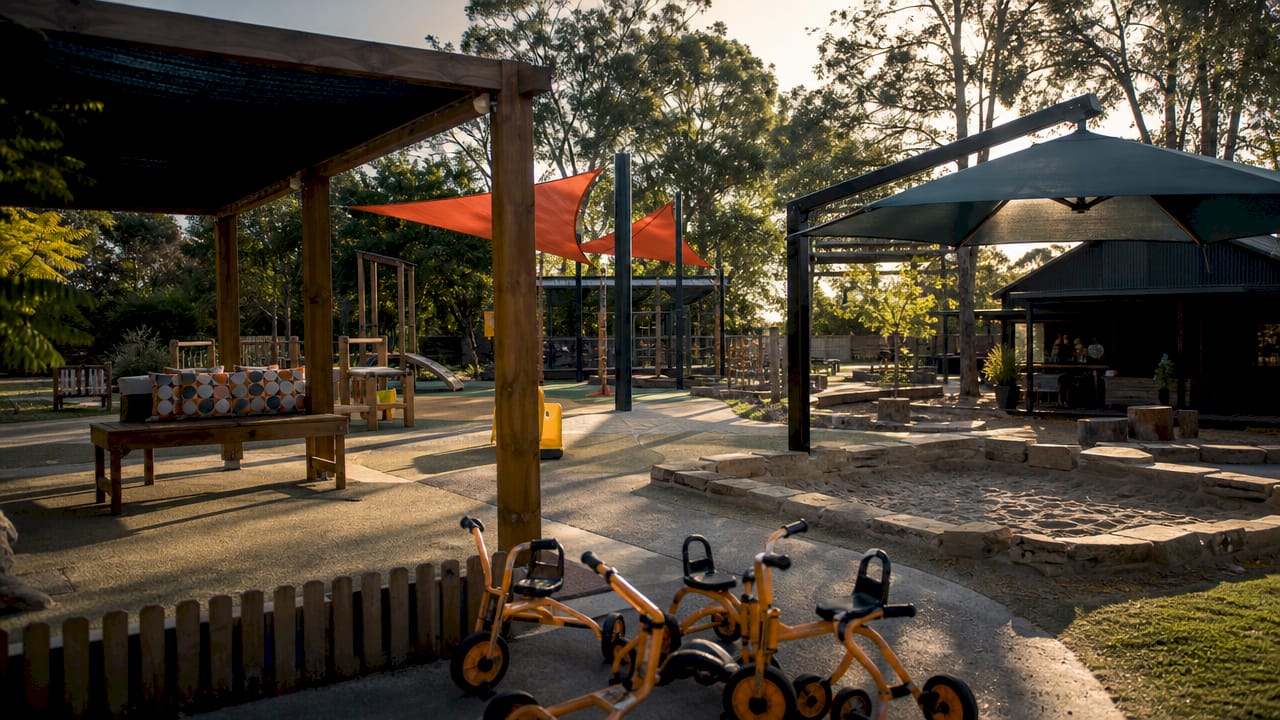
Playground shading options include structures like shade sails, canopies, and metal shelters designed to protect children from harmful UV radiation and regulate temperature. Proper placement considering sun angles and safety zones is crucial for effectiveness, with materials like HDPE mesh offering affordable UV protection and durability. Regular maintenance and strategic installation planning improve safety, longevity, and overall outdoor comfort for play areas.
Playground shading options are built structures designed to provide UV protection, temperature control, and comfort for children during outdoor play. The most common types include shade sails, cantilever shades, hip roof canopies, umbrella shades, and metal roof shelters, each constructed from materials such as HDPE mesh or PVC-coated polyester stretched over galvanised steel frames. Modern commercial shade fabrics deliver 90% to 99% UV protection, which means children playing during peak sun hours receive meaningful defence against harmful radiation. Choosing the right structure depends on your playground’s size, layout, budget, and how long children typically spend outside.
The full playground shading options list explained
The industry term for these products is “playground shade structures,” and the playground shading options list below covers every major category you are likely to encounter. Each type suits different spaces, budgets, and aesthetic preferences, so understanding the distinctions before you buy saves both money and frustration.
1. Shade sails
Shade sails are tensioned fabric panels anchored between posts or fixed points at different heights to create a dramatic, angled canopy. Hip roof canopies and shade sails suit different playground needs and aesthetics, with sails offering flexible, modern designs particularly well suited to irregular or awkwardly shaped spaces. They are available in triangular, square, and rectangular forms, and multiple sails can be layered to increase coverage without a single large structure. HDPE mesh is the standard fabric, allowing airflow while blocking the majority of UV radiation.
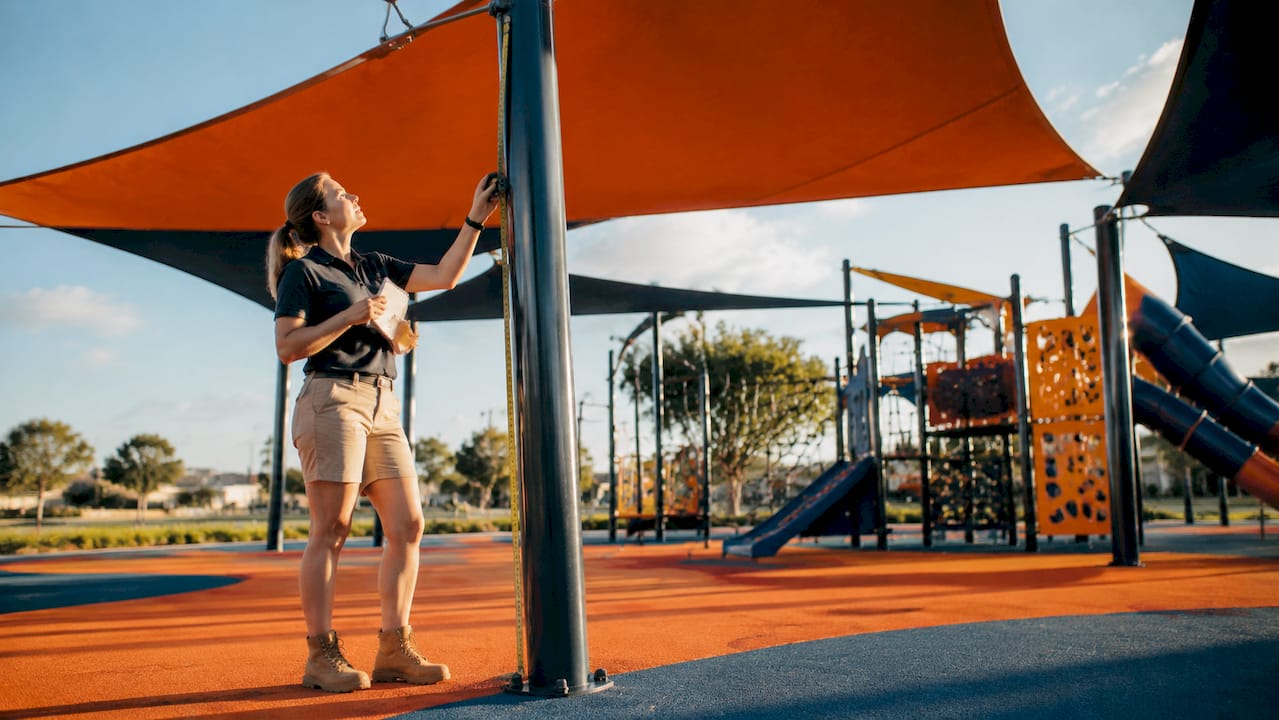
Pro Tip: Layer two or three overlapping shade sails at different angles rather than relying on one large panel. The overlap eliminates the gaps that a single sail inevitably leaves as the sun moves across the sky.
2. Cantilever shades
Cantilever shades use a single column of support posts positioned to one side, leaving the entire area beneath the canopy completely clear of obstructions. This design is particularly practical for seating zones, sandpits, and walkways where posts in the centre of the space would create a hazard or restrict movement. The canopy arm extends outward from the post, typically spanning three to six metres, and the fabric is usually HDPE or PVC-coated polyester. Because the support sits outside the play zone, cantilever designs are one of the safest options from a fall-zone compliance perspective.
3. Hip roof canopies
Hip roof canopies feature a traditional pitched roof shape supported by four or more posts at the corners of the structure. Hip roof canopies offer durable shade with a classic appearance ideal for schools and large parks. The enclosed roof design sheds rain as well as blocking sun, making this option genuinely useful in the British climate where weather is unpredictable. For large playgrounds covering 50 square metres or more, hip roof canopies provide the most consistent shade coverage throughout the day.
4. Umbrella shades
Umbrella shades provide versatile, cost-effective shading solutions for smaller play areas or seating zones. A single central post supports a circular or octagonal canopy, and many models are adjustable in height or tilt angle. They are the most affordable entry point in the playground shade structures category, making them a sensible first purchase for residential gardens or community spaces with limited budgets. The trade-off is coverage: a standard umbrella shade covers roughly 12 to 20 square metres, which suits a compact play area but falls short for larger installations.
5. Modular tensile canopies
Modular tensile canopies are multi-bay systems where individual canopy units connect together to cover large areas. Modular multi-bay canopies allow large coverage areas while keeping supports outside of critical fall zones, which is a significant safety advantage for school playgrounds and public parks. Each bay can be added independently, meaning you can start with one unit over the highest-use area and expand the system as budget allows. This phased approach is one of the most practical strategies available to parents and playground managers working within tight financial constraints.
6. Metal roof shelters
Metal roof shelters use powder-coated steel or aluminium frames topped with polycarbonate or steel sheet roofing. Unlike fabric-based options, metal roofs provide 100% physical shade and are completely waterproof, making them the most weather-resistant structure in the playground shade structures category. They are heavier, require more substantial foundations, and carry a higher upfront cost, but their lifespan typically exceeds 25 years with minimal maintenance. Schools and local authorities in Yorkshire and the wider north of England often specify metal roof shelters precisely because of their durability in wet conditions.
7. Retractable awnings and pergola canopies
Retractable awnings and pergola canopies are increasingly popular for residential gardens where a playground sits adjacent to a patio or seating area. A motorised retractable awning from brands such as Weinor or Tarasola can extend over a play area during peak sun hours and retract when not needed, preserving the open feel of the garden. Pergola canopies with adjustable louvres offer similar flexibility, allowing parents to control light levels precisely. These options blend playground sun protection with garden aesthetics in a way that fixed structures rarely achieve. You can explore how outdoor shading solutions translate into genuinely usable garden spaces for further inspiration.
How materials and UV protection compare
The two dominant fabric materials across the playground shading options list are HDPE mesh and PVC-coated polyester. Understanding their differences helps you match the material to your priorities.
Material | UV protection | Typical lifespan | Relative cost |
HDPE mesh | 90–98% | 10–15 years | Lower |
PVC-coated polyester | 95–99% | 12–20 years | Higher |
Polycarbonate roofing | 100% physical shade | 15–25 years | Medium to high |
Powder-coated steel roof | 100% physical shade | 25+ years | High |
HDPE is chosen for affordability by municipalities and schools, while commercial resorts and premium residential projects tend to favour PVC for its cleaner appearance and marginally higher UV block. The practical difference in UV protection between the two fabrics is small. For most parents, HDPE represents the better value unless aesthetics are a primary concern.
Pro Tip: Always ask for the UPF rating of any fabric before purchasing. A UPF 50+ rating blocks 98% of UV radiation, which is the minimum standard worth specifying for a children’s play area.
For a deeper look at how UV-blocking fabrics work in practice, the UV protection in awnings guide from Infinityawnings covers the science in plain language.
What site considerations affect placement and design?
Shade effectiveness is tied to placement during peak sun hours, not simply to canopy size. A large sail positioned incorrectly can leave children fully exposed between 10 a.m. and 2 p.m., which is precisely when UV radiation is most intense. Planning shade coverage around the sun’s movement rather than a fixed overhead position is the single most important site decision you will make.
Key placement considerations for parents and playground planners:
Orientate for peak hours. Map where shadows fall on your playground between 10 a.m. and 2 p.m. before specifying any structure.
Respect fall zones. Placing posts inside fall zones violates safety surfacing rules. Cantilever and modular designs help avoid this conflict.
Cover seating first. Caregivers and younger children spend the most time in seating areas. Prioritising these zones delivers immediate benefit.
Account for seasonal sun angles. The sun sits lower in the sky during spring and autumn, which shifts shadow positions significantly compared to midsummer.
Consider wind loading. Tensioned sails in exposed locations require deeper post foundations and heavier fixings than sheltered garden settings.
Early integration of shade planning in playground design is recognised as the most effective approach for both safety and budget optimisation. Retrofitting shade structures around existing equipment is always more expensive and less effective than designing them in from the start.
Installation, costs, and maintenance
Installation timelines for playground shade structures typically average one to three days per unit depending on complexity and size. A simple umbrella shade can be installed in a few hours, while a multi-bay modular canopy over a school playground may take a full week including groundworks. Cost factors include materials, canopy size, site preparation, concrete foundations, and design complexity.
Maintenance checklist for playground shade structures:
Inspect all fabric panels for tears, fading, or UV degradation annually.
Check and adjust fabric tension, as HDPE and PVC both relax over time.
Clean fabric surfaces with mild detergent and a soft brush to remove mould and debris.
Inspect all fixings, bolts, and post bases for corrosion or movement.
Verify that post foundations remain stable, particularly after prolonged wet weather.
Confirm that no new obstructions have been introduced within fall zones near support posts.
Annual maintenance including tension adjustments and cleaning extends the lifespan of shade structures and maintains safety standards. Skipping even one season of inspection can allow minor fabric degradation to become a structural problem. A custom canopy tent or backyard shade structure can serve as a temporary solution while permanent structures are being planned or installed.
Which option suits your playground setting?
Playground type | Recommended structure | Key advantage |
Small residential garden | Umbrella shade or single sail | Affordable, quick to install |
Medium community playground | Cantilever shade or layered sails | Clear space below, flexible design |
Large school or park | Hip roof canopy or modular tensile | Maximum coverage, long lifespan |
Mixed-age inclusive space | Modular canopy with wide clearance | Accessible for wheelchairs and buggies |
Garden patio adjacent to play area | Retractable awning or pergola canopy | Dual-purpose, aesthetically integrated |
Phasing shade installations to prioritise caregiver seating and high-usage areas first is a budget-friendly strategy adopted by playground planners. Starting with one well-placed structure over the busiest zone delivers more practical benefit than spreading a limited budget thinly across the whole site.
For school-specific guidance, the best outdoor shading solutions for schools article from Infinityawnings covers procurement, compliance, and design considerations in detail.
Key takeaways
The most effective playground shading combines correct placement relative to peak sun hours with a fabric or structure that delivers at least 90% UV protection.
Point | Details |
Placement beats size | Position shade to cover peak sun hours (10 a.m. to 2 p.m.), not just the largest footprint. |
HDPE is the practical default | HDPE mesh offers 90–98% UV block and a 10–15 year lifespan at a lower cost than PVC. |
Phase your installation | Start with high-use and seating areas to maximise benefit within a limited budget. |
Annual maintenance is non-negotiable | Tension checks, cleaning, and fixing inspections each year prevent costly structural failures. |
Match structure to setting | Umbrella shades suit small gardens; modular canopies suit schools and large public playgrounds. |
Why I think most parents focus on the wrong thing
When parents come to Infinityawnings asking about playground shading, the first question is almost always about size. How big a canopy do I need? It is a reasonable instinct, but it is the wrong starting point. I have seen large, expensive shade sails installed over playgrounds that leave children fully exposed during the hottest part of the afternoon because nobody checked where the shadow actually falls at 1 p.m. in July.
The second mistake I see regularly is treating shade as an afterthought. A family installs a climbing frame, realises it bakes in the sun, and then tries to retrofit a sail around the existing posts and equipment. The result is always a compromise. The posts end up in awkward positions, the coverage has gaps, and the whole thing looks improvised. Shade planning belongs at the design stage, not as a correction after the fact.
What I genuinely believe is that a modest, correctly positioned cantilever shade or a pair of well-angled sails will outperform a much larger but poorly placed canopy every single time. Spend less on the structure and more on getting the placement right. If you are unsure, bring in a specialist before you commit to any foundations. The cost of a site consultation is trivial compared to the cost of relocating a post that ends up in the wrong place.
Aesthetics matter too, and I would never dismiss them. A structure that looks out of place in your garden will bother you every day. But functionality and safety come first. Get those right, and there are plenty of attractive options across every price point.
— Andrew
Enhance your outdoor space with Infinityawnings
If you are looking for shading solutions that work as hard aesthetically as they do practically, Infinityawnings designs and installs pergolas, retractable awnings, and bespoke canopy systems across Yorkshire, Derbyshire, Nottinghamshire, and Lincolnshire. Every installation is tailored to your space, with options from premium brands including Weinor, Tarasola, and Llaza. Whether you need shade over a residential garden play area or a larger community space, the team brings over 15 years of installation expertise to every project. Explore the full range of garden pergolas and canopies to find a solution that suits your playground and your garden.
FAQ
What is the most affordable playground shade structure?
Umbrella shades are the most cost-effective option for small play areas, offering quick installation and reasonable UV protection at a lower price point than permanent canopy systems.
How much UV protection do playground shade fabrics provide?
Commercial shade fabrics provide 90% to 99% UV protection, with HDPE mesh typically blocking 90 to 98% and PVC-coated polyester reaching 95 to 99%.
How long does it take to install a playground shade structure?
Installation typically takes one to three days per unit, with simple umbrella shades completed in hours and multi-bay modular systems requiring several days including groundworks.
Do playground shade posts need to avoid fall zones?
Placing support posts inside playground fall zones violates safety surfacing rules. Cantilever shades and modular canopy systems are specifically designed to keep all structural supports outside active play areas.
How often should playground shade structures be maintained?
Annual inspections covering fabric tension, cleaning, and fixing integrity are the minimum standard. Monthly visual checks during summer months help catch early signs of wear before they become safety issues.
Recommended
Comments