
Veranda meaning and benefits for your home
- Andrew Crookes

- May 26
- 8 min read
TL;DR:
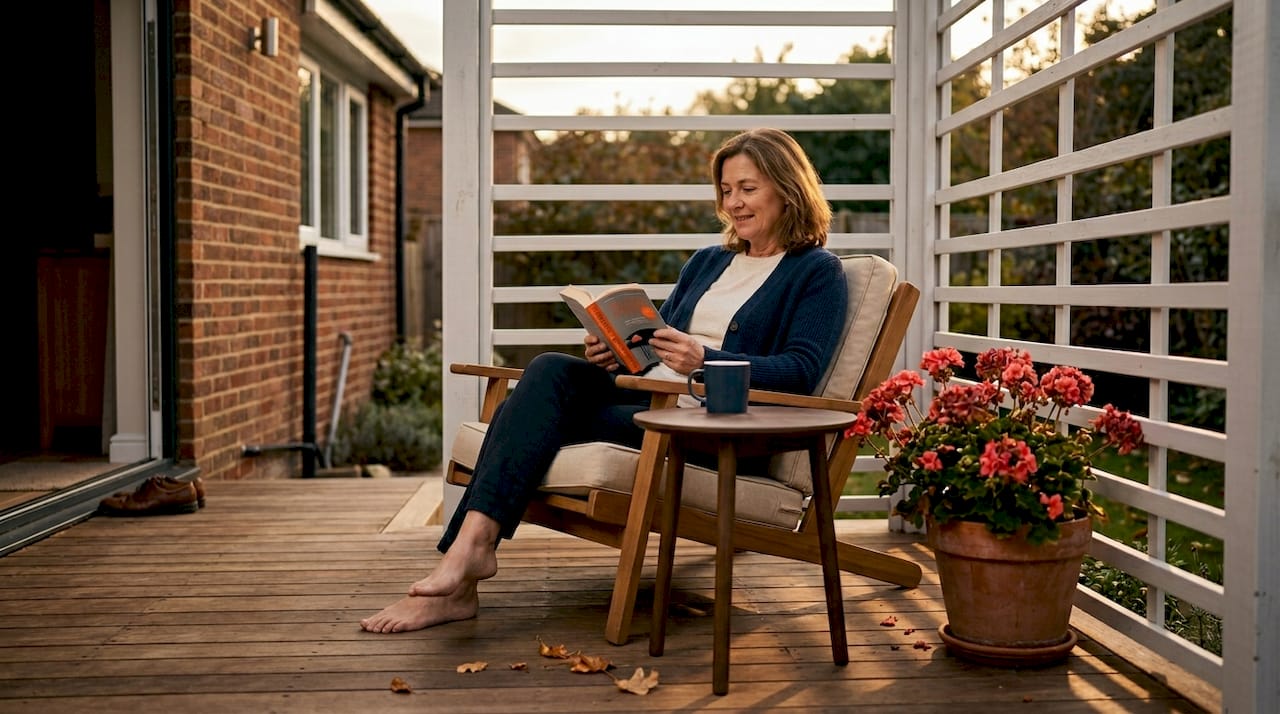
Verandas are distinct, roofed, open-air extensions that wrap around two or more sides of a home, offering year-round outdoor living. They enhance property value, protect outdoor furniture, and provide a sensory buffer that supports mental well-being, making outdoor space more functional and inviting. Proper design, material choice, and style are key to ensuring verandas are used year-round and integrate seamlessly with existing architecture.
Most homeowners use the words veranda, porch, and patio interchangeably. They are not the same thing, and that confusion often leads to poor buying decisions and missed opportunities. Understanding the veranda meaning and benefits properly changes how you think about your home’s outdoor space entirely. A veranda is not simply a covered area bolted onto the back of a house. It is a purposeful architectural feature with a specific definition, a distinct character, and a measurable impact on how you live, entertain, and feel at home.
Table of Contents
Key takeaways
Point | Details |
Verandas differ from porches | A veranda typically wraps two or more sides of a home and is open-air, unlike a single-entry porch. |
Year-round usability | With heating, lighting, and shading, a veranda becomes a functional outdoor room across all seasons. |
Property value gains | A professionally installed veranda adds measurable value to your home and protects outdoor furniture. |
Style must match architecture | Choosing the right veranda style (gable, lean-to, flat roof) depends on your home’s design and garden. |
Psychological benefits count | Verandas provide a sensory buffer between indoors and outdoors that actively supports mental well-being. |
Veranda meaning and benefits: a clear starting point
The word veranda derives from the Portuguese “varanda,” meaning a railing or balustrade. Over centuries, the structure evolved from colonial architecture in South Asia and Australia into the roofed, open-sided platforms we recognise today. The definition of veranda is straightforward: a roofed, open-air gallery or platform attached to the exterior of a building, usually at ground level, and accessible directly from the interior.
What makes a veranda architecturally distinct? Several features set it apart from other outdoor structures.
Wraparound design. Verandas often extend across two or more sides of a home, whereas a porch typically covers only the front entry.
Open-air structure. The sides are unenclosed, allowing airflow and natural light while the roof provides protection.
Integrated roofline. The veranda roof usually ties directly into the main roof of the house, giving it a permanent, architectural feel rather than an afterthought.
Ground-level access. Unlike a raised deck or a balcony, a veranda sits flush with the ground floor and connects directly to interior rooms.
How does a veranda differ from a pergola or a patio? A pergola has an open lattice roof, offering minimal weather protection. A patio is simply a paved outdoor area with no overhead covering at all. A veranda combines the shelter of a roof with the openness of an outdoor space. That combination is what gives it such practical value.
Common materials for veranda construction include timber, powder-coated aluminium, and polycarbonate or glass roofing. Timber suits period properties and cottage-style homes beautifully. Aluminium is lower maintenance, longer lasting, and works well with contemporary architecture.
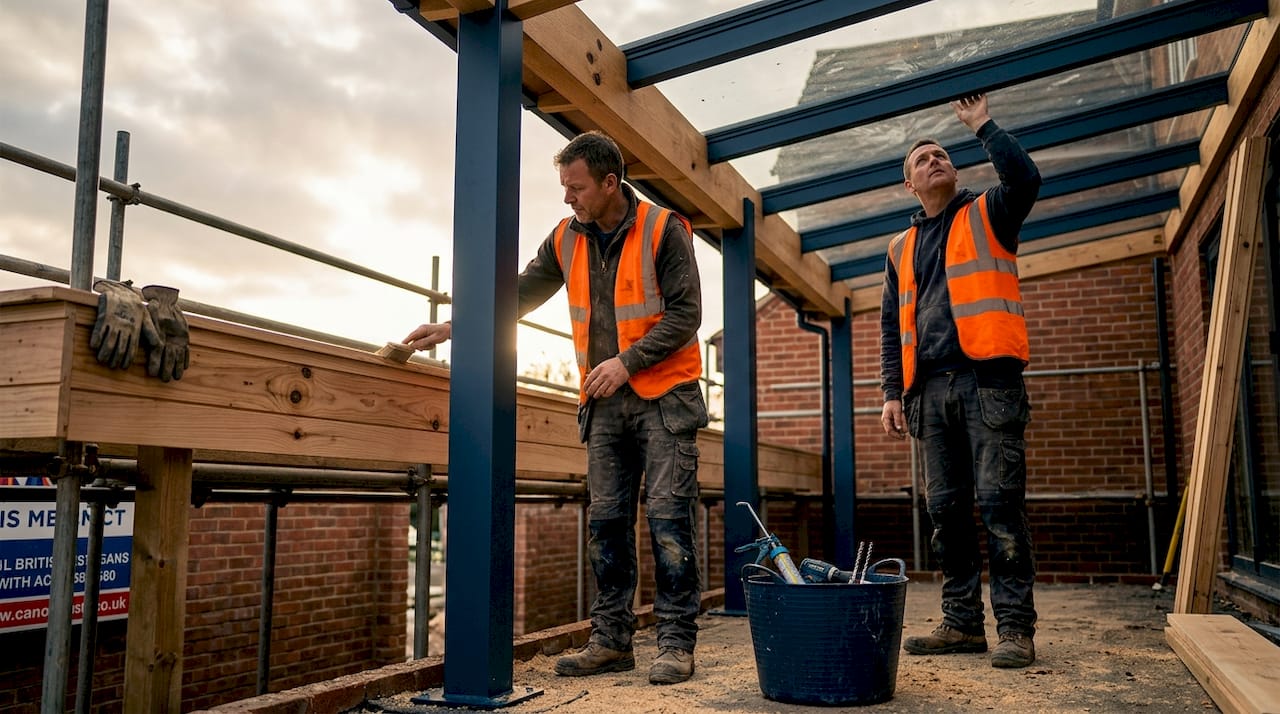
Pro Tip: If your property has a traditional or Victorian character, a timber veranda with decorative fascia detailing will complement it far better than a plain aluminium frame. Match the material to the era of your home.
Practical and lifestyle benefits of a veranda
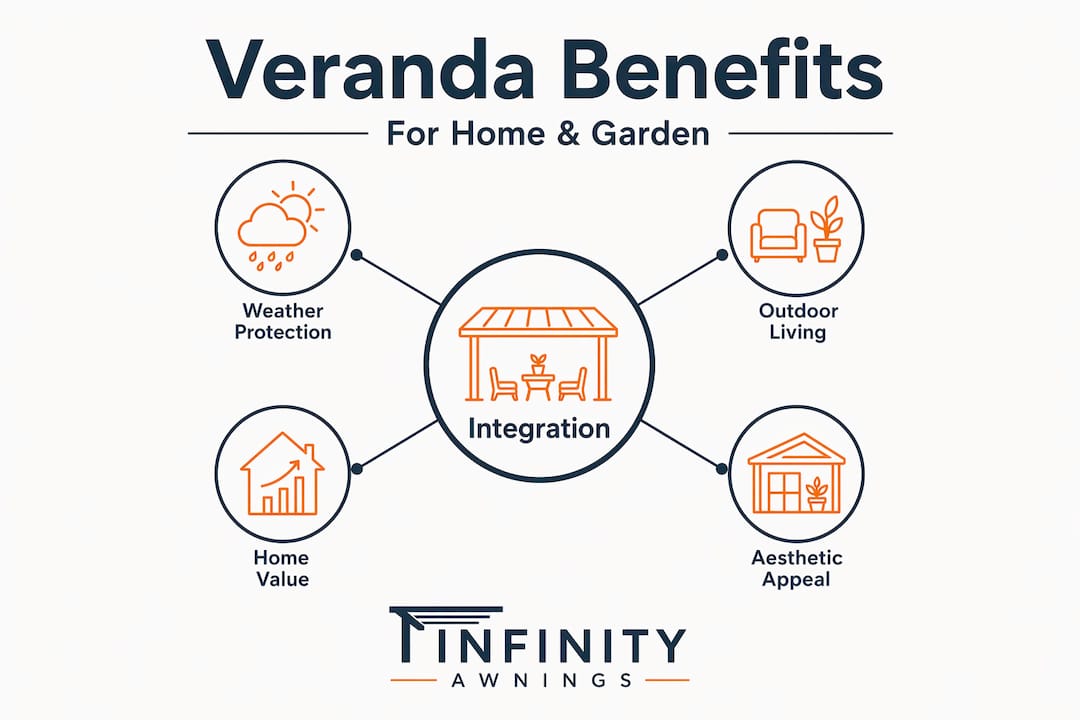
Here is where understanding why install verandas moves beyond the aesthetic. The advantages of having a veranda are practical, financial, and genuinely life-enhancing.
Extended outdoor living in any weather. Rain, light frost, and harsh sun no longer shut down your garden. A roofed veranda means you can sit outside during a summer downpour, host a morning coffee in early spring, or enjoy an evening meal without worrying about the elements.
Protection for outdoor furniture. Verandas protect furniture against UV radiation, tree sap, rain, and even light snow. This dramatically reduces wear, prevents fading, and means you spend less time cleaning before use.
Cleaner indoor transitions. A veranda acts as a buffer zone. Muddy boots, wet coats, and garden tools stay outside, but under cover. Your flooring and hallways stay cleaner without any extra effort.
Increased property value. A professionally installed veranda adds measurable appeal to a home. Buyers respond to functional outdoor space, particularly in the UK market where usable outdoor areas are highly valued despite the climate.
Versatile entertaining space. A veranda functions as an outdoor dining room, a casual lounging spot, a reading nook, or even a space for container gardening. The structure provides enough shelter to furnish it properly, without making it feel enclosed.
“A veranda extends your home’s usable footprint outward in a way that no patio or deck fully replicates. It adds square footage that genuinely gets used, because it is sheltered enough to be comfortable across the year.”
The psychological and social benefits are less obvious but equally real. Verandas provide a transitional zone between the privacy of your home and the full exposure of the outside world. You can be outdoors, breathing fresh air and watching the garden, without the social pressure of being fully visible or publicly engaged. That sensory buffer actively supports calmness and mental well-being.
Verandas with expected lifespans of 60 years when professionally built with quality materials represent serious long-term value. Many come with ten-year guarantees as standard. That makes the initial investment far more justifiable than people often assume.
Making your veranda work all year round
A veranda without thoughtful design is just a roof on posts. The difference between a structure that gets used twelve months a year and one that sits empty from October to April comes down to a handful of design decisions.
Shading and privacy screening. Adjustable blinds, retractable screens, or fixed louvre panels give you control over light, wind, and visibility. These features make the space comfortable in summer heat and more sheltered in winter.
Heating. Infrared heaters mounted to the ceiling extend evening use well into autumn and winter. They warm people directly rather than heating the open air, which makes them far more efficient in an exposed structure.
Lighting. Layered lighting and integrated fans transform how a veranda feels after dark. Overhead task lighting for dining, ambient string lights for atmosphere, and directional spotlights for planting or architectural features all serve different purposes.
Furniture choices. Furniture for a veranda must be designed for outdoor conditions even though it sits under cover. Powder-coated aluminium frames, teak, or high-density polyethylene weave resist moisture and temperature changes without constant re-treatment.
Maintenance habits. Cleaning the roof panels twice yearly, checking fixings after winter, and treating any timber elements annually will preserve the structure for decades. Read through these veranda maintenance tips to keep your installation in top condition year after year.
Connecting the veranda visually to your interior also makes a significant difference. Matching floor materials where possible, using the same colour palette for cushions and curtains visible from inside, and positioning the veranda so it aligns with a key indoor room (rather than a side wall) all reinforce the indoor-outdoor connection that makes the space feel intentional rather than tacked on.
Pro Tip: Install a ceiling fan in addition to a heater. In summer, it creates airflow that makes the space feel noticeably cooler without requiring glazing or air conditioning.
Choosing the right veranda style for your home
Not all verandas look alike. Style selection matters for both function and how well the structure integrates with your existing architecture. Here is a comparison of the most common options.
Style | Best for | Key advantage | Consideration |
Flat roof | Modern and contemporary homes | Clean lines, cost-effective | Requires adequate drainage |
Gable roof | Period properties and larger homes | Strong kerb appeal, good headroom | More complex to install |
Lean-to | Side returns, smaller gardens | Space-efficient, simpler build | Limited headroom on outer edge |
Colonial wraparound | Large detached or farmhouse properties | Maximum coverage, architectural drama | Higher material and labour cost |
Cantilevered | Modern homes with clean aesthetics | No front posts, unobstructed views | Requires robust structural anchoring |
The flat roof veranda is currently the most popular choice for new builds and renovated homes across Yorkshire and the East Midlands. Its clean geometry suits contemporary architecture and it keeps costs manageable. Gable roof styles suit older properties where a pitched roof would look out of place with a flat addition.
The lean-to style works particularly well for side extensions or narrower rear gardens where a full wraparound structure would dominate the space. For more inspiration on which style suits your property, browse these veranda style options put together by the team at Infinityawnings.
Style choice directly affects function and how naturally the veranda integrates with both the home and the garden. A colonial wraparound on a small semi-detached house would look disproportionate. A lean-to on a large farmhouse would look inadequate. Proportionality and architectural coherence matter as much as personal preference.
My honest take on why verandas get undervalued
I have been involved in outdoor structure installations for over fifteen years, and the one thing that still surprises me is how many homeowners underestimate a veranda until they have one. They spend years working around the British weather rather than designing for it.
What I find most compelling is not the practical case, though it is strong. It is the psychological case. A veranda is one of the few architectural features that genuinely changes how you relate to your environment on a daily basis. It lets you be outside without being fully exposed. That subtle distinction changes behaviour. People sit outside more. They watch the rain. They linger after dinner. Those moments add up.
The comparison I use with clients is this: a patio asks you to commit to being outside. A veranda gives you the option to hover at the threshold. For many people, that lower-stakes version of outdoor living is actually the one they use.
I have also seen firsthand that the projects with the most regret are the ones where people cut corners on design details. Adding heating and lighting after the fact is always more expensive and less elegant than speccing it in from the start. If you are going to build a veranda, build it properly the first time.
— Andrew
Explore veranda and pergola options with Infinityawnings
If this article has clarified what a veranda is and what it can do for your home, the natural next step is to look at what is available for your specific property and lifestyle. Infinityawnings has over 15 years of experience designing and installing verandas, garden pergolas, and outdoor shading structures across Yorkshire, Derbyshire, Nottinghamshire, and Lincolnshire. From flat roof and gable styles through to fully featured structures with LED lighting, integrated heating, and retractable screens, everything is built to last and tailored to your home. View the full veranda installation services or request a free quote to get started.
FAQ
What is a veranda in simple terms?
A veranda is a roofed, open-sided platform attached to the exterior of a building, typically at ground level. It is accessible directly from the interior and provides sheltered outdoor space without fully enclosing it.
How is a veranda different from a porch?
A porch usually covers only the front entry of a home, while a veranda covers two or more sides and is typically larger and more integrated into the overall structure. Verandas are strictly open-air, whereas some porches are partially enclosed.
Does a veranda add value to your home?
Yes. A professionally installed veranda increases the usable outdoor footprint of a property and has broad appeal to buyers, particularly in climates like the UK’s where sheltered outdoor space is genuinely useful year-round.
How long does a veranda last?
Quality verandas built with aluminium framing and durable roofing materials have an expected lifespan of 60 years and typically come with a ten-year installation guarantee.
Can a veranda be used in winter?
Yes. With the addition of infrared ceiling heaters, retractable screens, and layered lighting, a veranda becomes a comfortable all-year space that remains practical well beyond the summer months.
Recommended
Comments