
What is modular outdoor shelter? Your 2026 guide

TL;DR:
Modular outdoor shelters are prefabricated structures made from connectable components, allowing quick assembly and flexibility. They outperform traditional builds by reducing construction time, waste, and carbon emissions while offering durable and expandable solutions. Properly engineered systems from trusted brands can last over ten years and adapt to changing outdoor space needs.
A modular outdoor shelter is a prefabricated structure built from standardised, connectable sections designed for rapid assembly and flexible outdoor use. Unlike traditional builds, these systems arrive as factory-made components in materials such as steel, aluminium, or timber, ready to bolt or lock together on site. The term “modular outdoor shelter” is widely used by consumers, but the recognised industry term is modular construction, a method that applies the same off-site fabrication principles to everything from pergolas to large commercial canopies. Whether you are covering a residential patio in Yorkshire or creating a shaded communal area for a restaurant, understanding what a modular outdoor shelter offers will help you make a confident, well-informed decision.
What is a modular outdoor shelter and how does it work?
A modular outdoor shelter works by combining pre-engineered sections into a single, stable structure without the need for specialist trades on site. Each module is designed to connect to the next using mechanical fixings, locking connectors, or bolted joints. The result is a structure that can be assembled, expanded, or relocated far more easily than anything built from scratch.
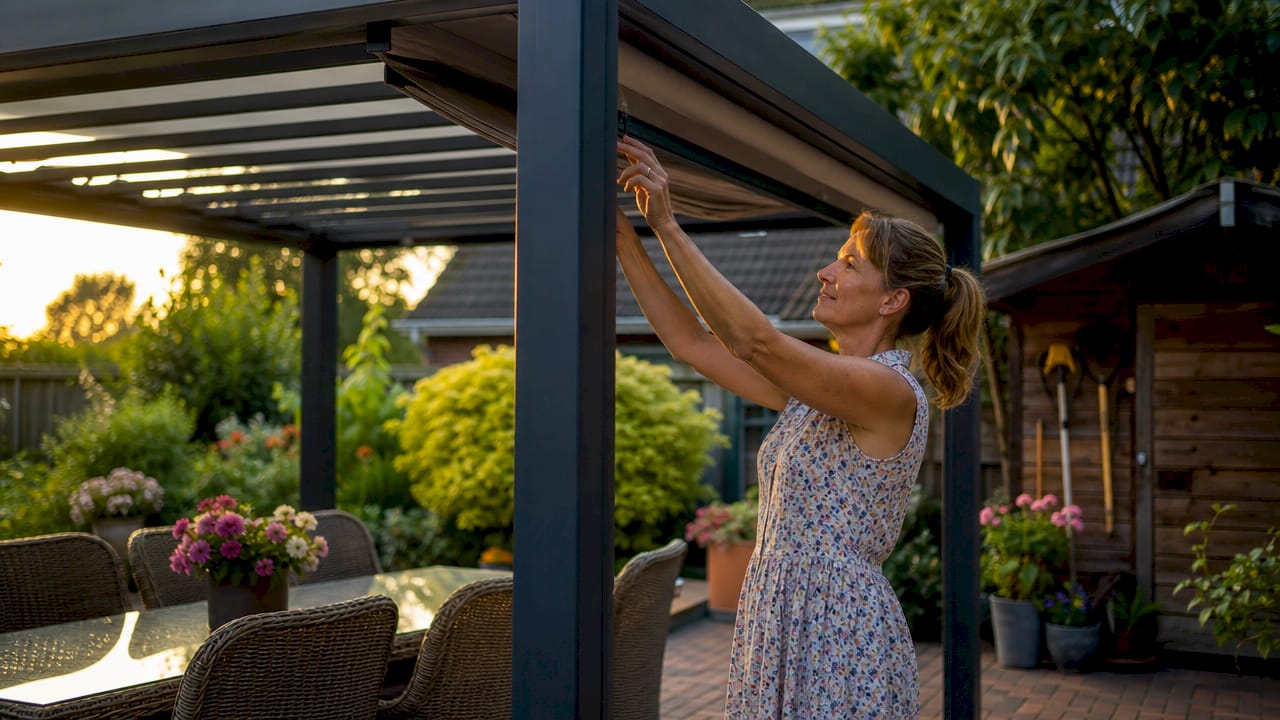
The core principle is standardisation. Because every component is manufactured to the same specification, modules fit together predictably. This is why modular construction reduces dependency on skilled labour and delivers better quality control than traditional site-built methods. For homeowners and business buyers, that translates directly into shorter lead times and fewer costly surprises.
Brands such as Weinor and Tarasola, both stocked by Infinityawnings, apply this modular logic to pergolas and verandas. Their systems ship with pre-drilled components, matching fixings, and clear assembly sequences. The engineering is done before the product leaves the factory.
What are the main types of modular outdoor shelters?
Modular outdoor structures fall into four broad categories, each suited to different budgets, timescales, and use cases.
Type | Best use | Durability | Assembly complexity |
Modular pergola | Residential patio, garden | High (10+ years) | Low to medium |
Pop-up canopy shelter | Events, temporary cover | Low to medium | Very low |
Steel-framed modular unit | Commercial, emergency use | Very high | Medium to high |
Volumetric modular cabin | Hospitality, glamping | Very high | High |
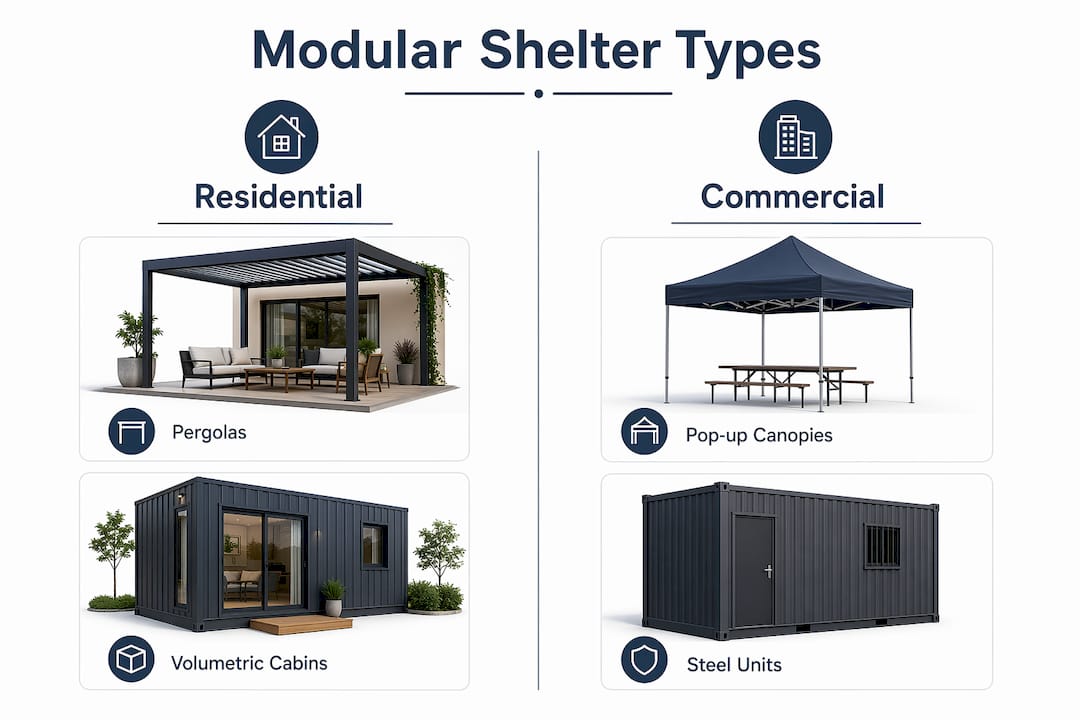
Modular pergolas are the most popular choice for homeowners. They use aluminium or timber frames with interchangeable roof panels and can be configured into L-shapes and multi-unit layouts for expanded coverage. Infinityawnings supplies pergola systems from Weinor and Llaza that follow exactly this principle.
Pop-up canopy shelters suit markets, outdoor events, and short-term commercial use. They are lightweight and fast to erect, but they are not designed for year-round exposure to British weather.
Steel-framed modular units are used in hospitality, disaster relief, and education. These structures transform underutilised land into revenue or life-saving spaces, changing the perception of modular from temporary to permanent asset.
Volumetric modular cabins arrive as near-complete rooms and are used in glamping and outdoor hospitality. They require groundworks but offer the fastest route to a fully weatherproof structure.
How do modular shelters compare to traditional outdoor structures?
The performance gap between modular and traditional construction is significant, particularly on time and waste. Modular outdoor structures reduce construction time by 30–50% and cut material waste by over 80% compared to traditional methods. Those are not marginal gains. They represent a fundamentally different approach to how outdoor space gets built.
Advantages of modular over traditional builds
Speed: Components arrive ready to assemble. There is no waiting for concrete to cure or for trades to sequence their work.
Quality control: Factory fabrication means components are made in controlled conditions, free from weather delays or on-site errors.
Lower waste: Off-site precision cutting produces far less scrap than traditional site work.
Sustainability: Modular steel structures reduce embodied carbon by 15.6% and operational carbon emissions by 3.2% versus conventional builds.
Relocatability: Modules can be dismantled and moved, which is impossible with poured concrete or brick structures.
Limitations to consider
Foundation preparation still adds cost and time, even for non-permit kits.
Some modular systems require engineering certification for wind-load compliance, particularly in exposed locations.
Larger volumetric units may need planning permission in the same way as traditional structures.
Replacement parts must remain available from the original manufacturer for long-term expandability.
The honest comparison is this: modular wins on speed, waste, and flexibility. Traditional construction wins on bespoke design freedom and, in some cases, perceived permanence. For most residential and commercial outdoor projects in the UK, modular is the stronger choice.
How to choose and build a modular outdoor shelter for your space
Choosing the right system starts with four practical questions: How large does the shelter need to be? Will you need to expand it later? What weather conditions must it withstand? And what is the base you are working with?
Step-by-step selection and assembly process
Measure your space accurately. Note the exact footprint, any overhead obstructions, and the direction of prevailing wind. This determines which module sizes and configurations will work.
Choose your material. Aluminium is the most popular choice for UK gardens because it does not rust, requires minimal maintenance, and suits the climate. Timber offers a warmer aesthetic but needs annual treatment.
Check the foundation. A level, stable base is critical for safety and to prevent frame warping over time. A concrete pad or compacted gravel base is the minimum requirement. Many buyers underestimate this cost.
Verify engineering certifications. Prioritise wind-load ratings and certified connector systems over price. Precision-engineered locking mechanisms outperform simple bolted connections in long-term stability and ease of later expansion.
Assemble with two people. Consumer-grade modular pergola kits typically assemble in under 60 minutes with two people, at a cost of approximately £400–£1,600 for the kit alone, excluding groundworks and any electrical add-ons.
Plan for expansion from the start. Buy a system that uses the same connector standard across its product range. This means adding a module later does not require replacing existing fixings.
Pro Tip: Always confirm that replacement modules and connectors are available before purchasing. A system that cannot be expanded or repaired five years from now is a liability, not an asset.
For a detailed walkthrough of the installation process, the pergola installation guide from Infinityawnings covers each stage clearly, including anchoring and post-installation checks.
What are the environmental and economic benefits of modular outdoor shelters?
The environmental case for modular shelters is grounded in measurable data, not marketing claims. Modular steel structures reduce embodied carbon by 15.6% compared to conventional builds. That reduction comes from optimised material use, less on-site waste, and more efficient logistics. For a business fitting out a commercial terrace or a homeowner adding a garden structure, the carbon saving is real and immediate.
The economic case is equally strong. Faster assembly means lower labour costs. A structure that takes two people under an hour to erect costs a fraction of what a bricklayer or carpenter would charge for equivalent coverage. For commercial operators, speed also means faster revenue generation. A restaurant terrace covered in a weekend is earning money by monday.
Reusability adds long-term value that traditional structures cannot match. A modular shelter can be dismantled, stored, and reinstalled in a different location. For businesses that lease premises, this is a significant financial advantage. The shelter travels with the business rather than being left behind as a sunk cost.
The value of outdoor structures extends beyond immediate cost savings. Covered outdoor space increases usable square footage, extends the trading or living season, and adds measurable appeal to a property. For UK homeowners and hospitality businesses, that combination of environmental and economic benefit makes modular the most sensible starting point.
Key takeaways
Modular outdoor shelters deliver faster assembly, lower waste, and greater flexibility than traditional outdoor structures, making them the most practical choice for residential and commercial outdoor projects in 2026.
Point | Details |
Definition | A modular outdoor shelter is a prefabricated structure built from standardised, connectable sections for rapid outdoor assembly. |
Construction advantage | Modular builds reduce construction time by 30–50% and cut material waste by over 80% versus traditional methods. |
Foundation matters | A level concrete or compacted gravel base is non-negotiable, even for basic consumer kits. |
Connector quality | Precision locking mechanisms outperform bolted joints for long-term stability and future expansion. |
Environmental gain | Modular steel structures reduce embodied carbon by 15.6% compared to conventional outdoor builds. |
Why modular shelters deserve more serious consideration than they get
The most common mistake I see buyers make is treating modular as a budget shortcut rather than a genuine building method. They buy the cheapest kit, skip the foundation preparation, and then wonder why the frame shifts after the first winter storm. Modular construction is not inherently fragile. The engineering behind systems from brands like Weinor or Tarasola is genuinely impressive. The problem is that buyers often strip out the parts that make it work.
The second misconception is that modular means temporary. Properly engineered modular shelters can be reliable and durable for 10 years or more. The key word is “engineered.” A certified system with correct anchoring and a proper base will outlast many traditional timber structures in a British garden.
What I find most interesting about the current market is the shift towards modular ecosystems rather than standalone units. Buyers are no longer just purchasing a pergola. They are selecting a platform that can accept lighting, heating, privacy screens, and additional bays as their needs change. That is a fundamentally different way of thinking about outdoor space, and it is the right one. The outdoor shading options available to UK buyers in 2026 reflect this shift clearly. The question is no longer whether to go modular. It is which modular system to choose and how to configure it correctly from the start.
— Andrew
Premium modular pergolas from Infinityawnings
Infinityawnings has supplied and installed premium outdoor structures across Yorkshire, Derbyshire, Nottinghamshire, and Lincolnshire for over 15 years. The pergola range includes systems from Weinor, Llaza, and Tarasola, all of which follow modular construction principles: factory-engineered components, certified fixings, and configurations that can be expanded over time.
Each system is available with optional LED lighting, integrated heating, and a choice of roof styles to suit both residential gardens and commercial terraces. If you are ready to see which configuration suits your space, the Infinityawnings pergola range includes detailed product information and a free quote request. The team can advise on foundation requirements, wind-load certification, and the best module layout for your specific site.
FAQ
What is a modular outdoor shelter made from?
Modular outdoor shelters are most commonly made from aluminium, steel, or timber. Aluminium is the preferred material for UK gardens because it resists corrosion and requires minimal upkeep.
How long does a modular outdoor shelter last?
Properly engineered modular shelters last 10 years or more. Longevity depends on material quality, correct anchoring, and a stable foundation rather than the modular format itself.
Do I need planning permission for a modular outdoor shelter?
Most residential pergolas and canopies fall within permitted development rights in the UK, but larger or taller structures may require planning permission. Always check with your local authority before installation.
How much does a modular outdoor shelter cost?
Consumer-grade modular pergola kits cost approximately £400–£1,600 for the kit alone, excluding groundworks and electrical add-ons. Commercial-grade steel systems cost considerably more.
Can a modular outdoor shelter be expanded later?
Yes, provided the system uses a consistent connector standard across its product range. Buying from a brand with long-term parts availability is the most important factor for future expansion.
Recommended
Comments