
Why outdoor structures matter for your living space

TL;DR:
Outdoor structures like pergolas and awnings enhance health by creating shaded environments that promote outdoor activity and reduce stress. They also serve as essential community infrastructure, increasing usability, energy efficiency, and property appeal when designed with purpose and maintained properly. Selecting durable materials such as aluminium and implementing strategic design maximizes outdoor space benefits in the UK climate.
Outdoor structures are defined as purpose-built architectural elements, including pergolas, verandas, awnings, and shelters, that transform exposed exterior spaces into functional, comfortable environments for living, working, and socialising. Understanding why outdoor structures matter goes well beyond aesthetics. Research published in 2026 by BMC Public Health confirms that green space exposure delivers measurable health benefits, particularly for older adults and lower-income groups. Brands like Weinor, Tarasola, and Infinityawnings have built entire product ranges around this evidence, recognising that well-designed outdoor spaces are not a luxury but a practical necessity for modern living.
Why outdoor structures matter for health and wellbeing
The connection between outdoor structures and physical health is direct and well-documented. A 2026 BMC Public Health systematic review found that green space exposure benefits are strongest for adults aged 65 to 74 and those from low socioeconomic backgrounds. This means that making outdoor spaces accessible and comfortable is not simply a design preference. It is a public health decision.
Outdoor structures play a specific role in enabling what researchers call “green exercise,” which is physical activity carried out in natural settings. A 2026 PubMed meta-analysis measured a well-being effect size of SMD = 0.46 for green exercise compared with indoor activity, indicating a meaningful improvement in mental health outcomes. A sheltered garden or shaded terrace removes the barriers of heat, rain, and glare that typically drive people back indoors, making regular outdoor activity far more achievable.
The psychological benefits extend beyond formal exercise. Cleveland Clinic health guidance confirms that even brief outdoor exposure in shaded, comfortable settings reduces stress and lifts mood, and that comfort from shade and shelter is critical to encouraging repeated outdoor use. A pergola or retractable awning does not just block the sun. It creates the conditions under which people actually choose to spend time outside.
Key health benefits supported by 2026 research include:
Reduced cortisol levels and lower perceived stress after time in sheltered green spaces
Improved positive affect and reduced negative affect from green exercise (PubMed, 2026)
Stronger cardiovascular and mobility benefits for older adults with regular outdoor access
Greater likelihood of sustained outdoor use when comfort features like shade and seating are present
Pro Tip: Design your outdoor structure to face away from prevailing wind and position shade to cover the space between 11am and 3pm. This single adjustment dramatically increases the number of days per year the space is genuinely usable in the UK climate.
How outdoor structures serve organisations and communities
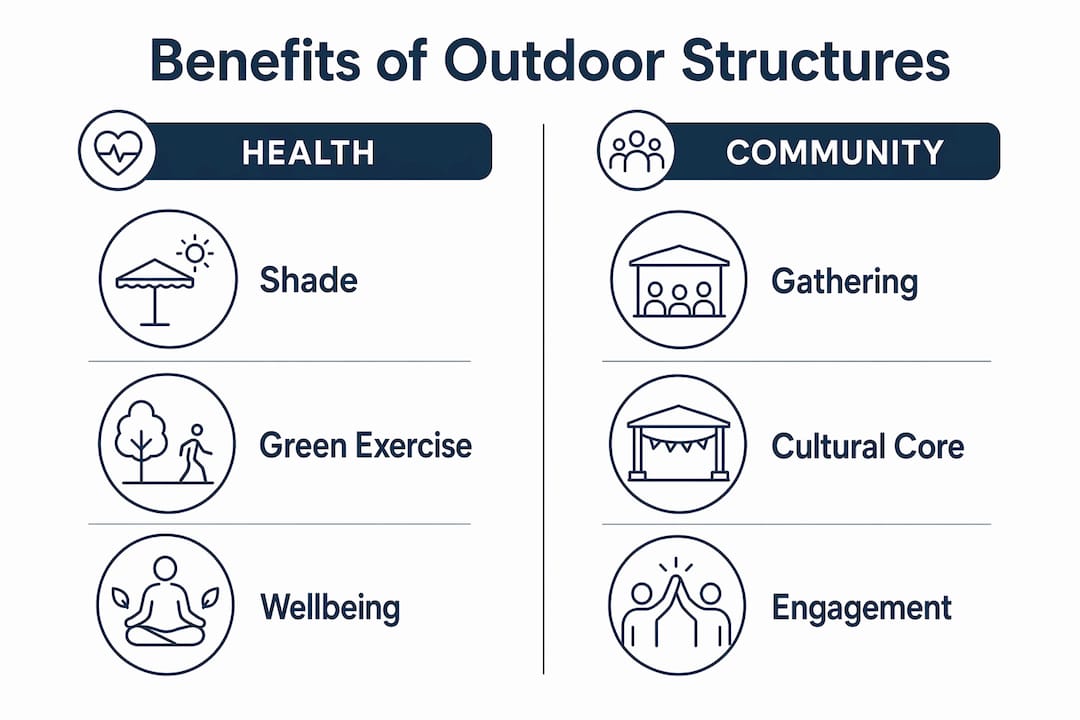
Outdoor structures are not only relevant to homeowners. IFMA’s 2026 Facilities Management Journal argues that outdoor structures shape participation and community culture in ways that interior spaces simply cannot replicate. Schools, restaurants, hotels, and corporate campuses all benefit from structured outdoor environments that support multiple modes of use simultaneously.
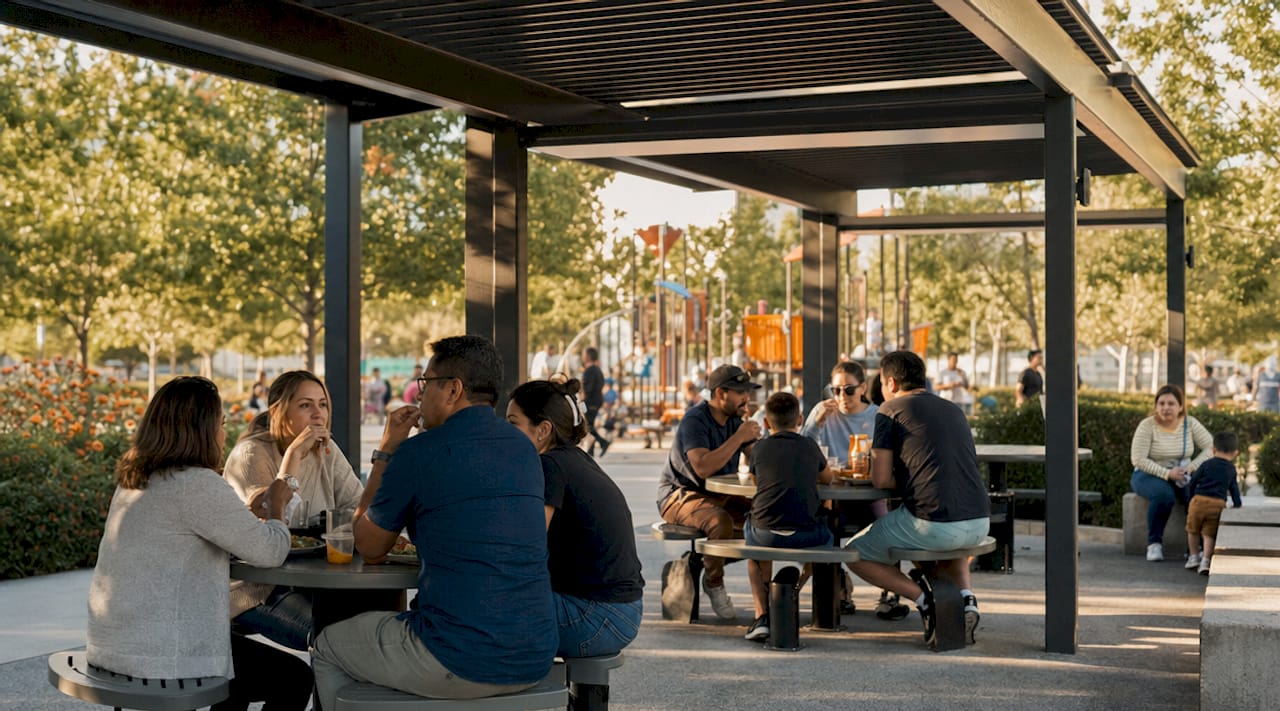
The IFMA research frames outdoor structures as core cultural infrastructure, not peripheral amenities. This distinction matters enormously for organisations making investment decisions. A covered outdoor terrace at a hotel is not a decorative feature. It is a revenue-generating space that extends hospitality across seasons and weather conditions.
The 2026 Lee Kuan Yew Centre playbook on outdoor recreation spaces reinforces this point, emphasising that people-centric design with varied spatial types and sustained programming is what keeps outdoor environments active and inclusive over time. Physical space alone does not create community. The design must actively invite participation.
For organisations looking to maximise the social value of outdoor structures, the following approach works consistently:
Define multiple activity modes. A single outdoor structure should support focused individual work, informal conversation, and small group events without requiring reconfiguration.
Programme for routine, not just occasions. IFMA notes that programming consistency and visibility of outdoor activity matter more than event complexity for sustained engagement.
Prioritise accessibility and ease of entry. Structures with clear sightlines, level access, and weather protection lower the threshold for spontaneous use.
Maintain and refresh. Durable construction and regular upkeep signal that the space is valued, which in turn encourages people to value it themselves.
Pro Tip: For commercial settings such as bars, restaurants, or educational institutions, schedule at least one recurring weekly activity in your outdoor structure during the first three months after installation. Visibility of regular use is the fastest way to establish the space as part of daily culture.
Comparing materials and design features for outdoor structures
Choosing the right material for an outdoor structure determines its lifespan, maintenance requirements, and performance in the UK climate. The three most common options are aluminium, timber, and composite materials, each with distinct trade-offs.
Material | Durability | Maintenance | Climate suitability | Typical use |
Aluminium | Very high | Low | Excellent in wet and cold climates | Pergolas, verandas, awning frames |
Timber | Moderate | High (annual treatment) | Good in dry climates, vulnerable to damp | Traditional pergolas, garden structures |
Composite | High | Very low | Good across varied climates | Decking, cladding, structural panels |
Aluminium is the material of choice for most modern pergola and veranda installations in Yorkshire, Derbyshire, and Lincolnshire precisely because it does not warp, rot, or require seasonal treatment. Brands such as Weinor and Tarasola build their premium structures from powder-coated aluminium profiles, which retain their finish for decades with minimal intervention.
Beyond material selection, passive solar shading design has a measurable impact on energy use. A 2026 study published in MDPI’s Buildings journal found that optimised passive shading can reduce building energy consumption by over 37% by managing solar gain and thermal mass. For homeowners and commercial operators, this means a well-positioned pergola or awning is not just a comfort feature. It actively reduces heating and cooling costs throughout the year.
The practical design principles that deliver the greatest benefit are straightforward. Orient the structure to intercept low-angle winter sun while blocking high summer sun. Incorporate ventilation gaps at the ridge to prevent heat build-up. Select fabric or louvre systems that allow light modulation without full shade when conditions are mild. Infinityawnings covers these design considerations in detail in its guide to outdoor shading and energy savings.
Pro Tip: Request a site-specific shading analysis before committing to a fixed pergola design. The angle of your garden relative to south, and the height of surrounding buildings or trees, will determine whether a louvre roof or a fabric canopy delivers better year-round performance.
Do outdoor structures increase property value?
Structured outdoor spaces influence property perception before a buyer ever steps inside. Research presented in 2026 confirms that garden structures shape first impressions and create emotional connections with a property that interior features alone cannot generate. Estate agents consistently report that a well-designed outdoor living area accelerates buyer interest and supports asking price.
The reasons are practical as well as emotional. A covered outdoor space extends the usable square footage of a home in a way that is immediately legible to any visitor. A veranda or pergola signals that the outdoor area has been considered and invested in, which raises the perceived quality of the entire property.
Design integration is the factor that separates structures that add value from those that detract from it. Key principles include:
Match materials to the existing architecture. A powder-coated aluminium pergola suits a contemporary home. A painted timber structure suits a period property. Mismatched materials undermine the visual coherence that buyers respond to.
Connect the structure to interior living spaces. Structures positioned directly off a kitchen or living room create a natural indoor-outdoor flow that buyers find compelling.
Incorporate lighting and heating. Add-ons such as LED lighting and infrared heaters extend usability into evenings and cooler months, making the space feel genuinely year-round rather than seasonal.
Keep proportions appropriate. A structure that overwhelms a small garden reduces perceived space. One that is too small for a large garden looks like an afterthought.
The impact on outdoor usability is well-documented across UK residential and commercial settings, with shading solutions consistently cited as among the most cost-effective improvements a property owner can make.
Key takeaways
Outdoor structures deliver measurable benefits across health, community, energy efficiency, and property value when designed with purpose and maintained consistently.
Point | Details |
Health and wellbeing gains | Shaded, comfortable outdoor spaces increase time outdoors, reducing stress and supporting green exercise. |
Community and organisational value | Structures act as cultural infrastructure, supporting collaboration, events, and daily social connection. |
Material and design choices | Aluminium outperforms timber in UK climates; passive shading can cut energy use by over 37%. |
Property value impact | Well-integrated outdoor structures create emotional buyer connections and extend usable living space. |
Programming and maintenance | Consistent use and upkeep are more important than complexity for long-term outdoor space success. |
What I have learned from 15 years of outdoor structure installations
The most common mistake I see is treating an outdoor structure as a finishing touch rather than a starting point. Homeowners and facilities managers alike tend to plan their outdoor space in full, then add a pergola or awning at the end as decoration. The result is a structure that does not quite fit, faces the wrong direction, or fails to connect with how people actually use the space.
The projects that work best start with the question: how do we want to use this space, and in what weather conditions? That question drives every decision, from orientation and material to whether you need a fixed louvre roof or a retractable canopy. A retractable awning from a brand like Weinor gives you flexibility across seasons. A fixed Tarasola pergola gives you permanence and architectural presence. Neither is universally better. The right choice depends entirely on use.
I have also seen organisations invest significantly in outdoor structures and then fail to programme them. A beautiful covered terrace that sits empty sends a message that the space is not really for people. The IFMA research backs this up: physical space alone does not create community. You have to actively invite people in, repeatedly, until the space becomes part of the daily routine.
The long-term view matters too. Structures built from quality materials with proper installation require very little ongoing attention. Those built cheaply become maintenance burdens within five years. The investment in a well-specified aluminium pergola or veranda pays back through reduced upkeep, sustained property value, and years of genuine outdoor living.
— Andrew
Explore pergolas and shading solutions with Infinityawnings
If this article has clarified the importance of outdoor structures for your home or organisation, the next step is finding a solution built to last in the UK climate.
Infinityawnings has over 15 years of experience designing and installing pergolas, verandas, retractable awnings, and shading solutions across Yorkshire, Derbyshire, Nottinghamshire, and Lincolnshire. The product range includes premium brands such as Weinor, Tarasola, Llaza, and Morvelle, with options for manual or electric operation, LED lighting, infrared heaters, and a full selection of fabric colours and patterns. Whether you are a homeowner looking to extend your living space or a commercial operator seeking to maximise outdoor capacity, explore the full range of garden pergolas and request a free quote to get started.
FAQ
Why do outdoor structures matter for health?
Outdoor structures create shaded, comfortable environments that encourage regular time outside. A 2026 PubMed meta-analysis found that green exercise in natural settings produces a well-being effect size of SMD = 0.46 compared with indoor activity, with measurable reductions in stress and negative affect.
What materials are best for UK outdoor structures?
Aluminium is the most suitable material for UK conditions due to its resistance to damp, frost, and corrosion without requiring annual treatment. Powder-coated aluminium profiles used by brands like Weinor and Tarasola retain their finish for decades with minimal maintenance.
Can outdoor structures reduce energy bills?
A 2026 Buildings study found that optimised passive solar shading can reduce building energy consumption by over 37% by managing solar gain. A well-positioned pergola or awning reduces the need for air conditioning in summer and can retain warmth in transitional seasons.
How do outdoor structures add value to a property?
Structured outdoor spaces extend usable living area and create strong first impressions with buyers. Research from 2026 confirms that garden structures shape emotional connections with a property before interior viewing, supporting both buyer interest and asking price.
What is the difference between a pergola and a veranda?
A pergola is a freestanding or wall-mounted structure with an open or louvred roof, typically positioned in a garden. A veranda is an attached covered structure along the exterior of a building, providing a sheltered transition between indoors and outdoors.
Recommended
Comments